Welcome to our Charleston Real Estate Blog!

We will use this space to show our newest listings of available properties for sale in Charleston, Summerville, Mount Pleasant, and the islands. If you see something you like, call or contact us quickly to get your dream home in Charleston SC!

May 26, 2026

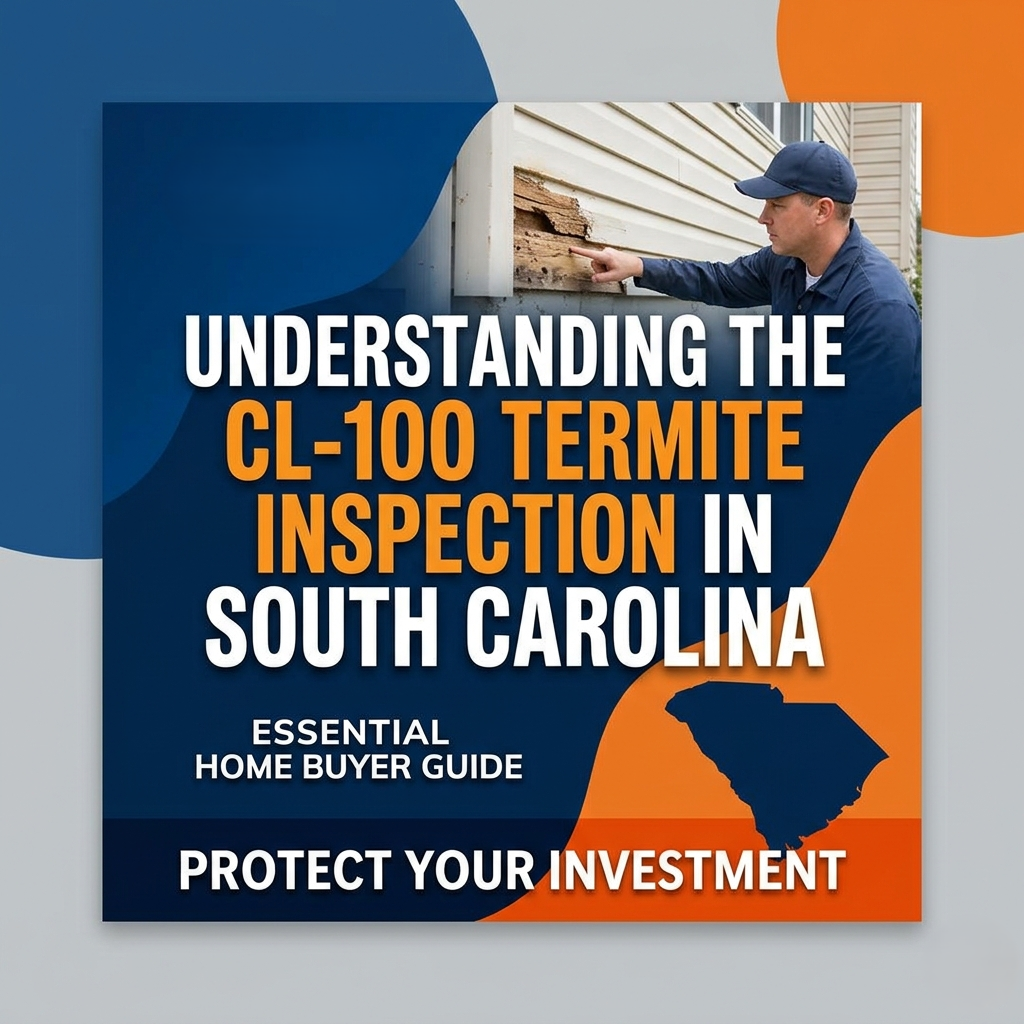
Understanding the CL-100 Termite Inspection in South Carolina

If you have ever bought or sold a home in South Carolina, you have likely heard about the CL-100. If you have not yet, get ready, because almost every Lowcountry transaction involves one. The CL-100 is one of those unique South Carolina real estate quirks that can catch newcomers and out-of-state buyers completely off guard. It is also one of the most important documents in the closing file, especially in the Charleston region where humidity, sandy soils, and a long warm season create perfect conditions for wood-destroying pests. Anyone navigating Charleston, SC real estate should understand exactly what a CL-100 is, what it covers, and why it matters.

What Is a CL-100?

The CL-100 is South Carolina's official Wood Infestation Report. The form is regulated by the state and used to document the presence or absence of active termites, other wood-destroying insects, and damage to wood from those pests or moisture. A licensed pest control inspector performs the inspection and signs off on the report.

Despite the nickname "termite letter," the CL-100 is broader than termites alone. It covers active infestations, prior damage, conditions favorable to infestation, and visible moisture issues that can lead to wood rot. In the Lowcountry, the moisture portion is often just as important as the pest portion.
Understanding the CL-100 Termite Inspection in South Carolina

Why It Matters in the Charleston Area

South Carolina's coastal climate is hard on homes. Subterranean termites, drywood termites, Formosan termites, powder post beetles, and old-house borers are all real concerns. Crawl spaces in the Lowcountry are especially vulnerable due to humidity, poor ventilation, or improperly graded yards.

For buyers, a clean CL-100 helps confirm that the home is structurally sound from a wood-destroying-organism standpoint. For sellers, a clean CL-100 reassures buyers and helps the transaction close on schedule. For both sides, the report uncovers issues that may need to be repaired or addressed before closing.

What the Inspection Includes

The inspector physically walks the property, focusing on accessible areas where wood-destroying organisms or excessive moisture may exist.

Crawl Spaces and Foundations

The crawl space is the heart of the inspection in coastal South Carolina. The inspector looks for active termites, termite tubes, prior damage, fungal growth, signs of standing water, inadequate vapor barriers, and proper ventilation.

Wood Components

Floor joists, support beams, sill plates, sub-flooring, and wood in contact with the ground are all evaluated. In older homes, the inspector also looks for evidence of past treatments and patches.

Moisture Readings

Many CL-100 inspectors take moisture meter readings in the crawl space. Elevated moisture levels can result in conditions favorable for fungi and pests, even without an active infestation.

Visible Areas of the Home Interior

Window sills, door frames, baseboards, and other accessible interior wood are checked for visible damage or evidence of activity.

Who Pays for the CL-100?

Custom varies, but in the Charleston area, the buyer typically orders and pays for the CL-100 inspection during the due diligence period. However, sellers can also choose to order it in advance to identify and address issues before listing. In a multi-offer scenario, providing a recent CL-100 can be a smart seller move that builds buyer confidence.

Some lenders, especially those backing FHA, VA, or USDA loans, require a clean CL-100 before they will fund the loan. If you are buying in Summerville, Mt Pleasant, SC, or any other Charleston-area community with one of these loan types, the CL-100 is effectively non-optional.

What Happens If the CL-100 Comes Back with Problems?

A CL-100 is not pass or fail in the same way as a school exam. It is a report. Findings may include active infestation, prior damage, fungal growth, or conditions favorable to infestation, including elevated moisture or inadequate ventilation. The next step is to determine how the issue will be resolved before closing.

Common Resolutions

For active termite activity, treatment by a licensed pest control company is typically required. For damaged wood, repairs by a qualified contractor are usually negotiated. For moisture or ventilation issues, the inspector may recommend new vapor barriers, additional vents, dehumidifiers, or grading work. Any work is generally re-inspected to issue a clean updated CL-100 prior to closing.

How CL-100 Issues Affect Negotiations

A surprising CL-100 finding does not automatically kill a deal, but it can shift negotiations. Buyers may ask for repairs to be completed prior to closing, request a price adjustment, or ask for a credit at closing. Sellers may push back, ask for a split, or, if the home has significant issues, work with their agent on alternative solutions. Either way, a knowledgeable Realtor and a clear plan keep the transaction moving forward.

Strategy for Buyers and Sellers

For buyers, never waive the CL-100, especially on older homes or those with crawl spaces. The cost is small relative to what it can uncover. For sellers, consider pre-listing inspections in older homes, in areas with high water tables, or when selling investment properties that have not been thoroughly maintained. A clean CL-100 in hand often improves negotiating leverage and helps avoid surprises.

Key Takeaways

The CL-100 is a uniquely South Carolina piece of the real estate puzzle, but in the Charleston region it is more than a formality. It protects buyers, supports sellers, and helps lenders ensure that homes are structurally sound from a pest and moisture standpoint. Treat it as a critical due-diligence step, not a checkbox, and rely on a local Realtor and a reputable, licensed inspector to walk you through any findings. Done right, the CL-100 makes closings smoother and helps homeowners avoid expensive surprises later.

Frequently Asked Questions

Is a CL-100 required for every home sale in South Carolina?

Not technically. The CL-100 is required for many government-backed loans, including FHA, VA, and USDA, and is strongly recommended for almost every conventional purchase in the Charleston area. In practice, most local lenders and buyers want one regardless of loan type.

How long is a CL-100 valid?

A CL-100 is generally considered valid for around 30 days. Closings that get delayed beyond that may require a re-inspection. Plan your inspection timing carefully with your Realtor and lender.

Who can perform a CL-100 inspection?

Only a licensed South Carolina pest control inspector can issue a CL-100. Make sure the company is licensed in the state, has experience in your area, and is willing to walk you through any findings in plain language.

What is the difference between a CL-100 and a regular home inspection?

A regular home inspection is a much broader evaluation of the home's systems, including roof, plumbing, electrical, HVAC, and structure. A CL-100 is narrowly focused on wood-destroying organisms, damage from those organisms, and visible moisture issues. The two reports complement each other and are not interchangeable.

Can a CL-100 finding break a real estate deal?

Significant CL-100 findings can affect a deal, but most issues are negotiated through repairs, credits, or treatments. A skilled local Realtor can help both sides navigate the findings and keep the transaction on track.
 

May 25, 2026

Short-Term Rental Laws in Charleston, SC: An Investor's Guide

Charleston has been one of the country's most popular short-term rental markets for years. Demand from tourists, business travelers, and wedding parties has created strong cash flow opportunities for investors willing to buy the right property in the right area. But the rules around vacation rentals in the Charleston region have tightened, and they vary widely depending on which town, island, or county a property sits in. Anyone exploring Charleston, SC real estate as an investment needs to understand the local short-term rental laws before signing a contract.

Why Short-Term Rental Rules Matter Here

Short-term rental income can turn an otherwise average investment into a strong one, but only if the property is legally allowed to operate as one. Buying a home you assume can be a vacation rental, only to find out the city or HOA does not allow it, can be an expensive mistake. The Charleston region is a patchwork of jurisdictions, and each has different rules around permits, occupancy, parking, and zoning. Doing your homework on the front end protects your investment and your peace of mind.

The City of Charleston: Strict and Specific

The City of Charleston regulates short-term rentals more aggressively than most of the surrounding area. The city distinguishes between owner-occupied short-term rentals and "commercial" short-term rentals, and not every property qualifies for a permit. In many residential zones, only owner-occupied short-term rentals are allowed, meaning the owner must actually live on the property. Permits typically require proof of residency, primary residence status, and compliance with strict occupancy and parking requirements.

What Investors Should Know About the City

If your plan is to buy a property in the City of Charleston and rent it on a nightly basis without living there, you will likely face significant restrictions. The Old & Historic District, Cannonborough, Harleston Village, and other in-town neighborhoods are heavily regulated. Some commercial-zoned areas allow non-owner-occupied short-term rentals with the right permits, but the process is detailed and not all properties qualify. Make sure to verify zoning and permit eligibility directly with the city before assuming anything about a specific property in historic Charleston.

Short-Term Rental Laws in Charleston An Investor's Guide

Folly Beach: A Long-Standing Vacation Rental Market

Folly Beach has been a vacation rental destination for decades, and the town has long-standing rules to support it. Short-term rentals are allowed throughout much of the island, but the town requires a business license and regulates parking, occupancy, and trash. There are also caps and registration requirements that may apply to certain property types.

If you are seriously considering Folly Beach real estate as a short-term rental investment, the town's licensing and tax requirements should be reviewed early in your due diligence so you can model true net returns, not just rental potential.

Isle of Palms: Strong Market, Active Regulation

Isle of Palms is one of the most desirable beach rental markets in the entire Southeast, but the town has actively managed its short-term rental landscape in recent years. Permits are required, and the town has taken steps to limit the total number of non-owner-occupied rental licenses. There are also rules around occupancy, noise, parking, and trash, and enforcement is real.

Investors targeting Isle of Palms real estate should verify current permit availability and any waitlist status before committing to a purchase contract. The right property in IOP can perform extraordinarily well, but only if you can legally operate it the way your numbers assume.

Sullivan's Island and Other Restricted Areas

Some municipalities in the Charleston region take a much more restrictive stance. Sullivan's Island, for example, has historically banned or severely limited true short-term rentals. Buyers expecting to convert a Sullivan's Island home into a nightly rental should not count on that strategy without confirming current ordinances with the town.

Berkeley and Dorchester Counties

Outside the City of Charleston, the rules generally relax, though every municipality is different. Mount Pleasant, Goose Creek, Hanahan, and Summerville each have their own approaches, with some allowing short-term rentals under specific zoning and permit conditions and others restricting them in residential neighborhoods. HOAs in these areas frequently set their own rules as well, which can override or further restrict what the local government allows.

HOA Restrictions Can Override Everything

This is one of the biggest pitfalls for new investors. Even when local law allows short-term rentals, a community's HOA or condo regime may prohibit them outright or limit them to longer minimum stays. Always read the HOA documents, rules and regulations, and any recorded covenants before assuming you can run a vacation rental. A home in a perfectly legal location can still be a no-go because of HOA rules.

Taxes, Permits, and Insurance Realities

Beyond zoning and HOA rules, short-term rentals come with real operational costs. State accommodations taxes, local accommodations taxes, business licenses, and permit renewal fees all need to be factored in. Insurance is also more involved. Standard homeowner's policies typically do not cover short-term rental activity, so you will need a dedicated short-term rental or commercial policy. Property management fees, cleaning fees, and seasonal demand swings also affect net returns.

Strategy for Investors

Smart investors approach Charleston-area short-term rentals with three filters in mind. First, confirm that the local jurisdiction allows the rental strategy you have in mind. Second, confirm that the specific property's zoning and any HOA rules support that strategy. Third, model the financials honestly with taxes, fees, insurance, management, and realistic vacancy assumptions, not the best-case scenario from a listing platform.

It is also wise to think about resale. If short-term rental rules tighten further during your hold period, would the property still hold its value as a long-term rental or second home? Properties that work on multiple strategies tend to be more resilient.

Key Takeaways

  • - Short-term rental rules in the Charleston area vary significantly by city, town, and HOA, so never assume a property can be rented nightly without checking.
  • - The City of Charleston is among the strictest, often limiting short-term rentals to owner-occupied properties in residential zones.
  • - Folly Beach and Isle of Palms allow short-term rentals but require permits and active compliance.
  • - HOA restrictions can override otherwise favorable local laws, so always review condo and community documents.
  • - Build realistic financial models that account for permits, taxes, insurance, and management costs, not just gross rental income.

Frequently Asked Questions

Can I run a short-term rental in downtown Charleston as a non-owner?

In most residential zones within the City of Charleston, non-owner-occupied short-term rentals are not allowed. Some commercial-zoned properties may qualify, but you should verify zoning and permit eligibility directly with the city before purchasing a property with this strategy in mind.

Do I need a business license to operate a short-term rental in Charleston-area beach towns?

Yes. Folly Beach, Isle of Palms, and most other municipalities that allow short-term rentals require a business license and a permit. Some towns also collect local accommodations taxes in addition to state taxes, and licenses typically need to be renewed each year.

Can my HOA still prohibit short-term rentals if the town allows them?

Yes. HOA and condo regime rules can be more restrictive than local laws. Many HOAs in the Charleston area either prohibit short-term rentals outright or require a minimum lease term that effectively eliminates nightly rentals. Always review HOA documents and current rules before buying.

Will my homeowner's insurance cover short-term rental activity?

Typically no. Most standard homeowner's policies exclude or limit coverage when a property is rented short-term. You will likely need a specialized short-term rental policy or a commercial policy. Talk to a local insurance agent before listing the property anywhere.

What happens if local short-term rental laws change after I buy?

Rules can and do tighten. Investors should consider a property's value under multiple use cases. A property that performs well as a short-term rental, long-term rental, or primary residence offers the most flexibility if rules ever change.

About Greg Harrelson

Greg Harrelson is a seasoned Realtor® with more than 30 years of experience serving the Carolina markets. As the founder of Century 21 The Harrelson Group, Greg has built his career helping buyers, sellers, and investors achieve success in every corner of the coastal Carolina real estate market. His expertise spans residential homes, investment properties, land development, and coastal condos. Known for his deep local knowledge, innovative marketing strategies, and commitment to personal service, Greg consistently helps clients reach their real estate goals while navigating the ever-changing market with confidence and precision.

May 22, 2026

Why Are Porch Ceilings Painted Haint Blue in Charleston, SC?

If you have ever taken a stroll through downtown Charleston and looked up while passing a piazza, you may have noticed something unexpected. The porch ceilings are soft, sky-like shades of blue. They glow against the white columns and historic facades, and they show up on home after home throughout the city. There is a name for that particular color: haint blue. It is one of those classic Lowcountry details that newcomers ask about all the time, and once you understand the tradition, you start to spot it everywhere. For anyone fascinated by the character of historic Charleston homes, the haint blue ceiling is a small detail with a surprisingly rich backstory.

The Origins of Haint Blue

The tradition has its roots in Gullah Geechee culture, the descendants of enslaved West Africans who lived along the Lowcountry coast of South Carolina and Georgia. In Gullah folklore, "haints" were restless spirits that might wander into a home and bring misfortune to the family inside. According to tradition, haints could not cross water. Painting porch ceilings a soft blue resembling water or sky was a way to confuse and deter them, keeping the home safe and the spirits outside.

Over generations, the practice spread beyond Gullah communities and into broader Lowcountry homes and architecture. It is now one of the most recognizable visual traditions of Charleston, even for homeowners who have no spiritual association with the color and simply love the look.

Why the Tradition Has Stuck Around

Folklore is only part of the story. Haint blue has stayed popular for a few very practical reasons too.

It Looks Like the Sky

A pale blue ceiling visually extends the sky overhead, especially under deep covered porches that might otherwise feel closed in. It opens up the space and gives the piazza a fresh, airy quality, even on humid summer afternoons.

It May Confuse Wasps and Spiders

One of the most repeated claims is that the color tricks insects, particularly wasps and spiders, into thinking the ceiling is the sky, so they do not build nests there. There is debate over how scientifically true this is, but generations of Charleston homeowners have sworn by it.

The Lime in Old Paints Did the Work

Older paints were milk-based or contained lye and lime, which naturally repelled insects. The blue color was a byproduct of how those paints were made. Even though modern formulations no longer rely on lime, the visual tradition outlived the original chemistry.

It Reflects Light Beautifully

Lowcountry homes are designed around outdoor living. A soft blue ceiling reflects the warm afternoon sun in a flattering way, making the porch feel cooler, calmer, and more inviting. Designers love it for the way it pairs with white trim, wood siding, and the live oaks just outside the porch.

The Many Shades of Haint Blue

There is no single official haint blue color. Some homeowners go very pale, almost a whisper of blue. Others lean toward soft aqua or seafoam. A few brave choices push toward a deeper sky tone. Paint companies now sell named haint blue paints, and Charleston-area designers often have their go-to shade. Walking through neighborhoods like South of Broad, you can see the full range, often within just a few blocks of each other.

Where You'll Spot It in the Charleston Area

Haint blue ceilings are most common on the porches and piazzas of homes in the historic district, including Single Houses, Federal-style row homes, and grand antebellum residences. But the tradition is not limited to downtown. You will find it on Mount Pleasant porches, Sullivan's Island beach cottages, and many newer custom homes throughout Charleston, SC real estate. Builders often offer it as a standard option in coastal-style new construction precisely because so many buyers ask for it.

Why Are Porch Ceilings Painted Haint Blue in Charleston, SC?

Should You Paint Your Porch Ceiling Haint Blue?

If you are moving to Charleston, restoring an older home, or building a new one in the area, this is one of the most timeless and affordable Lowcountry touches you can add. The cost is essentially the same as painting the ceiling any other color, but the visual impact and connection to local tradition is significant. It also tends to appeal to buyers when it is time to sell, since the look is so closely associated with the area's character.

Tips for Getting the Right Shade

Bring samples home and look at them under your actual porch conditions, not just under store lights. The color reads very differently depending on how much direct light, reflected light from the yard, and shade from nearby trees the porch receives. Most homeowners are happiest with a paler, slightly green-tinted blue rather than a bright primary blue.

A Detail That Connects Past and Present

Haint blue is more than a paint color. It is a tangible link to the Lowcountry's deep cultural history, a nod to Gullah Geechee traditions that have shaped Charleston for centuries. Whether you believe in the original spiritual story, you appreciate the practical benefits, or you simply love the way it looks, the tradition continues to influence porches throughout the area.

Key Takeaways

The next time you walk by a Charleston home and notice the soft blue glow above the porch, you will know it is no accident. Haint blue blends Gullah folklore, practical building tradition, and a beloved local aesthetic into one of the most recognizable design choices in the Lowcountry. For homeowners and home buyers in the Charleston area, it is a small, affordable detail that carries a real sense of place and history, and it is one more reason that owning a home in this city feels different from anywhere else.

Posted in Lifestyle
May 21, 2026

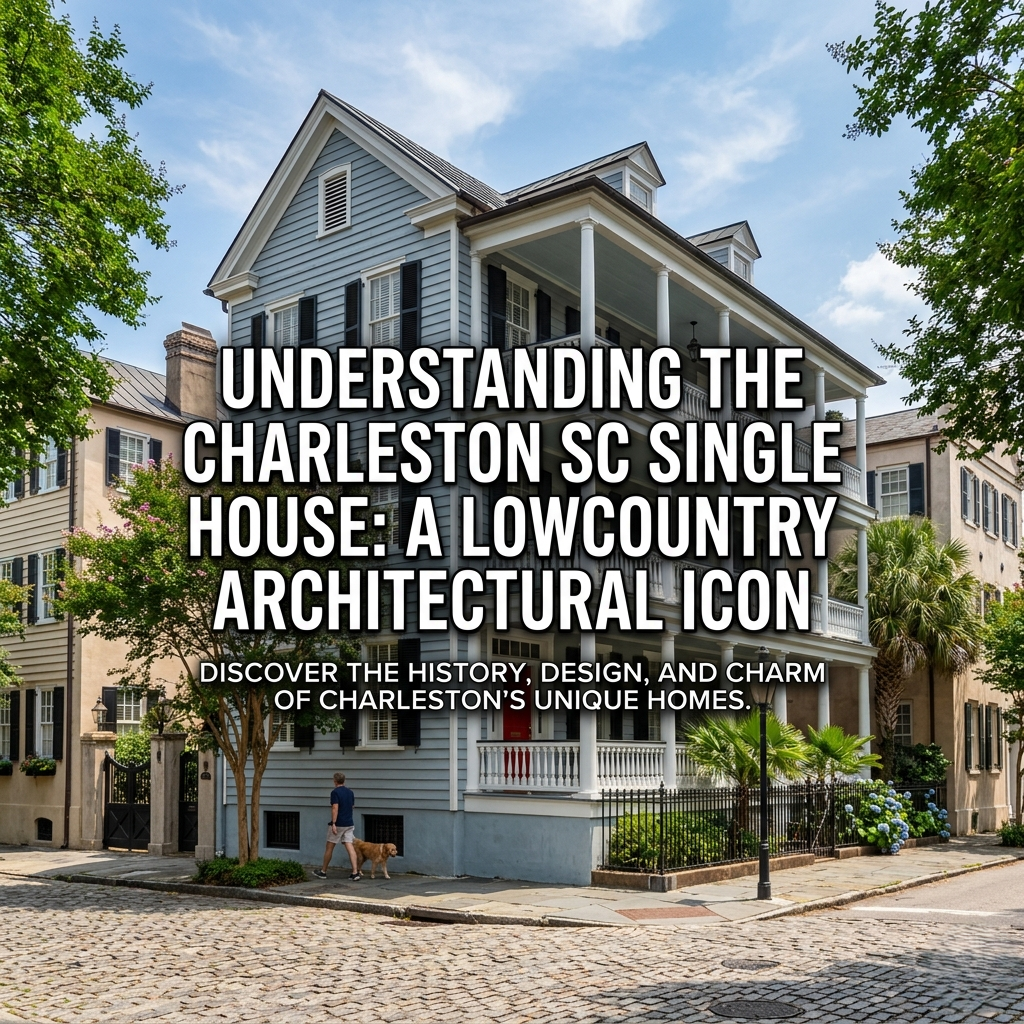
Understanding the Charleston Single House: A Lowcountry Architectural Icon

If you have ever wandered the streets of downtown Charleston, you have walked past dozens, maybe hundreds, of Charleston single houses without realizing it. The narrow side, the long porch, and the front door that does not open to the street are all part of one of the most distinctive home designs in American architecture. For anyone exploring historic Charleston as a place to live, invest, or simply admire, understanding the Charleston single is essential. It tells the story of the city in a way no other house style can.

Why Charleston Has a House Style All Its Own

Charleston's geography forced creativity. The peninsula's narrow lots, long and skinny like piano keys, encouraged builders to turn houses sideways. The hot, humid climate demanded shade and airflow. Privacy mattered in a tight urban grid where homes sat shoulder-to-shoulder. Out of those constraints, the Charleston single house emerged in the 1700s and quickly became the dominant residential design throughout the historic district. It is the rare American house style that solved local problems so well, it never had to leave home to become famous.

The Defining Features of a Charleston Single

While there is no single rulebook, most Charleston singles share a recognizable set of traits.

One Room Wide, Two or Three Rooms Deep

The home turns its narrow side toward the street. Inside, rooms stack lengthwise rather than side-by-side. This layout pulls breezes through the home and keeps living spaces shaded by the porch.

The Iconic Side Piazza

The long porch, called a piazza in Charleston, runs the length of the home on its south or west-facing side. It is more than decoration. The piazza shades interior rooms in the afternoon, catches prevailing breezes, and serves as outdoor living space year-round.

The Hidden Front Door

Visitors to Charleston are often confused when they realize the door facing the street opens onto the piazza, not the house itself. This "false" front door creates a private outdoor entry and signals to neighbors whether the family is open to company. If the door is open, you are welcome. If it is closed, the household prefers privacy that day.

High Ceilings and Tall Windows

Ceilings often soar to 10 or 12 feet, and tall windows on the piazza side draw in light and airflow. Many singles were built with windows aligned across rooms to allow cross-ventilation when shutters were opened.

Distinctive Materials and Detailing

Older Charleston singles use brick, hand-hewn timbers, plaster walls, and heart pine floors. Decorative ironwork on gates and balconies, classical columns on the piazza, and shutters that actually work are common touches that give the homes their character.

Understanding the Charleston SC Single House: A Lowcountry Architectural Icon

Where to Find Charleston Singles

The largest concentration sits within the historic district of downtown Charleston, especially in neighborhoods like South of Broad, Harleston Village, Ansonborough, and the French Quarter. As you move outside the original peninsula, you will see the influence of the design carried into newer construction in nearby cities, but the true historic stock remains downtown.

Living in a Charleston Single Today

Modern owners love these homes for the same reasons they have stood for over two centuries. They live larger than they appear from the street. The piazza becomes a true second living room from spring through fall. Cross-breezes still work as designed, especially in homes where original windows and layouts have been preserved. And the historic detailing simply does not exist in newer homes anywhere else.

What Buyers Should Know

Owning a Charleston single also means understanding the realities of historic homeownership. The Board of Architectural Review oversees exterior changes within the historic district, which protects character but also restricts what owners can do. Older systems, including electrical, plumbing, and HVAC, often need updates. Wood-framed windows and shutters need maintenance. Insurance, flood considerations, and termite history all need to be reviewed carefully during due diligence.

The Market Value of a True Charleston Single

Authentic Charleston singles command premium pricing, and the best examples are rarely on the market. Buyers often wait years for the right home in the right block to become available. The combination of architectural significance, historic location, and limited supply means values have held up remarkably well over generations. Even within the category, certain features, such as a dual piazza, original heart pine floors, working shutters, and off-street parking, can dramatically affect price.

Charleston Singles in New Construction

Builders throughout the Charleston region have borrowed the Charleston single concept for newer homes. You will see modern interpretations in Mt Pleasant, Daniel Island, and even in master-planned communities further out. These newer versions often offer the look of a Charleston single with the convenience of modern systems, updated layouts, and lower maintenance demands. They are not the same as owning a true 1830s home in the historic district, but they do let buyers enjoy the spirit of the design without taking on the responsibilities of preserving a historic structure.

Why the Charleston Single Still Matters

This house style is more than a curiosity. It is a working solution to Charleston's climate, geography, and culture. The piazza catches the breeze. The hidden front door creates privacy in a dense neighborhood. The long, slender plan slips into a tight lot without losing usable space. Walking past one, you are looking at the result of generations of practical problem-solving, all wrapped in elegant, instantly recognizable form.

Key Takeaways

The Charleston single is one of the most enduring and distinctive home styles in the United States. Its narrow profile, side piazza, and hidden front door are direct responses to the city's climate and the realities of building on narrow downtown lots. Buyers drawn to these homes can expect a premium price, special considerations for historic preservation, and the chance to own a true piece of American architectural history. Whether you fall in love with an original on a downtown street or a modern interpretation in a newer Charleston-area neighborhood, the design itself has stood the test of time for good reason.

Posted in For Buyers
May 20, 2026

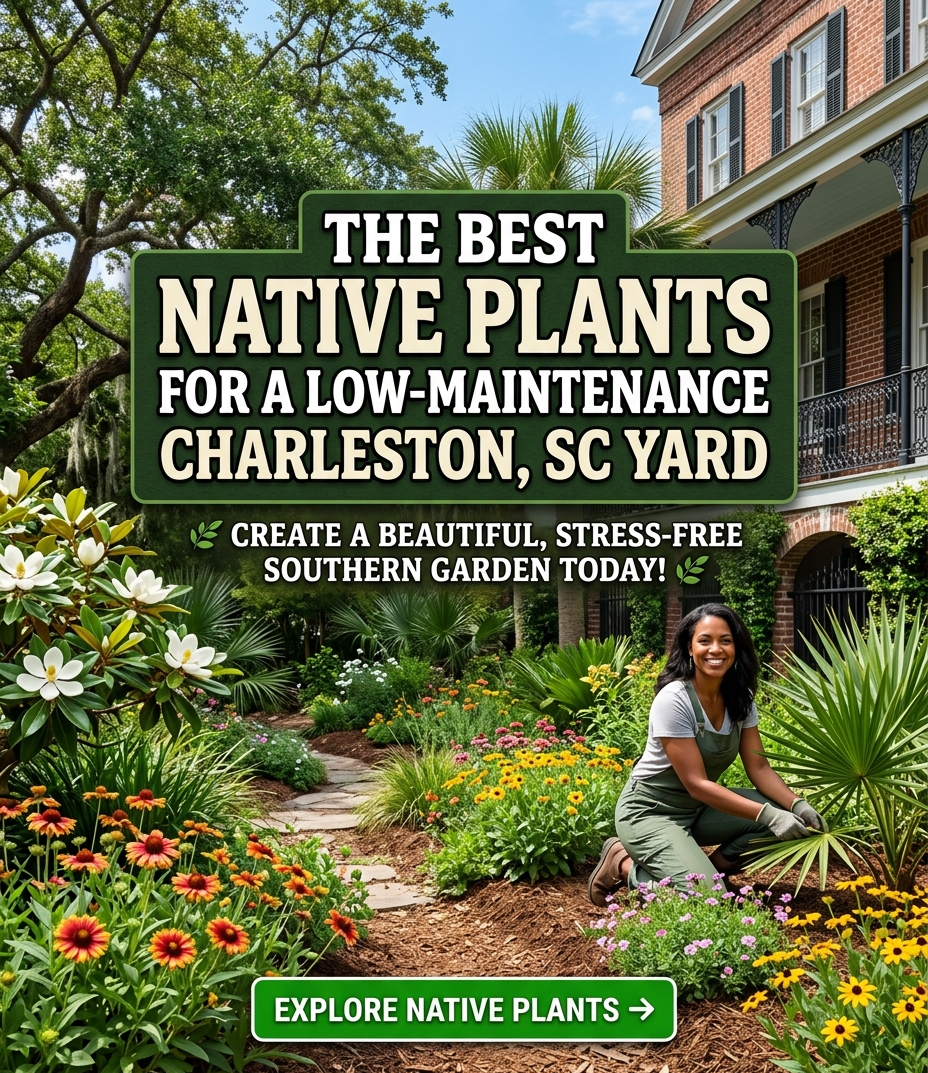
The Best Native Plants for a Low-Maintenance Charleston, SC Yard

One of the great pleasures of owning a home in the Lowcountry is the yard. Tall oaks, fragrant magnolias, and pops of color year-round are part of what makes living in the Charleston area so special. But the climate here is hard on plants that are not built for it. Heat, humidity, salt air, sandy soils, and the occasional cold snap can quickly turn an ambitious landscape into a hot, expensive headache. The smartest solution? Lean on native plants. They thrive with less water, less spraying, and less fuss, which is exactly what most owners of Charleston, SC real estate are looking for.

The Best Native Plants for a Low-Maintenance Charleston

Why Native Plants Make Sense in the Lowcountry

Native plants evolved with the local climate, soil, pests, and pollinators. That means they handle Charleston's humid summers and mild winters with very little intervention. You spend less time watering, less money replacing dead landscaping, and far less effort fighting fungus, mildew, or invasive bugs. They also support local wildlife, from butterflies to songbirds, which is a nice bonus for anyone who enjoys an outdoor lifestyle.

Beyond function, native landscaping looks the part. It pairs naturally with the live oaks, palmetto trees, and marsh views that define the area, whether you are on James Island, in Mt Pleasant, SC, or farther inland in Summerville.

Trees Every Charleston Yard Should Consider

Trees set the tone of the entire landscape, and the Lowcountry has some real winners.

Live Oak

The unofficial mascot of the area. Live oaks grow slowly but live for generations, drape gracefully with Spanish moss, and offer massive shade. If you have a larger lot or are buying a home with a young oak already in place, protect it. Mature oaks add real character and real value.

Southern Magnolia

Glossy evergreen leaves, dramatic creamy white flowers, and a strong Southern personality. Magnolias are durable, beautiful, and very Charleston.

Sabal Palmetto

South Carolina's state tree. The Sabal palmetto is hardy, salt-tolerant, and at home almost anywhere in the Lowcountry. It looks especially good lining a driveway or framing a coastal home.

Shrubs That Thrive Without Constant Care

For year-round structure, native and well-adapted shrubs do most of the heavy lifting in a low-maintenance landscape.

Wax Myrtle

This versatile evergreen shrub or small tree is salt-tolerant, drought-tolerant, and incredibly easy to grow. It works great as a privacy hedge or natural screen.

Yaupon Holly

A native holly that tolerates almost anything Charleston throws at it, including drought, salt, and poor soil. It also responds well to shaping if you like a tidier look.

Inkberry Holly

A more compact alternative to yaupon, inkberry holly is great for foundation planting and low borders. Its dense, evergreen growth makes it a workhorse in any Charleston yard.

Flowering Plants and Perennials

If you want color without the constant maintenance, lean on these proven Lowcountry performers.

Coreopsis

The South Carolina state wildflower. Yellow blooms, low growth, and very minimal water needs. It is a great choice for sunny, sandy spots.

Black-Eyed Susan

Cheerful, durable, and drought-tolerant. Black-eyed Susans bloom from summer into fall and bring pollinators to the yard.

Beach Sunflower

Especially helpful for homes near the coast on Folly Beach and other beach communities. It loves sandy soil and sunshine and rarely needs supplemental watering.

Muhly Grass

This ornamental native grass turns into clouds of pink in the fall. It thrives with very little attention and softens the look of formal landscaping.

Ground Covers and Erosion Control

For shaded yards or sloped sections, native ground covers can solve problems while keeping maintenance low.

Partridgeberry

A low-growing evergreen that handles shade beautifully under live oaks. Perfect for natural areas where lawn grass simply will not thrive.

Liriope

While not strictly native, liriope is naturalized in the South, holds slopes well, and tolerates Charleston's climate without complaint. It is widely used in coastal landscaping for good reason.

Plants to Avoid or Use With Caution

Some of the most popular landscape plants in other regions struggle in the Lowcountry or create more work than they are worth. Boxwoods often fight fungus in Charleston's humidity. Dwarf Alberta spruces frequently scorch in the summer heat. And anything labeled "deer resistant" is still worth double checking with a local nursery, since the Lowcountry deer population is opinionated.

Pulling It All Together

The best Charleston yards build a layered look. Start with native trees for shade and structure, fill in with hardy evergreen shrubs, add color through native perennials, and finish with ground covers where you would otherwise fight to grow grass. The end result feels intentional, looks great year-round, and asks for very little from you.

Local Lifestyle and Curb Appeal

Native landscaping is also a smart move for sellers. A clean, healthy yard with mature, well-chosen plants signals that the home has been cared for, and it photographs beautifully for listings. Buyers walking up to a home in historic Charleston or a coastal neighborhood expect that classic Lowcountry look. Native plants deliver it without forcing future owners to chase a complicated maintenance schedule.

Key Takeaways

Choosing native plants is one of the simplest ways to make your Charleston yard easier to live with and more beautiful year-round. They handle the humidity, the salt air, the sandy soils, and the heat with far less help than non-native varieties. Whether you are settling into a new build, freshening up the landscape on an older home, or preparing to sell, a mix of native trees, shrubs, perennials, and ground covers gives you the classic Lowcountry look while saving time, money, and water in the long run.

Posted in Lifestyle, Tips and DIY
May 19, 2026

How to Choose the Right Homeowner's Insurance for Coastal South Carolina

Coastal South Carolina is one of the most desirable places in the country to own a home, but it also comes with some of the trickiest insurance considerations. Between hurricane exposure, flood zones, salt air, and aging building stock, putting the right policy in place is just as important as finding the right home. Whether you are eyeing oceanfront property in Folly Beach, an inland family home in Summerville, or a downtown historic single, understanding how coastal insurance works is critical to protecting your investment in Charleston, SC real estate.

Why Coastal Insurance Is Different

Standard homeowner's insurance in inland states typically rolls most major perils into a single policy. Along the South Carolina coast, you often need multiple layers of coverage. Wind, flood, and standard homeowner's coverage may all come from different carriers or different policies. Understanding the difference, and confirming what each policy actually covers, is one of the most important steps a new coastal owner can take.

The Three Coverages You Need to Know

Standard Homeowner's Insurance

This covers the dwelling, contents, liability, and other typical perils like fire, theft, and certain water damage from things like burst pipes. Along the coast, however, the standard policy usually excludes wind and flood, which are major reasons to live near the water.

Wind and Hail Coverage

In many coastal South Carolina zip codes, wind and hail damage is excluded from standard homeowner policies and must be covered separately. Coverage often comes from the South Carolina Wind and Hail Underwriting Association or from specialty carriers. Hurricane deductibles tend to be much higher than regular deductibles, often calculated as a percentage of the home's insured value rather than a fixed dollar amount.

Flood Insurance

Flood is never covered under a standard homeowner's policy. It must be purchased separately, typically through the National Flood Insurance Program or a private flood insurer. Lenders require flood insurance for any home located in a Special Flood Hazard Area, and many coastal buyers carry it even when not technically required, because flooding does not respect FEMA map lines.

How Flood Zones Work in the Charleston Area

FEMA flood maps divide the Lowcountry into different zones based on flood risk. Zones starting with A or V are considered Special Flood Hazard Areas, which trigger mandatory flood insurance for federally backed loans. Zones starting with X are considered lower risk but not no-risk. Charleston homeowners in X zones still routinely buy flood policies because storm surge, heavy rain, and street flooding can affect homes anywhere in the region.

Buyers in beach communities like Isle of Palms and other oceanfront areas should expect higher base premiums and additional considerations like elevation certificates, which can dramatically affect what a flood policy actually costs.

Why Elevation Matters So Much

For flood-zone properties, the home's first finished floor elevation can make a huge difference in your premium. Homes built well above the base flood elevation often pay far less than homes that sit lower. Elevation certificates, prepared by a licensed surveyor, document this and are commonly used to set or lower flood rates. If you are buying a home in a flood zone, ask whether an elevation certificate exists and whether it can be updated.

What Influences Your Insurance Cost

Location and Risk Profile

The closer you are to open water, the more you should expect to pay for wind and flood coverage. Wind premiums on barrier islands are significantly higher than premiums inland, and flood premiums climb quickly in higher-risk zones.

Age and Construction of the Home

Newer homes built to modern coastal building codes, including hurricane straps, impact-rated windows, and elevated foundations, often qualify for premium credits. Older homes with original roofs, unprotected windows, and limited storm hardening typically cost more to insure.

Roof Age and Condition

This is one of the biggest swing factors. Newer roofs, properly nailed and inspected for wind mitigation features, can result in significant discounts. Older or worn roofs can drive premiums up or even cause carriers to decline coverage.

Claims History

Both the property's claims history and the buyer's personal claims history matter. A CLUE (Comprehensive Loss Underwriting Exchange) report can help reveal past claims that may impact pricing or insurability.

How to Choose the Right Homeowner's Insurance for Coastal South Carolina

Common Coastal Insurance Mistakes

The most common mistake is assuming a standard homeowner's policy covers everything. Hurricane winds, storm surge, and flooding from rising water are commonly excluded and require separate policies. Another common mistake is underinsuring the contents or rebuild value of the home. With construction costs rising, many older policies are dramatically out of date in terms of replacement cost. Failing to review wind, flood, and standard coverage limits together can also leave significant gaps that only become obvious after a storm.

What to Do Before You Close

Get Quotes Early

Insurance is no longer a final-week formality. Especially during hurricane season, when many carriers temporarily pause new policies before a named storm forms, lining up coverage early is essential. Start the conversation with a coastal insurance agent as soon as you go under contract.

Verify Flood Zone Status

Confirm the home's flood zone, check whether the seller has an existing flood policy that can be assumed at favorable rates, and review any elevation certificate that may be available.

Understand the Deductibles

Hurricane deductibles can be five percent or more of the dwelling coverage. On a higher-priced coastal home, that can be a meaningful out-of-pocket expense. Know what you would be responsible for before signing on the dotted line.

Strategy for Buyers

If you are serious about coastal South Carolina living, work with a local insurance professional who writes a lot of policies in the Charleston area. They understand local risk patterns, current carrier appetites, and recent changes to wind and flood programs. A great insurance agent will help you compare apples-to-apples coverage, not just headline premiums, and will set you up to be properly protected when the next storm season rolls around.

Key Takeaways

Coastal South Carolina homeowner's insurance is more involved than what most newcomers expect, but it does not have to be intimidating. The key is to understand that standard, wind, and flood coverages are often separate products, that flood zones and elevation drive a significant portion of cost, and that newer or storm-hardened homes tend to insure more affordably. Get quotes early, work with a coastal specialist, and review your coverages each year as your property and the market evolve.

Frequently Asked Questions

Do I need flood insurance if I am not in a flood zone?

It is not required by lenders if the home sits outside a Special Flood Hazard Area, but many Charleston-area homeowners still carry a flood policy. Heavy rain, storm surge, and street flooding can affect homes in X zones as well, and premiums for lower-risk zones are typically much more affordable.

What is a hurricane deductible and how is it calculated?

A hurricane deductible is a special, often percentage-based deductible that applies when a named storm causes damage. Instead of a fixed dollar amount, it may be calculated as two percent, five percent, or more of the dwelling coverage limit. On a higher-valued home, that can be a significant amount, so understand it before closing.

Can I assume the seller's existing flood policy?

In some cases, yes. NFIP flood policies can be transferred to a new owner, sometimes preserving favorable rates that may not be available on a brand-new policy. Always ask your insurance agent and the seller to discuss whether this is possible for the specific property.

Will a new roof actually lower my insurance premium?

Often, yes. A newer roof, properly installed with appropriate wind mitigation features, can earn meaningful credits with many carriers. Ask your agent about wind mitigation inspections and any documentation needed to capture available discounts.

How early should I get insurance quotes when buying a coastal home?

Start as soon as you have an accepted contract, especially during hurricane season. Many carriers pause new policy binding when a named storm threatens the coast, and waiting until the last week before closing can leave you scrambling.

Posted in For Buyers
May 18, 2026

Best Golf Courses in Greater Charleston, SC: From Kiawah to Dunes West

The Charleston region is one of the best golf destinations in the country, and locals know it. Within an easy drive from downtown, you can play oceanfront championship layouts, classic Lowcountry parkland courses, and modern designs winding through pine forests and marsh. For buyers who want golf woven into everyday life, the area also offers some of the most desirable golf course communities in the Southeast. Whether you are house hunting in Charleston, SC real estate or just planning your next round, here is a closer look at the courses that define the local golf scene.

Why Charleston Is a Top Golf Destination

The mix of climate, terrain, and design talent is hard to beat. The Lowcountry offers year-round playable weather, dramatic marsh and ocean views, and a long tradition of attracting world-class course architects. Add the lifestyle appeal of beach communities, historic neighborhoods, and a steady flow of golfers visiting for tournaments and weekends, and you have a region built for the sport.

 Best Golf Courses in Greater Charleston, SC From Kiawah to Dunes West

Kiawah Island: The Headliner

If you only know one Charleston-area golf name, it is probably Kiawah Island. The Ocean Course at Kiawah is famous worldwide, having hosted the Ryder Cup and multiple PGA Championships. Wind, ocean views, and Pete Dye's brutal design make it an unforgettable round.

Kiawah is more than the Ocean Course. The Cougar Point Course, Turtle Point, Osprey Point, and Oak Point all bring their own personality, ranging from coastal challenges to wooded parkland holes. For golfers considering a home, Kiawah Island real estate opens the door to private resort living, multiple courses, and an extraordinarily walkable beach community.

Seabrook Island: Quiet Luxury

Just next door, Seabrook Island offers a more low-key version of upscale coastal golf life. Crooked Oaks and Ocean Winds, both top-rated courses, sit inside a private gated island community that values quiet, nature, and family-friendly amenities. For buyers who want resort-level golf without the noise of a heavy tourist scene, Seabrook is a perennial favorite.

Mount Pleasant: Dunes West and Beyond

Closer to town, Dunes West is a longtime favorite in Mt Pleasant, SC. The Arthur Hills design winds through wetlands and mature trees with a true Lowcountry feel, and the surrounding neighborhood is one of the most popular places to live in Mount Pleasant. Other strong options nearby include Patriots Point Links, which offers Charleston Harbor views and easy access from across the Ravenel Bridge, and the Snee Farm Country Club, a classic private layout that has been part of the community for decades.

Daniel Island: Country Club Living

The Daniel Island Club offers two highly regarded courses, one designed by Tom Fazio and the other by Rees Jones. The setting is parkland Lowcountry with mature oaks, marsh views, and tree-lined fairways. The course is part of a private club community, and homes inside the gates command a premium for the lifestyle, schools, and proximity to downtown.

Wild Dunes on the Isle of Palms

On the north end of the Isle of Palms, Wild Dunes Resort features the Links Course and the Harbor Course, both with classic coastal challenges. The Links Course wraps along the dunes and tidal marsh, while the Harbor Course offers tighter playing corridors and beautiful tidal-creek vistas. Wild Dunes is a strong fit for buyers looking to combine golf, beach living, and easy weekend rental income potential.

Inland Favorites: Coosaw Creek and Crowfield

Not every great course in the area sits on the coast. Coosaw Creek Country Club in North Charleston and Crowfield Golf Club in Goose Creek both deliver excellent inland play. These tend to offer strong value, family-friendly memberships, and quieter rounds compared to the resort courses. They are also great options for buyers who want golf community living closer to schools, jobs, and shopping in the inland suburbs.

Hidden Gems for Locals

Beyond the marquee names, locals also love a few lesser-known options. Charleston Municipal, on James Island, offers affordable rounds with classic Lowcountry character and is a favorite among in-town golfers. Wescott Plantation in Summerville is a 27-hole semi-private layout with strong value, and Shadowmoss Golf and Country Club in West Ashley has a loyal local following.

Golf Course Communities Worth Considering

Buyers who want golf to be part of daily life have plenty of community choices. Dunes West in Mount Pleasant, Daniel Island, Kiawah, Seabrook, Wild Dunes, Coosaw Creek, Crowfield Plantation, and Wescott all offer real estate inside or adjacent to their courses. Each community comes with its own membership structure, HOA setup, and amenity package, so a careful comparison is well worth your time before falling in love with a specific home.

Lifestyle Beyond the Tee Box

Charleston-area golf communities tend to deliver more than just great courses. Most include pools, tennis or pickleball, fitness centers, walking trails, restaurants, and social calendars that range from quiet to vibrant. For retirees and families alike, these neighborhoods deliver a built-in sense of community that can be tough to find in non-golf neighborhoods.

Strategy for Buyers

If golf is central to your move, define your priorities first. Are you looking for resort-level championship play, quiet private club life, family-friendly amenities, or strong value with a great daily-play option? The answer points to different communities. Talk with your agent about course-specific HOA dues, mandatory club memberships, and resale trends, since some properties carry significant ongoing costs beyond a standard HOA, and those costs influence both monthly affordability and long-term resale.

Key Takeaways

  • - The Charleston area offers a wide range of golf, from championship resort courses on Kiawah and Isle of Palms to private club layouts on Daniel Island, Mount Pleasant, and Seabrook.
  • - Inland options like Coosaw Creek, Crowfield, and Wescott give buyers strong value and easier daily access to schools and jobs.
  • - Golf course communities vary widely in HOA fees, club membership requirements, and amenities, so research carefully before buying.
  • - Course location can affect commute, lifestyle, and resale potential just as much as the design of the course itself.
  • - A local agent who understands these communities can save you time and steer you toward the right fit for your budget and goals.
Posted in Lifestyle
May 15, 2026

James Island, SC: The Eclectic Charm Locals Can't Stop Talking About

If you ask a longtime local about their favorite spot in the Charleston area, there is a good chance James Island will come up in the conversation. Tucked between Downtown Charleston and Folly Beach, this island community has a personality all its own. It blends salty marsh breezes, oak-shaded streets, casual neighborhood bars, and a deep-rooted local pride that you simply do not find in newer planned suburbs. For anyone paying attention to James Island real estate, the appeal is easy to understand once you spend time here.

Why James Island Is Unique

James Island sits in a sweet spot for Charleston living. You can reach Downtown in a matter of minutes, drive to Folly Beach for a sunrise paddle, and still come home to a quiet neighborhood with mature trees and waterfront views. The island carries a creative, slightly bohemian vibe that long-term residents have worked hard to preserve. You will see surf racks on Subarus, garden flags out front, and locally owned restaurants that have been around for decades.

Compared to areas like Mount Pleasant, James Island feels less polished and more lived-in, in the best possible way. The community is diverse in age, background, and architecture, which is exactly what gives it that eclectic edge.

James Island, SC The Eclectic Charm Locals Can't Stop Talking About

Understanding Today's James Island Buyer

Buyers drawn to James Island fall into a few clear groups. Families love the strong sense of community, the access to parks, and the proximity to good schools. Young professionals appreciate the easy Downtown commute and the walkable corner-bar feel of neighborhoods like Riverland Terrace. Out-of-state buyers relocating to the Lowcountry often choose James Island when they want a more authentic, less manicured slice of Charleston living than what they would find in a brand new construction enclave further north.

Investors also keep a steady eye on the area. With limited inventory and rising demand, well-located homes near the marsh, the Greenway, or established neighborhoods can be solid long-term holds.

Market Conditions on James Island

The James Island market continues to behave a little differently from the rest of Charleston, SC real estate. Because the island is geographically defined, you simply cannot keep building outward, and that constraint puts steady pressure on prices. Homes in older, central neighborhoods often sell quickly when priced correctly, while waterfront and marsh-front properties tend to command premium pricing.

What to Expect on Price

You will find a wide range here, from charming mid-century ranches and updated bungalows to large custom homes tucked along tidal creeks. Buyers on a moderate budget can still find opportunities in the interior pockets of the island, while luxury buyers gravitate toward waterfront lots with deep-water access or panoramic harbor views.

How Homes Sell

Well-presented homes that highlight outdoor living, mature landscaping, and any water or marsh views tend to sell faster. Sellers who price strategically and stage with the island's relaxed lifestyle in mind usually see the strongest results.

Home Features That Matter on James Island

Outdoor space is a big deal here. Screened porches, fenced yards, large oaks, and dock access for marsh-front and creek-front homes can significantly increase value. Updated kitchens, hardwood floors, and energy-efficient HVAC systems also do well, especially in homes built before the early 2000s, since the climate is hard on older systems. Garages and storage for boats, paddleboards, and bikes are practical features that resonate with the lifestyle of James Island buyers.

Local Lifestyle and Community Appeal

James Island's lifestyle is what truly sets it apart. The county park hosts the Holiday Festival of Lights every winter, paddlers slip into the marsh from local boat ramps on any clear morning, and Riverland Terrace alone is known for its casual restaurants and Sunday morning community feel during the warmer months. Locals fish from the bridges, kayak the creeks, and grab a beer at neighborhood pubs that have been pouring for years.

The island also offers easy access to Folly Beach, which is just over the connector, plus a quick drive to historic Downtown Charleston for dining and culture.

Costs, Risks, and Practical Considerations

As with most coastal communities in the Lowcountry, flood zones, wind insurance, and elevation are all worth investigating before you make an offer. Some properties on James Island sit in higher-risk flood zones, which can affect insurance costs and resale value. A trusted local insurance agent and lender can save you headaches by walking you through the details before closing.

Older homes may also require updates to plumbing, electrical, and HVAC, so a thorough home inspection is essential. Buyers should budget for the realities of coastal living, including periodic exterior maintenance and tree care.

Strategy for Buyers

If you are serious about buying a home in James Island, work with a local agent who understands the difference between Stiles Point, Riverland Terrace, Country Club, and the marsh-front neighborhoods. Pricing, flood exposure, and even traffic patterns can vary significantly block by block. Get pre-approved early, define your must-haves, and be ready to act when the right home hits the market, because inventory in the most desirable pockets moves quickly.

Key Takeaways

James Island offers an authentic, eclectic Lowcountry lifestyle that is hard to replicate elsewhere in the Charleston area. With limited inventory, strong long-term demand, and a personality that locals fiercely protect, the island remains one of the most rewarding places to put down roots near Downtown. Whether you are after a creek-front retreat, a family home near good schools, or a quiet bungalow with a screened porch, James Island has something that fits, as long as you plan carefully and work with someone who knows the area.

Posted in For Buyers
May 14, 2026

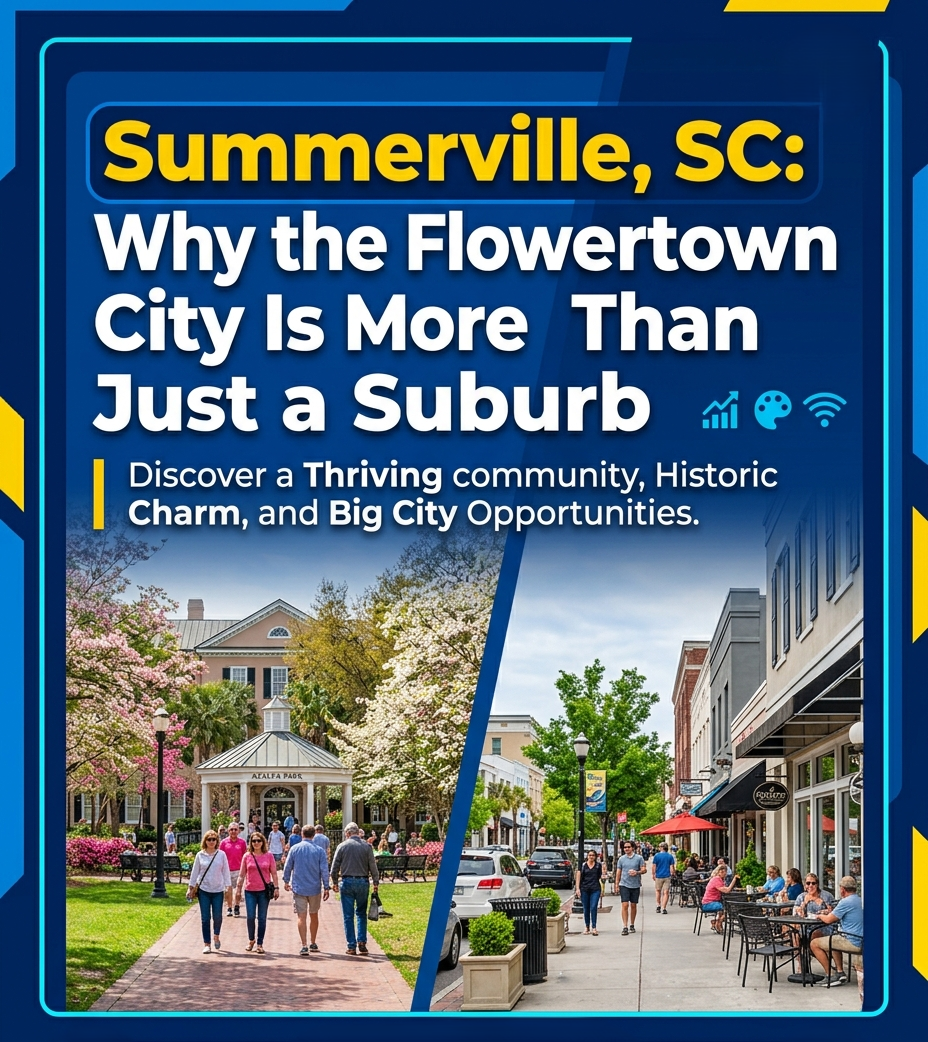
Summerville, SC: Why the Flowertown City Is More Than Just a Suburb

It is easy to think of Summerville as just another Charleston suburb, but anyone who actually spends time here knows better. Nicknamed the Flowertown City for its blooming azaleas, towering pines, and small-town charm, Summerville carries its own identity, history, and lifestyle that set it apart from the rest of the region. For families relocating to the Lowcountry, retirees searching for an easier pace, and investors looking at growth corridors, Summerville real estate deserves a serious look on its own terms.

Why Summerville Is Unique

Summerville sits inland from the coast, tucked among tall pines and rolling residential streets that feel a world away from busy Downtown Charleston. The town traces its roots back to the 1700s, when Lowcountry families escaped the humid summer air and mosquitoes by heading to the higher, drier pine forests. That history still shows up in the historic district, where shaded streets, classic Southern homes, and walkable shops give the city a unique sense of place.

Today, Summerville blends that historic charm with rapid, well-managed growth. New construction communities, top-rated schools, and a strong jobs base, including Volvo and Boeing nearby, have made it one of the most popular places to call home in the Charleston region.

Understanding Today's Summerville Buyer

Buyers drawn to Summerville fall into a few clear groups. Families love the schools, the parks, and the slightly lower price point compared to Mt Pleasant or Daniel Island. Retirees are drawn to active adult communities, tree-lined streets, and a calmer pace of life. Out-of-state buyers relocating for work at Boeing, Volvo, or Mercedes-Benz Vans often land here because of the commute and the value. And first-time buyers find Summerville is one of the few places in the area where you can still get a meaningful amount of home for the money.

Market Conditions in Summerville

The Summerville market continues to be one of the fastest-growing in the Charleston metro area. New construction has expanded into mega-communities like Nexton, Cane Bay, and Carnes Crossroads, while established neighborhoods inside the older parts of town continue to hold their value. Demand from out-of-state buyers and job-driven relocations keeps inventory moving, though specific neighborhoods can swing between buyer's and seller's market behavior depending on the season and price point.

What to Expect on Price

Summerville offers something for almost every budget. You will find entry-level townhomes and starter homes in the low to mid ranges, family-friendly homes in the mid range, custom builds and acreage in higher tiers, and luxury homes in pockets like Tea Farm, Pine Forest, and parts of Nexton. As you move further into newer master-planned communities, expect a wider range of floor plans and lot sizes.

What Tends to Sell Well

Move-in-ready homes with updated kitchens, screened porches, and well-kept yards tend to perform best. In newer communities, lot premiums for cul-de-sacs, pond views, and wooded buffers make a real difference at resale.

Why the Flowertown City Is More Than Just a Suburb

Home Features That Matter in Summerville

Buyers here lean on a few common priorities. Outdoor living space matters, whether that is a screened porch, an extended back patio, or a fenced yard for kids and pets. Smart layouts that handle large families and frequent guests are popular, as Charleston is a top travel destination and visitors are a regular part of life. Garages with room for storage, plus modern HVAC and energy efficiency, also stand out, particularly in older homes built in the 1970s and 1980s.

Local Lifestyle and Community Appeal

Summerville has the kind of community feel that is increasingly rare in fast-growing areas. The historic downtown is full of small, locally owned restaurants, shops, and breweries, and Hutchinson Square anchors weekend events, farmers' markets, and concerts. The annual Flowertown Festival each spring is a beloved tradition that draws thousands. Azalea Park, Wescott Golf Club, and the network of YMCAs and rec centers make outdoor and family activities easy.

Even with the growth, the town has worked to preserve its character. Tall pines, oak-lined streets, and pocket parks still define many neighborhoods. For buyers used to Charleston's historic district feel, Summerville offers a more affordable, family-friendly version of that same Lowcountry charm.

Costs, Risks, and Practical Considerations

Summerville is generally outside the most flood-prone parts of the Lowcountry, though pockets near creeks, ponds, and stormwater areas can still require closer flood and insurance review. Buyers should also pay attention to county lines. Parts of Summerville fall in Dorchester County, while others are in Berkeley or Charleston County, which affects taxes, schools, and services. HOA fees in newer communities should be reviewed carefully, since amenities and yard maintenance can vary significantly between neighborhoods.

Traffic on Highway 17A and Interstate 26 is the other common surprise for newcomers. Commutes from far-out neighborhoods to downtown can stretch during rush hour, so testing your actual drive at the time you'd be commuting is smart due diligence.

Strategy for Buyers and Sellers

For buyers, getting a clear sense of which subdivision fits your lifestyle is the most important step in Summerville. Cane Bay, Nexton, Carnes Crossroads, The Ponds, Legend Oaks, and the historic district all offer very different experiences. A local agent who knows the differences in HOA rules, school districts, and price-per-square-foot trends will save you a lot of time. For sellers, pricing strategy and presentation matter, especially in neighborhoods with active new construction inventory nearby.

Key Takeaways

Summerville is far more than a bedroom community for Charleston. With deep historic roots, a growing job market, a wide range of price points, and a true small-town personality, it stands on its own as one of the most appealing places to live in the Lowcountry. Whether you are looking for a brand-new home in a master-planned community, a classic older home under the pines, or a long-term investment in a growth corridor, the Flowertown City has options worth taking seriously.

Posted in For Buyers
April 22, 2026

North Charleston Neighborhoods Buyers Are Watching Closely in 2026

North Charleston has quickly evolved from a “budget alternative” to one of the most closely watched real estate markets in the Charleston metro. With relative affordability, ongoing redevelopment, and proximity to major employers, it’s no surprise that buyers, sellers, and investors are paying attention.

In fact, the median home price in North Charleston reached roughly $409,000 in early 2026—up nearly 20% year-over-year, signaling strong demand despite broader market fluctuations. Meanwhile, average home values still hover around the low $300,000s depending on the metric, keeping the area accessible compared to nearby luxury markets.

If you’re looking to buy, sell, or invest, here are the North Charleston neighborhoods drawing the most attention—and why they matter right now.

North Charleston's real estate transformation and growth story

1. Park Circle: The Lifestyle Hotspot

Park Circle has become the poster child for North Charleston’s transformation.

Why buyers love it:

  • Walkable streets, restaurants, breweries, and parks
  • Strong demand from young professionals
  • Increasing property values driven by lifestyle appeal

Investment outlook:

Park Circle is one of the most competitive submarkets, making it ideal for appreciation-focused buyers. However, pricing has risen quickly, so investors should evaluate entry points carefully.

2. Dorchester Corridor: Growth Meets Accessibility

Stretching along Dorchester Road, this area offers a mix of established neighborhoods and new development.

Key highlights:

  • Easy access to I-26 and major employers
  • Variety of price points (entry-level to mid-range)
  • Increasing interest from first-time buyers

Why it matters:

With median home values in North Charleston around $309K–$350K depending on the dataset, this corridor remains one of the best entry points into the market.

3. Northwoods & Windsor Hill: Suburban Stability

These established communities are attracting buyers looking for space, schools, and value.

What stands out:

  • Larger lots and traditional single-family homes
  • Consistent demand from families
  • More stable pricing compared to trendier areas

Investor angle:

These neighborhoods are strong candidates for long-term rental properties, thanks to steady tenant demand and lower volatility.

4. Ashley Phosphate Area: Investor-Friendly Territory

This area continues to attract attention from investors seeking affordability and rental yield.

Why investors are watching:

  • Lower acquisition costs
  • Proximity to retail, jobs, and transportation
  • High rental demand

Market insight:

As inventory has increased by over 25% year-over-year in the broader market, buyers in these areas may find more negotiating power.

5. Emerging Neighborhoods: Hidden Opportunities

Several smaller neighborhoods are quietly gaining traction, including:

  • Village Green
  • Shadowmoss
  • Hickory Hill
  • Westborough

These areas show mid-range home values (often $400K–$500K+), signaling upward movement and growing buyer confidence.

Why they matter:

These neighborhoods often represent the “next wave”—offering better value today with strong upside potential.

What This Means for Buyers, Sellers, and Investors

For Buyers

  • You still have opportunities—especially outside Park Circle
  • Rising inventory means more choices and potential negotiation leverage
  • Focus on neighborhoods with long-term growth drivers (location + development)

For Sellers

  • Pricing strategy matters more than ever
  • Homes in desirable neighborhoods still move quickly, but buyers are more selective
  • Upgrades and presentation can significantly impact sale price

For Investors

  • North Charleston remains one of the best value markets in the Charleston region

Look for:

  • Rental-friendly neighborhoods
  • Properties near job centers
  • Areas undergoing redevelopment

Final Thoughts: Where the Smart Money Is Going

North Charleston is no longer “up-and-coming”—it’s actively evolving, and savvy buyers are positioning themselves now.

  • Want appreciation? → Focus on Park Circle and emerging hotspots
  • Want cash flow? → Look toward Ashley Phosphate and Dorchester Corridor
  • Want stability? → Consider Northwoods and Windsor Hill

As the Charleston region continues to grow—posting steady price increases and rising demand—North Charleston stands out as a market where opportunity and accessibility still intersect.

Posted in For Buyers