Welcome to our Charleston Real Estate Blog!

We will use this space to show our newest listings of available properties for sale in Charleston, Summerville, Mount Pleasant, and the islands. If you see something you like, call or contact us quickly to get your dream home in Charleston SC!

June 9, 2026

Understanding Elevated Construction and Flood Zones in the Charleston Lowcountry

The Charleston region is famously beautiful, but it is also famously low. With a name like the Lowcountry, that should not be a surprise. For homeowners and buyers, that low elevation has practical implications. Flood zones, FEMA maps, base flood elevations, and elevated construction shape how homes are built, insured, and priced across the region. Understanding the basics will save you time, money, and headaches when exploring Charleston, SC real estate, whether you are looking at a downtown historic home, a marsh-front property, or a coastal beach cottage.

Why Elevation Matters in the Lowcountry

The Charleston peninsula and surrounding areas sit only a handful of feet above sea level in many spots. Tidal cycles, storm surge from hurricanes, and major rain events can quickly send water into low-lying yards, streets, and structures. Modern construction practices, flood insurance pricing, and building code requirements all respond to this reality. The higher above the projected flood level your home is, the better protected it tends to be against damage and the more affordable it can be to insure.

What Are FEMA Flood Zones?

FEMA flood maps divide the country into zones based on flood risk. In the Charleston area, the most common zones you will hear about fall into a few categories.

Zones A and AE

These represent Special Flood Hazard Areas with a 1 percent annual chance of flooding. Mortgage lenders require flood insurance in these zones, and many homes here are built on raised foundations or pilings.

Zones V and VE

These are coastal zones subject to wave action from storms, generally found on or near the beaches and barrier islands. Building requirements are even more stringent, and insurance premiums tend to be higher.

Zone X

Considered lower risk by FEMA, Zone X is outside the Special Flood Hazard Area. Lenders typically do not require flood insurance here, though many Charleston-area owners still carry policies because actual flood risk does not perfectly follow map boundaries.

What Is Elevated Construction?

Elevated construction simply means the home is built so that the lowest occupied floor sits above a defined flood elevation, typically the Base Flood Elevation, or BFE, set by FEMA for that location. In the Lowcountry, this often takes one of three forms.

Raised on Pilings

Common on barrier islands like Folly Beach, where homes are built on tall pilings to lift the structure above storm surge. The space beneath the home is typically used for parking and storage rather than living space.

Raised Foundation or Crawl Space

Many traditional Lowcountry homes have raised foundations or crawl spaces that lift the first finished floor several feet above grade. This is common in places like Mount Pleasant, James Island, and parts of West Ashley.

Slab on Higher Ground

Newer master-planned communities are often graded to keep the first floor above the BFE without requiring traditional pilings. Slabs are still common in higher-elevation neighborhoods, though most modern coastal builders favor crawl spaces or raised foundations.
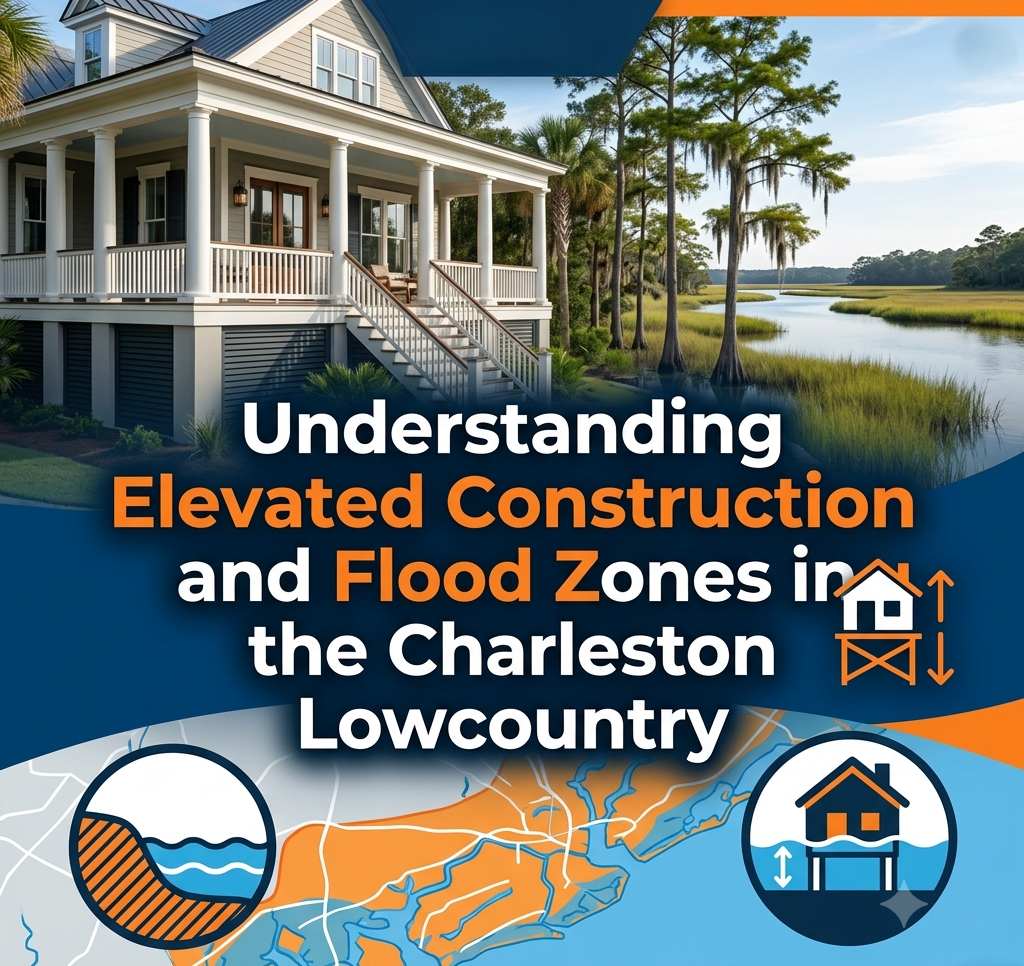
Understanding Elevated Construction and Flood Zones in the Charleston Lowcountry

Base Flood Elevation and Freeboard

BFE is the height to which floodwaters are projected to rise during a 1 percent annual chance event. Many municipalities now require homes to be built one or more feet above BFE, a concept called freeboard. Charleston, Mount Pleasant, and other local governments have steadily increased freeboard requirements as flood risks become better understood. Higher freeboard generally means a more resilient home and potentially lower flood insurance premiums.

Why Elevation Affects Insurance Costs

Flood insurance premiums under the National Flood Insurance Program and private insurers depend heavily on how high the home sits relative to BFE. A home with an elevation certificate showing the first floor is two or three feet above BFE may pay dramatically less than an identical home built at or below BFE. Modern flood pricing under FEMA's Risk Rating 2.0 system continues to reflect these structural differences with even more precision.

For buyers shopping in Isle of Palms or other coastal areas, asking for an existing elevation certificate during due diligence is one of the smartest moves you can make.

Common Mistakes Buyers Make

The biggest mistake is assuming a Zone X property has no flood risk and skipping a flood policy entirely. Modern storms have shown repeatedly that water can move into homes far outside the Special Flood Hazard Area. The next most common mistake is failing to request an elevation certificate, which can lock buyers into higher insurance costs that could have been avoided. Finally, many buyers assume that older homes meet current elevation standards. They often do not, and that can affect both insurance pricing and future renovation requirements.

What Sellers Should Know

Sellers benefit from being transparent about flood history, elevation certificates, and existing flood policies that may be transferable. A clean and well-documented flood profile can be a meaningful selling point in today's market, particularly with out-of-state buyers and lenders increasingly focused on resilience. Pre-listing inspections, updated elevation certificates, and disclosure of any past flood claims help build buyer confidence.

Strategy for Buyers in the Charleston Region

Before falling in love with a specific property, request the flood zone, ask about base flood elevation and any existing elevation certificate, and run preliminary insurance quotes. Discuss how the home was built and whether it meets or exceeds current elevation requirements. If the home is in a Zone A, AE, or V area, plan to budget for flood and wind insurance as a real, ongoing cost of ownership. And whether the home is on a barrier island, the peninsula, or in a more inland suburb, work with a Realtor and insurance agent who understand coastal South Carolina, not generic flood guidance from outside the region.

Key Takeaways

Elevated construction and flood zones are not optional topics in the Charleston Lowcountry. They are central to how homes are built, insured, and valued throughout the region. Understanding FEMA zones, base flood elevations, freeboard, and elevation certificates puts buyers in a stronger position to make smart decisions and avoid expensive surprises. For sellers, transparency about flood history, elevation, and insurance can support stronger marketing and smoother closings. Either way, working with local professionals who understand the realities of building, buying, and selling in coastal South Carolina is the most important step.

Frequently Asked Questions

How do I find out what flood zone a Charleston home is in?

Your Realtor and insurance agent can pull the FEMA flood zone for any specific property using its address. The Charleston County GIS system and FEMA's flood map tools also let you check zones directly.

What is an elevation certificate and why does it matter?

An elevation certificate is a document prepared by a licensed surveyor that records key elevations of the home relative to the Base Flood Elevation. It can significantly affect flood insurance pricing and is often a key resource during home transactions in higher-risk zones.

Do all Charleston homes need flood insurance?

Lenders require flood insurance for homes in Special Flood Hazard Areas. While not required in Zone X, many homeowners in the Charleston region still carry it because flooding can affect homes outside the mapped high-risk zones.

Can I lower flood insurance with a new elevation certificate?

Often, yes. If a current elevation certificate shows the home sits higher relative to BFE than the existing rating reflects, your insurance carrier may be able to reprice the policy. Ask your insurance agent whether a new certificate could save you money.

Are homes on pilings safer than homes on slabs in the Lowcountry?

Generally, yes, for properties in high-risk coastal zones. Pilings keep the living space above potential storm surge, which can dramatically reduce damage during major storms. However, the right answer depends on the property's specific location and flood zone.

 

Greg Harrelson Century 21 Greg Harrelson is a seasoned Realtor® with more than 30 years of experience serving the Carolina markets. As the founder of Century 21 The Harrelson Group, Greg has built his career helping buyers, sellers, and investors achieve success in every corner of the coastal Carolina real estate market. His expertise spans residential homes, investment properties, land development, and coastal condos. Known for his deep local knowledge, innovative marketing strategies, and commitment to personal service, Greg consistently helps clients reach their real estate goals while navigating the ever-changing market with confidence and precision.
June 8, 2026

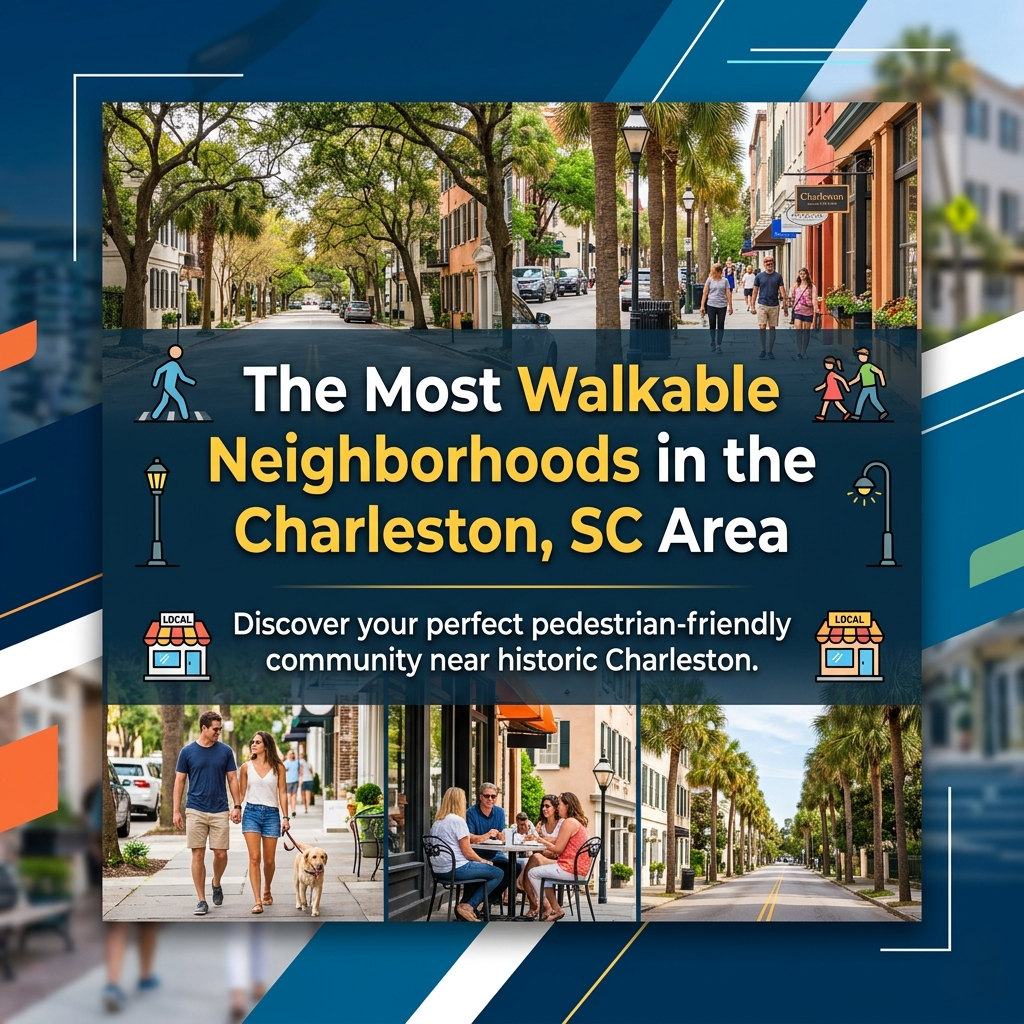
The Most Walkable Neighborhoods in the Charleston, SC Area

Walkability is one of the most underrated luxuries in any housing market. When you can leave the car parked and walk to coffee, dinner, work, or the waterfront, daily life simply feels better. The Charleston region happens to be one of the best places in the Southeast for walkable living. From the historic peninsula to master-planned suburbs and bike-friendly beach towns, there is a walkable option for almost every lifestyle and budget. For buyers exploring Charleston, SC real estate, knowing where to look is half the battle.

Why Walkability Matters in Charleston

Walkable neighborhoods are not just nice to have. They tend to support stronger long-term home values, deeper community ties, and a healthier daily lifestyle. In a region known for outdoor living, mild weather, and a culture of porch sitting, the walkable factor lines up beautifully with how locals actually want to live. Walkability also reduces wear on cars, lowers the need for second vehicles, and tends to deliver more spontaneous quality time with neighbors and family.

Downtown Charleston: The Original Walkable Lowcountry

The historic peninsula is one of the most walkable downtowns in the country. Cobblestone streets, narrow lanes, and a compact grid mean you can stroll between restaurants, shops, parks, and waterfront views without ever needing your keys.

South of Broad

Some of the most historic and walkable streets in America sit south of Broad Street. Residents walk to the Battery, the harbor, restaurants, and parks. Premium pricing and limited inventory are part of the deal here.

Harleston Village and Cannonborough

Both are tight-knit downtown neighborhoods with quick access to King Street, MUSC, and the College of Charleston. They are popular with professionals, students, and downsizers who want true urban living without leaving the peninsula.

The French Quarter

One of the densest walkable areas in the city, blending historic homes, galleries, restaurants, and quick waterfront access. Many residents do not drive on a typical week.

Mount Pleasant: Walkable Pockets in a Suburban Town

Mount Pleasant overall is more car-friendly than walkable, but it has several genuinely walkable pockets that buyers should know about.

Old Village

Old Village is one of the most walkable neighborhoods outside of downtown. Residents stroll to Pitt Street, Alhambra Hall, and the seawall along the harbor.

I'On

This I'On master-planned community was designed around walkability from day one. Residents walk to shops, restaurants, and pocket parks within the neighborhood, and the community feel is one of the strongest in Mt Pleasant.

Carolina Park and Liberty Hill Farm

Newer Mount Pleasant communities have incorporated walkable design with parks, sidewalks, schools, and small commercial nodes within walking distance.

Daniel Island: Suburban Walkability Done Right

Daniel Island has become a model for walkable suburban living. Sidewalks line nearly every street, the central village hosts shops and restaurants, and parks and trails connect the entire island. Many residents commute by bike or walk to schools, gyms, and lunch spots.

Park Circle in North Charleston

Park Circle is one of the most exciting walkable neighborhoods in the entire region. The central area features restaurants, breweries, coffee shops, a vibrant arts scene, and a community-oriented vibe that has attracted families, young professionals, and creatives in big numbers. Recent investment has further enhanced walkable amenities, with new parks and gathering spaces continuing to expand the area's appeal.

James Island: Riverland Terrace

Riverland Terrace on James Island has become one of the most charming walkable neighborhoods in the region. Locals walk to the public boat landing, neighborhood restaurants, and the Sunday farmers market vibe during the warmer months. It captures that laid-back Charleston charm with a clear sense of community.

West Ashley: Avondale and Byrnes Down

Avondale features mid-century homes within walking distance of restaurants, breweries, and shops along Magnolia Road. The nearby Byrnes Down neighborhood adds to the area's mid-century walkable charm. It has become a favorite for buyers who want walkable urban-village living without paying downtown prices.

Beach Town Walkability

The beach towns of Folly Beach, Sullivan's Island, and Isle of Palms all support walkable, bike-able lifestyles in their central areas. Folly's Center Street, Sullivan's Middle Street, and the IOP Front Beach area all give residents easy car-free access to restaurants, shops, and the beach.

The Most Walkable Neighborhoods in the Charleston, SC Area

What to Look for in a Walkable Home

Beyond location, several home features support a walkable lifestyle. A welcoming front porch makes everyday neighborly contact easy. Garage and bike storage matter for active households. Outdoor living spaces extend the home into the community feel of the street. And homes within a quarter-mile of true destinations like a coffee shop, grocery store, or restaurant tend to deliver the highest day-to-day walkable benefits.

Strategy for Walkable-Lifestyle Buyers

If walkability is high on your list, define what walkable actually means to you. Some buyers want to walk to a corner bar a few nights a week. Others want to walk to work, schools, or daily errands. The right neighborhood looks different depending on your priorities. Tour neighborhoods on foot, not just by car, and visit during multiple times of day. Talk with a local Realtor who can help you balance walkability with school districts, flood considerations, HOA structures, and long-term resale value.

Key Takeaways

  • - The Charleston region offers some of the most walkable neighborhood options in the Southeast, across very different price points and lifestyles.
  • - Downtown areas like South of Broad, Harleston Village, and the French Quarter set the standard for true urban walkability.
  • - Suburban walkable favorites include Old Village, I'On, and Daniel Island, with newer communities continuing to build around the model.
  • - Park Circle, Riverland Terrace, and Avondale offer some of the strongest value with walkable lifestyles outside the peninsula.
  • - Beach town centers in Folly, Sullivan's, and Isle of Palms each support walkable living for those drawn to coastal life.
June 5, 2026

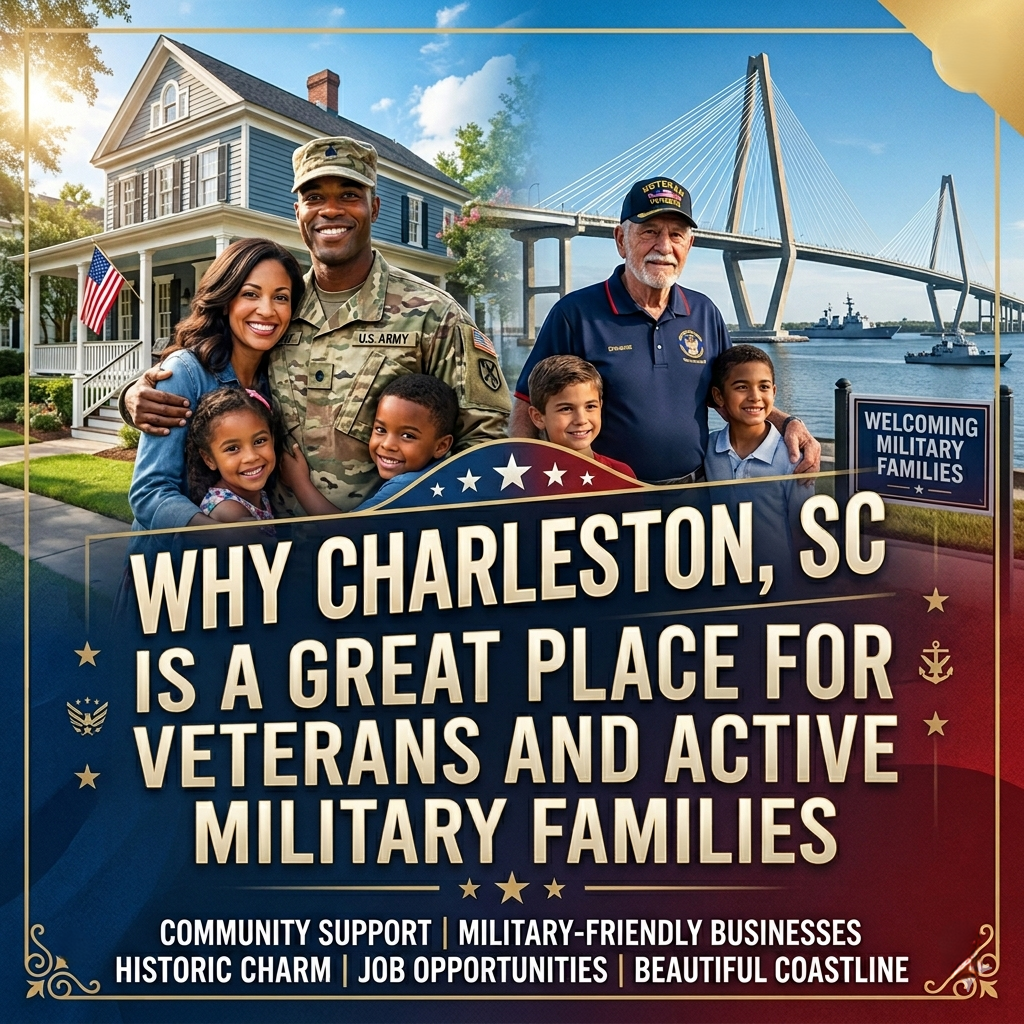
Why Charleston, SC Is a Great Place for Veterans and Active Military Families

Charleston has a long, proud military history, and that legacy still shapes daily life in the Lowcountry today. Joint Base Charleston supports thousands of active-duty service members, and the broader region is home to one of the largest veteran populations in the country. From housing benefits and military-friendly schools to the lifestyle, climate, and community, the area offers an exceptionally welcoming environment for service members, veterans, and their families. For military buyers exploring Charleston, SC real estate, the combination of opportunity, community, and quality of life is hard to match.

A Strong Military Footprint

Joint Base Charleston, formed by the merger of the former Charleston Air Force Base and Naval Weapons Station, is a major economic and community pillar. The base supports Air Force, Navy, and various joint and supporting commands, with thousands of personnel stationed across multiple sites. Beyond the active-duty population, Charleston has a deep veteran network, military spouse community, and a wide range of veteran-owned businesses across the region.

Why the Region Welcomes Military Families

A True Military-Friendly Culture

From the way restaurants honor service members to community organizations focused on veterans, military families consistently report feeling welcomed in the Charleston area. Many local schools, employers, and small businesses actively support deployments, transitions, and reintegration.

Lifestyle and Climate

Mild winters, abundant outdoor recreation, miles of coastline, and historic charm make Charleston appealing for anyone, but they hold special value for active-duty families balancing demanding schedules. Weekend getaways at the beach, family-friendly parks, and an easy drive to historic sites give families plenty of options when off-duty time is precious.

Career Opportunities Beyond the Base

Charleston's economy has grown beyond its military foundation. Boeing, Mercedes-Benz Vans, Volvo, leading healthcare systems, the Port of Charleston, and a thriving tech sector all create strong civilian job opportunities for transitioning service members and military spouses.

Where Military Families Tend to Buy

Goose Creek and Hanahan

Both are popular landing spots for families stationed at the Naval Weapons Station portion of Joint Base Charleston. Short commutes, family-friendly neighborhoods, and a strong selection of newer homes make this area particularly attractive.

North Charleston

For families assigned to the Air Base side of Joint Base Charleston, North Charleston neighborhoods provide quick access to the gates and a wide range of price points. The area has also seen significant revitalization in recent years, with Park Circle, Riverfront Park, and new construction communities expanding family-friendly options.

Summerville

Summerville continues to be one of the most popular landing spots for both active-duty and retired military families. Newer Master-planned communities like Nexton, Cane Bay Plantation, and The Ponds offer strong schools, robust amenities, and a wide variety of home types. The commute to Joint Base Charleston is manageable, and Summerville's lower price points stretch BAH and family budgets further.

Mount Pleasant and James Island

For families willing to commute, Mt Pleasant and James Island offer access to the beach lifestyle, top schools, and easy weekend recreation. The longer drive is offset by the lifestyle benefits, and many military families consider it well worth the trade.

Understanding the VA Loan Advantage

The VA home loan benefit is one of the most powerful tools available to eligible service members, veterans, and surviving spouses. Charleston is a strong VA loan market, with lenders, Realtors, and inspectors who routinely work with military buyers.

Key VA Loan Benefits

VA loans typically offer no down payment, no private mortgage insurance, competitive interest rates, and flexible underwriting compared to many conventional products. They can also be used for new construction, condos approved for VA financing, and certain manufactured housing.

Things to Watch For

Charleston's coastal environment means VA appraisers may pay close attention to roof condition, moisture issues, wood-destroying organism reports, and structural concerns. Working with a Realtor experienced in VA transactions helps you anticipate and resolve these items proactively.

Schools and Family Resources

Charleston-area public schools, charter schools, and private schools provide a wide range of options for military families, including programs designed to support frequent moves. Several schools in the region have official military family support designations or programs that help students transition between bases. The local YMCAs, recreation departments, and military family support organizations also provide programming aimed at deployment cycles, kids' clubs, and spouse networks.

Lifestyle and Community for Veterans

For retired and transitioning veterans, Charleston offers a robust veteran community, easy access to VA healthcare through the Ralph H. Johnson VA Medical Center, and an active set of veteran-focused organizations. From small-business networking groups for veteran entrepreneurs to social and recreational gatherings, it is easy to plug into a community that understands service.

Costs and Practical Considerations

Military families should still weigh the same coastal considerations as other buyers in the area. Flood zones, wind insurance, hurricane preparedness, and HOA structures all play a role in long-term cost of ownership. The 4 percent owner-occupied tax assessment for South Carolina primary residences is a significant benefit once you establish residency and file the appropriate paperwork.

Strategy for Military Buyers

If you are PCSing to the Charleston area, start with a clear understanding of your timeline, BAH or family housing options, and which gate you will report through most often. From there, identify the neighborhoods that fit your commute, school preferences, and price range. Lean on a Realtor with deep experience helping military families, since they will understand the special considerations of VA loans, base proximity, school timing, and how to manage long-distance moves efficiently.

Why Charleston, SC Is a Great Place for Veterans and Active Military Families

Key Takeaways

  • - Charleston has a deep military history, a strong active-duty footprint at Joint Base Charleston, and an exceptionally welcoming culture for service members and veterans.
  • - Popular neighborhoods include Goose Creek, Hanahan, North Charleston, Summerville, Mount Pleasant, and James Island, each with different commute and lifestyle trade-offs.
  • - VA loans are a powerful tool in this market, and experienced local Realtors and lenders can help you navigate the coastal nuances of VA appraisals.
  • - South Carolina's 4 percent owner-occupied property tax assessment offers meaningful savings once you establish residency.
  • - The right Realtor can save time, money, and stress, especially during fast-paced PCS timelines and long-distance moves.

Frequently Asked Questions

Can I use my VA loan benefit to buy a home in Charleston?

Yes. Charleston is an active VA loan market, and local lenders work with VA buyers regularly. Talk with a VA-experienced lender early to understand your entitlement, eligibility, and any specifics related to your service history.

Which neighborhoods are closest to Joint Base Charleston?

Goose Creek, Hanahan, and North Charleston are typically closest to the gates. Summerville is slightly further but remains popular for its newer homes, strong schools, and family-friendly amenities.

Are there military spouse employment resources in the Charleston area?

Yes. The Charleston region has a strong network of employers, networking groups, and military spouse support organizations. Many local companies actively recruit from the military spouse community, and Boeing, the Port, healthcare systems, and tech employers all participate in spouse-friendly programs.

What should I look for in a Realtor as a military buyer?

Look for an agent with VA loan experience, familiarity with the base gates and commute patterns, and the flexibility to work with a fast PCS timeline. Many local Realtors specialize in military relocations, and that specialization can dramatically smooth the process.

Is Charleston a good place to retire as a veteran?

Absolutely. The combination of climate, healthcare access through the Ralph H. Johnson VA Medical Center, low property taxes for owner-occupied homes, and the strong local veteran community makes Charleston one of the top destinations in the Southeast for retiring veterans.

Greg Harrelson is a seasoned Realtor® with more than 30 years of experience serving the Carolina markets. As the founder of Century 21 The Harrelson Group, Greg has built his career helping buyers, sellers, and investors achieve success in every corner of the coastal Carolina real estate market. His expertise spans residential homes, investment properties, land development, and coastal condos. Known for his deep local knowledge, innovative marketing strategies, and commitment to personal service, Greg consistently helps clients reach their real estate goals while navigating the ever-changing market with confidence and precision.
June 4, 2026

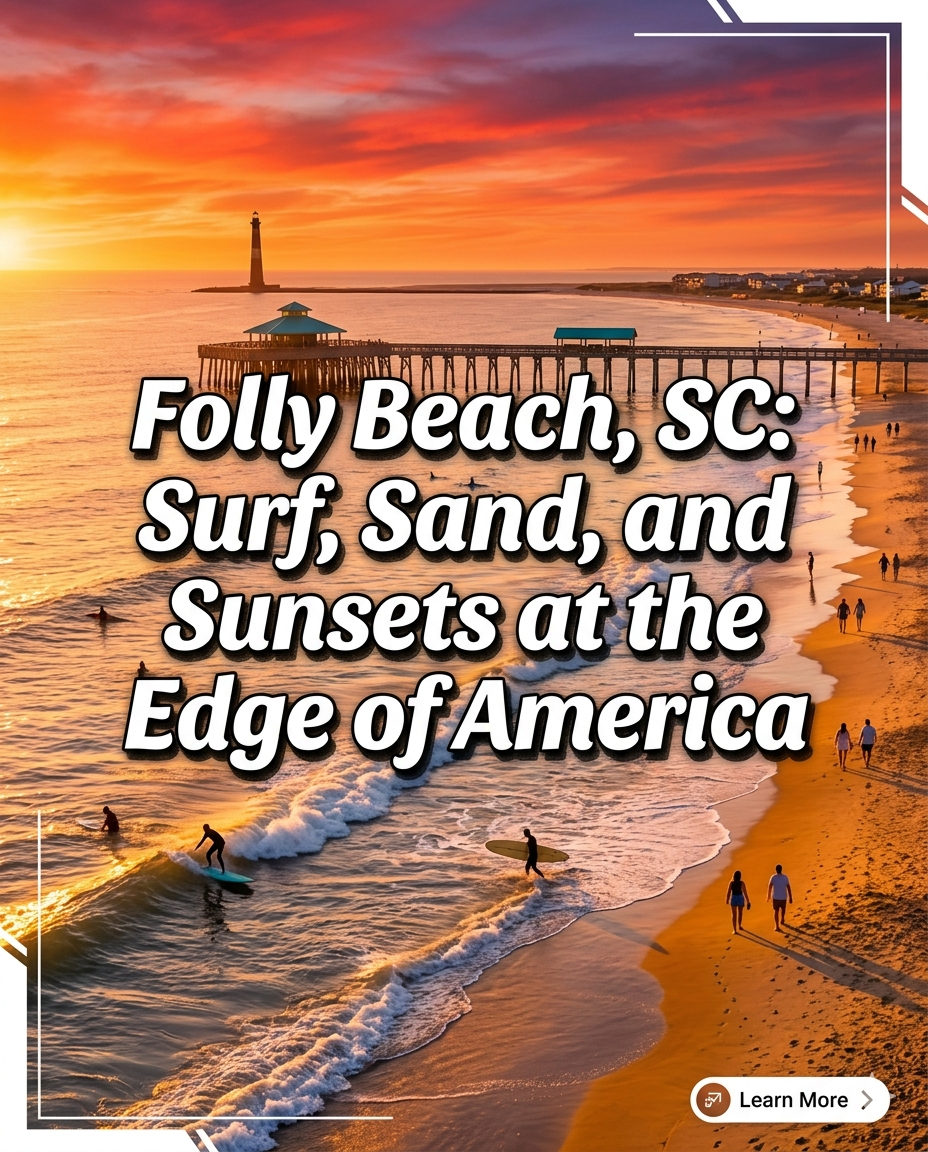
Folly Beach, SC: Surf, Sand, and Sunsets at the Edge of America

Locals call it the Edge of America, and the nickname fits. Folly Beach sits at the southern tip of Charleston's barrier island chain, where the Atlantic meets the marsh, the surf rolls in year-round, and life moves at a barefoot pace. It is the most laid-back place in the Charleston region and one of the most unique beach towns on the entire East Coast. For buyers exploring Folly Beach real estate, the appeal is part lifestyle, part location, and part the simple fact that nowhere else around Charleston feels quite like Folly.

Folly Beach, SC Surf, Sand, and Sunsets at the Edge of America

Why Folly Beach Is Different

Most beach towns try to balance tourism with quiet residential charm. Folly does not pretend to be sleepy. It leans fully into its identity as a surf-friendly, vacation-rental-friendly, locally weird, slightly counterculture beach town. The main drag, Center Street, is lined with restaurants, surf shops, ice cream stands, and bars. The famous Folly Pier juts out into the Atlantic and anchors the beach. And on quieter side streets, you find a mix of historic cottages, raised modern beach homes, and surfboards leaning on every other porch.

Compared to nearby Isle of Palms, Folly is smaller, looser, and far less manicured. The crowd skews younger in the summer, and the year-round local population fiercely protects the town's casual character.

The Folly Beach Lifestyle

Folly is a surf town first, and it shows. The Washout, the famous break in front of the pier, draws surfers from across the Lowcountry on any decent swell. Paddleboarders launch from the Folly River side. Locals fish off the pier, the jetties, and from kayaks in the marsh. Bikes outnumber bikes on most blocks. Live music spills onto Center Street most evenings. Sunset on the west side of the island, where the river meets the marsh, is a near-nightly ritual.

It is not just for vacationers. Folly has a strong year-round community of artists, surfers, retirees, and remote workers who chose the beach over the suburbs. The local school, the public library, and small community events anchor everyday life for full-time residents.

Understanding the Folly Beach Buyer

Buyers drawn to Folly fall into a few clear groups. Full-time residents value the lifestyle, the small-town feel, and the ability to walk or bike everywhere. Second-home buyers want a coastal getaway that holds its own personality. Vacation rental investors look at Folly as one of the most established short-term rental markets in coastal South Carolina. And surfers, retirees, and creative professionals from all over the country make up a healthy stream of new arrivals.

Real Estate Trends on Folly Beach

Folly Beach inventory is genuinely limited, and the island cannot expand. Demand from full-time buyers, second-home buyers, and investors has steadily pushed prices upward over the past decade. The town has worked to balance tourism with quality of life, leading to evolving short-term rental rules that every investor should review carefully before purchasing.

What to Expect on Price

You will find a wide spectrum. Smaller interior cottages and older homes on the marsh side can still feel accessible compared to oceanfront. Mid-range raised beach homes off the main strip offer space, easy beach access, and rental potential. True oceanfront and large new construction homes regularly command premium pricing, with the highest-end properties often setting records for the broader market.

What Sells Quickly

Homes with elevated construction, recent storm hardening, updated kitchens, multiple bedrooms, and the right HVAC setup tend to attract the most interest, especially from vacation rental buyers. Outdoor showers, decks, and beach storage are practical features that matter more than they would inland.

Costs, Risks, and Practical Considerations

Coastal living comes with real considerations. Flood zones, wind insurance, and elevation requirements all play a major role in what a Folly home actually costs to own. Most Folly properties sit in higher-risk zones, and insurance is often a substantial line item, not a footnote. Saltwater corrosion is hard on HVAC systems, exterior fixtures, and metal components, so maintenance budgets should reflect a true coastal environment.

The town's short-term rental rules also evolve. If you are buying with vacation rental income in mind, confirm the current permit landscape directly with the city before committing to a contract.

Best Areas Within Folly

Folly is small but has a few different neighborhood feels. Properties near the lighthouse at the east end are quieter and more residential. Homes near the pier and Center Street are convenient for walking, dining, and rentals. The west end stretches toward the Folly River with marsh views and dramatic sunsets. Interior streets often offer the best value for owners who want beach access without paying for direct ocean exposure.

Local Lifestyle Beyond the Beach

Folly is just a short drive from the rest of the Charleston region. Locals regularly head to historic Charleston for dinner, drive to James Island for daily errands, or hop over to Mount Pleasant for the Ravenel Bridge views. The combination of small-town beach living with quick access to the urban core is one of Folly's most underrated advantages.

Strategy for Buyers

If Folly is on your list, spend time there at different times of day. Mornings are quiet and beautiful. Summer weekends are crowded and energetic. Winter weekdays feel like a different town entirely. Understand which experience you are buying for. Run insurance quotes early, look closely at elevation and flood zone details, and work with a local agent who knows the difference between buying for full-time living, second-home use, or rental investment. Each strategy points to different streets, different home types, and different price ranges.

Key Takeaways

Folly Beach is one of the most distinctive places to live in coastal South Carolina. The surf culture, the laid-back lifestyle, the small-town personality, and the unmistakable Edge of America vibe make it unlike anywhere else in the Charleston region. Buying here means embracing both the lifestyle and the realities of coastal ownership, from insurance to short-term rental rules. With the right preparation, a clear sense of what you want, and a Realtor who knows the island, Folly remains one of the most rewarding places to call home in the Lowcountry.

Posted in For Buyers
June 3, 2026

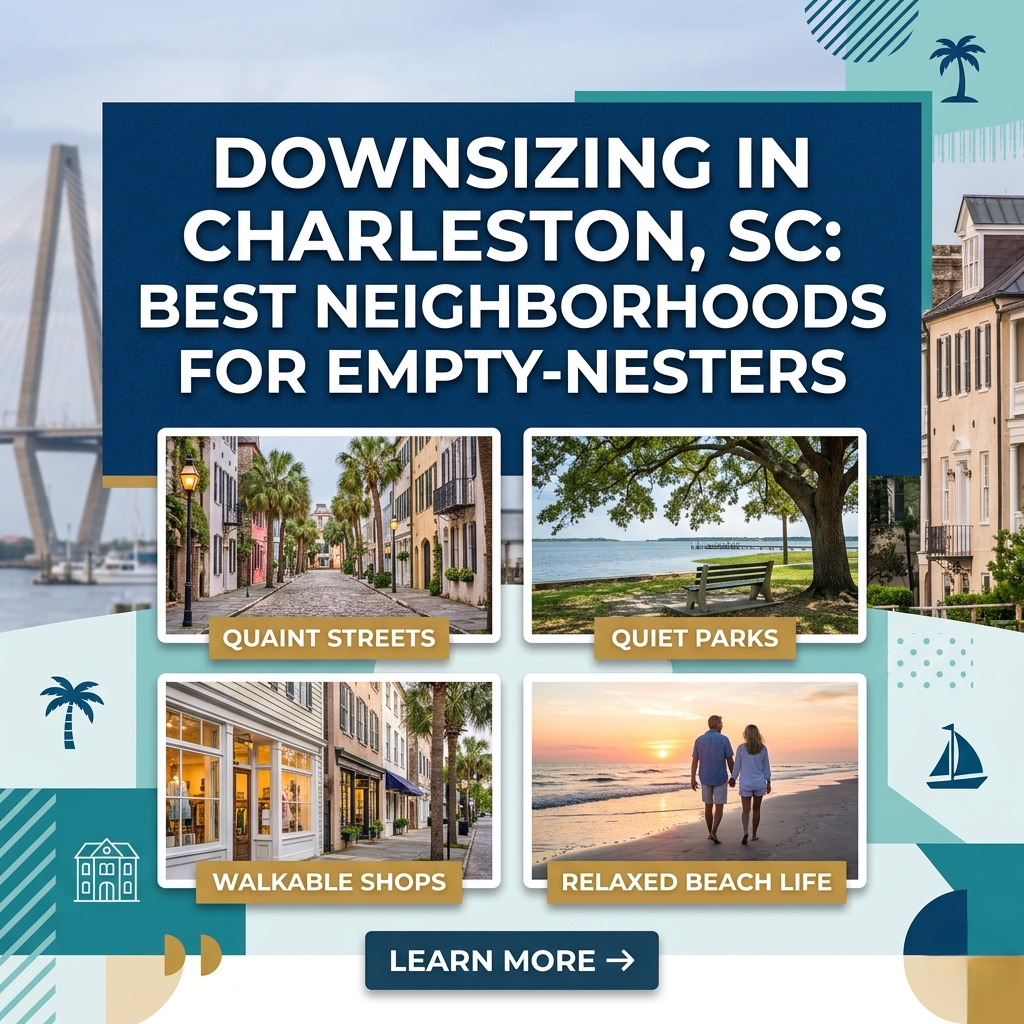
Downsizing in Charleston, SC: Best Neighborhoods for Empty-Nesters

Downsizing is one of the most rewarding moves an empty-nester can make, especially in the Charleston area. After years of mowing big yards, climbing extra stairs, and maintaining rooms no one uses anymore, smaller and simpler can feel like a breath of fresh air. The good news is that the Charleston region has an unusually deep bench of neighborhoods that fit downsizers beautifully, whether you want walkable in-town living, a maintenance-free patio home, or a quiet retreat near the water. For empty-nesters exploring Charleston, SC real estate, the right neighborhood can shape the next chapter of life as much as the right home does.

Why Empty-Nesters Are Choosing Charleston

Charleston consistently ranks among the top destinations for retirees and downsizers in the country, and for good reason. The mild climate, walkable historic district, strong healthcare network, vibrant dining scene, and easy access to beaches and golf all make it an appealing place to spend the next phase of life. Add in low property taxes for owner-occupied homes, no tax on Social Security income, and a deep range of lifestyle communities, and the picture gets even clearer.

What to Look for When Downsizing

The right downsizing home is more than just smaller. It is intentional. Empty-nesters often prioritize a few key features.

Single-Story or Master-on-Main Living

Whether you want the primary bedroom on the first floor or a fully single-story home, this is one of the most important factors. Aging gracefully in place is much easier when you do not have to climb stairs every day.

Lower Maintenance Lots and Homes

Smaller yards, professionally maintained landscaping, and durable building materials cut down on the everyday upkeep that used to absorb weekends.

Walkability and Community

Many downsizers want to ditch a second car or take more daily trips by foot. Walkable neighborhoods with shopping, restaurants, parks, and community gathering spots become a huge quality-of-life upgrade.

Lifestyle Amenities

Pools, fitness centers, pickleball, tennis, walking trails, and active social calendars help make a smaller home feel like a bigger life.

Downsizing in Charleston, SC Best Neighborhoods for Empty-Nesters

Top Charleston-Area Neighborhoods for Downsizers

Daniel Island

If walkability is a top priority, Daniel Island is hard to beat. The community is master-planned with sidewalks, parks, restaurants, and shops within easy reach. Patio homes, townhomes, and lock-and-leave style residences are all available, alongside larger custom homes for those who want to scale down without giving up space entirely.

Mount Pleasant: Carolina Park, Park West, and Patriots Point Area

For empty-nesters who want easy access to Mt Pleasant, SC, neighborhoods like Carolina Park, Park West, and the patio home pockets near Patriots Point offer the right mix of amenities, lower-maintenance options, and access to the beaches and downtown. Many newer developments now offer first-floor master plans designed specifically for buyers thinking long-term.

Summerville: Nexton, Cane Bay, and The Ponds

The Summerville area continues to be one of the most popular landing spots for empty-nesters and retirees from out of state. Master-planned communities like Nexton, Cane Bay, and The Ponds feature dedicated active adult sections with pools, fitness centers, clubhouses, and a packed social calendar. Patio homes and ranch-style floor plans are widely available, and the value-per-square-foot tends to be more attractive than closer-in neighborhoods.

Charleston: Downtown Condos and Patio Homes

For those who want the walkable in-town experience, condos and patio homes in historic Charleston offer the ultimate lock-and-leave lifestyle. Restaurants, shops, the waterfront, and cultural attractions are all within steps. Buyers should pay attention to HOA structures and condo regimes to understand long-term assessments and rules.

James Island and West Ashley

For empty-nesters who want a quieter, more local feel without paying downtown prices, James Island and West Ashley have strong options. Smaller ranches, patio homes, and updated cottages give buyers the chance to scale down without giving up proximity to in-town living.

Kiawah River and Seabrook Island

For those drawn to slow, scenic, nature-rich living, the Kiawah River community and Seabrook Island offer some of the most relaxed and luxurious downsizing options in the region. Smaller homes, lock-and-leave villas, and amenity-rich communities make these popular spots for second-home buyers and full-time empty-nesters alike.

Financial Considerations of Downsizing

Selling a larger home and buying a smaller one can free up significant equity, lower monthly expenses, and reduce ongoing maintenance costs, but the math is rarely as simple as "smaller equals cheaper." HOA dues, property taxes, condo regime fees, and insurance can vary widely between communities. Empty-nesters should work with a local Realtor and lender to model their total cost of ownership at potential new neighborhoods before committing to a move.

Charleston's 4 percent assessment ratio for primary residences can also significantly reduce property taxes once you establish residency, which is one more reason that out-of-state empty-nesters often find the area extremely attractive.

Emotional Side of Downsizing

Downsizing is more than a real estate transaction. It is a life transition. Decluttering decades' worth of belongings, parting with a longtime family home, and rethinking how you spend your days all come with emotional weight. Empty-nesters who plan ahead, start sorting belongings early, and lean on family and trusted professionals tend to have the smoothest experience. A good real estate agent who has guided downsizers through this process before can save you time, money, and stress.

Strategy for Empty-Nesters

Be clear on your priorities first. Do you want walkable in-town living, a quiet patio-home neighborhood, an amenity-rich active adult community, or something near the water? Tour homes in different formats so you understand what life would actually look like day to day. Plan for accessibility now, even if you are still very active, because future-proofing your home pays off when life changes. And work with a local agent who understands both the financial side of selling your current home and the lifestyle side of finding the right new one.

Key Takeaways

  • - Downsizing in the Charleston area opens the door to lifestyle-rich neighborhoods that simply do not exist in many other markets.
  • - Empty-nesters often prioritize single-story or master-on-main living, low-maintenance lots, walkability, and strong community amenities.
  • - Daniel Island, Mount Pleasant, Summerville, downtown Charleston, James Island, West Ashley, and the Kiawah River area each offer distinct downsizing experiences.
  • - Total cost of ownership matters more than purchase price. HOA dues, taxes, insurance, and regime fees all factor in.
  • - A local Realtor with experience guiding downsizers can save significant time, money, and emotional stress during the transition.

Frequently Asked Questions

Is Charleston a good place to retire and downsize?

Yes. Charleston ranks highly for retirees thanks to its climate, walkability, healthcare options, low property taxes for primary residences, and rich variety of lifestyle communities. Both in-town and suburban options give empty-nesters a wide range of ways to enjoy the area.

Are patio homes a good fit for empty-nesters?

For many empty-nesters, yes. Patio homes typically offer smaller, manageable lots, single-story floor plans, and exterior maintenance that may be included or simplified. They are especially popular in newer Charleston-area communities.

How much can I save on property taxes by becoming a SC resident?

South Carolina's 4 percent assessment ratio for primary residences can result in significantly lower property tax bills compared to second-home or rental property rates. To qualify, you must establish legal residency in South Carolina and file the appropriate application with your county.

Should I rent first before buying in Charleston as a downsizer?

Some empty-nesters prefer to rent for a year before committing to a neighborhood. It can be a smart move if you are unsure which area fits your lifestyle, though current rental rates and limited inventory can sometimes make this less practical than expected.

What is the best way to start planning a downsizing move in Charleston?

Start with a conversation with a local Realtor who has experience with empty-nesters and downsizers. They can help you understand current home values, walk you through ideal neighborhoods, and connect you with movers, organizers, and other professionals to make the transition smoother.

Greg Harrelson is a seasoned Realtor® with more than 30 years of experience serving the Carolina markets. As the founder of Century 21 The Harrelson Group, Greg has built his career helping buyers, sellers, and investors achieve success in every corner of the coastal Carolina real estate market. His expertise spans residential homes, investment properties, land development, and coastal condos. Known for his deep local knowledge, innovative marketing strategies, and commitment to personal service, Greg consistently helps clients reach their real estate goals while navigating the ever-changing market with confidence and precision.
Posted in For Buyers, For Sellers
June 2, 2026

Hurricane Season Prep: How to Protect Your Charleston, SC Coastal Property

Living in the Lowcountry comes with a lot of perks. Mild winters, salt-air sunsets, and easy access to the beach all top the list. But the trade-off is hurricane season. Every year from June through November, coastal homeowners in the Charleston area keep an eye on the tropics, hoping the worst stays offshore. The most resilient owners do not wait for a named storm to start preparing. They make hurricane prep part of their regular property maintenance. Whether you own a beach cottage on Folly Beach, a single house downtown, or a family home further inland, here is how to protect your investment in Charleston, SC real estate from one storm season to the next.

Why Hurricane Prep Matters Year-Round

It is tempting to think of hurricane season as a six-month window, but the reality is that real preparation is a year-round commitment. Roofs, trees, drainage systems, and structural reinforcements all need attention well before the first storm cone appears. Waiting until a storm is days away leaves you scrambling for plywood, contractors, and supplies that are typically sold out.

Beyond the safety side, well-prepared homes also tend to perform better at resale. Buyers in the Charleston region are increasingly savvy about storm resilience. Documented upgrades like new roofs, impact-rated windows, and elevated structures can support stronger valuations and smoother negotiations.

Long-Term Preparation Steps

Roof and Attic

The roof is your home's primary defense in a storm. Have your roof inspected annually and after any major weather event. Check for missing or loose shingles, weak flashing around chimneys and vents, and any signs of water intrusion in the attic. In coastal South Carolina, modern roofing nailed and strapped per current wind codes can earn significant insurance credits.

Windows and Doors

Impact-rated windows, hurricane shutters, or properly fitted plywood panels can dramatically reduce damage from flying debris. Doors should fit tightly and use hurricane-rated hinges and locks where possible. Garage doors are a particularly vulnerable point, so consider a reinforced model or a brace system if yours is older.

Trees and Landscaping

Large trees are part of what makes Charleston neighborhoods beautiful, but limbs near the roof or power lines can become serious hazards during high winds. Schedule professional tree trimming every couple of years, and remove dead or weak branches as soon as you notice them. Avoid storing loose mulch or landscape rocks that can become projectiles.

Drainage and Yard Grading

Heavy rain often does more damage than wind. Check gutters, downspouts, and yard drainage for clogs or low spots that funnel water toward the foundation. Make sure splash blocks and drains push water away from the home.

Foundation, Crawl Space, and Vapor Barriers

For homes with crawl spaces, a healthy vapor barrier, properly graded soil, and clear access for inspections can make a real difference if water moves through the area during a storm. Address any moisture issues identified on a CL-100 or general home inspection before they become bigger problems.

Hurricane Season Prep How to Protect Your Charleston, SC Coastal Property

Insurance and Documentation

Hurricane prep is not just physical. It is financial. Review your homeowner's insurance, wind and hail coverage, and flood policy each spring. Confirm coverage limits match current rebuild costs, and understand your hurricane deductible. Take a video walkthrough of every room each year, and store it in the cloud. If a major loss occurs, that documentation makes the claims process far easier.

Coastal property owners on Isle of Palms and other barrier islands should also review their elevation certificates and flood policy details. A small change in policy structure can sometimes save thousands during a storm year.

Mid-Season Maintenance

Throughout the summer, do a quick check on the basics. Walk the perimeter and look for loose siding, soffit issues, or any small repairs that might worsen under high winds. Test your generator if you have one, and rotate fuel storage to keep it fresh. Confirm storm shutters or panels are accessible and labeled. Inventory your supplies: water, batteries, flashlights, manual can openers, first aid items, important documents, medications, pet supplies, and cash.

When a Named Storm Approaches

72 Hours Out

Confirm your evacuation plan, especially if you live on a barrier island. Make sure your vehicles have a full tank of gas. Top off prescriptions. Reach out to family or neighbors who may need help preparing. Review your insurance contact information and policy numbers.

48 Hours Out

Bring in or secure all outdoor furniture, planters, trash cans, decor, and toys. Anything that can fly should be inside, in the garage, or strapped down. Charge phones, power banks, and electronics. Withdraw cash in case ATMs and card readers go down.

24 Hours Out

Install shutters or panels. Move valuables and important documents off the floor or to higher elevations. Photograph the home's interior and exterior in case you need to file claims later. Park vehicles away from large trees if you are staying behind.

During the Storm

If you are in an evacuation zone, leave when instructed and follow local guidance. If you are sheltering in place outside the evacuation zone, stay inside, away from windows, and follow emergency updates. Avoid using major appliances if outages or surges become a concern.

After the Storm

Wait until local officials confirm that it is safe to return. Inspect the home carefully before re-entering, watching for downed power lines, gas smells, and structural concerns. Document damage with photos and video before you start cleanup. Contact your insurance carrier promptly to begin the claims process, and be cautious with door-to-door contractors who may not be licensed or local.

Strategy for Coastal Charleston Owners

The best Lowcountry homeowners treat hurricane preparation as part of owning a home in this beautiful but weather-prone region. Build relationships with a trusted insurance agent, a reliable roofer, a good tree service, and a general contractor before you need them. Make annual hurricane prep a calendar event. The few hours you spend in May or June can save weeks of headaches in September.

Key Takeaways

  • - Effective hurricane prep is a year-round commitment, not a last-minute scramble before a named storm.
  • - Roofs, windows, doors, garage doors, and trees deserve the most attention because they protect the home's structural integrity.
  • - Review insurance, wind and flood policies, and elevation certificates each spring before storm season.
  • - Build a documented home inventory and an emergency plan well in advance.
  • - Work with local, licensed contractors and trusted insurance professionals familiar with coastal Charleston risks.

Frequently Asked Questions

Do I need both wind and flood insurance in Charleston?

In most cases, yes. Standard homeowner's policies usually exclude wind and hail in coastal South Carolina, and they always exclude flood. Many Charleston-area homeowners carry a combination of standard, wind, and flood policies to make sure there are no gaps in coverage.

How often should I have my roof inspected?

At least once a year and after any major storm. In the Lowcountry, sun, salt air, and heavy rain can wear out roofing faster than in inland climates. An annual professional inspection can catch small issues before they turn into major repairs.

Are hurricane shutters or impact windows worth the cost?

For most coastal Charleston homes, the answer is yes. Both options reduce the risk of catastrophic damage during a storm and often result in insurance discounts. The exact return depends on your specific carrier, coverage, and home's exposure level.

What should I do with my important documents during a storm?

Keep originals or copies of critical documents like insurance policies, deeds, identification, medical records, and financial information in a waterproof container, and also store digital backups in a secure cloud service. That way you have access no matter what happens to the home.

Is it better to ride out a hurricane or evacuate?

If local officials issue an evacuation order, follow it. Modern Lowcountry homes can perform well, but barrier islands and low-lying areas are still high-risk during major storms. Erring on the side of evacuation is almost always the right call for life safety.

Greg Harrelson is a seasoned Realtor® with more than 30 years of experience serving the Carolina markets. As the founder of Century 21 The Harrelson Group, Greg has built his career helping buyers, sellers, and investors achieve success in every corner of the coastal Carolina real estate market. His expertise spans residential homes, investment properties, land development, and coastal condos. Known for his deep local knowledge, innovative marketing strategies, and commitment to personal service, Greg consistently helps clients reach their real estate goals while navigating the ever-changing market with confidence and precision.

Posted in Tips and DIY
June 1, 2026

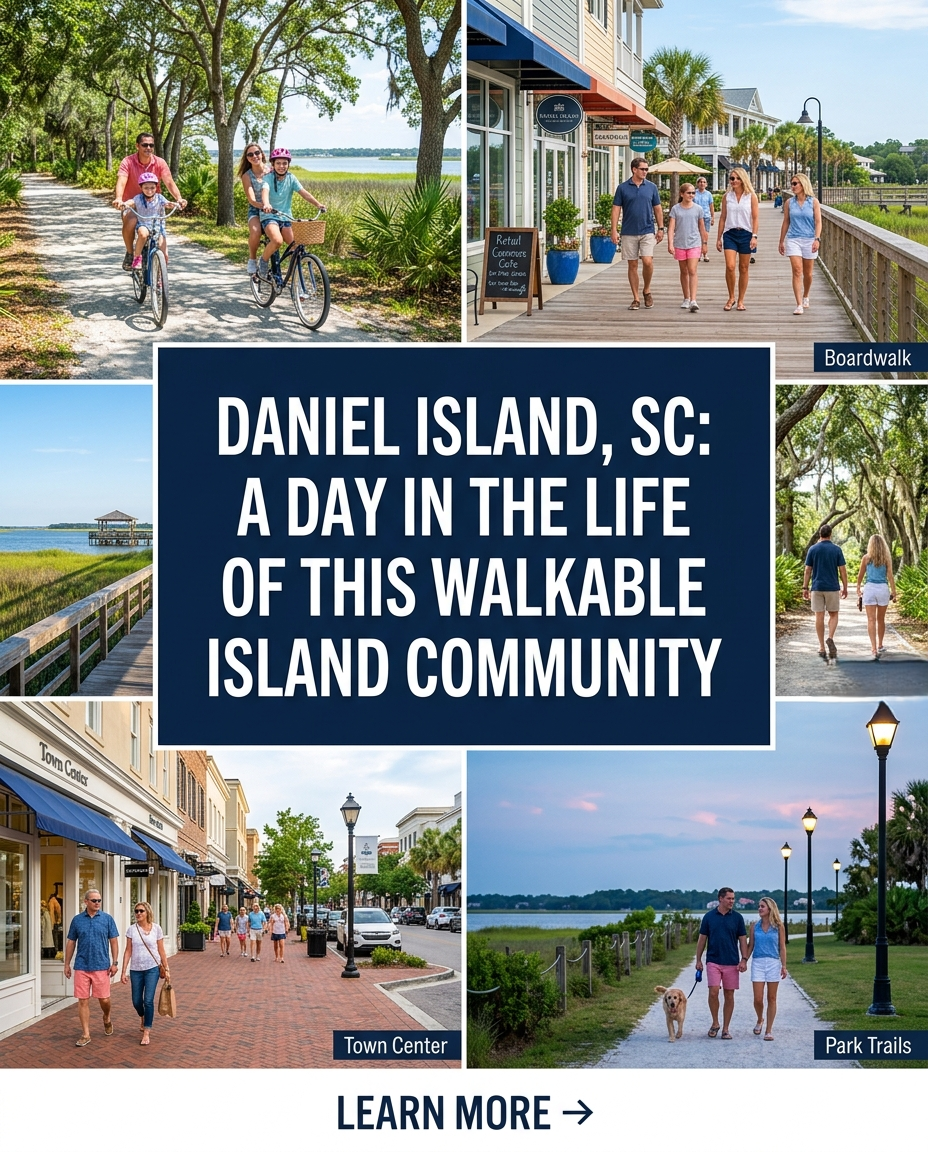
Daniel Island, SC: A Day in the Life of This Walkable Island Community

Of all the neighborhoods in the Charleston region, few have transformed the area's lifestyle conversation as much as Daniel Island. Tucked between the Wando and Cooper Rivers, it is one of the country's most thoughtfully designed master-planned communities. Sidewalks line nearly every street, restaurants and shops are clustered into walkable hubs, and tree-shaded parks anchor neighborhoods full of beautiful Lowcountry homes. For anyone exploring Daniel Island homes, a closer look at daily life here helps explain why the community has become one of Charleston's most coveted addresses.

Why Daniel Island Feels Different

Most of the Charleston region grew organically over generations. Daniel Island, by contrast, was built from a master plan that prioritized walkability, mixed-use density, and green space from the beginning. The result is something rare in the South: an entire island where you can grab coffee, walk your kids to school, work from a co-working space, and meet friends for dinner without ever needing a car. That intentional design gives the community its own pace and personality.

Compared to nearby Mt Pleasant, SC, Daniel Island is more compact, more walkable, and more amenity-driven. It feels less like a series of subdivisions and more like a small town.

Daniel Island, SC A Day in the Life of This Walkable Island Community

A Morning on Daniel Island

Daily life on Daniel Island often starts on foot. Many residents walk or bike to grab coffee at locally owned shops on the island, drop kids off at one of the highly rated schools, or take an early loop around the parks. The trail network connects neighborhoods to the waterfront, the parks, and the central village, making morning movement easy and pleasant. By 8 a.m., the streets are humming with strollers, dog walkers, and parents pushing kids on bikes to school.

Working from Daniel Island

For residents who work from home, the island is well set up. High-speed internet is standard, several local coffee shops double as comfortable workspaces, and the island has its own small office and professional services corridor. For those who commute, downtown Charleston is roughly 20 minutes away by car, and major routes like I-526 make it easy to reach North Charleston, Mount Pleasant, or the airport.

Midday and the Village Feel

Lunch on Daniel Island often happens in the central village area, which features restaurants, boutique fitness studios, salons, and small shops. The mix of locally owned spots and well-known names keeps the village feeling vibrant without losing its small-town personality. Residents often run errands, work out, and grab lunch all within a short walk, then head home or back to the office.

Schools and Family Life

Daniel Island is one of the most family-friendly places in the Charleston area. Several top-rated schools serve the island, and the abundance of parks, playgrounds, and youth sports programs makes life with kids straightforward. Pickleball courts, tennis facilities, swimming, and community events round out the family lifestyle. For many out-of-state buyers, the combination of great schools, safety, and walkability is the single biggest draw.

Afternoons Outside

The natural amenities on Daniel Island go far beyond the streetscape. The Wando and Cooper Rivers offer extensive boating, paddleboarding, and fishing. Trails wind through the marsh and along the water, and large parks like Smythe and Codner's Ferry give families and dog owners places to spend hours outdoors. The island has its own equestrian center, and golfers enjoy two highly regarded courses at the Daniel Island Club, which has hosted PGA-level events. Tennis fans know the LTP Daniel Island facility and the broader tennis culture that has long been part of life here.

Evenings and Community

Daniel Island's evenings often revolve around community. Restaurants and patios fill up after sunset, neighborhood happy hours pop up regularly, and concerts, holiday events, and farmers markets bring residents together throughout the year. The island has a strong sense of local identity. People run into neighbors at the gym, at the soccer fields, and at the same favorite spots downtown by the marina.

Real Estate on Daniel Island

Homes on Daniel Island span an impressive range. You will find townhomes, condos, modest cottages, mid-range family homes, custom estates, and luxury waterfront residences. The island is divided roughly into the urban Park Side and the more residential South Side, plus the gated Daniel Island Park area for those seeking even more privacy and proximity to the club. Each section has a different feel, price range, and lifestyle pattern.

Price Trends

Daniel Island consistently ranks among the most desirable markets in the Charleston region. Demand from out-of-state buyers, families, and downsizers keeps prices strong. Waterfront, larger lots, and homes within walking distance of the village command meaningful premiums.

HOA and Community Fees

Most homes pay community assessments that fund parks, trail maintenance, security patrols, and other amenities. Within Daniel Island Park, residents also have access to additional club options. Buyers should understand exactly which fees apply to their specific property before making an offer.

Local Lifestyle Beyond the Island

Daniel Island is well placed for exploring the broader region. Downtown historic Charleston, the beaches of Sullivan's Island and Isle of Palms, and the airport are all easily accessible. That blend of immediate walkability and quick regional access is one of the reasons buyers continue to choose Daniel Island over more traditional suburban Charleston neighborhoods.

Strategy for Buyers

If Daniel Island is on your list, spend time on the island at different times of day before you commit. Mornings, lunch, school pick-up, and weekend evenings all feel different. Pay close attention to the section of the island that fits your priorities. A townhome near the village will deliver a very different experience than a custom home on a quiet South Side cul-de-sac, even though they share an address. A knowledgeable local agent who works the island regularly can save you time and steer you toward the right block, builder, and price point.

Key Takeaways

Daniel Island offers a level of walkability, community, and amenity-rich living that is unusual in the Southeast and tough to replicate elsewhere in the Charleston region. From family-friendly schools and parks to top-tier golf, tennis, and dining, the island is built for residents who want a true sense of place without giving up convenience. With strong long-term demand, a wide range of home types, and clear neighborhood character, Daniel Island remains one of the most rewarding addresses in coastal South Carolina.

May 29, 2026

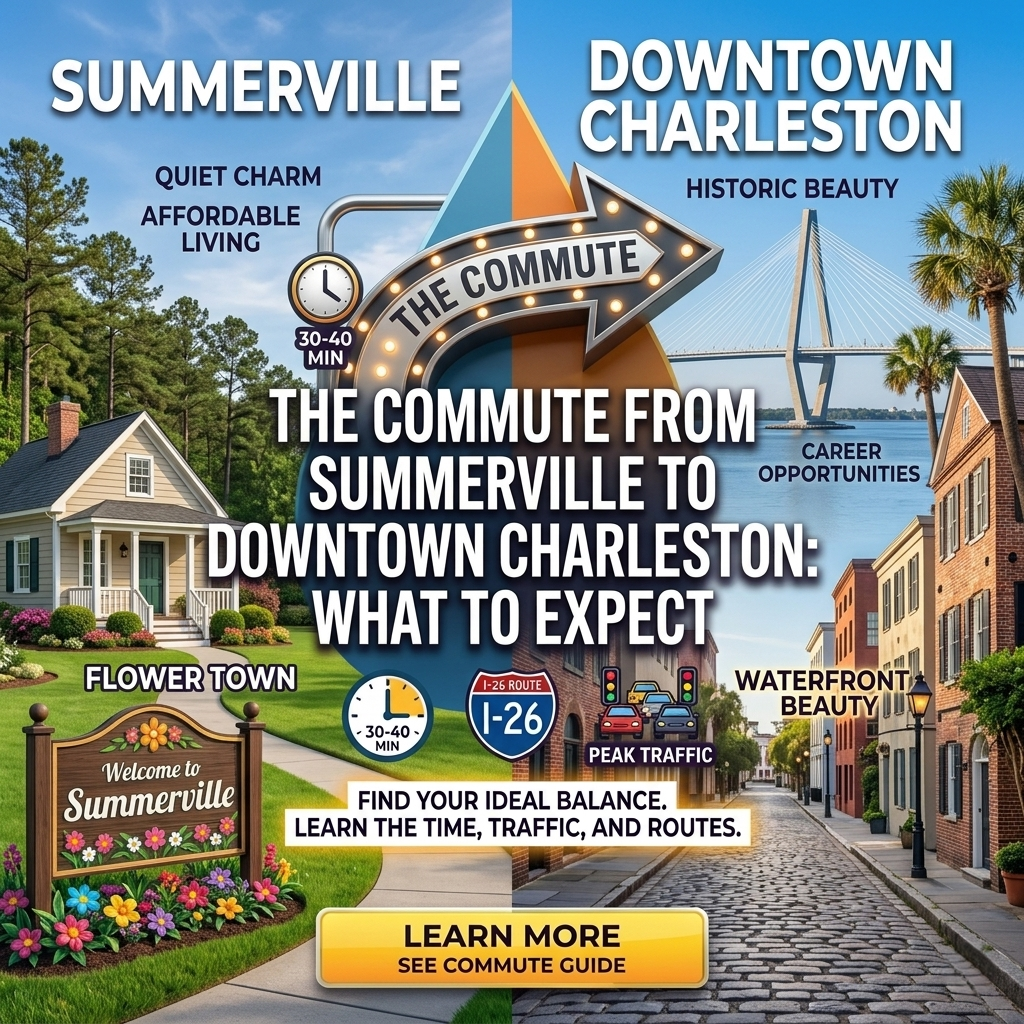
The Commute from Summerville to Downtown Charleston: What to Expect

Summerville continues to be one of the most popular landing spots for buyers moving to the Charleston region. New construction, top-rated schools, lower price points, and that charming Flowertown feel all make it a smart choice. But for anyone working in downtown Charleston, one question comes up before almost any other: what is the commute really like? The answer is more nuanced than a single drive-time number, and understanding the realities of getting from Summerville to the peninsula is essential before you put down roots.

The Big Picture: Distance and Drive Time

Downtown Charleston sits about 25 miles southeast of Summerville. In light traffic, that drive can be done in 35 to 40 minutes. During rush hour, however, the same trip can stretch to 55 minutes, an hour, or more depending on weather, accidents, and the time you leave. The distance has not changed, but traffic patterns in the region have intensified significantly with population growth over the past decade.

Your Three Main Routes

I-26 East

Interstate 26 is the primary commuter artery between Summerville and downtown. It is the fastest route under good conditions, but it is also the most congested. Morning bottlenecks tend to develop near the Volvo and Boeing exits, the I-526 interchange, and again near the Septima Clark Parkway as you approach downtown. Evening traffic patterns mirror the morning, with the same chokepoints in reverse.

Highway 17A and Surface Streets

For commuters who prefer to avoid the interstate, Highway 17A and connecting surface streets offer an alternate route. The trade-off is more traffic lights and slower speed limits, but you can sometimes save time during major I-26 backups. Some Summerville residents who live closer to Knightsville or older parts of town find this route more practical, especially when their destination is north of the peninsula.

I-26 with I-526 Connector

Drivers heading to North Charleston, the airport, or West Ashley sometimes use I-526 as a connector instead of taking I-26 all the way into the peninsula. This is not faster for downtown destinations, but it can help spread your drive out across less congested stretches if you are heading to Mt Pleasant or other parts of the area.

Rush Hour Realities

The morning rush in the Charleston region typically builds from about 6:30 to 9:00 a.m. The afternoon rush starts to thicken around 3:30 p.m. and peaks between 4:30 and 6:30 p.m. Weather, accidents, special events downtown, and even Spoleto festivals or holiday weekends can stretch those windows.

Leaving even 15 minutes earlier or later can dramatically change your drive. Many Summerville residents who work downtown shift their hours, working 7-3 or 9-5 instead of 8-4, to avoid the worst of it.

Hybrid and Remote Work Has Changed the Equation

Since 2020, more Summerville residents who work downtown commute fewer days per week. Many do two to three in-office days, which makes the longer drive much easier to tolerate. When you only commute on Tuesdays, Wednesdays, and Thursdays, a 50-minute drive feels very different than it does five days a week. Buyers thinking about Summerville should consider their employer's flexibility, since a hybrid schedule materially changes the value proposition of the area.

Other Commute Considerations

Weather

Heavy rain, fog, and especially flooding can slow downtown drives significantly. Some sections near the peninsula and in low-lying parts of the route are prone to flooding during big rain events.

Bridges and Special Events

Downtown Charleston regularly hosts festivals, runs, and events that close streets or change traffic flow. Race day for the Cooper River Bridge Run, holiday weekends, and Spoleto can all turn a typical drive into a slog.

Parking Downtown

Once you arrive in the historic district or near the medical campuses, parking is its own consideration. Many downtown workers rely on monthly garage permits, employer-provided parking, or designated commuter lots. Factor that into your full commute cost.

Alternatives to Driving Alone

While most Summerville-to-downtown commuters drive solo, there are some alternatives. The CARTA Express Bus offers limited service between Summerville and the peninsula at peak commuting hours. Some employers offer vanpool or carpool programs that reduce both stress and parking expense. For shorter trips between Summerville and parts of North Charleston or the airport, ride-sharing can be a practical occasional option.

The Commute from Summerville to Downtown Charleston What to ExpectHow Where You Live in Summerville Affects Your Commute


Summerville is geographically larger than many newcomers expect. Some neighborhoods sit conveniently near I-26 exits, while others can add 10 or 15 minutes of local driving just to reach the highway. Communities like Nexton and Cane Bay benefit from quick access to the interstate from their immediate exits, while older sections of historic Summerville may rely on slower surface streets to get on the highway. Buyers should factor in not just total miles but actual time to the interstate when comparing neighborhoods.

Strategy for Buyers

If you are planning a Summerville-to-downtown commute, do a test drive at the actual time you would commute on a typical weekday. Drive in both directions and pay attention to where you slow down. Tour homes in different sections of Summerville so you understand how location within the city affects your real-world drive. Finally, talk with your employer about flexible or hybrid scheduling before committing to a longer commute. A few small changes can turn a daunting drive into a very livable one.

Key Takeaways

The Summerville-to-downtown Charleston commute is very manageable for many residents, but it depends heavily on where you live in Summerville, what time you drive, and how often you need to be in the office. Most full-week commuters should expect somewhere between 40 and 60 minutes each way during peak hours. Hybrid and remote work has dramatically softened the experience for many, and small adjustments to commute timing or route choice can make a big difference. With realistic expectations and the right neighborhood, Summerville continues to offer one of the best values in the entire Charleston region for buyers who want space, amenities, and affordability without giving up access to in-town life.

May 28, 2026

Mount Pleasant Old Village: History, Charm, and What to Know Before You Buy

If you ask local Realtors which Mount Pleasant neighborhood has the most enduring appeal, Old Village comes up almost every time. Tucked along the harbor, lined with oak trees and historic homes, it is one of the most distinctive and desirable enclaves in the entire Charleston region. For buyers exploring Mt Pleasant, SC real estate, understanding what makes Old Village special and what to look for before buying is essential. It is not just another nice neighborhood. It is one of the most coveted addresses in coastal South Carolina.

A Brief History of Old Village

Old Village dates back to the 1700s and is considered the original heart of Mount Pleasant. Many of the homes on streets like Bennett, Whilden, and Pitt Streets have stood for well over a century, and the neighborhood's layout reflects a slower, more pedestrian era. Long before bridges connected the area to peninsular Charleston, Old Village was a quiet shipping and trading community along Charleston Harbor. That history still shows up in the architecture, the street grid, and the strong neighborhood identity.

Today, the neighborhood is a registered historic district, and the Town of Mount Pleasant maintains design standards for renovations and new construction within its borders. That layer of protection helps preserve the character that draws so many buyers in the first place.

What Defines the Old Village Charm

Two things set Old Village apart: walkability and architectural character.

Walkable, Tree-Lined Streets

Few Lowcountry neighborhoods are as truly walkable as Old Village. Residents stroll to the shops at Pitt Street Pharmacy, grab coffee, walk dogs along the seawall, and chat with neighbors on porches. The streets are shaded by mature live oaks, and the slower traffic pace gives the whole community a small-town feel.

A Mix of Historic and Custom Homes

You will find centuries-old original homes side by side with carefully designed newer builds. Charleston Single and Lowcountry-style homes dominate, often with deep porches, classical detailing, and metal roofs. Renovations within the historic district are subject to design review, which helps keep the streetscape cohesive.

Lifestyle Inside the Old Village

Daily life here looks different from a typical suburban neighborhood. Many residents shop locally on Pitt Street, walk to Alhambra Hall for events, fish or paddleboard along the harbor, and watch the Charleston skyline glow at sunset from Memorial Waterfront Park. Just a few minutes away, the Pitt Street Bridge and the nearby waterfront offer some of the most scenic sunsets in the area.

Residents are also a short drive to the beaches on Sullivan's Island and Isle of Palms, and easy access to historic downtown Charleston across the Ravenel Bridge keeps the neighborhood firmly inside the daily rhythm of the entire region.

Real Estate Trends in Old Village

Old Village real estate consistently commands premium pricing. Inventory is limited, lots are tight, and demand is driven by buyers who have specifically targeted this neighborhood for years. Even during market shifts, the Old Village tends to hold value better than many surrounding areas.

What to Expect on Price

Smaller cottages and historic gems can still feel approachable, but harbor-front and large custom homes routinely set records for the broader Mount Pleasant market. Buyers should expect higher price-per-square-foot than virtually anywhere else in town outside of new luxury construction.

What Sells Quickly

Updated kitchens, screened porches, deep back yards, off-street parking, water views, and quality renovations within historic design guidelines drive demand. Homes that thread the needle between historic charm and modern convenience tend to attract the most attention.

Mount Pleasant Old Village History, Charm, and What to Know Before You Buy

Important Things to Know Before You Buy

Historic District Design Guidelines

Renovations, additions, and new construction in Old Village are subject to design review from the Town of Mount Pleasant. Plan to work with architects and contractors who have local experience navigating these guidelines.

Flood, Wind, and Insurance Considerations

Old Village's harbor proximity means flood zones and wind insurance need careful review. Older homes may have outdated systems and require updates, but many have been thoughtfully renovated over the years. Always get a thorough inspection and review insurance options early.

Lot Sizes and Setbacks

Old Village lots tend to be smaller than newer Mount Pleasant subdivisions. If you have specific yard or footprint needs, study the lot dimensions and any historic-district setbacks carefully before falling in love with a home.

Schools

The neighborhood feeds into highly regarded Mount Pleasant public schools, which is a key reason families pay a premium to live here. Confirm the current school assignments and any boundary changes during your due diligence.

The Buyer Profile in Old Village

Buyers drawn to Old Village span a wide range. Long-time Mount Pleasant residents trade up into the neighborhood when the right home becomes available. Out-of-state buyers relocating to Charleston for the lifestyle frequently target the area for its mix of walkability, history, and access to the water. Retirees love the slower pace and the ability to leave the car at home. Families value the schools, parks, and tight-knit community.

Strategy for Buyers

If you are serious about Old Village, work with a local agent who tracks this market carefully. Listings often move quickly, and the right home can attract multiple offers within days. Be prepared with pre-approval, a clear list of must-haves, and the flexibility to act decisively. Patience also helps. Some of the most coveted homes only change hands once a generation, so being ready when the right opportunity appears makes all the difference.

Key Takeaways

Mount Pleasant's Old Village is one of the most special places to live in the entire Charleston region. The blend of historic homes, harbor access, walkable streets, and tight community appeals to buyers from every background. Premium pricing and design-district considerations come with the territory, but for those who fall in love with the neighborhood, it is one of the few places where lifestyle, character, and long-term value all line up so well. With the right preparation and a knowledgeable local agent, finding a home in Old Village can be one of the most rewarding moves a Charleston-area buyer makes.

May 27, 2026

South Carolina Property Taxes: A Newcomer's Guide to the 4% vs. 6% Rule

If you are buying a home in the Charleston area and you are coming from out of state, one of the first surprises you will face is South Carolina's property tax system. It is not necessarily higher or lower than other states, but it works differently. The biggest curveball for most newcomers is the 4 percent versus 6 percent assessment ratio. Understanding the difference can save you thousands of dollars per year, and it is one of the most important things to learn before closing on Charleston, SC real estate.

Why South Carolina Property Taxes Work Differently

Many states use a single assessment formula for all residential property. South Carolina takes a different approach. Owner-occupied primary residences are taxed at one rate, and all other residential property, including second homes and rentals, is taxed at another, much higher rate. The state uses an "assessment ratio" that is applied to your home's appraised value before the tax bill is calculated. That single percentage point makes a dramatic difference in your annual property tax bill.

Please create an image with this title in the center, high-contrast Facebook ad layout, centered headline text, 1:1 or 4:5 aspect ratio for Facebook performance: South Carolina Property Taxes: A Newcomer's Guide to the 4% vs. 6% Rule

The 4% Rule Explained

If a home is your legal primary residence, you may qualify for the 4 percent assessment ratio. This is sometimes called the "owner-occupied" or "legal residence" rate. Qualifying homeowners are also eligible for additional benefits, including a school operating tax exemption that takes a significant chunk off the annual bill. To get the 4 percent rate, you must file an application with your county assessor's office and prove that the home is your full-time, primary residence.

What You Typically Need to Qualify

Each county handles documentation a little differently, but you can generally expect to provide a South Carolina driver's license with the property address, vehicle registration tied to the property, and your most recent SC tax return. Some counties also accept voter registration or utility bills. The takeaway: you need to look like a South Carolinian on paper, not just on the deed.

The 6% Rule Explained

If the property is a second home, a vacation home, an investment property, or any home that you do not legally occupy as your primary residence, it falls under the 6 percent assessment ratio. The home is still appraised the same way, but the higher ratio plus the loss of the school operating exemption means the annual tax bill can easily be two to three times higher than what an owner-occupied homeowner pays for an identical property.

This is a major consideration for buyers looking at vacation properties on Folly Beach or Isle of Palms, as well as investors targeting short-term rentals or long-term holds throughout the Charleston area.

Real Numbers: How Big Is the Difference?

While exact figures depend on your specific county, school district, and millage rate, the difference between 4 percent and 6 percent in the Charleston area can easily be several thousand dollars per year on a moderately priced home. On a higher-end property, the gap widens dramatically. Many buyers from out of state are shocked when they see what their neighbor pays compared to what they are quoted, especially if the seller had been receiving the 4 percent rate.

Why Your Tax Bill May Spike After Closing

Here is a very important detail that catches buyers off guard. If you buy from a seller who was using the 4 percent rate, the property tax bill you saw before closing is based on the seller's rate, not yours. Until you apply and qualify for your own 4 percent rate, you will receive bills based on the 6 percent rate. New residents should expect a one-time reassessment year where their tax bill could look much higher than expected. Budget accordingly.

Other Property Tax Concepts Newcomers Should Know

Beyond the 4 percent versus 6 percent rule, there are a few other ideas worth understanding before buying a home in the Lowcountry.

Point-of-Sale Reassessment

When a property changes ownership, it is reassessed at the new purchase price. In a market like Charleston where home values have climbed steadily, this can push tax bills higher than what the previous owner was paying, even if you qualify for the same 4 percent rate.

Millage Rates Vary by Area

Charleston County, Berkeley County, and Dorchester County all set their own millage rates, and individual school districts and municipalities can add to that. A home in Mount Pleasant may have a different effective rate than an identical home in Summerville or Hanahan.

Capping the Increase

South Carolina has rules that limit how much an owner's taxable value can grow year over year while they continue to own the property, which helps long-term residents. New buyers, however, reset to the current market value at the point of purchase.

Strategy for Buyers

If you plan to use the home as your primary residence, file your 4 percent application as soon as you can. Most counties allow you to apply right after closing, but you should confirm the deadlines and required documents directly with the county assessor. If you are buying a second home or rental property, work the higher tax bill into your budget from day one, so there are no surprises after you take ownership. A good local lender and Realtor can walk you through the exact estimated taxes for the home you are considering before you commit.

Key Takeaways

  • - Primary residences in South Carolina can qualify for the 4 percent assessment ratio, which results in a much lower property tax bill.
  • - Second homes, vacation homes, and rental properties are taxed at the 6 percent rate plus they lose the school operating exemption.
  • - You must file an application with the county assessor to receive the 4 percent rate, and you will need SC-based documentation.
  • - Tax bills are reset at the point of sale, so the seller's previous tax bill is not what you will pay going forward.
  • - Always estimate property taxes based on your specific use case, not the prior owner's situation.

Frequently Asked Questions

How do I apply for the 4% property tax rate in Charleston County?

You apply directly with the Charleston County Assessor's Office, usually after closing. You will need a South Carolina driver's license with the property's address, vehicle registration tied to the home, and other proof of residency. The application is straightforward, and the county will walk you through any additional requirements.

Do I lose the 4% rate if I rent out part of my home?

It depends on the situation. If a portion of your home is used as a rental or short-term rental, you may lose part or all of the 4 percent benefit, and the rental portion can be reassessed at 6 percent. Always check with the county assessor and a local tax professional before listing any part of your primary residence.

Is South Carolina a high-tax or low-tax state for real estate?

For owner-occupied primary residences, South Carolina is generally considered a favorable property tax state. For second homes and investment properties, however, the effective tax rate can be among the higher rates in the Southeast. The right answer depends entirely on how you plan to use the property.

Can I qualify for the 4% rate on multiple homes?

No. The 4 percent rate is reserved for your legal primary residence only. You can change which home receives the rate if you move, but you can only have one primary residence on file at a time.

How can I estimate my property tax bill before buying?

A local Realtor or lender can pull the most recent millage rates for the property's county and run an estimate based on your intended use. For the most precise figure, you can also contact the county assessor or auditor's office directly with the property's address.

About Greg Harrelson

Greg Harrelson is a seasoned Realtor® with more than 30 years of experience serving the Carolina markets. As the founder of Century 21 The Harrelson Group, Greg has built his career helping buyers, sellers, and investors achieve success in every corner of the coastal Carolina real estate market. His expertise spans residential homes, investment properties, land development, and coastal condos. Known for his deep local knowledge, innovative marketing strategies, and commitment to personal service, Greg consistently helps clients reach their real estate goals while navigating the ever-changing market with confidence and precision.