If you have ever bought or sold a home in South Carolina, you have likely heard about the CL-100. If you have not yet, get ready, because almost every Lowcountry transaction involves one. The CL-100 is one of those unique South Carolina real estate quirks that can catch newcomers and out-of-state buyers completely off guard. It is also one of the most important documents in the closing file, especially in the Charleston region where humidity, sandy soils, and a long warm season create perfect conditions for wood-destroying pests. Anyone navigating Charleston, SC real estate should understand exactly what a CL-100 is, what it covers, and why it matters.
What Is a CL-100?
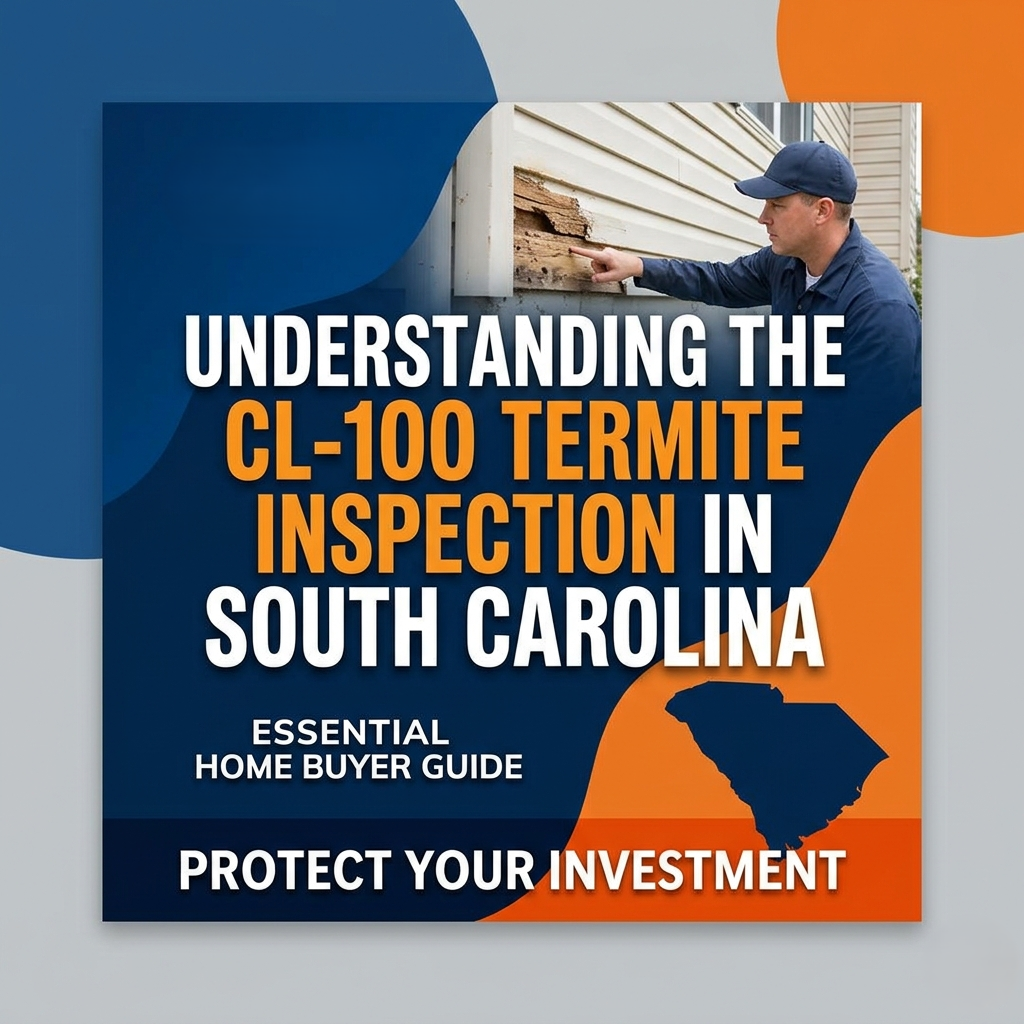
The CL-100 is South Carolina's official Wood Infestation Report. The form is regulated by the state and used to document the presence or absence of active termites, other wood-destroying insects, and damage to wood from those pests or moisture. A licensed pest control inspector performs the inspection and signs off on the report.
Despite the nickname "termite letter," the CL-100 is broader than termites alone. It covers active infestations, prior damage, conditions favorable to infestation, and visible moisture issues that can lead to wood rot. In the Lowcountry, the moisture portion is often just as important as the pest portion.
Why It Matters in the Charleston Area
South Carolina's coastal climate is hard on homes. Subterranean termites, drywood termites, Formosan termites, powder post beetles, and old-house borers are all real concerns. Crawl spaces in the Lowcountry are especially vulnerable due to humidity, poor ventilation, or improperly graded yards.
For buyers, a clean CL-100 helps confirm that the home is structurally sound from a wood-destroying-organism standpoint. For sellers, a clean CL-100 reassures buyers and helps the transaction close on schedule. For both sides, the report uncovers issues that may need to be repaired or addressed before closing.
What the Inspection Includes
The inspector physically walks the property, focusing on accessible areas where wood-destroying organisms or excessive moisture may exist.
Crawl Spaces and Foundations
The crawl space is the heart of the inspection in coastal South Carolina. The inspector looks for active termites, termite tubes, prior damage, fungal growth, signs of standing water, inadequate vapor barriers, and proper ventilation.
Wood Components
Floor joists, support beams, sill plates, sub-flooring, and wood in contact with the ground are all evaluated. In older homes, the inspector also looks for evidence of past treatments and patches.
Moisture Readings
Many CL-100 inspectors take moisture meter readings in the crawl space. Elevated moisture levels can result in conditions favorable for fungi and pests, even without an active infestation.
Visible Areas of the Home Interior
Window sills, door frames, baseboards, and other accessible interior wood are checked for visible damage or evidence of activity.
Who Pays for the CL-100?
Custom varies, but in the Charleston area, the buyer typically orders and pays for the CL-100 inspection during the due diligence period. However, sellers can also choose to order it in advance to identify and address issues before listing. In a multi-offer scenario, providing a recent CL-100 can be a smart seller move that builds buyer confidence.
Some lenders, especially those backing FHA, VA, or USDA loans, require a clean CL-100 before they will fund the loan. If you are buying in Summerville, Mt Pleasant, SC, or any other Charleston-area community with one of these loan types, the CL-100 is effectively non-optional.
What Happens If the CL-100 Comes Back with Problems?
A CL-100 is not pass or fail in the same way as a school exam. It is a report. Findings may include active infestation, prior damage, fungal growth, or conditions favorable to infestation, including elevated moisture or inadequate ventilation. The next step is to determine how the issue will be resolved before closing.
Common Resolutions
For active termite activity, treatment by a licensed pest control company is typically required. For damaged wood, repairs by a qualified contractor are usually negotiated. For moisture or ventilation issues, the inspector may recommend new vapor barriers, additional vents, dehumidifiers, or grading work. Any work is generally re-inspected to issue a clean updated CL-100 prior to closing.
How CL-100 Issues Affect Negotiations
A surprising CL-100 finding does not automatically kill a deal, but it can shift negotiations. Buyers may ask for repairs to be completed prior to closing, request a price adjustment, or ask for a credit at closing. Sellers may push back, ask for a split, or, if the home has significant issues, work with their agent on alternative solutions. Either way, a knowledgeable Realtor and a clear plan keep the transaction moving forward.
Strategy for Buyers and Sellers
For buyers, never waive the CL-100, especially on older homes or those with crawl spaces. The cost is small relative to what it can uncover. For sellers, consider pre-listing inspections in older homes, in areas with high water tables, or when selling investment properties that have not been thoroughly maintained. A clean CL-100 in hand often improves negotiating leverage and helps avoid surprises.
Key Takeaways
The CL-100 is a uniquely South Carolina piece of the real estate puzzle, but in the Charleston region it is more than a formality. It protects buyers, supports sellers, and helps lenders ensure that homes are structurally sound from a pest and moisture standpoint. Treat it as a critical due-diligence step, not a checkbox, and rely on a local Realtor and a reputable, licensed inspector to walk you through any findings. Done right, the CL-100 makes closings smoother and helps homeowners avoid expensive surprises later.
Frequently Asked Questions
Is a CL-100 required for every home sale in South Carolina?
Not technically. The CL-100 is required for many government-backed loans, including FHA, VA, and USDA, and is strongly recommended for almost every conventional purchase in the Charleston area. In practice, most local lenders and buyers want one regardless of loan type.
How long is a CL-100 valid?
A CL-100 is generally considered valid for around 30 days. Closings that get delayed beyond that may require a re-inspection. Plan your inspection timing carefully with your Realtor and lender.
Who can perform a CL-100 inspection?
Only a licensed South Carolina pest control inspector can issue a CL-100. Make sure the company is licensed in the state, has experience in your area, and is willing to walk you through any findings in plain language.
What is the difference between a CL-100 and a regular home inspection?
A regular home inspection is a much broader evaluation of the home's systems, including roof, plumbing, electrical, HVAC, and structure. A CL-100 is narrowly focused on wood-destroying organisms, damage from those organisms, and visible moisture issues. The two reports complement each other and are not interchangeable.
Can a CL-100 finding break a real estate deal?
Significant CL-100 findings can affect a deal, but most issues are negotiated through repairs, credits, or treatments. A skilled local Realtor can help both sides navigate the findings and keep the transaction on track.