One of the great pleasures of owning a home in the Lowcountry is the yard. Tall oaks, fragrant magnolias, and pops of color year-round are part of what makes living in the Charleston area so special. But the climate here is hard on plants that are not built for it. Heat, humidity, salt air, sandy soils, and the occasional cold snap can quickly turn an ambitious landscape into a hot, expensive headache. The smartest solution? Lean on native plants. They thrive with less water, less spraying, and less fuss, which is exactly what most owners of Charleston, SC real estate are looking for.
Why Native Plants Make Sense in the Lowcountry
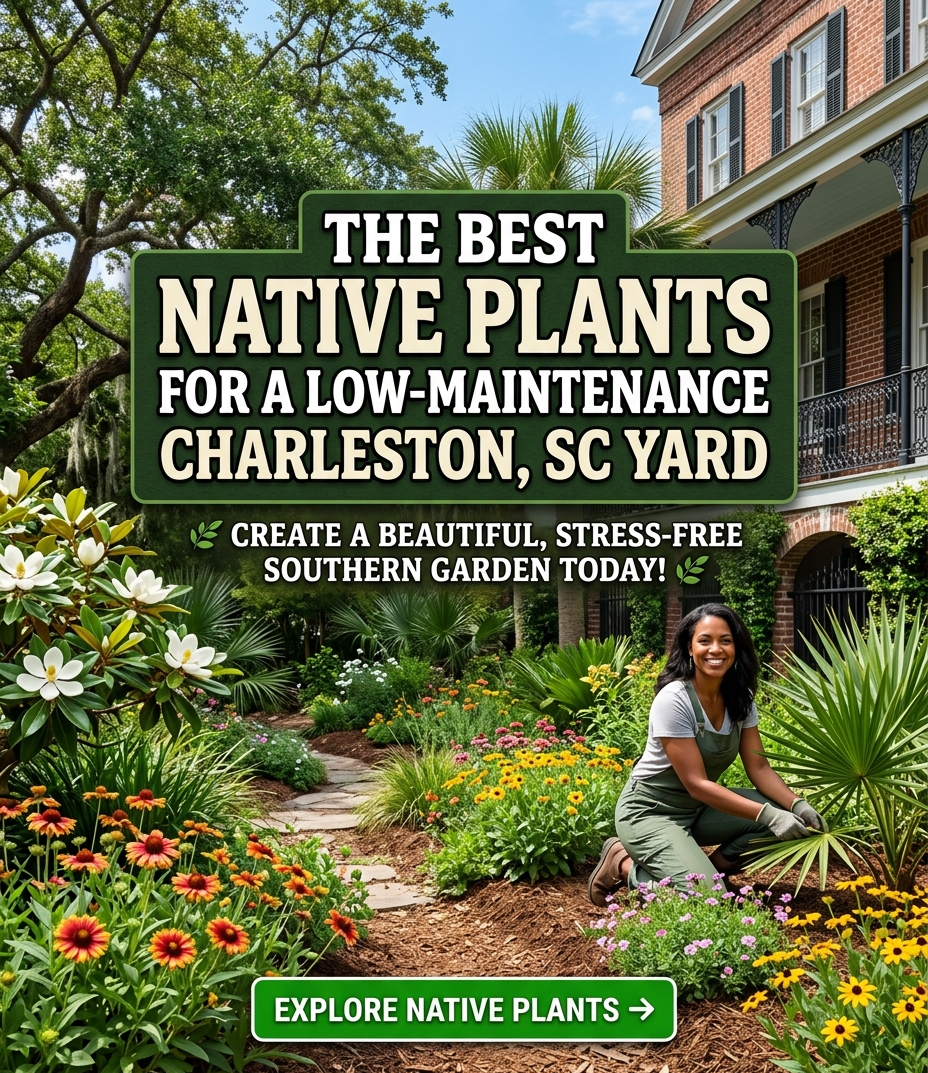
Native plants evolved with the local climate, soil, pests, and pollinators. That means they handle Charleston's humid summers and mild winters with very little intervention. You spend less time watering, less money replacing dead landscaping, and far less effort fighting fungus, mildew, or invasive bugs. They also support local wildlife, from butterflies to songbirds, which is a nice bonus for anyone who enjoys an outdoor lifestyle.
Beyond function, native landscaping looks the part. It pairs naturally with the live oaks, palmetto trees, and marsh views that define the area, whether you are on James Island, in Mt Pleasant, SC, or farther inland in Summerville.
Trees Every Charleston Yard Should Consider
Trees set the tone of the entire landscape, and the Lowcountry has some real winners.
Live Oak
The unofficial mascot of the area. Live oaks grow slowly but live for generations, drape gracefully with Spanish moss, and offer massive shade. If you have a larger lot or are buying a home with a young oak already in place, protect it. Mature oaks add real character and real value.
Southern Magnolia
Glossy evergreen leaves, dramatic creamy white flowers, and a strong Southern personality. Magnolias are durable, beautiful, and very Charleston.
Sabal Palmetto
South Carolina's state tree. The Sabal palmetto is hardy, salt-tolerant, and at home almost anywhere in the Lowcountry. It looks especially good lining a driveway or framing a coastal home.
Shrubs That Thrive Without Constant Care
For year-round structure, native and well-adapted shrubs do most of the heavy lifting in a low-maintenance landscape.
Wax Myrtle
This versatile evergreen shrub or small tree is salt-tolerant, drought-tolerant, and incredibly easy to grow. It works great as a privacy hedge or natural screen.
Yaupon Holly
A native holly that tolerates almost anything Charleston throws at it, including drought, salt, and poor soil. It also responds well to shaping if you like a tidier look.
Inkberry Holly
A more compact alternative to yaupon, inkberry holly is great for foundation planting and low borders. Its dense, evergreen growth makes it a workhorse in any Charleston yard.
Flowering Plants and Perennials
If you want color without the constant maintenance, lean on these proven Lowcountry performers.
Coreopsis
The South Carolina state wildflower. Yellow blooms, low growth, and very minimal water needs. It is a great choice for sunny, sandy spots.
Black-Eyed Susan
Cheerful, durable, and drought-tolerant. Black-eyed Susans bloom from summer into fall and bring pollinators to the yard.
Beach Sunflower
Especially helpful for homes near the coast on Folly Beach and other beach communities. It loves sandy soil and sunshine and rarely needs supplemental watering.
Muhly Grass
This ornamental native grass turns into clouds of pink in the fall. It thrives with very little attention and softens the look of formal landscaping.
Ground Covers and Erosion Control
For shaded yards or sloped sections, native ground covers can solve problems while keeping maintenance low.
Partridgeberry
A low-growing evergreen that handles shade beautifully under live oaks. Perfect for natural areas where lawn grass simply will not thrive.
Liriope
While not strictly native, liriope is naturalized in the South, holds slopes well, and tolerates Charleston's climate without complaint. It is widely used in coastal landscaping for good reason.
Plants to Avoid or Use With Caution
Some of the most popular landscape plants in other regions struggle in the Lowcountry or create more work than they are worth. Boxwoods often fight fungus in Charleston's humidity. Dwarf Alberta spruces frequently scorch in the summer heat. And anything labeled "deer resistant" is still worth double checking with a local nursery, since the Lowcountry deer population is opinionated.
Pulling It All Together
The best Charleston yards build a layered look. Start with native trees for shade and structure, fill in with hardy evergreen shrubs, add color through native perennials, and finish with ground covers where you would otherwise fight to grow grass. The end result feels intentional, looks great year-round, and asks for very little from you.
Local Lifestyle and Curb Appeal
Native landscaping is also a smart move for sellers. A clean, healthy yard with mature, well-chosen plants signals that the home has been cared for, and it photographs beautifully for listings. Buyers walking up to a home in historic Charleston or a coastal neighborhood expect that classic Lowcountry look. Native plants deliver it without forcing future owners to chase a complicated maintenance schedule.
Key Takeaways
Choosing native plants is one of the simplest ways to make your Charleston yard easier to live with and more beautiful year-round. They handle the humidity, the salt air, the sandy soils, and the heat with far less help than non-native varieties. Whether you are settling into a new build, freshening up the landscape on an older home, or preparing to sell, a mix of native trees, shrubs, perennials, and ground covers gives you the classic Lowcountry look while saving time, money, and water in the long run.