Welcome to our Charleston Real Estate Blog!

We will use this space to show our newest listings of available properties for sale in Charleston, Summerville, Mount Pleasant, and the islands. If you see something you like, call or contact us quickly to get your dream home in Charleston SC!

April 10, 2026

Isle of Palms: Full-Time Living vs. Second Homes

A Complete Guide for Buyers, Sellers, and Investors

Few coastal markets in the Southeast generate as much interest—and debate—as Isle of Palms, South Carolina. With its pristine beaches, luxury homes, and proximity to Charleston, this barrier island offers a unique lifestyle that attracts both full-time residents and second-home buyers.

But which path is right for you—or your clients? Whether you're buying, selling, or investing, understanding the differences between full-time living and second-home ownership on Isle of Palms is essential for making a smart real estate decision.
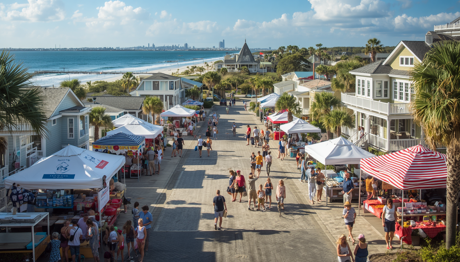
Coastal Market

Isle of Palms Real Estate Market Overview

Before diving into lifestyle comparisons, it’s important to understand the market dynamics.

  • Median home prices recently reached approximately $2.1 million, reflecting significant year-over-year growth
  • Average home values are around $1.57 million
  • The majority of homes are high-end, with 86% priced above $750,000
  • Inventory remains relatively limited, contributing to ongoing demand

This is a luxury, lifestyle-driven market—one where both emotional appeal and investment potential play major roles.

Full-Time Living on Isle of Palms

Lifestyle & Community

Living full-time on Isle of Palms offers a rare combination of coastal tranquility and access to urban amenities. Located just minutes from Charleston, residents enjoy:

  • A tight-knit, small-town population (approx. 4,300 residents)
  • Walkable beach access and outdoor recreation
  • A slower pace of life with strong community ties

Full-time residents often cite quality of life as the biggest advantage—morning beach walks, year-round mild weather, and less congestion compared to tourist-heavy seasons.

Housing Considerations

Full-time buyers typically prioritize:

  • Primary residences with larger square footage
  • Proximity to schools and essential services
  • Long-term livability over short-term rental income

Because Isle of Palms is dominated by luxury inventory, affordability can be a challenge. In fact, 0% of surveyed residents consider housing affordable

Pros of Full-Time Living

  • Strong sense of community
  • Stable long-term investment
  • Potential tax benefits for primary residence
  • Lifestyle consistency (not seasonal)

Cons

  • Higher cost of living
  • Exposure to coastal risks (insurance, storms)
  • Limited year-round inventory

Isle of Palm

Second Homes & Vacation Properties

Why Buyers Choose Second Homes

Isle of Palms is a premier destination for second-home buyers—and for good reason:

  • Strong tourism demand
  • Luxury beachfront appeal
  • Proximity to Charleston’s dining, culture, and airport

Second homes here are often used as:

  • Personal vacation retreats
  • Short-term rental investments
  • Hybrid properties (part-time use + income)

Investment Potential

Vacation homes on Isle of Palms can generate significant rental income, especially during peak seasons.

However, investors should consider:

  • Seasonal income fluctuations
  • Property management costs
  • Local regulations on short-term rentals

While rental inventory is relatively limited, median rents can reach nearly $7,000 per month, highlighting strong income potential

Pros of Second Homes

  • Income-generating opportunity
  • Personal vacation use
  • Appreciation in a high-demand market
  • Flexibility (use or rent)

 Cons

  • Less community integration
  • Ongoing maintenance and management
  • Market sensitivity to tourism trends
  • Financing may be stricter than primary homes

What This Means for Buyers

  • Lifestyle buyers should focus on livability, location within the island, and long-term needs.
  • Investors should analyze rental demand, occupancy rates, and property management logistics.
  • Hybrid buyers (part-time residents) can benefit from both—but need to carefully balance usage vs. income.

What This Means for Sellers

Understanding your likely buyer pool is critical:

  • Luxury oceanfront homes often attract second-home buyers and investors
  • Inland or residential-style homes may appeal more to full-time residents

Marketing strategy should reflect this:

  • Highlight rental income potential for investor audiences
  • Emphasize lifestyle and community for primary residence buyers

Final Thoughts: Which Is Right for You?

Choosing between full-time living and a second home on Isle of Palms ultimately comes down to your goals:

  • If you value daily coastal living and community, full-time residency offers unmatched quality of life.
  • If you’re seeking flexibility and investment upside, a second home may be the smarter play.
Posted in For Buyers, For Sellers
March 31, 2026

Buying a Second Home in the Charleston, SC Area: What You Need to Know

Charleston, South Carolina continues to attract buyers from across the country—and for good reason. With its historic charm, coastal lifestyle, and strong rental appeal, the Charleston area has become a hotspot for second homes, vacation properties, and real estate investments.

Whether you're looking for a beach retreat, a short-term rental, or a long-term wealth-building asset, here’s what buyers, sellers, and investors should understand before purchasing a second home in Charleston.

Why Charleston Is a Top Second-Home Market

The Charleston market offers a unique blend of lifestyle and investment potential. From the historic streets of downtown to beachfront communities like Sullivan’s Island and Isle of Palms, buyers have diverse options to match their goals.

Several factors continue to drive second-home demand:

  • Tourism strength: Charleston consistently ranks as one of the top U.S. travel destinations
  • Lifestyle appeal: Coastal living, mild climate, and rich culture
  • Remote work trends: More buyers can live part-time or seasonally
  • Rental income potential: Strong short-term and seasonal rental demand

However, the market is evolving. Nationally, demand for vacation homes has slowed due to higher interest rates and costs, making strategic buying more important than ever

Understanding the Charleston Real Estate Market (2026 Update)

Before purchasing a second home, it’s essential to understand current pricing and trends.

  • The average home value in Charleston is around $581,000 as of early 2026
  • Median sale prices hover near $600,000, with some year-over-year softening
  • Homes are taking ~69–89 days to sell, indicating a more balanced market
  • Charleston County’s median home price is about $670,000

What this means for buyers and investors:

  • You may have more negotiating power than in the ultra-competitive pandemic years
  • Inventory has improved, offering more choices
  • Pricing remains premium especially in coastal and historic areas

Best Areas for Second Homes in Charleston

Choosing the right location is one of the most important decisions when buying a second home.

1. Downtown Charleston (Historic District)

Ideal for: Luxury buyers, part-time residents

Pros: Walkability, charm, strong appreciation

Cons: Higher prices, stricter rental regulations

2. Mount Pleasant

Ideal for: Families and long-term investors

Pros: Top-rated schools, suburban feel, proximity to beaches

Cons: Competitive pricing

3. Isle of Palms & Sullivan’s Island

Ideal for: Vacation homes and luxury beachfront properties

Pros: High-end appeal, strong rental demand

Cons: Limited inventory and very high price points 

4. James Island & Johns Island

Ideal for: Buyers seeking affordability and growth potential

Pros: Lower entry price, development upside

Cons: Longer commute to downtown

Financing a Second Home

Financing a second home is different from buying a primary residence. Here’s what to expect:

  • Higher down payment requirements (typically 10–20% or more)
  • Stricter credit and income standards
  • Slightly higher interest rates than primary home loans

If you're planning to use the home as an investment property, loan terms may be even more stringent.

Short-Term Rental Rules & Regulations

One of the biggest considerations in Charleston is local regulation especially for short-term rentals (STRs).

  • Many areas in downtown Charleston have strict permitting requirements
  • Some neighborhoods prohibit or limit short-term rentals entirely
  • Beach communities may have different rules and licensing requirements

Pro tip: Always verify zoning and STR regulations before purchasing. This can make or break your investment returns.

Costs Beyond the Purchase Price

Buying a second home involves more than just the mortgage. Key costs include:

  • Property taxes (often higher for non-primary residences)
  • Insurance, including flood insurance in coastal areas
  • HOA fees (common in resort-style communities)
  • Maintenance and property management
  • Vacancy and seasonal income fluctuations

In coastal markets like Charleston, insurance costs can be significant, especially in flood-prone zones.

Rental Income & Investment Potential

Charleston remains attractive for investors, but profitability depends heavily on location and strategy.

Key considerations:

  • Peak rental seasons (spring through summer)
  • Event-driven demand (weddings, festivals, tourism)
  • Property type (condos vs. single-family vs. luxury homes)

Location plays a major role in returns markets with strong tourism and favorable rental rules tend to outperform.

Risks to Consider

Every real estate investment carries risk, and Charleston is no exception.

1. Climate & Flood Risk

Charleston is a low-lying coastal city, and flooding is an increasing concern. Some projections estimate significant long-term impacts on property accessibility.

2. Market Shifts

While still desirable, the market has cooled slightly, and appreciation is no longer guaranteed in the short term.

3. Regulatory Changes

Local governments may tighten short-term rental restrictions, impacting income potential.

  • Tips for Buying a Second Home in Charleston
  • Define your goal: Personal use vs. rental income vs. appreciation
  • Work with a local expert: Regulations vary significantly by neighborhood
  • Run the numbers carefully: Include all carrying costs
  • Consider long-term value: Focus on location and demand drivers
  • Visit during different seasons: Understand traffic, tourism, and livability

Final Thoughts

Buying a second home in the Charleston, SC area can be both a lifestyle upgrade and a smart investment—but success depends on strategy.

With home values stabilizing, inventory improving, and demand still strong, today’s market offers opportunities for well-informed buyers. Whether you're searching for a beachfront escape, a historic downtown property, or a rental investment, Charleston remains one of the most compelling second-home markets in the Southeast.

Posted in For Buyers, For Sellers
March 18, 2026

What Makes the Charleston Real Estate Market Different from the Rest of South Carolina?

If you’re considering buying, selling, or investing in South Carolina real estate, you’ve likely noticed that Charleston operates in a league of its own. While the broader state market offers affordability and steady growth, Charleston stands out for its unique blend of coastal lifestyle, strong demand, and long-term investment appeal.

Here’s a deep dive into what truly sets the Charleston real estate market apart—and what it means for you.

1. Higher Home Prices—But Stronger Long-Term Value

One of the most obvious differences is pricing.

  • Charleston median home price: ~$570,000+
  • South Carolina median home price: ~$353,000

That’s a significant gap—and it reflects more than just location.

Charleston’s premium pricing is driven by:

  • Waterfront and historic properties
  • Limited land availability (especially downtown and barrier islands
  • High demand from out-of-state buyers

Even with price fluctuations, values have remained resilient, with steady appreciation over time

What this means:

  • Buyers should expect to pay more—but gain stronger long-term equity potential
  • Sellers benefit from higher price ceilings
  • Investors see Charleston as a wealth-preservation market, not just cash flow

2. A Lifestyle-Driven Market (Not Just Economic)

Unlike many inland South Carolina cities, Charleston is heavily influenced by lifestyle demand.

The city consistently ranks as one of the most desirable places to live in the U.S., thanks to:

  • Coastal living and beaches
  • Historic charm and architecture
  • Food, culture, and tourism appeal

This “lifestyle premium” attracts:

  • Retirees
  • Remote workers
  • Luxury buyers

In fact, Charleston continues to draw high-income relocators from the Northeast, fueling demand beyond local income levels

Charleston isn’t just a housing market—it’s a destination market.

3. Strong Population Growth and Migration Trends

Charleston’s growth rate is another major differentiator.

  • Net migration contributes significantly to population growth
  • Job growth reached ~3.2% year-over-year
  • Millennial households make up ~36% of the population

Compare that to slower-growing areas in South Carolina, and you’ll see why Charleston maintains stronger housing demand.

For buyers and investors:

  • More competition—but also more liquidity when selling
  • A larger renter pool for investment properties

4. A Unique Mix of Luxury and Attainable Submarkets

Charleston offers diverse micro-markets, unlike many areas in South Carolina.

Luxury сегments:

  • Historic Downtown (multi-million-dollar homes)
  • Waterfront and barrier islands

More affordable growth areas:

Some neighborhoods still offer homes in the $300K–$400K range, while luxury properties can exceed $2M+

Why this matters:

  • Buyers have options at multiple price points
  • Investors can target different strategies (short-term rentals, long-term rentals, luxury flips)

5. Inventory Constraints Keep It Competitive

Like many desirable U.S. markets, Charleston faces inventory shortages.

  • Demand still outpaces supply in many areas
  • Active listings are rising, but competition remains

Even as the market normalizes, Charleston remains more competitive than many South Carolina cities.

Implications:

  • Buyers need strong offers and preparation
  • Sellers often retain negotiating power
  • Investors must act quickly on good deals

6. Tourism and Short-Term Rental Opportunities

Charleston’s thriving tourism industry adds another layer not seen in most SC markets.

This creates:

  • Strong demand for short-term rentals (STRs)
  • Opportunities for vacation home investors
  • Higher rental income potential in prime areas

However, investors must also navigate:

  • Local regulations
  • Zoning restrictions

Compared to cities like Columbia or Spartanburg, Charleston offers far more STR potential—but with more complexity.

7. Climate and Coastal Factors (A Unique Risk-Reward Balance)

Charleston’s coastal location is both a strength and a challenge.

  • Rising flood risks and insurance costs are real considerations
  • Some properties require flood insurance and mitigation

Yet demand remains strong despite these risks—because buyers value the location and lifestyle.

Smart strategy:

  • Buyers should evaluate flood zones carefully
  • Investors should factor insurance costs into ROI

8. A More Balanced—but Still Active—Market in 2026

The Charleston market is evolving into a more balanced environment:

  • Price growth has stabilized (no longer double-digit increases)
  • Inventory is improving
  • Affordability is slowly returning as rates adjust

This creates opportunities:

  • Buyers gain more negotiating power
  • Sellers still benefit from strong demand
  • Investors can enter at more stable price points

Final Thoughts: Why Charleston Stands Apart

Charleston isn’t just another South Carolina housing market—it’s a high-demand, lifestyle-driven, investment-grade market with national appeal.

Posted in Lifestyle
March 2, 2026

Staging Tips That Work for Charleston, SC Homes

Whether you’re selling a historic bungalow in Downtown Charleston, a coastal condo on Sullivan’s Island, or an investment property in West Ashley, staging your home effectively can make all the difference. In a competitive market like the Charleston, SC area where buyers are drawn to charm, light-filled spaces, Southern architecture and coastal lifestyle thoughtful staging helps your property stand out online, at showings, and in offers. This guide brings you staging tips that actually work for local homes and deliver real results.

Why Staging Matters in the Charleston Market

Staging isn’t just about décor it’s about helping buyers see themselves living in your home. Zillow research shows that intentional staging makes spaces feel inviting, highlighting layout and maximizing perceived value compared to empty or overly personalized homes.

According to staging professionals:

  • 81% of buyers find staged homes easier to visualize as their future home.
  • Staged homes often sell faster and attract more interest than unstated homes.
  • Some local staging data suggests staged properties can sell up to 25% faster in the Charleston area.

That’s meaningful in a market where days on market can directly affect negotiation leverage and final sale price.

Top Charleston-Specific Staging Tips That Work

1. Declutter & Depersonalize Start Strong

A key first step in staging is removing clutter and personal items (like family photos or busy décor), which can distract buyers from the home itself. A clean, neutral canvas helps buyers picture their own lives here. This simple step is consistently a top staging priority.

2. Boost Curb Appeal with Lowcountry Flair

Charleston buyers love first impressions and curb appeal plays a huge role. Whether you’re in Mount Pleasant, James Island, or the Old Village of Summerville:

  • Clean or repaint the front door in classic, neutral hues.
  • Power-wash walkways and porches.
  • Add seasonal, low-maintenance plantings that reflect our coastal environment.

Because many buyers start their home search online, exterior photos can make or break that initial click.

3. Focus on Key Rooms That Buyers Notice First

Not all rooms carry equal weight when buyers are deciding whether to make an offer. Real estate surveys show that staging:

  • Living rooms, primary bedrooms, and kitchens are most important to buyers.

These spaces should appear spacious, functional, and welcoming. In smaller rooms common to older Lowcountry homes, remove oversized furniture and use neutral accents to open up the space.

4. Make Lighting a Priority

Proper lighting matters both online and in person:

  • Open curtains and blinds.
  • Use soft, warm bulbs to create cozy yet bright spaces.
  • Add lamps to dark corners.

Good lighting makes rooms feel larger, cleaner, and more inviting especially important with Charleston’s charming older homes that sometimes have smaller windows.

5. Neutral Colors & Coastal Style Sell

Although Charleston is rich with historic architectural details and character, staging works best when décor doesn’t compete with the home itself. Neutral paint and décor help buyers focus on the home’s features not the seller’s personal taste. In coastal areas like Isle of Palms or Folly Beach, subtle coastal accents can enhance the lifestyle appeal while still remaining broadly attractive.

6. Stage Outdoor Living Spaces

Porches, patios, and decks matter here. Create inviting outdoor vignettes:

  • Bistro tables on porches
  • Adirondack seating on decks
  • Potted greenery and soft lighting for evening ambiance

Charleston buyers value indoor-outdoor living. Show them how it feels, not just how it looks.

7. Consider Virtual Staging for Vacant Homes

If your property is empty, virtual staging can be a cost-effective way to showcase its potential. Virtual staging places digital furnishings in listing photos, helping buyers visualize layout and scale often at a fraction of traditional staging costs.

Bonus: What to Avoid When Staging

Good staging is about balance. Common missteps sellers make include:

  • Over-personalized décor that turns off buyers.
  • Too strongly scented air fresheners that feel like masking problems.
  • Leaving cluttered pet areas visible.
  • Seasonal décor that dates listing photos.

These can subconsciously make buyers less confident or distract them from thoughtful features your home offers.

Staging is an Investment with Real Value

Professional home staging isn’t just a cosmetic upgrade it’s a strategic marketing decision. In Charleston’s fast-paced market, showcasing a property’s potential often translates into increased buyer interest, shorter time on the market, and stronger offers.

If you’re preparing to sell whether it’s your primary residence or an investment property staging should be part of your pricing and marketing strategy from the start.

Posted in For Sellers
Feb. 16, 2026

How Long Homes Typically Take to Sell in the Charleston, SC Area (2026 Market Guide)

Updated for 2026 with the latest local housing market insights

Whether you’re a home buyer, seller, or real estate investor in the Charleston, SC area, one question comes up again and again:

Question

“How long will it take for a home to sell?”

Understanding the typical timeline can help you set realistic expectations, price strategically, and make smarter decisions in one of South Carolina’s most dynamic real estate markets.

Current Market Reality: Days on Market in Charleston

In Charleston’s housing market, the pace of home sales has shifted compared to the frenzy seen earlier in the decade. Based on recent market data:

  • Median days on market (DOM) for homes in the city of Charleston is about 69 days before going under contract meaning roughly two to two-and-a-half months from listing to accepted offer.
  • According to alternative market metrics, some homes in the Charleston area are showing median sale periods closer to 93 days.
  • Neighborhoods and ZIP codes vary — luxury districts or historic areas often take longer (e.g., 29401 closer to 98 days), while others sell faster.

Takeaway: Most homes in Charleston today take about two to three months to sell — but local conditions and home characteristics strongly influence the clock.

Why Homes Are Taking a Bit Longer to Sell

Several local and broader economic factors are influencing the pace of sales in Charleston today:

1. Increased Inventory

More homes on the market give buyers greater choice — but also mean listings may stay available longer before an offer.

2. Interest Rates Still Elevated

Higher mortgage rates compared to the ultra-low era make buyers more deliberate — increasing the average DOM versus boom-market norms.

3. Neighborhood Preference & Price Range

Higher-priced or niche properties (historic downtown homes, luxury estates) typically require more time to find the right buyer.

4. Price Strategy Matters

If a home is priced aggressively to market value — and presented well — it will tend to sell faster. Listings that need price adjustments often sit longer.

What Buyers Should Know

For buyers in Charleston:

  •  You may have more time to evaluate homes — especially compared to peak pandemic bidding wars.
  •  Homes priced competitively will attract offers sooner — often within the first few weeks.
  •  Working with a local agent helps you monitor DOM trends and act when a home is priced right.

Final Thoughts

In the Charleston, SC area — from West Ashley to James Island and downtown historic districts — homes are selling at a healthy but more measured pace than in the pandemic market. Data suggests:

Posted in For Sellers
Feb. 5, 2026

How Climate Change Is Impacting Coastal Real Estate in South Carolina

Climate change isn’t a distant threat—it’s reshaping coastal real estate markets right now, especially across South Carolina’s treasured Lowcountry and Atlantic shoreline. As a home buyer, seller, or investor focused on this region, understanding how rising sea levels, flooding, erosion, and insurance challenges are intersecting with property values can help you make informed decisions and protect your investment.

Rising Sea Levels: A Real and Rapid Reality

South Carolina’s coastline is particularly vulnerable to sea level rise, driven largely by climate change. Over the past decade, areas like Charleston have already seen sea levels rise about 1 foot, and projections suggest another foot or more by 2050—with potentially even higher increases later this century.

This steady encroachment of water has serious implications:

  • More frequent tidal flooding: Without major adaptation efforts, many homes that never flooded historically could see “chronic inundation”—flooding more than 26 times per year just from tides.
  • Saltwater intrusion and groundwater issues: Rising seas push saltwater further inland, threatening freshwater supplies, landscaping, and septic systems.

For buyers and sellers, this means areas once considered premium due to views and water access may now carry hidden long-term risks.

Impacts on Property Values and Market Perceptions

Traditionally, coastal living has commanded a price premium. But climate risks are increasingly influencing how properties are valued:

  • Market risk and value erosion: By 2045, more than 16,000 coastal South Carolina homes could be chronically inundated, putting billions of dollars in residential property value at risk.
  • “Climate discounts” and buyer behavior: Some coastal markets are already seeing properties in high-risk flood zones trade at lower relative prices, as buyers' factor in future flood risk and insurance costs.

Savvy investors and buyers are watching these trends carefully. Properties in safer, slightly elevated areas or those with resilience improvements (like elevated construction) often maintain stronger buyer interest.

Flooding, Insurance, and Cost of Ownership

Climate change is doing more than just pushing water up the coast—it’s increasing financial risk for homeowners:

  • More frequent flooding events: Today’s “100-year flood” zones could become common occurrence areas during king tides or heavy storms.
  • Rising insurance premiums: Flood insurance and coverage costs are climbing nationwide for properties in high-risk coastal areas, and in some cases, insurers are pulling out altogether, leaving homeowners scrambling for coverage.
  • Uninsured exposure: Without adequate coverage, costly damages from flooding events could fall entirely on property owners.

For sellers, this can affect how quickly homes sell and the price they command. For buyers, it means factoring ongoing insurance and mitigation costs into long-term affordability.

Erosion and Shoreline Change

Coastal erosion is accelerating as higher seas allow stronger waves to chip away at beaches and marsh edges. This not only alters the scenic appeal of waterfront properties but also:

  • Reduces usable land space for homes and amenities.
  • Can destabilize foundations and seawall infrastructure.
  • Requires more frequent (and expensive) shoreline nourishment or coastal defense measures.

Local ecosystems like salt marshes are also shrinking, which removes natural buffers that once absorbed storm surge and wave energy.

What Buyers, Sellers, and Investors Should Know

For Buyers:

  •  Investigate flood maps and elevation data before making an offer.
  •  Ask about past flooding events and any mitigation measures taken by the seller.
  •  Consider homes with elevated foundations or resilient design features.

For Sellers:

  • Be transparent about known climate risks—this builds trust and can reduce negotiation delays.
  • Highlight resilience upgrades (e.g., storm-resistant construction, flood proofing).
  • Price thoughtfully, balancing lifestyle appeal with long-term risk.

For Investors:

  • Focus on diversification across elevations and neighborhoods.
  • Watch for infrastructure investments (e.g., living shorelines, flood mitigation efforts) that can protect property values.
  • Understand that climate risk is increasingly priced into markets—sometimes before it shows up in physical impacts.

The Bottom Line

Climate change is more than an environmental issue—it’s a market force affecting coastal real estate in South Carolina today. Rising sea levels, chronic flooding, and insurance challenges are reshaping how buyers value homes and how sellers position their listings. But with risks come opportunities: informed, forward-thinking buyers and investors who understand these trends can position themselves for long-term success in this dynamic market.

Posted in For Buyers, For Sellers
Jan. 26, 2026

Living in Historic Charleston, SC vs. Newer Planned Communities: What Home Buyers, Sellers & Investors Should Know

Charleston, South Carolina, is one of the most dynamic real estate markets in the Southeast — combining centuries-old Southern charm with modern lifestyle amenities. From historic cobblestone streets and antebellum architecture to sprawling new developments with resort-style amenities, Charleston offers options for every type of buyer, seller, and investor. In this guide, we explore the key differences between living in Historic Charleston and newer planned communities — helping you make smarter real estate decisions.

Why Historic Charleston Draws Buyers & Investors

1. Timeless Charm & Authentic Character

Walking through Historic Charleston is like stepping back in time. Neighborhoods such as the French Quarter, South of Broad, and Ansonborough are filled with preserved homes from the 18th and 19th centuries and iconic architectural styles. These properties aren’t just homes — they’re living pieces of history that often appreciate due to scarcity and demand.

Classic features like intricate ironwork, piazzas, and mature landscaping create an aesthetic and lifestyle many buyers crave — features that new construction can’t replicate.

2. Strong Price Appreciation & Investment Appeal

Historic neighborhoods tend to command higher sale prices compared to surrounding suburbs and newer developments. The Charleston housing market continues to show strong valuation growth, with recent data reporting a median home sale price around $640,000, up year-over-year.

Luxury historic homes have broken records: a circa-1800 estate recently sold for over $21 million, and other restored historic mansions are listed in the high-eight-figure range. These premium prices underscore both the enduring appeal of historic properties and their value for long-term investment.

3. Walkability & Cultural Lifestyle

Living in Historic Charleston often means a pedestrian-friendly lifestyle with easy access to cafes, galleries, boutiques, parks, and the waterfront. Many residents enjoy a strong sense of community rooted in tradition and local culture.

For buyers who value character, social engagement, and being close to Charleston’s thriving downtown life, historic districts are tough to beat.

4. Challenges to Consider

Owning an older home can come with challenges: preservation regulations, higher maintenance needs, and environmental concerns such as flooding risk — particularly in low-lying coastal areas. Historic homes may also have limited parking, outdated infrastructure, and renovation restrictions to preserve authenticity.

Newer Planned Communities: Modern Comfort & Convenience

1. Designed for Lifestyle & Amenities

Master-planned communities like Cane Bay Plantation, Oakfield on Johns Island, and others around the Charleston metro are designed with modern lifestyles in mind. These communities often feature:

  • Amenities like pools, parks, trails, and community centers
  • Mixed-use spaces with retail, dining, and services nearby
  • Smart home technologies and sustainability features
  • Multigenerational living options and community event programming

Buyers who prioritize low maintenance, convenience, and resort-style living often find these communities ideal.

2. More Affordable Entry Points

While historic homes often sit at a premium, newer developments can offer more affordable housing options, especially for first-time buyers and young families. Suburban communities west of the peninsula and in areas like Summerville or Mount Pleasant provide a larger variety of price points and home styles.

3. Ease of Ownership

New construction homes typically come with modern systems, energy-efficient designs, and warranties — reducing immediate maintenance costs compared to older properties. Additionally, planned communities often have active homeowner associations (HOAs) that manage landscaping, amenities, and community standards — a benefit for buyers who prefer hands-off upkeep.

4. Connectivity & Future Growth

Many planned communities are strategically located near major employment hubs, quality schools, and future infrastructure improvements — aspects that can enhance resale value over time.

Who Each Option Is Best For

Historic Charleston is ideal for:

  • Buyers seeking charm, character, and walkable living
  • Investors targeting luxury properties and long-term appreciation
  • Sellers in premium price brackets

Planned communities are ideal for:

  • First-time home buyers or growing families
  • Buyers prioritizing modern convenience and community amenities
  • Investors focused on rental demand in suburban markets

Final Thought: Your Charleston Real Estate Journey

Whether you’re drawn to a restored Victorian townhome on cobblestone East Bay Street or a spacious, amenity-rich home in a vibrant planned community, Charleston offers diverse opportunities for every taste and investment strategy.

For buyers, understanding these lifestyle and market differences helps you choose the right neighborhood based on your priorities. For sellers and investors, recognizing demand trends — including historic homes’ premium appeal and the increasing popularity of suburban planned communities — is key to positioning your properties effectively.

Posted in For Buyers, For Sellers
Jan. 21, 2026

Why Charleston, SC Continues to Attract Out-of-State Buyers

If you’ve been watching the housing market lately, it’s no surprise Charleston, South Carolina is commanding headlines. From its coastal charm and strong economy to steady home price appreciation, Charleston has become one of the most sought-after real estate markets in the Southeast — drawing buyers from across the U.S. In fact, the National Association of Realtors recently named Charleston among the top 10 home-buying hot spots for 2026 — proof that interest from outside the region isn’t slowing anytime soon.

Whether you’re considering relocating, selling your property, or investing in real estate here, understanding the forces shaping this boom can help you make smarter decisions.

1. Quality of Life That Out-of-State Movers Love

Charleston’s blend of historic charm, Southern hospitality, and coastal living is a powerful draw for people looking to escape the stress and high costs of larger metropolitan areas.

Buyers relocating from states like New York, California, and Illinois often cite the region’s mild climate, beaches, vibrant food scene, and cultural amenities as key lifestyle upgrades. These lifestyle benefits — combined with a slower pace and abundant outdoor activities — are a major reason working professionals, retirees, and families are choosing Charleston over their hometowns.

2. Strong Real Estate Demand and Price Growth

Charleston’s housing market has shown remarkable resilience over recent years. Even amid changing mortgage rates, home values have continued to rise, outpacing national averages in many segments:

  • The area saw approximate 4% price growth in 2025 and is forecasted to appreciate further in 2026.
  • Inventory levels remain relatively tight, fueling competition among buyers and helping sustain property values.

This steady price appreciation signals confidence in Charleston’s long-term real estate fundamentals, appealing to both primary home buyers and investors looking for markets with solid return potential.

3. A Booming Local Economy

Charleston’s economy is more than just sunshine and beaches — it’s supported by diverse industries that create jobs, attract talent, and support housing demand.

Growing sectors include:

  • Advanced manufacturing
  • Technology and innovation
  • Healthcare
  • Shipping and logistics (Port of Charleston)

These industries not only bring job opportunities but also attract new residents looking for both employment and quality living. Economic growth translates directly into real estate demand, making Charleston attractive for professionals relocating from high-cost urban centers.

4. Out-of-State Buyers Shaping Neighborhood Dynamics

Out-of-state interest is visible across multiple market segments:

  • Luxury properties in areas like Isle of Palms, Sullivan’s Island, and Mount Pleasant continue to attract affluent buyers from higher-cost regions.
  • Secondary homes and investment properties appeal to those who want a coastal getaway combined with rental income potential — especially in short-term rental markets.

In many cases, out-of-state buyers are less price-sensitive than local buyers, which can support higher sale prices and stronger market activity.

5. Remote Work and Flexible Lifestyles Fuel Relocation Trends

The rise of remote work has fundamentally changed how many people choose where to live. Charleston benefits from this shift because it offers a high quality of life without sacrificing connectivity — allowing remote workers to base themselves in a city with coastal appeal and reasonable commuting distances to employment hubs when needed.

With many tech and professional roles remaining flexible, buyers are increasingly choosing locations based on lifestyle and affordability rather than proximity to a physical office — a trend that continues to benefit Charleston’s real estate market.

6. Long-Term Investment and Seller Opportunities

For sellers, this influx of out-of-state demand often means:

  • Homes in desirable areas can command premium prices
  • Properties with unique features and locations tend to sell quickly
  • Seasonal demand from vacation buyers keeps the market lively year-round

For investors, Charleston’s strong rental demand and projected economic growth make it a compelling market for long-term holds, short-term rentals (where allowed), and appreciation play.

Final Thoughts

Charleston’s appeal isn’t a trend — it’s a combination of enduring lifestyle allure, economic opportunity, and real estate fundamentals that attract buyers from across the nation. Whether you’re a first-time home buyer seeking a new life by the sea, a seller looking to capitalize on strong demand, or an investor targeting growth markets, Charleston continues to offer compelling reasons to make it your next real estate destination.

Posted in For Buyers
Jan. 9, 2026

How Seasonality Affects Selling in the Charleston, SC Area

Charleston’s real estate market is as dynamic and charming as the city itself with seasonal trends that deeply influence buyer activity, listing strategies, pricing, and inventory levels. Whether you’re selling your home, buying in the area, or investing in Charleston real estate, understanding when and why seasons matter can help you make smart timing decisions and maximize your opportunities.

Spring (March – May) Peak Season for Sellers

For most markets in the U.S., including Charleston, spring is widely regarded as the strongest time to sell a home — and Charleston is no exception. Research across national markets consistently shows that buyer demand begins rising in early spring as weather improves, landscaping comes alive, and families aim to move before summer, and the new school year begins.

Why Spring Works So Well in Charleston

  • Warmer weather and longer daylight hours encourage more weekend showings, open houses, and buyer traffic.
  • Buyers especially families prefer to lock in a new home before school starts.
  • Listings can stand out as lawns green up and curb appeal peaks.
  • National trend data suggest homes listed in mid-April often sell faster and for more money than in winter months.

For Charleston sellers, listing in March or April often means more eyes on your property, faster offers, and competitive bidding, particularly in desirable neighborhoods and family-friendly school zones.

Summer (June – August) Continued Activity with Nuances

Summer remains an active season for Charleston’s housing market, driven by relocation buyers, tourists thinking about investment or second homes, and local buyers closing before school resumes elsewhere.

However, summer has its own dynamics:

  • Tourism peaks in Charleston and coastal communities like Folly Beach, drawing out-of-town visitors some of whom become interested buyers.
  • Families who start their search in spring often move quickly in early summer to settle before fall.
  • Inventory usually stays healthy, giving buyers options but cooling slightly as the season progresses.

For sellers, this means continued visibility especially for homes that show well during sunny summer days. For buyers, summer can still be a strong time to act before competition resurges in fall.

Fall (September – November) Strategic Opportunities

Activity typically slows in fall compared to spring and summer but slower doesn’t always mean worse.

What Fall Means for Sellers

  • There are fewer listings than in spring, which can help your home stand out.
  • Motivated buyers — often relocating or looking to close before year’s end are still active.
  • Pricing becomes more realistic as the market shifts away from seasonal hype.

What Fall Means for Buyers

  • Less competition often means more negotiating leverage.
  • Sellers who didn’t sell in spring or summer may be more open to offers.
  • It’s a smart season to find deals if you’re patient but serious about buying.

Overall, fall rewards strategic pricing and preparation more than sheer volume of traffic.

Winter (December – February) Slowest Selling Period

Winter is historically the slowest period for real estate activity nationwide and Charleston isn’t immune to this effect, even with its milder climate.

Key Winter Market Traits

  • Buyers and sellers tend to take a holiday break, reducing showings and offers.
  • Homes can sit on the market longer offering negotiation opportunities for buyers.
  • Some motivated sellers may price more aggressively to beat spring competition.

If you need to sell during winter, pricing strategically and staging for cozy appeal can help keep your listing competitive. Conversely, buyers often find better deals and less competition during winter months.

Charleston Market Today: Seasonal Context

In 2025, Charleston’s housing market shows signs of seasonally influenced shifts:

  • Inventory levels have been increasing, giving buyers more choices compared to prior years.
  • Homes are taking a bit longer to sell often around 55–60 days on market, reflecting a market that’s active but more balanced than the frenzied post-pandemic environment.
  • Demand still remains strong in sought-after zones like Mt. Pleasant and Daniel Island, while some coastal areas show variable supply.

All of this underlines how seasonal patterns interact with local demand and broader economic trends meaning sellers and buyers should think holistically about when and why they list or hunt for homes.

Bottom Line

Seasonality does matter in Charleston’s real estate but it’s not the only factor. Weather, tourism, local employment, mortgage rates, and inventory shifts play big roles alongside seasonal trends.

Whether you’re selling, buying, or investing:

  • Spring and early summer typically bring the most activity.
  • Fall offers strategic opportunities with less competition.
  • Winter can mean better deals for prepared buyers.

If you’d like a customized market timing strategy for your home or investment goals in Charleston, reach out the best insights start with a conversation.

Posted in For Sellers
Dec. 26, 2025

New Construction Communities in the Charleston, SC Metro Area

Your Guide to Modern Living, Investment Potential & Smart Homebuying in the Lowcountry

The Charleston, SC metro area remains one of the most dynamic real estate markets in the Southeast. With a blend of historic charm, coastal beauty, and robust economic growth, this region continues to attract homebuyers, sellers, and investors alike. In recent years, new construction communities have surged in popularity — offering modern design, energy-efficient features, and lifestyle amenities that today’s buyers demand.

Why New Construction Is So Hot Right Now in Charleston

Newly built homes are increasingly capturing a larger share of the market across the Charleston region. In 2024, new construction accounted for an estimated 33% of all closings in the metro area, fueled by demand for turnkey living, contemporary floorplans, and desirable community amenities. Breaking this down: about 13% of closings in Charleston County, 48% in Dorchester County, and 50% in Berkeley County were for new homes — demonstrating strong growth outside the historic core as well as in rapidly expanding suburbs.

Buyers are especially drawn to new communities for several reasons:

  • Modern design & technology — open layouts, smart home features, and energy-efficient appliances
  • Lower maintenance costs — fewer immediate repairs and up-to-date building standards
  • Community amenities — pools, trails, green space, and family-focused spaces
  • Customization options — buyers can often select finishes, layouts, and upgrades before move-in

At the same time, high mortgage rates have tempered demand slightly, pushing some buyers toward the stability and predictability of a newly built home rather than competing in the resale market.

Where New Construction Is Thriving in the Charleston Metro

1. Summerville & Dorchester County

Summerville and surrounding areas remain some of the most active new construction hubs in the region. These master-planned communities offer a great value proposition — balancing proximity to Charleston with larger lots, modern schools, and growing retail and dining options. Builders frequently include community amenities like pools, playgrounds, and walking trails that appeal to families and relocating professionals.

2. Berkeley County Suburbs

With land more readily available, Berkeley County has become a hotspot for new builds and large-scale developments. Many new communities here are designed with space, lifestyle, and future growth in mind — making them a strong choice for both everyday living and long-term investment.

3. Outer Charleston County

While new construction in Charleston County proper accounts for a smaller percentage of closings compared with its neighbors, demand remains strong in areas like West Ashley, James Island, and the growing periphery of Mount Pleasant. These areas appeal to buyers seeking a balance of convenience to downtown Charleston with newer home options and community infrastructure.

Typical Price Points & Market Trends

According to market data for new construction listings in the Charleston metro area, the median home price for new builds sits near $450,000, with prices varying significantly based on location, builder, and community features.

Here’s what today’s landscape looks like:

  • Entry and mid-market new homes — often found in growing suburban communities, offering competitive pricing and builder incentives
  • Premium builds — in desirable areas like Mount Pleasant and Daniel Island, closer to beaches, top-rated schools, and Charleston’s coastal amenities
  • Investor opportunity — new homes in expanding neighborhoods may offer strong rental demand and appreciation potential, especially as buyers seek more space outside of historic districts

Buyers benefit from knowing what different builders offer — such as D.R. Horton, Lennar, Mungo Homes and others — each with unique product lines, floorplans, and quality distinctions.

What Buyers Should Consider with New Construction

1. Timing & Build Process

Unlike resale homes, new builds often have lead times — from foundation to finished home — that can range from a few months to a full year. Buyers should align expectations with builders’ schedules and understand what’s included in base pricing versus optional upgrades.

2. Location & Future Growth

Proximity to employment centers, schools, transportation, and retail can affect both lifestyle and long-term value. Emerging communities in Dorchester and Berkeley County often provide space and amenities but may require longer commutes for downtown workers.

3. Resale & Investment Perspective

New construction can offer an edge in resale value thanks to modern design and low maintenance. However, investors should assess rental demand, local zoning, and homeowners' association (HOA) terms when evaluating investment properties.

Sell or Stay: What This Means for Sellers

Sellers in Charleston’s older or historic neighborhoods may face competition from new construction — especially if their home was built more than a decade ago. However, well-maintained resale homes in established communities often command a premium due to location, mature landscaping, and character that new builds cannot replicate.

For sellers contemplating a move into a new construction community, timing the market and leveraging equity from a resale home can help maximize buying power in today’s varied housing landscape.

Final Thoughts

The Charleston metro area continues to evolve, and new construction communities are a central part of that growth story — making this an exciting time for homebuyers, sellers, and investors alike. Whether you’re searching for your dream home, exploring investment options, or planning the next step in your real estate journey, new builds offer a compelling blend of comfort, efficiency, and long-term value in the Lowcountry.

Posted in For Buyers