North Charleston has quickly evolved from a “budget alternative” to one of the most closely watched real estate markets in the Charleston metro. With relative affordability, ongoing redevelopment, and proximity to major employers, it’s no surprise that buyers, sellers, and investors are paying attention.
In fact, the median home price in North Charleston reached roughly $409,000 in early 2026—up nearly 20% year-over-year, signaling strong demand despite broader market fluctuations. Meanwhile, average home values still hover around the low $300,000s depending on the metric, keeping the area accessible compared to nearby luxury markets.
If you’re looking to buy, sell, or invest, here are the North Charleston neighborhoods drawing the most attention—and why they matter right now.
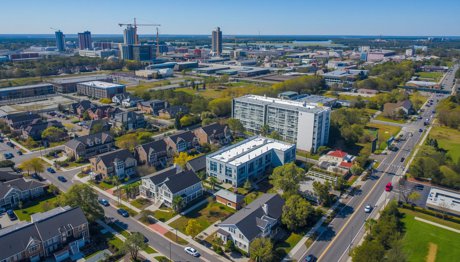
1. Park Circle: The Lifestyle Hotspot
Park Circle has become the poster child for North Charleston’s transformation.
Why buyers love it:
- Walkable streets, restaurants, breweries, and parks
- Strong demand from young professionals
- Increasing property values driven by lifestyle appeal
Investment outlook:
Park Circle is one of the most competitive submarkets, making it ideal for appreciation-focused buyers. However, pricing has risen quickly, so investors should evaluate entry points carefully.
2. Dorchester Corridor: Growth Meets Accessibility
Stretching along Dorchester Road, this area offers a mix of established neighborhoods and new development.
Key highlights:
- Easy access to I-26 and major employers
- Variety of price points (entry-level to mid-range)
- Increasing interest from first-time buyers
Why it matters:
With median home values in North Charleston around $309K–$350K depending on the dataset, this corridor remains one of the best entry points into the market.
3. Northwoods & Windsor Hill: Suburban Stability
These established communities are attracting buyers looking for space, schools, and value.
What stands out:
- Larger lots and traditional single-family homes
- Consistent demand from families
- More stable pricing compared to trendier areas
Investor angle:
These neighborhoods are strong candidates for long-term rental properties, thanks to steady tenant demand and lower volatility.
4. Ashley Phosphate Area: Investor-Friendly Territory
This area continues to attract attention from investors seeking affordability and rental yield.
Why investors are watching:
- Lower acquisition costs
- Proximity to retail, jobs, and transportation
- High rental demand
Market insight:
As inventory has increased by over 25% year-over-year in the broader market, buyers in these areas may find more negotiating power.
5. Emerging Neighborhoods: Hidden Opportunities
Several smaller neighborhoods are quietly gaining traction, including:
- Village Green
- Shadowmoss
- Hickory Hill
- Westborough
These areas show mid-range home values (often $400K–$500K+), signaling upward movement and growing buyer confidence.
Why they matter:
These neighborhoods often represent the “next wave”—offering better value today with strong upside potential.
What This Means for Buyers, Sellers, and Investors
For Buyers
- You still have opportunities—especially outside Park Circle
- Rising inventory means more choices and potential negotiation leverage
- Focus on neighborhoods with long-term growth drivers (location + development)
For Sellers
- Pricing strategy matters more than ever
- Homes in desirable neighborhoods still move quickly, but buyers are more selective
- Upgrades and presentation can significantly impact sale price
For Investors
- North Charleston remains one of the best value markets in the Charleston region
Look for:
- Rental-friendly neighborhoods
- Properties near job centers
- Areas undergoing redevelopment
Final Thoughts: Where the Smart Money Is Going
North Charleston is no longer “up-and-coming”—it’s actively evolving, and savvy buyers are positioning themselves now.
- Want appreciation? → Focus on Park Circle and emerging hotspots
- Want cash flow? → Look toward Ashley Phosphate and Dorchester Corridor
- Want stability? → Consider Northwoods and Windsor Hill
As the Charleston region continues to grow—posting steady price increases and rising demand—North Charleston stands out as a market where opportunity and accessibility still intersect.