Welcome to our Charleston Real Estate Blog!

We will use this space to show our newest listings of available properties for sale in Charleston, Summerville, Mount Pleasant, and the islands. If you see something you like, call or contact us quickly to get your dream home in Charleston SC!

Aug. 3, 2026

Preparing Your Charleston, SC Home for the Occasional Winter Freeze

Charleston's winters are generally mild, but every few years the region gets hit with a hard freeze that catches homeowners off guard. Burst pipes, damaged landscaping, HVAC failures, and even significant property damage can result when Lowcountry homes are not prepared for the rare deep cold. The good news is that a small amount of preparation each fall can protect your home and save you significant repair costs. Here is what every Charleston homeowner should know about preparing for the occasional winter freeze. If you are new to Charleston, SC real estate, this is one of the most important seasonal maintenance topics to understand.

Why Freezes Cause Big Problems in Charleston

Coastal South Carolina homes are typically designed with mild winters in mind. Plumbing may run through unheated crawl spaces or exterior walls. Landscaping features tropical or subtropical plants that suffer in the cold. HVAC systems must strain during the coldest days. And homeowners often lack winter emergency supplies that are standard further north. When a real freeze hits, these small vulnerabilities become expensive problems.

Understand Charleston's Freeze History

Charleston typically sees only a few nights below freezing each year, but every few winters brings extended cold snaps with multiple consecutive nights in the 20s. Occasionally, the region experiences hard freezes with temperatures in the teens. The infrequency lulls homeowners into complacency, but that is exactly when hard freezes cause the most damage.

Protecting Your Pipes

Wrap Exposed Pipes

Wrap any exposed pipes, especially in crawl spaces and along exterior walls, with foam pipe insulation. This is one of the highest-value inexpensive preparations you can make.

Cover Exterior Faucets

Foam faucet covers protect exterior spigots from freezing. Keep hoses disconnected during cold snaps.

Let Faucets Drip

During hard freezes, let interior faucets drip slightly to keep water moving through pipes. Focus on faucets served by pipes in exterior walls or vulnerable areas.

Open Cabinet Doors

Open cabinet doors under sinks along exterior walls during freezes to let warm interior air reach the pipes.

Know Your Shut-Off Valve

Locate and label your main water shut-off valve now, before you need it in an emergency. If a pipe bursts, the ability to quickly shut off water minimizes damage.

Preparing Your Charleston, SC Home for the Occasional Winter Freeze

Crawl Space Considerations

Close Crawl Space Vents

Close any operable crawl space vents during freezes to reduce cold air infiltration. Encapsulated crawl spaces are already sealed.

Insulate Pipes and Ductwork

Well-insulated crawl space pipes and ductwork resist freezing much better than exposed lines.

Address Any Foundation Gaps

Seal any openings in the foundation or crawl space that let cold air infiltrate.

Protecting Your HVAC

Change the Filter

A clean HVAC filter helps the system run efficiently during heavy heating demand.

Keep Vents Clear

Ensure supply and return vents are unblocked to allow proper airflow.

Consider Setting the Thermostat Higher

Do not turn heat off during freezes even if you leave the home. Keep it set at 55 to 60 degrees minimum to protect the home.

Have Backup Heat If Possible

Space heaters or a wood-burning fireplace can help during extended power outages, but use them safely per manufacturer instructions.

Protecting Your Landscape

Cover Vulnerable Plants

Palms, tender tropicals, and citrus should be covered with breathable cloth or frost blankets during hard freezes. Bring potted plants inside if possible.

Water Before the Freeze

Well-watered soil retains heat better than dry soil. Water plants and lawn thoroughly a day or two before an expected freeze.

Do Not Prune Damaged Plants Immediately

After a freeze damages plants, wait until spring to assess and prune. What looks dead may recover, and premature pruning can cause more damage.

Protect Fruit Trees

Wrap trunks and cover young trees to protect them from freeze damage.

Emergency Preparation

Backup Power

Freezes often come with winter storms that can cause power outages. Consider a portable generator or backup power option, and have batteries and flashlights ready.

Emergency Supplies

Bottled water, non-perishable food, extra blankets, and medications in case power outages last longer than expected.

Communication Plan

Charge phones and portable batteries before predicted storms. Know how to reach neighbors, family, and emergency services.

What to Do During a Freeze

Monitor Your Home

Check pipes, listen for unusual sounds, and address any small issues immediately before they become large ones.

Keep Everyone Safe

Prioritize household safety over property preservation. Space heaters, candles, and fireplaces all pose fire risks. Follow manufacturer instructions carefully.

Do Not Ignore the Roads

Southern drivers and southern infrastructure are not built for icy roads. Stay home during ice events unless truly necessary.

Recovery After a Freeze

Inspect for Damage

After the freeze passes, inspect the home for burst pipes, damaged plants, HVAC issues, or other freeze effects.

Document Any Damage

Take photos of any damage for insurance claims and warranty follow-up.

Address Repairs Quickly

Small issues can quickly cascade into larger problems. Address any damage promptly with licensed contractors.

Neighborhood-Specific Considerations

Older Homes

Historic and older homes in areas like historic Charleston, Old Village Mount Pleasant, and older sections of West Ashley often have more freeze-vulnerable plumbing, especially in crawl spaces and exterior walls.

Beach and Coastal Homes

Elevated coastal homes in Folly Beach, Isle of Palms, and other beach communities often have more exposed plumbing that requires extra care.

Newer Master-Planned Homes

Newer construction in communities like Cane Bay Plantation generally has better modern insulation and moisture management, but still benefits from freeze preparation.

Strategy for Charleston Homeowners

Treat freeze preparation as an annual fall ritual. Wrap the pipes. Cover the faucets. Locate the shut-off. Cover the tender plants. Ready the emergency supplies. The small time investment protects your home and family from potentially significant damage. And when the rare hard freeze arrives, you can focus on staying warm and safe rather than scrambling to protect a vulnerable home.

Key Takeaways

Charleston winters are mild, but the occasional hard freeze can cause serious damage to homes not prepared for it. Protect your pipes with insulation and drip strategies. Address your crawl space, HVAC, and landscaping vulnerabilities before winter arrives. Have emergency supplies ready. Know your water shut-off. And treat freeze preparation as an annual fall maintenance ritual. Small preparation prevents big problems and lets you enjoy the winter without worrying about your home. The Lowcountry climate is beautiful year-round, but a little respect for the occasional cold snap keeps things that way.

Frequently Asked Questions

How cold does it typically get in Charleston in winter?

Charleston typically sees only a few nights below freezing each year, mostly in the 20s and 30s. Extended hard freezes with multiple nights below 25 degrees happen every few years and cause the most damage.

Should I drain my pipes for winter in Charleston?

Not typically for occupied primary residences. Simply insulate exposed pipes and let faucets drip during hard freezes. For seasonal or vacation homes left unoccupied, a winterization by a licensed plumber may be worthwhile.

What temperature should I keep my thermostat at during a freeze?

Keep the thermostat set to at least 55 to 60 degrees, even if you leave the home. This keeps interior temperatures high enough to protect pipes.

Are power outages common during Charleston freezes?

Occasionally yes, especially during ice or snow events. Having flashlights, batteries, and backup phone charging is a smart precaution.

What should I do if a pipe bursts?

Immediately shut off the main water supply, then call a licensed plumber. Document the damage with photos for insurance. Address any water damage quickly to prevent mold.

About Greg Harrelson

Greg Harrelson is a seasoned Realtor® with more than 30 years of experience serving the Carolina markets. As the founder of Century 21 The Harrelson Group, Greg has built his career helping buyers, sellers, and investors achieve success in every corner of the coastal Carolina real estate market. His expertise spans residential homes, investment properties, land development, and coastal condos. Known for his deep local knowledge, innovative marketing strategies, and commitment to personal service, Greg consistently helps clients reach their real estate goals while navigating the ever-changing market with confidence and precision.

Posted in Tips and DIY
July 31, 2026

Preventing Mold and Humidity Issues in Your Charleston, SC Home

Charleston's warm, humid climate makes life beautiful, but it makes homes work harder. Humidity is the single biggest force behind moisture-related issues in Lowcountry homes, from mold and mildew to wood rot, HVAC strain, and even health impacts. The good news is that with the right strategies, Charleston homeowners can keep their homes dry, healthy, and durable for the long term. This guide walks through practical prevention approaches for anyone owning Charleston, SC real estate.

Why Humidity Is Different in the Lowcountry

Coastal South Carolina averages high relative humidity for much of the year, with summer months routinely exceeding 80 percent. Combined with warm temperatures, this creates ideal conditions for mold, mildew, and moisture-related damage. Even brief periods of poor ventilation, HVAC problems, or unaddressed leaks can lead to real issues.

The Health and Home Costs of Moisture

Uncontrolled humidity can cause visible mold, hidden mold behind walls or in crawl spaces, wood rot in structural components, damaged flooring and drywall, poor air quality, and respiratory health issues. Repair costs for serious moisture damage can reach tens of thousands of dollars, making prevention dramatically more cost-effective than remediation.

Keep Indoor Humidity Under Control

Target Range

Aim to keep indoor humidity between 30 and 50 percent year-round. Below 30 percent gets uncomfortable in winter. Above 50 percent creates conditions favorable for mold growth.

Use a Hygrometer

Inexpensive hygrometers let you monitor humidity throughout the home. Keep one in the main living area and one in problem spots like basements, sunrooms, or crawl spaces.

Run Your HVAC Regularly

HVAC systems dehumidify as part of normal cooling operation. During humid seasons, avoid opening windows for extended periods, which lets moist air in. Keep the HVAC running consistently.

Consider a Whole-House Dehumidifier

For homes that struggle with humidity despite normal HVAC operation, a whole-house dehumidifier tied into the ductwork can be a game-changer. Especially valuable in homes with crawl spaces or older construction.

Address Crawl Space Moisture

Vapor Barriers

Every Charleston-area crawl space should have a proper vapor barrier covering the ground. This blocks ground moisture from migrating into the space.

Ventilation vs. Encapsulation

Traditional crawl spaces rely on ventilation. Modern best practice for the Lowcountry often involves full encapsulation with a sealed vapor barrier, dehumidifier, and proper drainage. Talk with a local specialist about which approach fits your home.

Grading and Drainage

Ensure the yard slopes away from the foundation. Address any standing water near the home. Keep gutters clear and downspouts extending well away from the foundation.

Regular Inspections

Have your crawl space inspected annually. Catching moisture issues early is dramatically cheaper than addressing them after damage occurs.

 Preventing Mold and Humidity Issues in Your Charleston, SC Home

Attic and Roof Considerations

Proper Attic Ventilation

Ridge vents, soffit vents, and gable vents work together to keep attic air moving and moisture out.

Roof Leaks

Even small roof leaks quickly create moisture issues in Charleston's climate. Inspect the roof annually and after major storms.

Insulation

Proper attic insulation keeps warm humid air from condensing on cool surfaces. Combined with ventilation, it protects the entire home.

Bathroom and Kitchen Prevention

Exhaust Fans

Use bathroom exhaust fans during and for 15 to 30 minutes after every shower. Ensure kitchen range hoods vent to the exterior, not just into the room.

Grout and Caulk Maintenance

Inspect and repair grout, caulk, and sealants around tubs, showers, sinks, and windows. Small failures let significant moisture through over time.

Under-Sink Areas

Regularly inspect under sinks for leaks or moisture. Address plumbing issues immediately.

Windows, Doors, and Exterior Sealing

Weather-Stripping

Well-sealed windows and doors prevent humid outdoor air from infiltrating and cool indoor air from escaping.

Exterior Caulking

Inspect and refresh caulking around windows, doors, and any exterior penetrations regularly.

Storm Damage Repairs

After any major storm, inspect siding, windows, roofing, and doors for damage. Address issues immediately to prevent moisture intrusion.

HVAC Maintenance

Regular Service

Have your HVAC system serviced at least once a year, ideally twice. Local Lowcountry conditions are hard on systems.

Change Filters

Change filters monthly during heavy use seasons. Clogged filters reduce dehumidification performance.

Check Drain Lines

Clogged HVAC drain lines can cause overflow and water damage. Ensure your system's condensate drain is clear.

Proper Sizing

An oversized HVAC system actually dehumidifies poorly, because it cycles off before removing enough moisture. If your home has humidity issues despite service, a Manual J load calculation can identify sizing problems.

Landscaping and Yard Considerations

Keep Vegetation Off the House

Trim shrubs and vines away from siding. Vegetation touching the house traps moisture and creates ideal conditions for mold and pest issues.

Yard Drainage

French drains, swales, and other drainage solutions can address chronic yard moisture that eventually affects the home.

Mulch and Beds

Keep mulch and planting beds a few inches away from the foundation. Excess mulch against the house holds moisture and encourages termites.

What to Do If You Suspect Mold

If you notice musty smells, visible mold, or unexplained health symptoms, address the issue promptly. Small surface mold on non-porous surfaces can often be cleaned with soap and water or a bleach solution. Larger issues, mold on porous materials, or hidden mold behind walls typically requires professional remediation. Do not paint over mold. Do not ignore it. Small problems become expensive problems quickly in the Lowcountry.

Special Considerations by Neighborhood

Coastal and Waterfront Homes

Homes in Folly Beach, Isle of Palms, and other coastal areas deal with additional salt air and higher humidity exposure. Prevention becomes even more important.

Historic Homes

Historic homes in historic Charleston often have unique moisture considerations related to older construction methods. Work with contractors who specialize in historic properties.

Older Suburban Homes

Ranch homes in older parts of West Ashley or James Island often benefit significantly from HVAC upgrades and crawl space encapsulation.

Newer Master-Planned Homes

Newer construction in communities like Cane Bay Plantation generally has stronger moisture management from the start, but still benefits from consistent maintenance.

Strategy for Charleston Homeowners

Treat moisture prevention as ongoing maintenance, not a one-time project. Build inspections, HVAC service, and small-scale maintenance into your annual routine. Address any issues immediately rather than waiting. And work with local contractors and specialists who understand Lowcountry moisture challenges.

Key Takeaways

Preventing moisture and mold issues in a Charleston home is entirely doable with the right approach. Keep indoor humidity between 30 and 50 percent, maintain your HVAC and crawl space, address roof and window issues promptly, and stay ahead of small maintenance items before they become expensive problems. The Lowcountry climate is beautiful, but it demands respect from homeowners. Those who invest in prevention protect both their home and their family's health for the long term.

Frequently Asked Questions

What is the ideal humidity level for a Charleston home?

Aim to keep indoor humidity between 30 and 50 percent year-round for the best balance of comfort, mold prevention, and structural protection.

Do I need a dehumidifier if I have central air conditioning?

Central air provides some dehumidification, but homes with chronic humidity issues often benefit from whole-house dehumidifiers integrated into the ductwork.

Should I encapsulate my crawl space?

For many Charleston-area homes, yes. Encapsulation with a sealed vapor barrier and dehumidifier is often superior to traditional venting in this climate. Consult a local specialist to evaluate your specific home.

How often should I inspect for moisture issues?

At least annually, and after any major storm. Crawl spaces, roofs, and any high-risk areas should get regular attention.

Is mold common in Charleston homes?

Yes, if moisture is not controlled. But mold is entirely preventable with good HVAC, ventilation, sealing, and maintenance practices.

About Greg Harrelson

Greg Harrelson is a seasoned Realtor® with more than 30 years of experience serving the Carolina markets. As the founder of Century 21 The Harrelson Group, Greg has built his career helping buyers, sellers, and investors achieve success in every corner of the coastal Carolina real estate market. His expertise spans residential homes, investment properties, land development, and coastal condos. Known for his deep local knowledge, innovative marketing strategies, and commitment to personal service, Greg consistently helps clients reach their real estate goals while navigating the ever-changing market with confidence and precision.
Posted in Tips and DIY
July 30, 2026

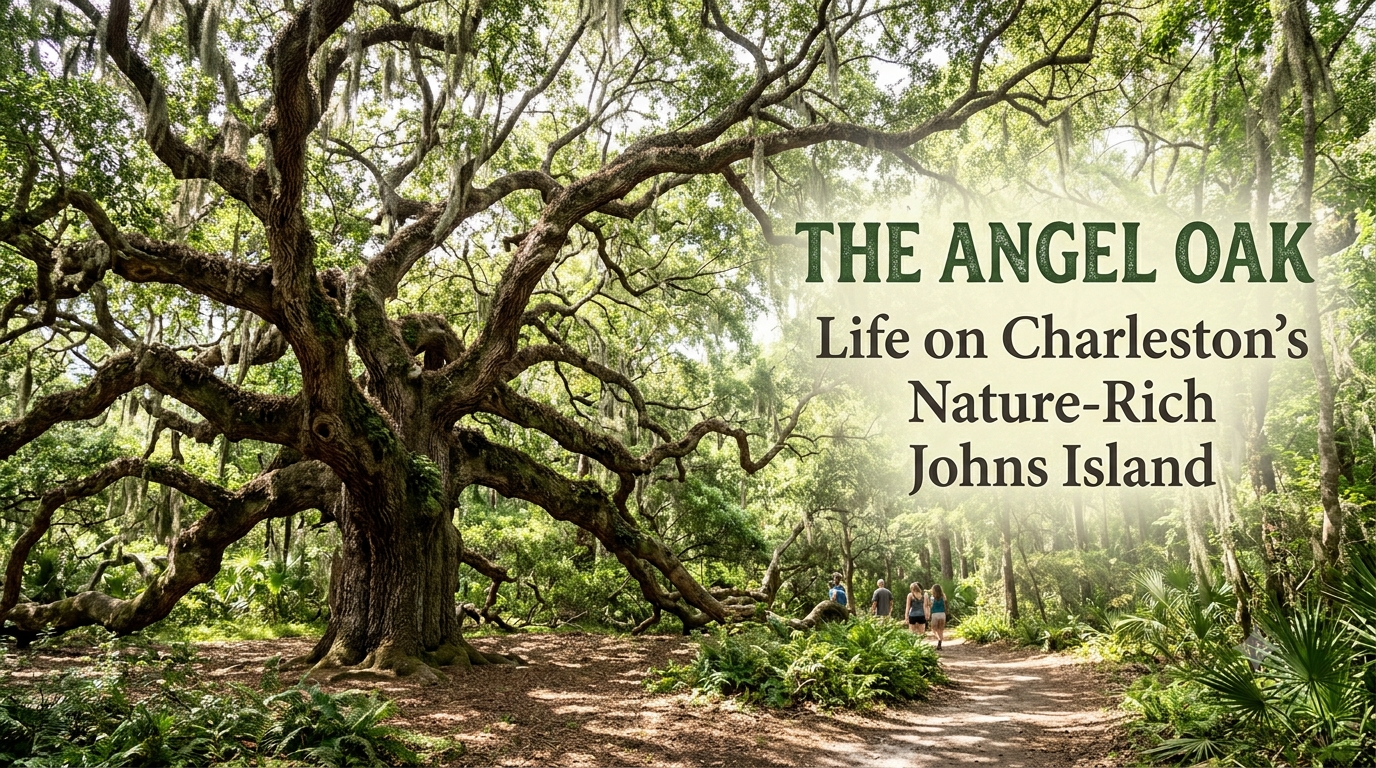
The Angel Oak and Life on Charleston's Nature-Rich Johns Island

Some places tell you everything you need to know about their character in one landmark. On Johns Island, that landmark is the Angel Oak. This ancient live oak, estimated to be several hundred years old with branches spreading over 17,000 square feet, embodies the deep natural beauty and slower pace of life that define this large Sea Island community. For buyers exploring Charleston, SC real estate with a love of nature and space in mind, Johns Island rewards the search.

Meet the Angel Oak

The Angel Oak is one of the oldest living things east of the Mississippi River, believed to be somewhere between 400 and 500 years old. Its massive canopy shelters visitors from around the world, and it has become one of Charleston's most beloved natural landmarks. Locally protected and freely accessible at Angel Oak Park, the tree is a symbol of the deep connection between Johns Island and the land itself.

Why Johns Island Feels Different

Johns Island is one of the largest Sea Islands in the Lowcountry, and its scale matters. Rural roads canopied by moss-draped oaks, small working farms, agri-hoods, waterfront communities, and pockets of newer master-planned neighborhoods all coexist across the island. The pace is slower than closer-in communities, but strong growth over the past decade has brought more amenities, restaurants, and infrastructure.

 The Angel Oak and Life on Charleston's Nature-Rich Johns Island

The Johns Island Lifestyle

Deep Connection to Land

Farming, food production, and agriculture continue to shape Johns Island. Residents often shop at neighborhood farm stands, know local growers by name, and enjoy some of the freshest produce anywhere in the metro.

Food and Restaurant Culture

Restaurants like The Fat Hen, Wild Olive, and other beloved Johns Island institutions have built national reputations by leveraging the abundance of local produce and seafood. The dining scene keeps expanding.

Water and Nature Access

The Bohicket Creek, Stono River, and surrounding waterways provide extensive boating, kayaking, and fishing. The ACE Basin and other protected areas are within easy reach.

Community Feel

Neighborhoods on Johns Island often have a small-town, community-focused feel. Long-time residents mix with newer arrivals in ways that make the community feel genuinely local.

Real Estate on Johns Island

Waterfront and Marsh-Front Estates

Communities like Rushland Plantation and Kiawah River Estates deliver waterfront and marsh-front lifestyles that pair beautifully with the island's natural setting.

Agri-Hoods

Communities like Indigo Hall at Kiawah River Estates and other agrihood-style developments integrate residential living with working farms, garden spaces, and outdoor amenities. This concept is gaining traction on the island.

Master-Planned Communities

Newer master-planned neighborhoods offer more traditional suburban options with amenities, sidewalks, and modern homes.

Custom Homes on Acreage

Johns Island still offers meaningful custom home opportunities on larger lots, whether waterfront, farm-front, or oak-shaded interior locations.

Neighborhoods Like Fenwick and Villages in St. Johns Woods

Communities like Fenwick Commons Townhomes and The Villages in St. Johns Woods offer more attainable entry points into Johns Island living.

Who Tends to Choose Johns Island

Nature Lovers

Buyers who prioritize trees, waterways, wildlife, and space over urban walkability find Johns Island a natural fit.

Foodies and Farmers Market Enthusiasts

The island's deep connection to farming and food culture attracts buyers who value local, seasonal eating.

Families

Growing family neighborhoods and expanding schools appeal to families looking for space, character, and community.

Retirees and Second-Home Buyers

The slower pace and access to Kiawah, Seabrook, and the beaches make Johns Island a favorite for retirees.

Compared to Nearby Areas

Versus Wadmalaw

Wadmalaw is smaller, more rural, and quieter. Johns Island offers more services, more restaurants, and easier access to the rest of the metro.

Versus Kiawah and Seabrook

Kiawah and Seabrook are gated resort communities with beach access. Johns Island is more residential, more agricultural, and less resort-oriented.

Versus West Ashley and James Island

West Ashley and James Island offer more established suburban infrastructure. Johns Island offers more space, more nature, and a more rural feel.

Practical Considerations

Commute Times

Commutes to downtown Charleston from Johns Island typically run 30 to 45 minutes depending on location and traffic. Growth has increased traffic on Maybank Highway, so test the drive at real commuting times.

Schools

Johns Island is served by Charleston County schools. School assignments vary across the island, so confirm specific school assignment for any home you consider.

Flood Zones

Waterfront and low-lying areas sit in flood zones. Elevation and insurance considerations should be reviewed during due diligence.

Growth Pressure

Johns Island is one of the fastest-growing areas in the metro. Understanding future development plans and how they might affect your specific location can shape long-term value.

Strategy for Johns Island Buyers

Spend real time on Johns Island before deciding. Drive multiple neighborhoods. Visit the Angel Oak. Explore local farm stands and restaurants. And work with a Realtor who knows the island's neighborhoods, growth patterns, and unique character. Johns Island rewards buyers who understand what they are buying into.

Key Takeaways

Johns Island offers one of the most special lifestyle combinations in the Charleston region. Ancient live oaks, working farms, expanding food and dining culture, waterfront and marsh-front communities, and a slower pace of life define the island. For nature lovers, foodies, families, and buyers seeking space, Johns Island delivers what few other Lowcountry areas can. From luxury estates in Kiawah River Estates to attainable townhomes in Fenwick Commons and everything in between, Johns Island has options across the spectrum. With the right preparation and local Realtor guidance, an island home here becomes the foundation for a life deeply connected to the beauty that has always made the Lowcountry so special.

Posted in Lifestyle
July 29, 2026

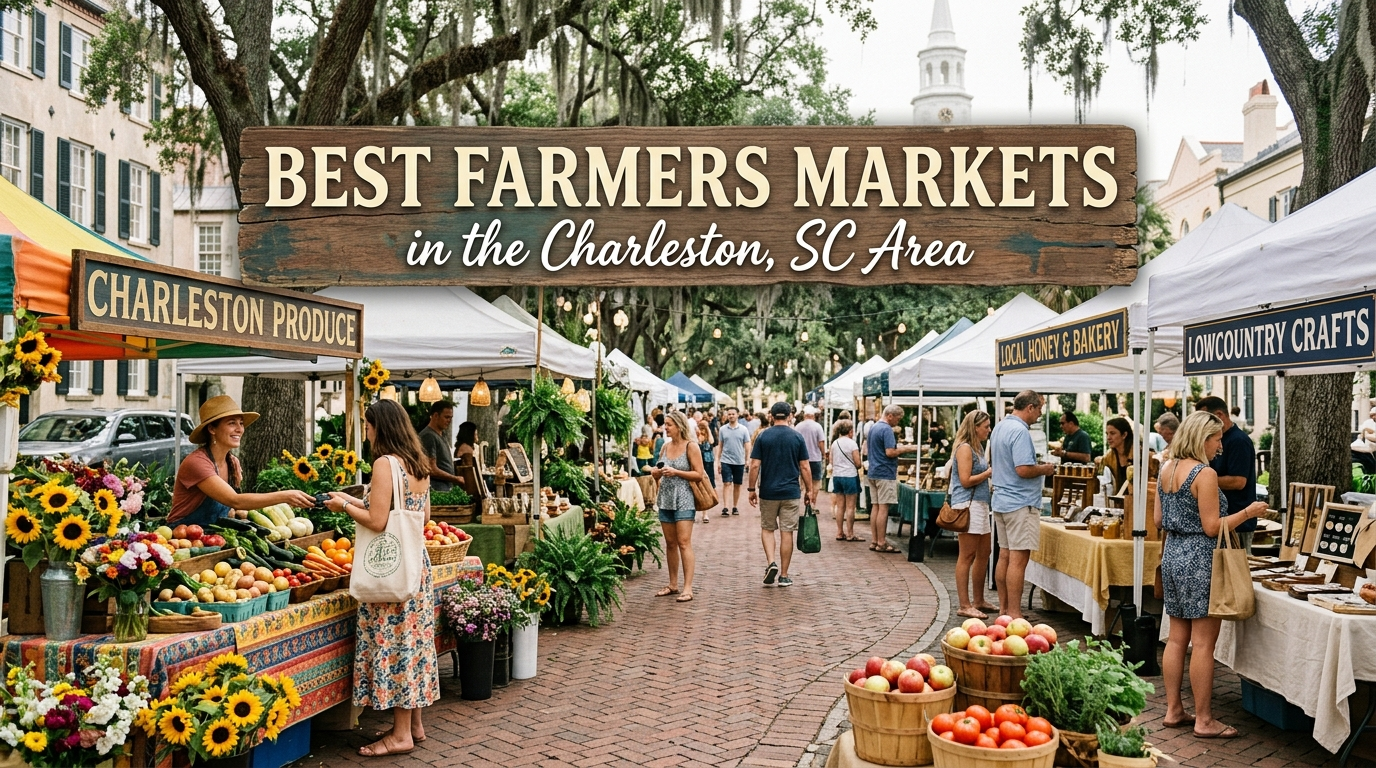
Best Farmers Markets in the Charleston, SC Area

Weekend mornings at the farmers market are one of the small pleasures that define life in the Charleston region. Fresh Lowcountry produce, local seafood, artisan bread, prepared foods, live music, and neighborhood community all come together in ways that make the markets a fixture of local life. Every corner of the metro has its own market culture. This guide walks through the best farmers markets in the Charleston region so you can build your weekend rhythm around the ones that fit your neighborhood. For anyone exploring Charleston, SC real estate, the local farmers market scene is one of those small quality-of-life factors worth understanding.

Why Charleston Has Such Strong Markets

The region's agricultural traditions, extensive coastline for seafood, mild growing season, and rich food culture all support a thriving farmers market scene. Add in the community-oriented feel of many Charleston neighborhoods, and markets naturally become weekly gathering points that go beyond just shopping for groceries.

Marion Square Farmers Market

The Marion Square farmers market in downtown Charleston is the flagship of the region's market scene. Saturday mornings from April through November bring hundreds of vendors and thousands of shoppers to the downtown park. Fresh produce, seafood, prepared food, artisan goods, plants, and flowers all under moss-draped live oaks in the heart of the peninsula.

Perfect for downtown residents and a favorite weekend destination for locals from across the metro.

Mount Pleasant Farmers Market

The Mount Pleasant Farmers Market runs seasonally on Tuesday afternoons at Moultrie Middle School. Popular with Mt Pleasant residents, the market brings together local farmers, artisan vendors, and community food producers in a more relaxed weekday atmosphere than the Saturday market scene.

Sunday Brunch Farmers Market on James Island

The Riverland Terrace farmers market brings a beloved weekend tradition to James Island. Held near the neighborhood's community heart, this smaller market focuses on local farmers, prepared foods, coffee, and community connection. A signature part of what makes Riverland Terrace such a beloved neighborhood.

West Ashley Farmers Market

The West Ashley Farmers Market at Ackerman Park serves the West Ashley community with weekly markets during the growing season. Local produce, seafood, and community-oriented vibe make it a favorite for area residents.

Sea Islands Farmers Market

Serving the Johns Island and Wadmalaw area, this market emphasizes small local farms and reflects the deeply agricultural character of the Sea Islands. A favorite for buyers of hyper-local produce and specialty items.

Summerville Farmers Market

Hutchinson Square in downtown Summerville hosts a seasonal farmers market that brings community and commerce together in the classic small-town style Summerville is known for. Perfect for residents of Summerville who want a walkable weekend routine without commuting into the peninsula.

Park Circle Farmers Market

Park Circle in North Charleston has developed a vibrant seasonal market that reflects the neighborhood's evolution into a walkable, community-focused hub. Locally owned food vendors, small farms, and creative artisans all contribute to the market's growing following.

Neighborhood Community Markets

Beyond the larger markets, many smaller neighborhood markets pop up seasonally throughout the metro. Master-planned communities like Nexton and I'On Village occasionally host community markets that reflect the neighborhood's culture and give residents access to local food and community connection.

Best Farmers Markets in the Charleston, SC Area

What to Expect at a Charleston Farmers Market

Local Produce

Seasonal produce from farms across the Lowcountry, ranging from strawberries and tomatoes to okra, collards, and Lowcountry-specific specialty crops.

Fresh Seafood

Many markets feature vendors selling fresh local shrimp, fish, and shellfish caught within days of the market.

Prepared Foods

Breakfast biscuits, coffee, pastries, and lunch options make markets a genuine weekend meal destination.

Artisan Goods

Local craft vendors, honey producers, coffee roasters, and artisan bread makers round out the market experience.

Live Music and Community

Many markets feature live music and family-friendly programming that transforms them into weekly community events.

Best Ways to Shop the Markets

Arrive Early

The best selection typically goes fast. Arriving in the first hour ensures the widest selection.

Bring Cash

While most vendors accept cards, some smaller vendors are still cash-only. Bring some small bills.

Bring Reusable Bags

Reusable shopping bags and a cooler for anything perishable make market shopping much easier.

Explore Beyond Your Usual

Talk with vendors. Try new produce. Charleston's markets are ideal for expanding your food horizons.

How Farmers Markets Fit Into Neighborhood Life

For many Charleston residents, the local market is a weekly touchstone. Regular vendors become familiar. Neighbors gather. Family routines take shape around Saturday morning market runs. Living close to a market you love can meaningfully improve daily life. Downtown residents benefit from Marion Square. Mount Pleasant residents have their weekday option. James Island residents love Riverland Terrace. West Ashley, Summerville, and Park Circle each have their own community traditions.

Strategy for Buyers Who Love Food and Community

If markets, local food, and community rhythm matter to you, ask your Realtor about which specific neighborhoods put you closest to your favorite markets. Consider walking or biking distance where possible. And plan neighborhood tours around actual market days to experience the community rhythm in person.

Key Takeaways

Charleston's farmers markets deliver some of the region's best weekend community and food experiences. Marion Square anchors downtown. Mount Pleasant, James Island, West Ashley, Summerville, Park Circle, and the Sea Islands each have their own strong local markets. Choosing a neighborhood near a market you love can significantly improve your weekly rhythm and connection to the local food scene. Whether you cook every meal at home or just love the community feel, the Charleston region rewards market lovers with strong options across the metro.

Posted in Lifestyle
July 28, 2026

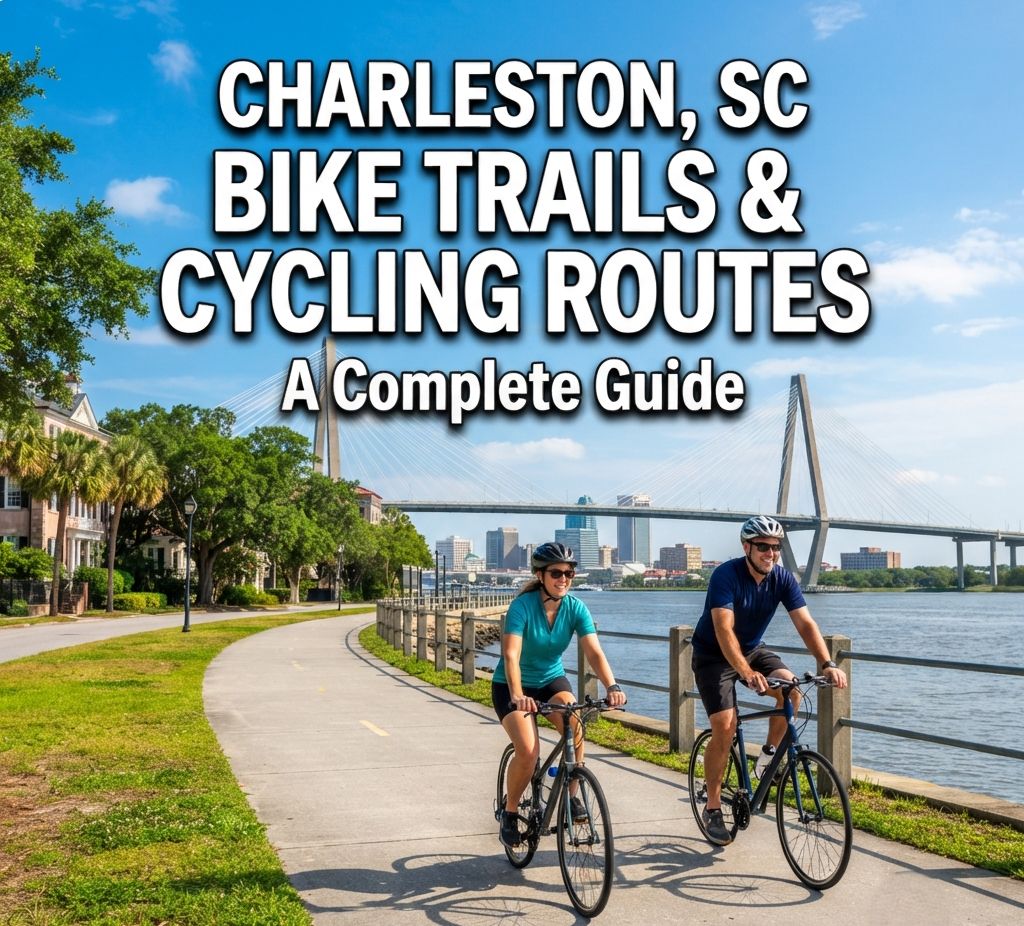
Charleston, SC Bike Trails and Cycling Routes: A Complete Guide

Charleston's mild climate, flat terrain, and mix of urban and rural landscapes make it one of the most rewarding places in the Southeast to cycle. Whether you commute by bike, ride weekend distance for fitness, or enjoy leisurely rides with the family, the region delivers strong options. From dedicated greenways to scenic beach routes and mountain-bike-friendly forest trails, this guide walks through the best cycling in the Charleston area. For anyone exploring Charleston, SC real estate with cycling in mind, this will help you match neighborhood to ride.

Why Charleston Is a Great Cycling City

Cycling in Charleston benefits from flat terrain, mild year-round weather, growing bike infrastructure, and a landscape that rewards riders with marsh views, historic architecture, and beach vistas. The metro is also home to a passionate cycling community with regular group rides, clubs, and events that make it easy to plug in.

The West Ashley Greenway

The West Ashley Greenway is the region's flagship dedicated trail. Roughly 10.5 miles of paved trail follow an old rail corridor through West Ashley, offering runners, walkers, and cyclists a car-free route through natural areas and residential neighborhoods. Neighborhoods along the Greenway, including sections near Carolina Bay and Byrnes Down, benefit from immediate access.

Downtown Charleston Cycling

The downtown peninsula supports urban cycling with dedicated bike lanes, bike-friendly streets, and a compact scale that makes bike commuting practical. The Battery, Colonial Lake, and Marion Square all serve as popular ride destinations or starting points.

Mount Pleasant Cycling

The Ravenel Bridge Bike/Pedestrian Path

The dedicated bike and pedestrian path on the Arthur Ravenel Bridge is a Charleston bucket-list ride. Panoramic harbor views, dramatic elevation gain, and the connection between the peninsula and Mount Pleasant make it one of the most popular routes in the region.

Mount Pleasant Neighborhoods and Trails

Many Mt Pleasant communities including Park West, Hamlin Plantation, and I'On Village feature internal trails and connect to broader bike-friendly routes.

Daniel Island Cycling

Daniel Island was designed with cyclists in mind. Miles of dedicated bike paths connect neighborhoods to parks, schools, the village, and the waterfront. Residents commute by bike, family ride on weekends, and enjoy some of the safest and most connected cycling infrastructure in the metro.

James Island and the Connector

The James Island Connector features a dedicated bike and pedestrian path linking James Island to the peninsula. Combined with routes through Riverland Terrace and along Folly Road, it supports both commuter and recreational cycling.

Charleston, SC Bike Trails and Cycling Routes A Complete Guide

Beach Community Cycling

Sullivan's Island

Sullivan's Island is one of the most bikeable communities in the region. Residents cycle to Middle Street for dinner, to the beach, and along shaded residential streets.

Isle of Palms

Isle of Palms supports family and beach-cruiser style riding. Front Beach, the residential streets, and connections to Sullivan's Island offer easy, relaxed rides.

Folly Beach and Kiawah

Folly Beach is casual and easy-going for beach cruising. Kiawah Island offers extensive dedicated bike paths through natural areas, making it one of the best resort-style cycling communities on the East Coast.

Mountain Biking and Trail Options

Francis Marion National Forest

For serious off-road riders, the Francis Marion National Forest near Awendaw offers extensive trail networks and unspoiled riding through pine forest and swamp corridors.

Palmetto Trail

The Palmetto Trail crosses multiple sections of the Charleston region and offers dedicated hiking and biking segments.

Local Parks with Trails

James Island County Park, Wannamaker County Park, and other local parks offer paved and unpaved trail options for family riding.

Commuter Cycling in the Charleston Metro

Bike commuting works especially well from Mount Pleasant across the Ravenel Bridge to downtown, from James Island via the Connector, and within Daniel Island and downtown itself. Bike lanes on select streets and growing infrastructure investments continue to improve conditions.

Group Rides and Cycling Community

The Charleston area supports multiple cycling clubs and regular group rides. Bike shops throughout the region host weekly rides for all skill levels. Charity rides and events like the Cooper River Bridge Run's cycling equivalent bring the community together throughout the year.

What Cyclists Should Consider When Choosing a Neighborhood

Trail Access

Living near the West Ashley Greenway, Daniel Island's internal trails, or the beach community routes puts riding at your doorstep.

Storage

Garages, sheds, and community bike storage matter more for cyclists than for most buyers.

Traffic Patterns

Some neighborhoods have safer, calmer streets for cycling than others. Test a route through the neighborhood before deciding.

Bike Shops and Services

Proximity to a good bike shop for repairs, upgrades, and group ride pickup makes a meaningful daily difference.

Strategy for Cyclist Buyers

Tour neighborhoods on your bike, not just in your car. Ride your typical distance from potential homes to your usual destinations. Talk with your Realtor about which specific communities and blocks have the best cycling access. And remember that Charleston's cycling infrastructure continues to grow, so newer communities and greenway-adjacent neighborhoods may see even better options in coming years.

Key Takeaways

Charleston delivers some of the best cycling in the Southeast, with the West Ashley Greenway, the Ravenel Bridge path, Daniel Island's internal network, and beach-town routes all standing out. For serious mountain bikers, the Francis Marion National Forest near Awendaw opens up unspoiled off-road adventures. Whether you commute by bike, ride for fitness, or cycle with family for fun, the region rewards cyclists across skill levels and lifestyle needs. With the right neighborhood, riding becomes part of your daily Charleston life.

Posted in Lifestyle
July 27, 2026

Awendaw, SC: A Nature Lover's Paradise on Bulls Bay

Just north of Mount Pleasant, past the last strip malls and into the tall pines, you find one of the most underrated places to live in the Charleston region. Awendaw is a small, spread-out community that hugs the edge of the Francis Marion National Forest and looks out over Bulls Bay. For buyers seeking space, quiet, unspoiled nature, and quick access to salt marsh and deep forest, Awendaw is hard to beat. If you are exploring Awendaw homes for sale, this guide breaks down what makes the community special.

Where Awendaw Sits

Awendaw sits roughly 20 to 30 minutes north of downtown Mount Pleasant along Highway 17. The area is defined by the Francis Marion National Forest to the west and the Cape Romain National Wildlife Refuge to the east, with Bulls Bay in between. Nowhere else in the region combines this much protected land with residential neighborhoods this close to the Charleston metro.

The Awendaw Lifestyle

Access to Wild Places

Residents of Awendaw wake up minutes from some of the most protected wilderness on the East Coast. The Francis Marion National Forest offers hundreds of thousands of acres for hiking, biking, hunting, and camping. Cape Romain offers boating, fishing, and birding access to some of the most pristine coastline anywhere in the Southeast.

Bulls Bay Boating and Fishing

Bulls Bay is a boating and fishing paradise. Redfish, sea trout, and flounder attract inshore anglers, while the bay's protected waters support kayaking, sailing, and shallow-draft cruising.

Small-Town and Rural Character

Awendaw is not a bustling town. It is a spread-out community of neighborhoods, small farms, and rural roads. Residents value the pace, the quiet, and the sense of being genuinely away from the city.

Awendaw Real Estate Overview

Larger Lots and Acreage

Many Awendaw properties feature significantly larger lots than what you find further south in Mount Pleasant. Buyers wanting acreage, space for horses, gardens, or workshops often find Awendaw delivers what they cannot get closer to town.

Waterfront Opportunities

Communities like Overlook at Copahee Sound and Pamlico Terrace offer waterfront and marsh-front properties with beautiful views and boating access.

Newer Master-Planned Options

Hidden Ponds Reserve and other newer communities offer master-planned living with the Awendaw character intact.

Land Opportunities

Awendaw remains one of the areas in the metro where sizable land opportunities still exist, whether for building custom homes, small farms, or long-term investment.

Awendaw, SC: A Nature Lover's Paradise on Bulls Bay

Who Chooses Awendaw

Nature Enthusiasts

Hunters, hikers, kayakers, anglers, and birders find Awendaw hard to beat. The combination of the national forest, the wildlife refuge, and the bay creates an outdoor lifestyle few other Charleston-area locations can match.

Buyers Seeking Space and Privacy

Households wanting acreage, larger buffers between neighbors, or room for outbuildings and toys often gravitate to Awendaw.

Remote Workers

The rise of remote work has expanded Awendaw's appeal to professionals who want a rural lifestyle without giving up city access when needed.

Second-Home and Weekend Buyers

Some buyers use Awendaw properties as weekend or seasonal retreats, especially those with primary residences in nearby Mount Pleasant or downtown.

Compared to Nearby Areas

Versus Mount Pleasant

Mt Pleasant is denser, more amenity-rich, and closer to downtown. Awendaw is quieter, more spacious, and more nature-oriented. Many buyers who tour both quickly recognize which lifestyle fits their priorities.

Versus McClellanville and Beyond

Even further north, McClellanville offers an even smaller, more remote coastal experience. Awendaw balances rural feel with better proximity to Mount Pleasant services.

Practical Considerations

Commute Times

Commutes to Mount Pleasant typically run 20 to 30 minutes. Commutes to downtown Charleston can reach 40 to 50 minutes depending on traffic. Buyers should test drives at commuting hours.

Schools and Services

Awendaw is served by Charleston County schools. Retail and services are limited within Awendaw itself, so most residents drive to Mount Pleasant for major shopping and errands.

Flood and Wildlife Considerations

Waterfront properties sit in various flood zones. Wildlife encounters, including deer, bobcats, and occasional bears from the national forest, are part of life here.

Well and Septic

Many Awendaw properties rely on well water and septic systems. Inspections and understanding maintenance are important.

Strategy for Awendaw Buyers

Visit Awendaw at different times of day and different seasons. Explore the Sewee Visitor and Environmental Education Center. Walk sections of the Palmetto Trail. Take a boat out on Bulls Bay if you can. Awendaw is a lifestyle choice, and living the lifestyle before committing helps ensure the fit. Work with a Realtor who knows the area, understands rural property considerations, and can guide you through the practical realities of Awendaw ownership.

Key Takeaways

Awendaw is one of the most unique places to live in the Charleston metro. Protected forest, wild coastline, larger lots, and a slower pace of life define the community. For nature lovers, outdoor enthusiasts, and buyers seeking space and privacy without giving up regional access, Awendaw delivers what few other Lowcountry areas can. With the right preparation and a Realtor who knows the area intimately, an Awendaw home can become the foundation for a lifestyle deeply tied to the natural beauty that has always made the Lowcountry so special.

July 24, 2026

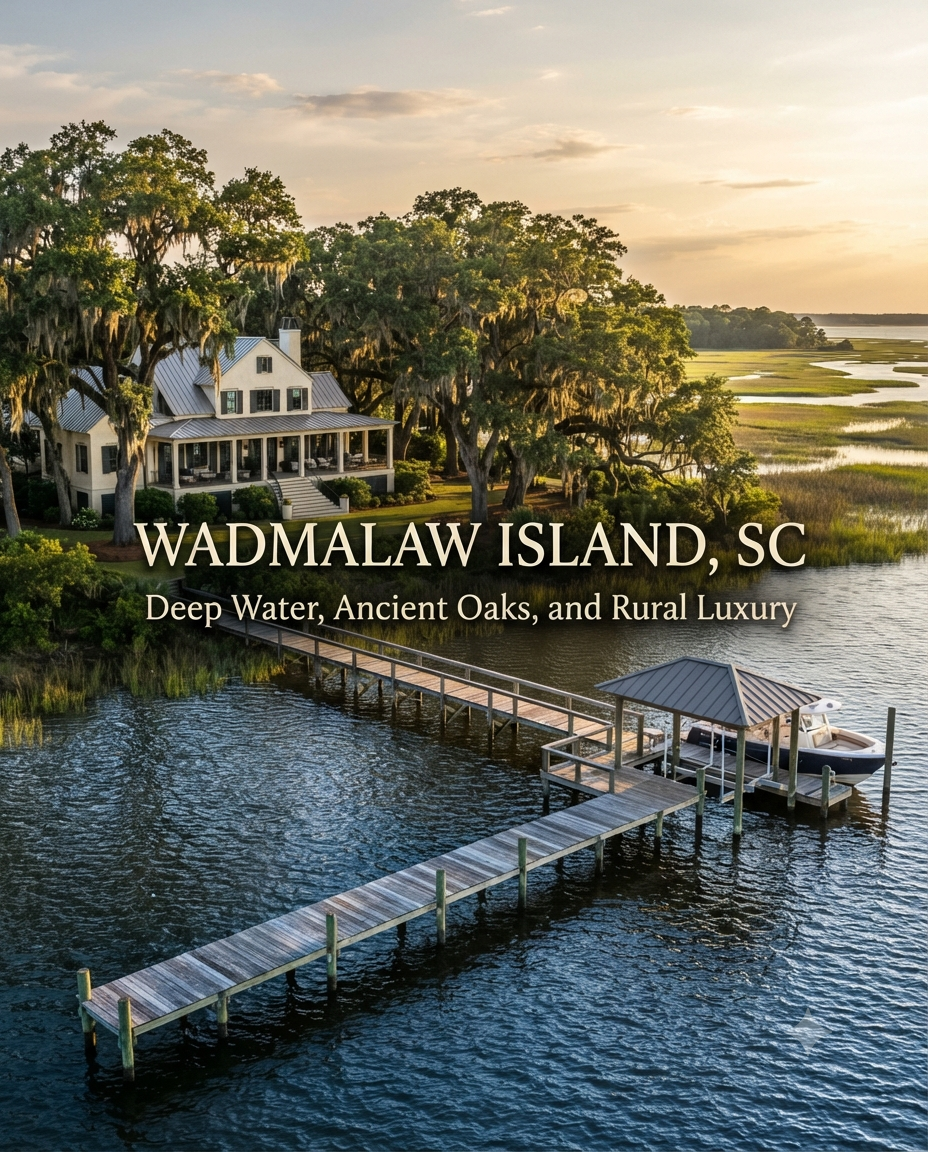
Wadmalaw Island, SC: Deep Water, Ancient Oaks, and Rural Luxury

Some places in the Charleston region shout for attention. Wadmalaw Island whispers. Tucked south of Johns Island and shielded from the rest of the metro by wide creeks and endless marsh, Wadmalaw has managed to hold on to a way of life that is disappearing across the coastal Southeast. Ancient oaks canopy narrow roads, deep-water creeks wind through tidal marshes, and small farms and vineyards dot the landscape. For buyers exploring Wadmalaw Island real estate, this is one of the most special corners of the Lowcountry.

Why Wadmalaw Feels Like Its Own World

Wadmalaw is defined by scale. Fewer residents. Bigger lots. Longer views. The island has intentionally resisted the density and development that has reshaped much of the greater Charleston region. That preservation is not accidental. Local land use planning, agricultural traditions, and a community committed to protecting the character of the island have all combined to keep Wadmalaw quiet, slow, and beautifully rural.

Residents talk about the drive home. The moment you cross onto the island, everything slows down. Traffic disappears. Cell service occasionally fades. And you feel a real sense of being somewhere else.

The Real Estate Landscape

Deep-Water Estates

Wadmalaw's tidal creeks and rivers support some of the best deep-water access in the region. Private docks, marsh views, and boating access to the ACE Basin and beyond make this one of the most desirable segments of the local market.

Historic and Custom Homes on Acreage

Many Wadmalaw properties sit on multiple acres, with mature oaks, gardens, and even small working farms. Buyers looking for space, privacy, and a rural feel find options here that simply do not exist closer to town.

Newer Custom Builds

Newer custom homes on Wadmalaw often blend traditional Lowcountry architecture with modern amenities. Screened porches, metal roofs, and thoughtful landscaping typical of the region.

Compared to Nearby Islands

Versus Johns Island

Johns Island is Wadmalaw's larger, faster-growing neighbor. Johns Island offers more density, more retail, and easier access to town. Wadmalaw offers more space, more quiet, and a slower pace.

Versus Kiawah and Seabrook

Kiawah and Seabrook deliver resort-style beach and golf living. Wadmalaw offers agricultural, deep-water rural living. Different lifestyles, very different real estate.  

Wadmalaw Island, SC Deep Water, Ancient Oaks, and Rural Luxury

The Charleston Tea Garden

The Charleston Tea Garden on Wadmalaw is the only working commercial tea plantation in the United States. Tours, visits, and events at the tea garden are a beloved part of local life and a reminder of the island's agricultural traditions. Many residents visit multiple times a year and bring visitors here to introduce them to a truly one-of-a-kind Wadmalaw experience.

Lifestyle on Wadmalaw

Boating and Fishing

Wadmalaw is a boater's dream. Access to Bohicket Creek, the North Edisto River, and beyond opens up some of the best inshore fishing and boating in the region. Bohicket Marina, on nearby Seabrook Island, is a common launching point for Wadmalaw-based boaters.

Small-Scale Farming and Vineyards

Wadmalaw's soil and climate support small farms, orchards, and vineyards. Residents often maintain gardens, keep chickens, and support local food systems in ways that feel far removed from typical suburban life.

Quiet Community

Community events, small local churches, and long-standing neighborhood traditions define social life. Everyone tends to know each other.

Practical Considerations

Commute Times

The drive to downtown Charleston from Wadmalaw typically takes 45 to 60 minutes depending on traffic and location on the island. This is not a short-commute community, and buyers should test the drive at real commuting hours.

Services and Amenities

Wadmalaw is intentionally low on retail and commercial services. Most residents drive to Johns Island or further into town for groceries, restaurants, and errands. Buyers who value proximity to services may find this a stretch.

Flood Zones and Insurance

Coastal properties on Wadmalaw sit in various flood zones, and insurance considerations should be reviewed carefully during due diligence.

Well and Septic Systems

Many Wadmalaw properties rely on well water and septic systems rather than municipal utilities. Inspections and understanding maintenance are essential.

Who Tends to Choose Wadmalaw

Buyers drawn to Wadmalaw are usually looking for something specific. Deep-water access, acreage, privacy, and a slower pace of life are common priorities. Retirees, boaters, artists, hobby farmers, and buyers coming from other rural areas often find Wadmalaw feels like home. Executives with flexible schedules or remote work capabilities can also make the commute work when needed.

Strategy for Wadmalaw Buyers

If Wadmalaw is on your list, spend real time on the island before committing. Drive the roads at different times of day. Visit the tea garden. Explore the boat ramps and creek access points. Talk with your Realtor about deep-water dock permit status, elevation certificates, and any well and septic considerations. Wadmalaw rewards buyers who commit to the lifestyle it delivers and want a home that truly feels apart from the rest of the metro.

Key Takeaways

Wadmalaw Island is one of the most special places to live in the entire Charleston region. Deep-water estates, ancient oak-lined roads, a small-farm and vineyard culture, and a fiercely protected sense of quiet make it a destination for a specific kind of buyer. The trade-off is a longer commute and fewer immediate services. For buyers who want space, privacy, and true Lowcountry rural luxury, Wadmalaw delivers what few other places can. With the right Realtor and clear priorities, finding your Wadmalaw home can be one of the most rewarding decisions in the Charleston market.

July 23, 2026

Adding a Charleston Porch to Your Home: Design, Cost, and ROI

Few architectural details are more quintessentially Lowcountry than the Charleston porch. Whether you call it a piazza, a screened porch, or simply a "front porch," this outdoor living space has been a defining feature of Charleston homes for generations. And in today's market, adding or upgrading a porch is one of the smartest investments many homeowners can make. For sellers preparing their home for market and homeowners wanting to enhance their daily lifestyle, understanding the design choices, costs, and ROI of a Charleston porch is essential. If you are exploring Charleston, SC real estate, this feature can influence both how you live and what your home is worth.

Why the Charleston Porch Matters

The Charleston porch is more than decoration. It is a practical response to the Lowcountry climate. Deep overhangs shade interior rooms, cross-breezes cool the space naturally, and the porch itself becomes a second living room for much of the year. In a market where buyers actively look for outdoor living space, a well-designed porch signals both lifestyle appeal and architectural authenticity. It is the kind of feature that photographs beautifully and shows even better in person.

The Different Types of Charleston Porches

The Traditional Piazza

The classic Charleston Single house features a long side piazza that runs the length of the home. Multi-story piazzas with classical columns define much of the historic district and neighborhoods like Old Village in Mount Pleasant. Adding an authentic piazza to an existing home requires careful design, appropriate proportions, and often historic-district or HOA approval.

Screened Porches

Screened porches are the most versatile addition for modern Charleston homes. They extend the usable outdoor season by keeping mosquitoes and other insects at bay, while still delivering the open airflow that defines Lowcountry living. They tend to be the most common ROI-positive porch addition in the region.

Front Porches

A welcoming front porch adds curb appeal and creates a natural gathering space for neighbors. Even a modest front porch dramatically shifts how a home feels from the street.

Back Deck and Screened Combinations

Many modern homes combine a screened porch with an adjacent open deck or patio. The combination gives you the best of both worlds and works beautifully for entertaining.

Design Considerations

Proportion and Ceiling Height

A traditional Charleston porch typically features tall ceilings, often 9 to 10 feet, to enhance airflow and echo historic proportions. Skimping on ceiling height creates a compressed, less inviting space.

Ceiling Finish and Haint Blue

A tongue-and-groove wood ceiling painted in soft "haint blue" is a classic Charleston detail. It nods to Gullah tradition, reflects light beautifully, and adds instant Lowcountry character.

Columns and Trim

Square or classical round columns, ceiling beams, and appropriate trim details connect the porch to the home's architectural style. Getting the details right elevates the entire project.

Screening System

Traditional screen systems, retractable screens, and motorized screen walls all serve different needs. Retractable screens in particular have become popular because they let you convert the space seasonally.

Flooring

Tongue-and-groove painted wood, brick, tile, or composite decking are all appropriate depending on style and budget. Match the floor to the home's overall architecture.

Ceiling Fans and Lighting

Large ceiling fans keep the porch comfortable in summer heat, while thoughtful lighting extends usability into the evening.  

Adding a Charleston Porch to Your Home Design, Cost, and ROI

Cost Ranges

Costs vary widely depending on size, finish level, and complexity. Simple screened porch additions may start in the mid to high five figures, while larger custom piazzas with high-end finishes can easily reach six figures. Historic district projects and complex designs add cost due to permits, engineering, and craftsmanship requirements. Always get multiple quotes from licensed local contractors and build in contingency for the unexpected.

Return on Investment

Outdoor living space is one of the most consistently strong ROI-generating projects in the Charleston market. A well-designed porch typically returns a significant portion of its cost at resale and often accelerates the sale of a home. Beyond dollar ROI, the lifestyle return is significant, as most homeowners who add porches report using them almost daily.

Sellers Who Benefit Most

Homes in family-friendly neighborhoods like Park West, Cane Bay Plantation, and Carolina Bay often see especially strong buyer response to well-designed porches. Buyers in these markets expect outdoor living space, and a porch can meaningfully differentiate the home.

Historic Homes

For historic homes, restoring or upgrading an existing piazza with period-appropriate materials often adds significant value while preserving character.

Permits and Approvals

Local Permitting

All porch additions require permits through your local municipality. Setback requirements, height limits, and lot coverage rules all apply. Some historic districts add design review on top of standard permits.

HOA Rules

Master-planned communities and HOAs typically have architectural review boards that approve exterior changes. Get approval before starting any work.

Structural Considerations

Existing homes may need structural modifications to support a porch addition. A licensed contractor or structural engineer should evaluate feasibility during the design phase.

Choosing the Right Contractor

Look for local contractors with specific porch and outdoor living experience. Ask to see similar projects they have completed in the Charleston area. Verify licenses, insurance, and references. Get detailed written quotes that include design, materials, permitting, and cleanup. And take time to understand the timeline and any factors that might affect it.

Timing Your Project

The Charleston market rewards well-timed porch additions. Completing the project in late winter through early spring often positions your home beautifully for the spring selling season. Summer completion can also work well but often runs into contractor demand and weather delays.

Beyond the Sale: Everyday Lifestyle

For homeowners staying long-term, the porch is one of the highest lifestyle-return investments available. Morning coffee, evening drinks, family dinners, and weekend afternoons all benefit from the added outdoor living space. Charleston's climate supports porch use for much of the year, and homeowners who add porches almost universally report loving them.

Strategy for Owners Considering a Porch

Start with clarity on your goals. Are you preparing for resale in the next year or two? Or are you investing in your long-term enjoyment of the home? Both goals lead to good outcomes, but they can affect design choices. Work with a Realtor early to understand which porch features add the most value in your specific neighborhood. Then work with a contractor and possibly a designer to plan a porch that fits your home's architecture, respects the neighborhood context, and delivers on both lifestyle and financial goals.

Key Takeaways

Adding a Charleston porch is one of the highest-impact home improvement projects available in the Lowcountry, both for lifestyle and resale value. Whether you go with a traditional piazza, a screened porch, or a modern combination, thoughtful design that respects the home's architecture and Lowcountry character will deliver the strongest results. Budget carefully, permit properly, work with experienced local contractors, and time the project to align with your goals. Done right, a Charleston porch can transform how you live in your home and how buyers see it when it is time to sell.

Frequently Asked Questions

How much does a Charleston screened porch typically cost?

Simple screened porches often start in the mid to high five figures, while larger or higher-end projects can reach six figures. Costs depend on size, finish level, materials, and complexity. Always get multiple quotes from licensed local contractors.

Does a porch increase my home's value in Charleston?

Yes, often significantly. Charleston-area buyers actively look for outdoor living space, and a well-designed porch typically returns a strong portion of its cost at resale while helping the home sell faster.

Do I need a permit to add a porch?

Yes. All porch additions require local permits. Historic districts and HOAs may add design review requirements as well.

What is "haint blue" and should my porch ceiling be that color?

Haint blue is the soft blue color traditionally painted on porch ceilings in the Lowcountry. It ties to Gullah folklore and reflects light beautifully. Painting a porch ceiling haint blue is a classic Charleston detail that many homeowners choose.

How long does a porch project typically take?

Timelines vary based on project scope, permit processing, and contractor availability. Simpler projects may take a few weeks. Larger projects can stretch a few months. Plan for delays and start earlier than you think you need to.

About Greg Harrelson

Greg Harrelson is a seasoned Realtor® with more than 30 years of experience serving the Carolina markets. As the founder of Century 21 The Harrelson Group, Greg has built his career helping buyers, sellers, and investors achieve success in every corner of the coastal Carolina real estate market. His expertise spans residential homes, investment properties, land development, and coastal condos. Known for his deep local knowledge, innovative marketing strategies, and commitment to personal service, Greg consistently helps clients reach their real estate goals while navigating the ever-changing market with confidence and precision.
Posted in Tips and DIY
July 22, 2026

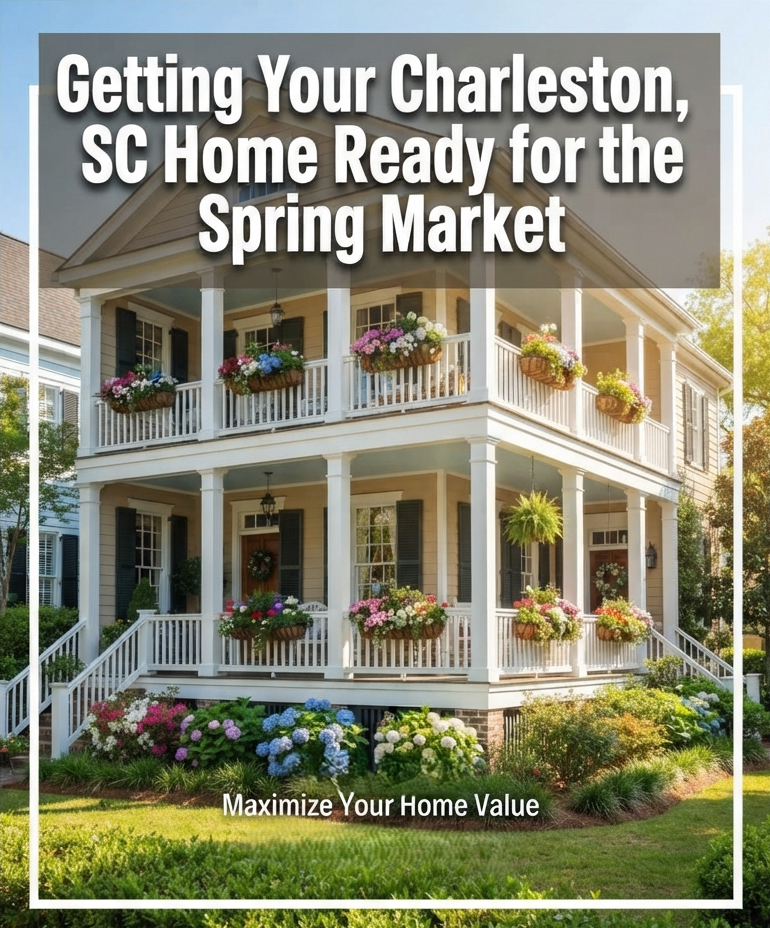
Getting Your Charleston, SC Home Ready for the Spring Market

Spring is the busiest and typically the most rewarding time to sell a home in the Charleston region. Warmer weather, longer days, out-of-state buyers actively touring, and families trying to close before the next school year all combine to create the strongest buyer pool of the year. But strong demand does not automatically mean strong offers. The sellers who see the best outcomes prepare thoroughly, often starting months in advance. If you are considering listing this spring in the Charleston area, here is your step-by-step guide to getting your home ready. Whether you are selling in Mt Pleasant, Summerville, or anywhere else across the Lowcountry, the same core principles apply.

Why Spring Matters in Charleston Real Estate

The Charleston spring market typically runs from late February through early June, with peak activity in April and May. Out-of-state buyers visit during vacation windows, families with school-age kids want to move before the next school year starts, and the region's tourism-driven visibility puts Charleston in front of more potential buyers than any other time of year. Selling well in this window can meaningfully affect your final price and how quickly you close.

Start 60 to 90 Days Before Listing

The best spring sellers begin their preparation in December or January. Starting early gives you time to complete repairs, work with contractors, get inspections done, and price strategically without pressure. Waiting until March to start typically means missing the peak of buyer activity or launching an unpolished listing.

Step 1: Address Deferred Maintenance

Roof Inspection

Have a roofer inspect for missing shingles, damaged flashing, and any storm-related wear. In a coastal market, roof condition significantly affects insurance and buyer confidence.

HVAC Service

Get your HVAC system serviced and any repairs completed before listing. A well-maintained HVAC is more important in humid coastal climates than most sellers realize.

Pre-Listing CL-100

Consider ordering a pre-listing CL-100 termite and moisture inspection. Identifying and resolving issues in advance smooths negotiations later.

Minor Repairs

Leaky faucets, chipped paint, loose handrails, damaged screens, and small drywall issues all detract from showings. Address them now.

Step 2: Refresh Interior Finishes

Interior Paint

Fresh paint in neutral colors dramatically improves how a home shows in photos and in person. Focus on the highest-traffic areas first: entryway, living room, kitchen, primary bedroom.

Flooring

Refinish hardwood floors if scratched or worn. Replace worn carpet or clean thoroughly. Buyers respond powerfully to floor condition.

Lighting

Update dated fixtures with modern, clean options. Replace bulbs with a consistent warm or bright white tone. Well-lit homes show better and photograph better.

Kitchen and Bath Updates

Full renovations rarely make sense right before listing, but small updates like cabinet hardware, faucets, mirrors, and light fixtures can meaningfully modernize spaces at low cost.

Step 3: Boost Curb Appeal

Landscaping

Fresh mulch, trimmed shrubs, and colorful seasonal plants create instant curb appeal. Charleston's spring blooms make this an especially important step in this market.

Front Door

Freshly paint or replace the front door. Add a welcoming doormat and clean any tarnished hardware.

Pressure Washing

Wash the exterior, driveway, walkways, and any porches or decks. Removing dirt and mildew makes the home look years newer.

Outdoor Living Spaces

Stage your porch, deck, or patio with clean furniture and welcoming touches. Outdoor living is central to Charleston-area buying, and spring is when it shines.

Step 4: Declutter and Depersonalize

Room-by-Room Decluttering

Aim to reduce visible items by 30 to 40 percent. Store bulky furniture, extra decorations, and personal items off-site.

Depersonalize

Family photos, unique art, and highly personal collectibles should be minimized. Buyers need to picture themselves in the home, not you.

Closets and Storage

Buyers open closets. Organize and reduce contents so closets feel spacious. Storage is one of the top factors in perceived home value.

Getting Your Charleston, SC Home Ready for the Spring Market

Step 5: Professional Staging Consultation

Even a single consultation with a professional stager can dramatically improve how your home shows. For higher-end homes or vacant properties, full staging often more than pays for itself in faster sales and stronger offers. Homes in family-driven communities like Park West, Cane Bay Plantation, and Carolina Bay especially benefit from professional staging that emphasizes lifestyle appeal.

Step 6: Professional Photography and Marketing Prep

High-quality photos, drone footage, twilight shots, and video walk-throughs are essential for the spring market. Buyers scroll listings quickly online, and your visual presentation determines whether they schedule a showing. Your Realtor should coordinate professional media that presents the home at its best.

Step 7: Pricing Strategy

Work with your Realtor to build a data-driven pricing strategy that considers recent comparable sales, current active competition, seasonal buyer behavior, and any unique features of your home. Pricing accurately from the start typically outperforms pricing high and reducing later.

Step 8: Get Documents in Order

Gather HOA documents, warranty information, any recent inspection reports, permits for improvements, and utility bill history. Having these ready supports smoother due diligence and faster closings.

Step 9: Plan for Showings

Discuss showing hours, pet plans, kid plans, and cleaning routines with your Realtor. Spring is a busy showing season, and being prepared to accommodate serious buyers is a key competitive advantage.

Timing Your Launch

Late February through Early April

Ideal launch window for most Charleston-area homes. Buyers are waking up from winter, inventory is still limited, and listings that hit the market well-prepared get maximum attention.

April through Early June

Peak season. Competition increases, but demand is at its strongest. Well-prepared listings still perform beautifully.

Mid-June and Later

Activity typically softens as summer travel and beach vacations pull buyer attention. Still workable but requires stronger positioning.

Special Considerations by Neighborhood Type

Historic Downtown Homes

Take extra care with pre-listing inspections, historic district documentation, and preservation-appropriate updates.

Beach Homes

Address salt-air wear on exterior components, update paint and finishes damaged by humidity, and ensure your listing captures the coastal lifestyle beautifully.

Master-Planned Community Homes

Highlight upgrades over builder standard, mature landscaping, and any unique features that differentiate from active new construction competition.

Older Suburban Homes

System updates, cosmetic refresh, and clear presentation of long-term value are especially important.

Strategy for Spring Sellers

The best spring sellers treat the process like a project with clear milestones. Start early, prioritize the projects that most affect showings and buyer perception, work with an experienced local Realtor, and stay flexible during the active showing period. With the right preparation and timing, a spring Charleston listing can deliver one of the strongest outcomes of the year.

Key Takeaways

Spring is the busiest and typically most rewarding time to sell a Charleston-area home, but the strongest results go to sellers who prepare early. Focus on deferred maintenance, cosmetic refresh, curb appeal, decluttering, and professional presentation. Time your launch to hit the market ready. And work with a local Realtor who understands what buyers are looking for in your specific neighborhood. With the right plan, spring can be the season your home sells at its best.

Frequently Asked Questions

How early should I start preparing for a spring listing?

Ideally 60 to 90 days before your target launch date. That gives you time to complete repairs, updates, and staging without pressure. Sellers starting in December or January consistently outperform those starting in March.

Do I really need professional photography and staging?

For most Charleston-area homes, yes. Professional photos and thoughtful staging typically deliver strong ROI in both faster sales and higher offers. It is almost always worth the cost.

What is the biggest mistake spring sellers make?

Waiting too long to start. Rushing preparation late in the season leads to unpolished listings that miss peak buyer interest. Start early.

Should I price high and negotiate down?

Rarely. Homes priced accurately from the start typically sell faster and net stronger prices than homes priced high and reduced later. Buyers pay close attention to how long a home has been listed.

Are all the improvements worth it?

Not all improvements pay back equally. Focus on items your Realtor identifies as most impactful for your specific home and neighborhood. Cosmetic refresh, systems in good working order, and curb appeal typically deliver the strongest returns.

About Greg Harrelson

Greg Harrelson is a seasoned Realtor® with more than 30 years of experience serving the Carolina markets. As the founder of Century 21 The Harrelson Group, Greg has built his career helping buyers, sellers, and investors achieve success in every corner of the coastal Carolina real estate market. His expertise spans residential homes, investment properties, land development, and coastal condos. Known for his deep local knowledge, innovative marketing strategies, and commitment to personal service, Greg consistently helps clients reach their real estate goals while navigating the ever-changing market with confidence and precision.

July 21, 2026

The Best Sunset Views in Charleston, SC: Where Locals Go

Ask any Charleston local what makes life in the Lowcountry so special and sunsets come up almost immediately. Whether it is the golden light spilling over marsh grass, the pink and orange sky reflected off Charleston Harbor, or the ocean fading into the horizon behind the barrier islands, sunsets are part of the daily rhythm here. Locals build weekends around them. Newcomers fall in love with them. For anyone exploring Charleston, SC real estate, knowing the best sunset spots can shape both weekend plans and neighborhood decisions.

Why Charleston Sunsets Are Different

Charleston sits at the meeting point of rivers, marshes, and the Atlantic. This geography combines with the region's humidity to create dramatic evening skies, especially in the fall and winter months when clear air lets colors pop. Add historic backdrops, boat traffic on the harbor, and unspoiled coastline just minutes from downtown, and Charleston delivers some of the most iconic sunset views in the Southeast.

Downtown Charleston Sunset Spots

The Battery and White Point Garden

Historic homes, palmetto trees, and Charleston Harbor create one of the most iconic sunset backdrops in the city. Popular with locals and visitors alike, especially in warmer months.

Charleston Waterfront Park

The Pineapple Fountain area of Waterfront Park offers unobstructed harbor views. The pier extends into the water and gives you room to relax as the sun sets over the Ashley River side.

Rooftop Bars and Restaurants

Several downtown hotels and restaurants offer rooftop settings for sunset. Watching the sky change over the historic skyline is a classic Charleston experience.

Mount Pleasant Sunset Views

Shem Creek

Shem Creek delivers marsh-and-water sunsets with dolphins often visible in the evening. Multiple restaurant patios line the creek and give you a front-row seat.

Pitt Street Bridge

The historic Pitt Street Bridge in Old Village extends into the marsh with 360-degree views. Locals from Old Village and beyond gather here for sunsets, especially on clear evenings.

Memorial Waterfront Park

The park at the base of the Ravenel Bridge offers dramatic views of the harbor, the bridge itself, and the peninsula skyline. A daily walking spot for many Mount Pleasant residents.

The Best Sunset Views in Charleston, SC Where Locals Go

Daniel Island Sunset Views

Waterfront Homes and Docks

Homes along the Wando and Cooper Rivers on Daniel Island offer dramatic sunsets over open water. Beresford Creek Landing is one of the most beloved waterfront neighborhoods for sunset views.

Codner's Ferry Park

Codner's Ferry Park gives residents a public waterfront setting for evening walks and sunsets.

Beach Town Sunsets

Folly Beach: The Washout Side and River Side

Folly Beach delivers two very different sunset experiences. The Atlantic side gives you the classic surf-town beach evening. The river side, especially near Bowen's Island, delivers unforgettable marsh sunsets. Both are Folly signatures.

Isle of Palms and Sullivan's Island

Isle of Palms and Sullivan's Island both offer beach sunsets, plus back-creek marsh sunsets that are often even more dramatic. The northern edge of Sullivan's overlooking Breach Inlet is a favorite for locals.

Kiawah Island

Kiawah Island beaches offer some of the quietest, most pristine sunset viewing in the region. The island's commitment to conservation preserves the natural setting.

James Island Sunset Views

The Battery Overlook Areas

Sections of James Island along the harbor and Charleston Harbor Estates provide sunset views back toward downtown Charleston.

Sunrise vs. Sunset on James Island

Depending on where you are on James Island, you can catch dramatic sunrises over the Atlantic and equally striking sunsets over the marsh and Ashley River.

West Ashley Sunset Views

Ashley River Waterfront

Neighborhoods along the Ashley River, including Ashley Harbor, offer river sunsets that are less crowded than downtown or Mount Pleasant equivalents.

The West Ashley Greenway

Sections of the West Ashley Greenway offer marsh views ideal for evening walks that end with a beautiful sunset.

Sunsets on the Water

Sunset Boat Cruises

Multiple companies run sunset cruises from downtown, Shem Creek, and Isle of Palms. Great for special occasions or introducing newcomers to Charleston.

Kayak and Paddleboard Sunsets

The tidal creeks and marshes offer unforgettable sunset paddling experiences. Launch late afternoon for the best light.

Private Boat Sunsets

For homeowners with dock access or boat storage, an evening cruise timed to sunset is one of the Lowcountry's most reliable weekend pleasures.

Seasonal Considerations

Fall and Winter Sunsets

The clearest, most dramatic sunsets typically come in fall and winter, when humidity drops and cool air lets colors intensify. These are peak sunset months.

Spring Sunsets

Spring delivers longer days and milder evenings, ideal for outdoor gatherings that end with sunset.

Summer Sunsets

Summer sunsets stretch late into the evening, and the humidity can create beautifully soft, hazy skies. Late July and August thunderstorms often produce especially dramatic post-storm skies.

How Sunset Views Affect Where to Live

For many Charleston residents, sunset access is a real quality-of-life factor. Homes with water views, marsh views, or easy walking access to sunset spots often carry premiums. Neighborhoods like Old Village, Beresford Creek Landing, downtown waterfront, and beach communities all deliver near-daily sunset appeal. If sunset views matter to you, prioritize them in your neighborhood search.

Strategy for Buyers Who Love Sunsets

If sunset views are central to your Charleston lifestyle vision, talk with your Realtor about specific homes and neighborhoods that deliver the strongest access. Tour potential homes in the late afternoon so you can see the actual sunset experience. Consider not just the view from the home but also nearby walking, biking, or drive-time access to public sunset spots. A Realtor who knows the region's sunset landscape can help you weigh the trade-offs.

Key Takeaways

Charleston delivers some of the most reliably beautiful sunsets in the Southeast, and locals build daily and weekend rhythms around them. Downtown, Mount Pleasant, Daniel Island, the beach communities, James Island, and West Ashley all offer distinctive sunset experiences. For homeowners and buyers, understanding where and when to catch the best light shapes both weekend plans and long-term neighborhood decisions. However you like to end your day, Charleston probably has a spot that will become your favorite.

Posted in Lifestyle