Welcome to our Charleston Real Estate Blog!

We will use this space to show our newest listings of available properties for sale in Charleston, Summerville, Mount Pleasant, and the islands. If you see something you like, call or contact us quickly to get your dream home in Charleston SC!

Aug. 14, 2026

5 Mistakes That Cost Charleston Sellers Real Money

I've watched Charleston sellers leave money on the table for the same reasons for over 20 years. Not because the market's against them. Not because their home isn't great. Because they make a handful of mistakes that a good agent would have flagged before the listing ever went live.

Here's what I mean. The Charleston market rewards preparation and punishes shortcuts. If you're getting ready to sell, avoid these five and you'll net more, close faster, and deal with less stress along the way.

Mistake 1: Pricing to What You Want, Not What the Market Supports

The number one mistake I see. Sellers pick a price based on what they need to net, what they paid, or what they've spent on upgrades. Buyers don't care about any of that. They price based on what similar homes have actually sold for in the last 90 days.

Overpricing kills a listing in two ways. First, you scare off the most qualified buyers who know the market cold. Second, you sit on the market too long, and stale listings get discounted in buyers' minds before they even walk in.

What to Do Instead

Ask your agent for a comparative market analysis using genuinely comparable recent sales. Same neighborhood. Same property type. Similar condition. Then price at the market, not above it. In a strong seller's market, priced right often means multiple offers over asking. Overpriced always means sitting.

Mistake 2: Skipping Pre-Listing Prep to "Save Time"

Sellers who list before they're ready almost always net less. Photos of a cluttered kitchen. Showings with dogs still in the yard. Deferred maintenance visible in the first inspection. Every one of those costs you real dollars in negotiation.

What to Do Instead

Give yourself 60 to 90 days of prep before listing. Deep clean. Declutter aggressively. Address deferred maintenance. Consider a pre-listing CL-100 termite inspection to catch issues before a buyer's inspector does. Fresh paint on high-traffic walls. Landscaping refresh. Small investments here typically return multiples in your final sale price.

Mistake 3: Ignoring the Charleston-Specific Buyer Concerns

Buyers in the Charleston market ask specific questions that inland buyers never think about. Flood zone. Elevation certificate. Insurance costs. Wind rating. HVAC age. CL-100 status. Crawl space condition. HOA history for master-planned communities like Park West, Cane Bay Plantation, or Old Village.

Sellers who can't answer these questions clearly, in writing, lose deals. Sellers who can build trust and close smoothly.

What to Do Instead

Gather the documentation before you list. Elevation certificate if you have one. Recent insurance quotes or bills. Any storm-hardening upgrades. HVAC service records. HOA documents. Recent inspections. A tidy folder handed to serious buyers speeds up decisions and reduces negotiation pushback.

Mistake 4: Rejecting Offers Based on Ego

Here's what nobody tells you about the first offer. Statistics show first offers are often the best offers you'll get. Not always. But often. Sellers reject a strong first offer thinking a better one is right behind it, and then watch the home sit for weeks while comparable listings sell.

A slightly under-asking offer with strong terms is often worth more than a full-price offer with weak financing or a long contingency chain. Ego and math don't always agree.
5 Mistakes That Cost Charleston Sellers Real Money

What to Do Instead

Evaluate every offer on total strength. Price, sure. But also the buyer's financing letter, inspection contingency scope, appraisal gap willingness, and closing timing. A strong buyer at 98% of asking with a rate-lock in hand is often better than a shakier full-price offer.

Mistake 5: Making Showings Hard

You'd be shocked how many Charleston listings I see where showings are restricted to a two-hour weekend window, require 48-hour notice, and can't happen when the kids are napping. Meanwhile, the seller wonders why offers aren't rolling in.

Buyers moving to Charleston from out of state often have short trips. If your home isn't showable Tuesday at 5pm, they see a competitor's home instead. Then they write the offer on that one.

What to Do Instead

Work with your agent to set generous showing windows. Two hours' notice is reasonable. Blocking one nap window is fine. Blocking all weekday hours is not. Live in the home like it's a hotel during the listing period. Beds made. Counters clear. Pets ready to relocate on short notice. It's temporary, and it directly affects your sale price.

The Sixth Mistake Nobody Talks About

Hiring the wrong agent. The Charleston market has thousands of licensed Realtors. Very few close serious volume. Very few negotiate hard for their clients. Very few know your specific neighborhood cold. Interview more than one before you list. Ask specific questions about their recent sales in your area, their marketing plan, and their negotiation history.

Key Takeaways

Charleston sellers leave money on the table for a handful of predictable reasons. Overpricing kills momentum. Skipping prep undercuts every showing. Missing Charleston-specific documentation loses buyer trust. Rejecting strong first offers costs weeks of market time. Restricting showings drives buyers to competitors. Fix these five before you list and you'll close stronger, faster, and with more in your pocket at the closing table.

Frequently Asked Questions

How long should I prep before listing in Charleston?

Plan for 60 to 90 days of preparation ideally. That gives you time to complete repairs, cosmetic updates, professional cleaning, and staging. Sellers who rush this step typically settle for lower offers and longer market times.

Should I get a pre-listing home inspection?

Often yes, especially in older Lowcountry homes. A pre-listing CL-100 termite inspection and general home inspection identify issues before a buyer's inspector finds them. You can address them or price accordingly, avoiding surprise negotiations that erode your net.

Is my first offer usually my best offer?

Often, though not always. First offers frequently come from serious, well-prepared buyers who've been actively looking. Rejecting them based on ego rather than math is one of the most common seller mistakes I see.

How much showing flexibility do Charleston sellers need?

The more flexible, the better. Two hours' notice is reasonable. Weekday evening and weekend showings are essential. Restricting showings to narrow windows drives serious buyers to competing listings you'll never even know about.

What's the single most expensive seller mistake?

Overpricing at listing. Every additional week on the market erodes negotiating power, and stale listings sell for less than accurately priced ones did in the same market. Pricing at true market from day one almost always outperforms pricing high and reducing later.

About Greg Harrelson

Greg Harrelson is Broker/Owner of Century 21 The Harrelson Group and owner of Century 21 Expert Advisor in the Charleston market. With more than 15,000 homes and condos sold or partnered on, 1,100+ five-star Zillow reviews, and 500+ Google reviews from clients across the region, Greg leads roughly 500 agents across the Grand Strand and Charleston. He helps buyers, sellers, and investors win in every corner of the coastal Carolina market.
Posted in For Sellers
Aug. 13, 2026

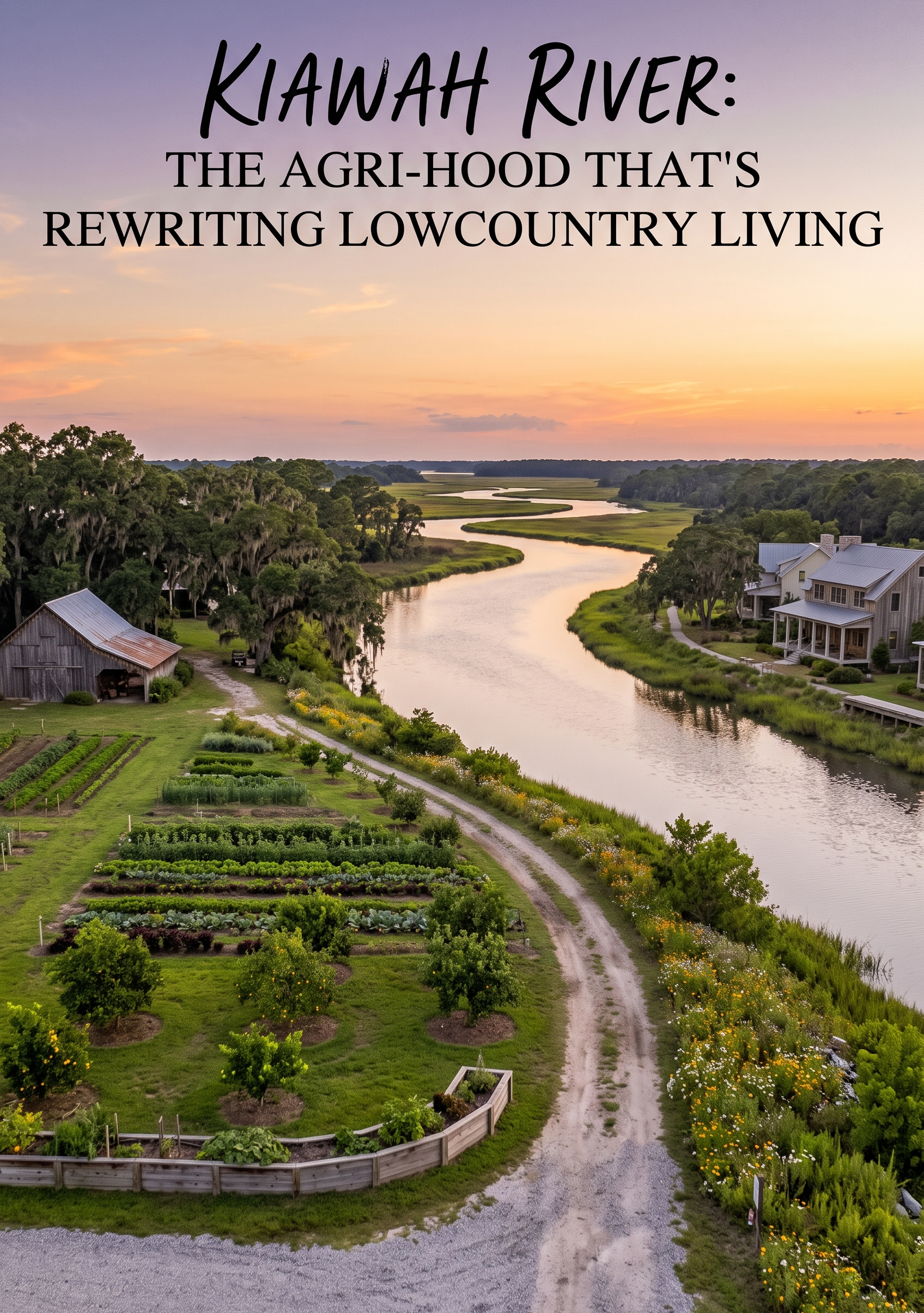
Kiawah River: The Agri-Hood That's Rewriting Lowcountry Living

Every so often a community comes along that changes how people think about the Charleston market. Kiawah River is doing that right now. It's not on Kiawah Island. It's not a golf resort. It's not a typical coastal community. It's what people are calling an agri-hood, and it's pulling in a very specific kind of buyer who wants Lowcountry living without the golf-and-gate feel of traditional luxury communities.

I've been watching this segment of the Charleston market for years. Here's why Kiawah River deserves your attention if you're thinking about a coastal move.

What Kiawah River Actually Is

Kiawah River sits on the mainland side of the Kiawah island bridge, along the Kiawah River and Bohicket Creek. It's a master-planned community built around a working farm, protected marsh views, and outdoor amenities that lean into the natural landscape rather than trying to overpower it. Think saltwater pool, kayak launches, gardens, and community farm dinners rather than 27 holes of golf and a formal clubhouse.

The homes range from cottages to custom estates. The lots are generally larger than what you find in typical Mount Pleasant subdivisions. And the architecture nods to classic Lowcountry design without feeling like a themed version of it.

What an Agri-Hood Actually Means

Here's the thing most people don't know. Agri-hood is a real design category, not marketing fluff. The idea is that instead of centering the community around golf or clubs, the shared amenity is a working farm or agricultural operation. Residents can access fresh produce, participate in seasonal events, and live inside a landscape that's actively growing food.

For a certain kind of buyer, that's incredibly appealing. Retirees who want to slow down and connect with the land. Remote workers who want a home base that feels different from a typical suburb. Second-home buyers who want the Lowcountry lifestyle without the resort feel of Kiawah Island proper.

Who's Buying Here

The Kiawah River buyer pool is different from most Charleston communities I work with.

Downsizers Looking for Something Meaningful

A lot of empty-nesters are choosing this community over more traditional retirement neighborhoods. They want walkable natural spaces, a real sense of community, and homes that fit a slower pace of life.

Out-of-State Buyers Wanting Real Lowcountry

Buyers relocating from Northeast or Midwest markets often tour Kiawah River after realizing they don't actually want a resort golf community. They want beauty, quiet, and connection to the land. This delivers all three.

Second-Home Buyers

Some buyers use Kiawah River as a second home. Proximity to Kiawah Island itself, plus Bohicket Marina and the broader Sea Island lifestyle, makes it an easy sell for that segment.

Kiawah River The Agri-Hood That's Rewriting Lowcountry Living

How Kiawah River Compares to Nearby Options

Versus Kiawah Island

Kiawah Island is the resort. Championship golf, beach access, gated luxury, and everything that comes with it. Premium pricing across the board. Kiawah River sits on the mainland just outside, with a completely different vibe. If you want the beach at your door and a golf-heavy lifestyle, Kiawah Island wins. If you want quieter, more natural, more agriculture-focused, Kiawah River wins.

Versus Seabrook Island

Seabrook Island is gated, quiet, and beloved by families and retirees. It's similar in tone to Kiawah in some ways but with a more residential and less resort feel. Kiawah River shares Seabrook's slower pace but with a very different design philosophy.

Versus Wadmalaw Island

Wadmalaw is even quieter, more rural, and less structured. If you want a truly hands-off natural setting with no amenity structure at all, Wadmalaw beats Kiawah River. If you want the rural feel with community amenities and shared events, Kiawah River wins.

Versus Johns Island Communities

Other Johns Island communities offer parts of what Kiawah River delivers, but few pull the full agri-hood concept together the same way.

Real Estate Realities

Pricing

Kiawah River isn't an entry-level market. Home pricing generally competes with premium Mount Pleasant and Daniel Island neighborhoods, and higher-end custom homes reach further. What you're paying for is the community concept and the lifestyle, not just the square footage.

Inventory

Because it's a controlled, master-planned build-out, inventory is more predictable than an open market but still relatively limited. Serious buyers should be prepared to act when the right home appears.

Resale Potential

The agri-hood concept has caught on nationally. As more buyers seek alternatives to traditional master-planned communities, resale demand at Kiawah River tends to attract buyers who specifically want this lifestyle. That's a healthy fundamental for long-term value.

Practical Considerations

Commute Times

Downtown Charleston is roughly 45 minutes from Kiawah River, depending on time of day and Maybank Highway traffic. This isn't a short-commute community. Test the drive at your actual working hours before committing.

Access to Services

Kiawah River is close to Kiawah Island and Bohicket, so restaurants and marina amenities are within reach. Full grocery, healthcare, and major services require a drive back toward Johns Island proper or into Mount Pleasant.

Flood and Insurance

Waterfront and marsh-adjacent properties sit in flood zones. Elevation, flood insurance, and wind coverage all need proper due diligence during any purchase.

HOA and Community Fees

Amenity-rich communities carry HOA and community fees to fund maintenance, farm operations, and events. Understand exactly what you're paying and what it covers before making an offer.

Who Should Look Here

If you want a luxury coastal community that centers around agriculture and nature rather than golf, Kiawah River deserves serious consideration. If you want maximum walkability to a village, Daniel Island is a stronger fit. If you want beach at your door, Kiawah Island itself or a barrier island community fits better. If you want maximum quiet and rural feel, Wadmalaw or Awendaw might be your answer.

What Kiawah River delivers that few others do is the middle ground. Structured community. Working farm. Marsh and river views. Real community events. Modern homes. Slower pace. It's a specific fit for a specific buyer, and when it fits, it fits perfectly.

Strategy for Buyers

Spend a weekend on the property before you commit. Attend a community event if you can. Talk with current residents. Understand the HOA structure and long-term maintenance responsibilities. And work with a Realtor who's spent real time here and understands why buyers choose this community over the more traditional Sea Island alternatives.

Key Takeaways

Kiawah River is one of the most distinctive communities in the Charleston market and represents where a specific slice of the luxury and semi-luxury market is headed. Working farm, marsh views, natural amenities, and a slower community feel appeal to buyers who don't want a traditional resort or gated golf experience. It sits between Kiawah Island's resort intensity and Wadmalaw's true rural feel. For the right buyer, it delivers a lifestyle few other Charleston-area communities can match.

About Greg Harrelson

Greg Harrelson is Broker/Owner of Century 21 The Harrelson Group and owner of Century 21 Expert Advisor in the Charleston market. With more than 20 years selling coastal Carolina real estate and 15,000+ homes and condos sold or partnered on, Greg leads roughly 500 agents across the Grand Strand and Charleston. He helps buyers, sellers, and investors win in every corner of the coastal Carolina market.

Posted in For Buyers, Lifestyle
Aug. 12, 2026

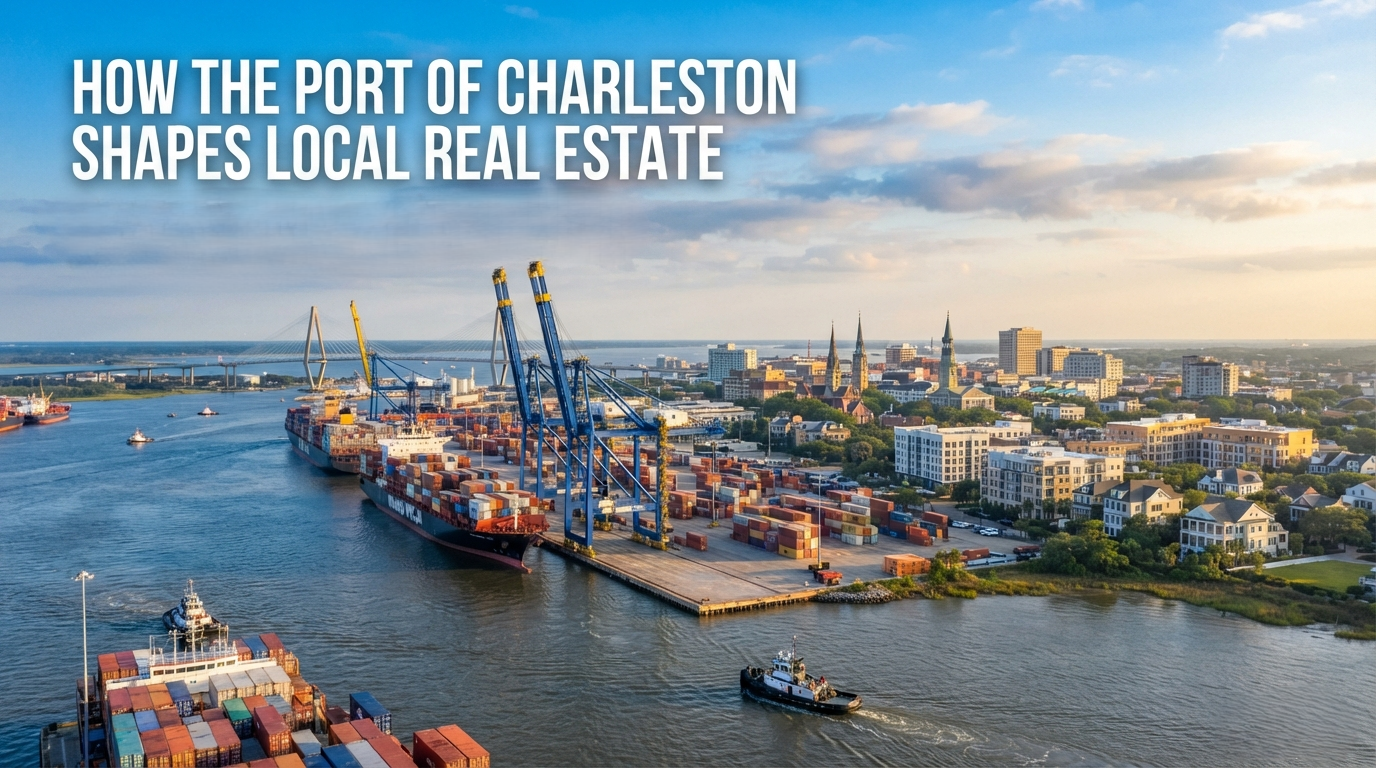
How the Port of Charleston Shapes Local Real Estate

Most buyers moving to Charleston never think about the port. They should. Because the Port of Charleston is one of the biggest forces shaping what happens in local real estate. It drives jobs. It drives population growth. It drives which neighborhoods appreciate and which get overlooked. And when the port expands, ripples move through the entire metro market.

I've been selling coastal Carolina real estate for over 20 years. If you're trying to understand where Charleston values are headed, the port belongs on your radar.

What the Port Actually Does for the Local Economy

The Port of Charleston is one of the top ten container ports in the country. It handles cargo moving between Southeastern manufacturers and the world. That's what draws companies like BMW upstate, Volvo in Berkeley County, Boeing in North Charleston, and Mercedes-Benz Vans out in Ladson. Those companies pick locations based on port access.

Every one of those companies employs thousands of people. Those people buy houses. Those houses drive the local real estate market.

How Port Expansion Moves the Market

The South Carolina Ports Authority has been investing heavily in port capacity. Hugh K. Leatherman Terminal in North Charleston, harbor deepening to handle bigger ships, upgraded rail and truck connections. Every one of those projects creates jobs and shifts where growth pressure lands next.

Here's what I mean. When rail capacity expanded, industrial real estate values in the areas along the freight corridors climbed. When Leatherman Terminal opened, residential demand in North Charleston and Hanahan got another push. Areas that were considered secondary five years ago started competing head-to-head with more established neighborhoods.

Neighborhoods That Track With Port Growth

North Charleston

North Charleston sits at the operational heart of the port and the industrial corridor around it. Neighborhoods like Park Circle have transformed over the last decade, driven partly by port-related jobs bringing new residents. Communities like Coosaw Creek and Indigo Palms serve professionals working in port-related industries.

Hanahan

Hanahan is close to Joint Base Charleston's Naval Weapons Station side and the port's inland connections. Communities like Tanner Plantation and Dominion Village attract port workers, military families, and professionals wanting shorter commutes to industrial employment.

Goose Creek and the Berkeley Corridor

Goose Creek and the broader Berkeley County corridor have absorbed a lot of Volvo and port-related growth. Communities like Crowfield Plantation continue to see steady demand tied to nearby employment.

Summerville

Summerville catches port-adjacent growth further out. Boeing's proximity to Summerville and easy I-26 access to port operations mean master-planned communities here have absorbed a meaningful share of the workforce that supports port and port-related industries.

 How the Port of Charleston Shapes Local Real Estate

What Port Growth Means for Buyers

Job Security in Port-Adjacent Industries

If you work in port operations, logistics, manufacturing, or related industries, choosing a neighborhood that keeps you within a reasonable commute of the port and inland industrial parks makes long-term sense. Commute time affects daily quality of life more than most buyers admit.

Appreciation Potential

Neighborhoods along growing employment corridors tend to appreciate faster than isolated pockets. Buying in Hanahan or growth-corridor Summerville often means catching that appreciation curve.

Rental Demand

Investors targeting long-term rental should look at port-adjacent neighborhoods with a critical eye. Steady employment demand from port-related industries typically supports strong rental fundamentals.

What Port Growth Means for Sellers

Timing Matters

Port expansion announcements often move markets in the specific neighborhoods most affected. If you're sitting on a home in North Charleston or the Berkeley corridor, keep an eye on what the Ports Authority announces. Timing your listing to catch positive news can move your net.

Buyer Pool Composition

Your buyer pool in port-adjacent neighborhoods often includes relocating professionals from other port cities. They know what to look for. Position your home for buyers who understand industrial employment and its lifestyle rhythm.

The Trade-Offs You Need to Understand

Port growth isn't only positive. Truck traffic on I-526, freight rail activity, and occasional industrial noise are all part of port-adjacent life. Buyers who don't understand this ahead of time end up disappointed. Buyers who go in with clear eyes can find real value in neighborhoods overlooked by people who wouldn't tolerate the trade-offs.

Some pockets right next to the industrial corridor may have air quality, noise, or truck traffic concerns worth researching. This is where working with a local Realtor who knows block-by-block matters more than just a general area.

What I Watch Going Forward

Continued port expansion means continued job creation. Continued job creation means continued housing demand. That demand shows up in specific neighborhoods before it shows up in general market data. Buyers and investors paying attention can catch appreciation early. Sellers can time exits to catch peak demand.

The Charleston market gets a lot of attention for its downtown historic district and its beach communities. But if you want to understand where the growth engine actually is, look at the port.

Key Takeaways

The Port of Charleston is one of the top ten container ports in the country and one of the biggest forces in the local real estate market. Port expansion drives job creation, which drives demand in North Charleston, Hanahan, Goose Creek, and Summerville. Buyers can catch appreciation by shopping port-adjacent neighborhoods with clear eyes about the trade-offs. Sellers in those areas can time listings to catch positive port announcements. And investors targeting long-term rental should focus on neighborhoods where port-related employment supports the fundamentals.

Aug. 11, 2026

Where to Play Pickleball in the Charleston, SC Area

Pickleball took over the Charleston area faster than any sport I've seen in twenty years of selling real estate here. Five years ago, you asked a client if they played pickleball and got a blank look. Now buyers walk into a home tour and the first question is where the nearest courts are. Some are choosing neighborhoods based on it.

Here's what I mean. When I'm showing homes in Mt Pleasant or Daniel Island, court access is a real conversation. Not a bonus feature. A deciding factor for a lot of retirees, empty-nesters, and even young families. So if you're moving to Charleston and pickleball's part of your life, here's the map.

Why the Charleston Area Is a Pickleball Town

Mild winters mean you play year-round. Retirees and remote workers moving here bring the sport with them. Master-planned communities added courts before the wave, and public parks scrambled to catch up when demand exploded. Now there are courts almost everywhere you look.

Public and Municipal Pickleball Courts

Mount Pleasant Recreation Complex

The Town of Mount Pleasant added dedicated pickleball courts to the R.L. Jones Center recreation complex. Popular with locals, especially in the morning hours. Bring your own paddle and expect to rotate in.

Palmetto Islands County Park

Charleston County Parks has courts here in Mount Pleasant. Good for families combining a park day with a few games.

James Island County Park

James Island County Park is one of the most beloved outdoor spaces in the county and has added pickleball to its lineup. Great for anyone living in James Island or nearby.

Wannamaker County Park

North Charleston's Wannamaker County Park offers courts and a low-key vibe. Good pick if you live in the North Charleston area or Hanahan.

City of Charleston Parks

The city has been adding pickleball courts at parks like Corrine Jones Playground and others. Check the City of Charleston Parks and Recreation site for the current list and hours.

Where to Play Pickleball in the Charleston, SC Area

Communities With Their Own Pickleball Courts

Here's where things get interesting for anyone shopping for a home. A lot of Charleston-area communities now include pickleball as part of their amenity package.

Daniel Island

The Daniel Island Club has strong tennis and pickleball programs. Beyond the club, residents also get access to community courts as part of Daniel Island's amenity structure.

Park West in Mount Pleasant

Park West added pickleball to its already-strong amenity center. If you're touring homes here, ask specifically about court availability and reservation systems.

Hamlin Plantation

Hamlin Plantation is another Mount Pleasant community that's leaned into pickleball as part of its community amenities.

Nexton in Summerville

Nexton built pickleball into its amenity plan from early on. The active adult section especially caters to players.

Cane Bay Plantation

Cane Bay Plantation has multiple villages with amenity centers. Ask about which village includes pickleball courts and how the reservation system works.

The Ponds of Summerville

The Ponds has grown into a strong pickleball community, especially in the empty-nester section.

Carnes Crossroads

Carnes Crossroads includes courts in its amenity mix. Popular with players who want the smaller-community feel.

Kiawah Island Club

For luxury players, the Kiawah Island Club has excellent tennis and pickleball facilities. Club membership is separate from home ownership on Kiawah, so factor that in.

Seabrook Island

Seabrook Island has a strong tennis tradition that's expanded to include pickleball. Popular with the retiree community here.

Wild Dunes on Isle of Palms

Wild Dunes Resort members have access to resort tennis and pickleball facilities.

Private Clubs Worth Knowing

LTP is the biggest name in Charleston-area tennis and pickleball. Multiple locations across the metro, dedicated coaching, leagues, and clinics. If you're serious about improving, this is where a lot of players end up.

Individual country clubs across the region have added pickleball to keep up with member demand. If you're already a club member or considering one, ask about court count, court quality, and lesson availability.

What to Ask When Touring a Home

Here's what nobody tells you about community pickleball. Not all courts are equal.

How Many Courts?

Two courts serving a 500-home community means waits and frustration. Six courts means real playing time.

Court Surface

Dedicated pickleball courts play very differently from tennis courts with pickleball lines taped on. If you're serious, ask.

Lights?

Charleston summers push play to the mornings and evenings. Lit courts extend your window.

Reservation System

Some communities use apps to reserve courts. Others are first-come. Understand the culture before you buy.

Coaching and Clinics

Some communities host visiting pros or ongoing clinics. If you want to get better, that matters.

Best Neighborhoods for Serious Players

If pickleball's a top-three factor in your move, my honest read is that Mount Pleasant, Daniel Island, Summerville's major master-planned communities, and Kiawah/Seabrook deliver the strongest combination of court access, coaching, and player community. Downtown Charleston has options but they're mostly at public parks with waits. Beach communities have resort options but limited public play.

How to Plug In When You Move

Show up at a public court on a weekday morning. That's where you meet people. Join a local Facebook group for Charleston-area pickleball. Sign up for one intro clinic at an LTP location. Within two weeks, you'll have a regular game.

Key Takeaways

Pickleball's now a real factor in where Charleston-area buyers choose to live. Mount Pleasant, Daniel Island, and the Summerville master-planned communities lead on community court access. LTP and country clubs handle the serious-player crowd. Public parks across the county cover casual play. If it's central to how you want to live here, ask specific questions during home tours and prioritize communities that treat pickleball as a real amenity, not an afterthought.

Posted in For Buyers, Lifestyle
Aug. 11, 2026

Heirs' Property in the Lowcountry: What Charleston Landowners Need to Know

If your family has owned land in the Charleston area for generations and nobody's ever probated a will or filed a new deed, you probably have heirs' property. Most people I talk to don't know they have it until something goes wrong. A cousin wants to sell. A developer knocks on the door. A hurricane damages the house and the insurance company asks for a clean title. That's when it hits.

I've been selling real estate in the Carolinas for over 20 years, and I've seen more than 15,000 homes and pieces of land change hands. Heirs' property is the trickiest situation a Lowcountry family can find itself in, and it's more common here than almost anywhere else in the country. Here's what you need to know if you own Johns Island real estate, land on Wadmalaw Island, acreage in Awendaw, or any other Lowcountry parcel that's been in the family a long time.

What Heirs' Property Actually Is

Say your grandfather owned five acres on Johns Island. He passed away without a will. Under South Carolina law, that land automatically went to his heirs. His wife got some. His kids got some. When his wife passed, her share got split among the kids. When the kids started passing, their shares got split among the grandkids.

Now it's three generations later. Twenty or thirty people technically own a piece of that same five acres. Nobody ever went to court. Nobody ever filed a new deed. And most of them have never met each other.

That's heirs' property. Fragmented ownership passed down informally, with no clean title.

Why It's So Common in the Charleston Area

The Lowcountry has more heirs' property per capita than almost anywhere else in the South. A lot of that traces back to Gullah Geechee families and Black landowners who acquired property after the Civil War and Reconstruction. For generations, formal probate cost money most families didn't have or couldn't easily access, so land got passed down at the kitchen table instead of the courthouse.

You'll see heirs' property on Johns Island, Wadmalaw, Awendaw, and pockets across the Sea Islands. Estimates put the total at tens of thousands of acres across the region.

Why It Matters

Here's what nobody tells you until you're in it. Heirs' property owners face problems clean-title owners never think about.

You Can't Sell Without Everyone Agreeing

If you want to sell, every co-heir usually has to sign off. With twenty or thirty co-owners scattered across the country, that's often impossible to pull together.

You Can't Get a Regular Mortgage

Banks want clean title. Without it, you're locked out of traditional mortgages, home equity loans, and refinancing. Even if you've paid property taxes on the land for forty years, the bank sees a title mess.

You're Vulnerable to Forced Sales

This is the one that used to devastate families. Historically, any single co-heir could file a partition action and force the whole property to auction. Outside investors would track down one distant relative, buy their fractional share for cheap, then force a sale of the entire property below market value.

You Get Locked Out of Federal Programs

FEMA disaster relief, USDA farm programs, weatherization grants — most require clean title. When Hurricane Hugo or the next storm hits, heirs' property owners often can't access the help their neighbors qualify for.

The Law That Changed the Game

South Carolina passed the Uniform Partition of Heirs Property Act, and it made a real difference. Here's what it does.

Before an outside buyer can force a sale, all the other co-heirs get notified and get first shot at buying out the person who wants to sell. The property has to be appraised at fair market value, not auction-block value. And the court has to prefer physically dividing the land over forcing a sale whenever it's practical.

That doesn't fix everything. But it stops the worst-case scenario where a family loses ancestral land to an investor picking off one distant relative at a time.

How to Actually Clear the Title

If you're sitting on heirs' property and you want to get it cleaned up, here's the path.

Start With Family Research

You need to identify every living heir. That means pulling death certificates, marriage records, and family trees going back to the original owner. Reach out to relatives you may not have spoken with in years. This step alone can take months.

Get the Right Lawyer

Do not try this with a general estate attorney. Find one who's worked heirs' property cases in Charleston, Berkeley, or Dorchester County. This is specialty legal work.

Consider a Quiet Title Action

When the family agrees on what should happen with the land, a quiet title action through the court can establish clean ownership. It's not fast and it's not cheap, but it's the way through.

Call the Center for Heirs' Property Preservation

The Center for Heirs' Property Preservation is based right here in Charleston. They provide legal services and education specifically for heirs' property families in South Carolina. If you can't afford private legal help, they're the first call.

What Buyers Should Know

If you're looking at rural or Sea Island land in Charleston real estate, especially anything that's been in one family a long time, insist on thorough title work before you fall in love with the property. Title insurance matters. Extended due diligence timelines matter. And be respectful. That land often means something to a family that goes far beyond a purchase price.

What Sellers Should Know

If you're the family member trying to sell heirs' property, start the legal work now. Not when a buyer's already interested. Clearing title can take a year or more. If you wait until you have a buyer, you'll lose the deal.

Talk to your co-heirs before you talk to a Realtor. Some might want to buy your share and keep the land in the family. That conversation usually goes better before there's an outside offer on the table.

The Move That Prevents All of This

If you currently own Lowcountry land with clean title, do your family a favor and put a will in place. Better yet, work with an estate planning attorney on a proper trust or a Lady Bird deed if it fits your situation. It's the difference between passing on land and passing on a legal mess.

I've watched families lose generational wealth to this. I've also watched families keep it and pass it on. The difference is almost always whether someone in the current generation took the time to plan.

Key Takeaways

  • - Heirs' property is land passed down without a will or new deed, creating fragmented ownership across many co-heirs.
  • - It's common in the Lowcountry, especially on Johns Island, Wadmalaw, Awendaw, and other Sea Island communities.
  • - You can't sell, mortgage, or refinance heirs' property without cleared title.
  • - South Carolina's Uniform Partition of Heirs Property Act protects families from forced sales at below-market prices.
  • - The Center for Heirs' Property Preservation in Charleston provides legal help specifically for these situations.
  • - Clean title requires family research, a specialty attorney, and often a quiet title action through the court.

Frequently Asked Questions

What is heirs' property in South Carolina?

Heirs' property is real estate passed down through generations without formal wills or deeds, resulting in fragmented ownership among many co-heirs. It's common in the Lowcountry, especially on the Sea Islands.

Can I sell heirs' property?

Selling heirs' property typically requires clearing title first, which usually requires consent from all co-heirs or a legal process like a quiet title action. Consult an experienced local attorney before pursuing a sale.

Can heirs' property be lost through forced sale?

Historically yes, but South Carolina's Uniform Partition of Heirs Property Act provides significant protections including right of first refusal for co-heirs and preference for partition in kind over forced sale.

Where can I get help with heirs' property in Charleston?

The Center for Heirs' Property Preservation, based in Charleston, provides legal services and education for heirs' property owners. Local legal aid organizations and experienced attorneys also assist with these cases.

How can I prevent heirs' property in my own family?

Draft a will, consider a trust, and formalize property transfers between generations with proper legal documentation. Talk with an estate planning attorney to build a plan that protects your family long-term.

About Greg Harrelson

Greg Harrelson is Broker/Owner of Century 21 The Harrelson Group and owner of Century 21 Expert Advisor in the Charleston market. With more than 20 years selling coastal Carolina real estate, 15,000+ homes and condos sold or partnered on, and 1,100+ five-star Zillow reviews, Greg leads a team of roughly 500 agents across the Grand Strand and Charleston. He helps buyers, sellers, and investors win in every corner of the coastal Carolina market.
Aug. 10, 2026

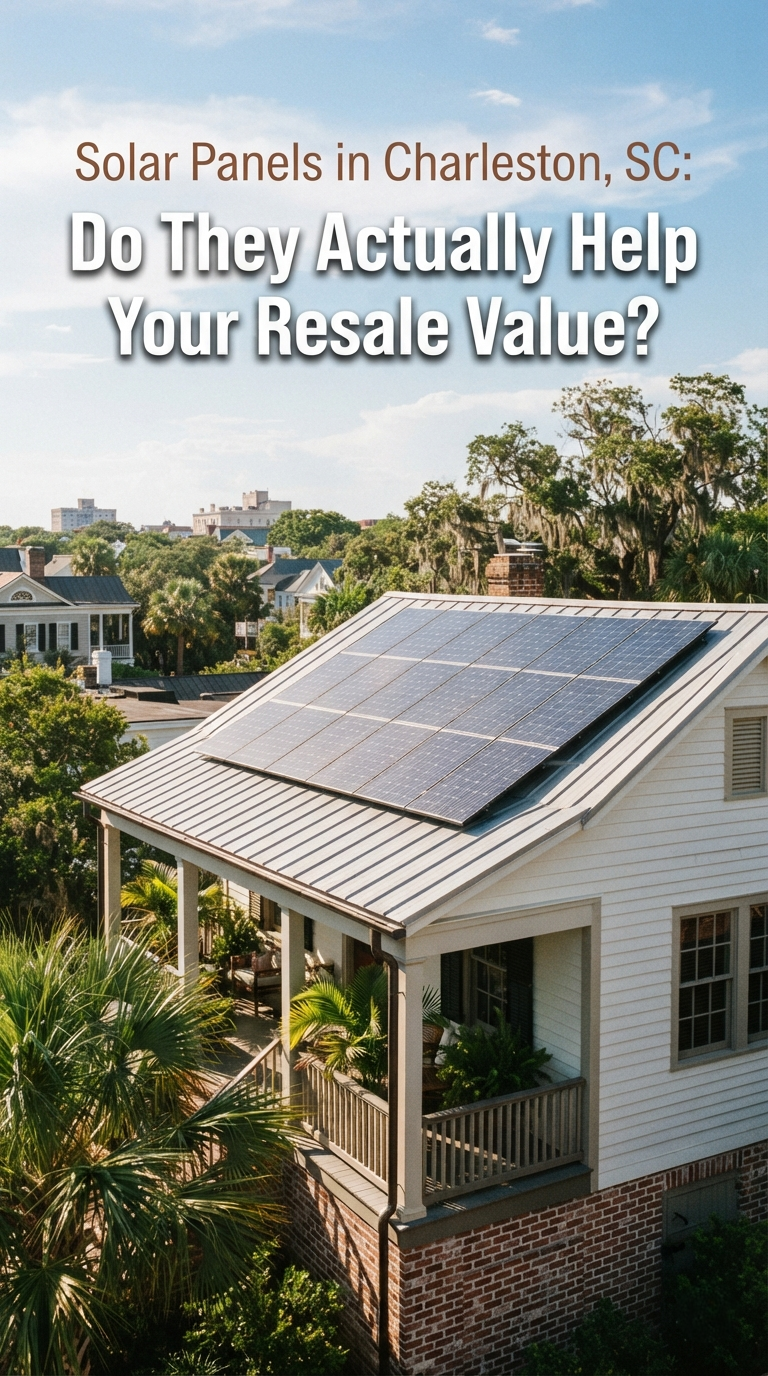
Solar Panels in Charleston, SC: Do They Actually Help Your Resale Value?

Solar panel questions come up in almost every listing appointment I take these days. Sellers want to know if the system on their roof helps or hurts the sale. Buyers want to know if that panel array is a savings machine or a legal headache. Here's the honest answer after 20+ years watching Charleston homes trade hands and sitting in on more solar transactions than I can count.

It depends on one thing above all else. Do you own the panels outright, or are they leased?

Owned Solar vs. Leased Solar

If you paid cash for your solar system or financed it and paid it off, you own it. When you sell the house, the system stays with the property and becomes a feature the buyer inherits. That's the scenario where solar adds value.

Leased solar is different. A third-party company owns the panels on your roof. You have a long-term contract, usually 20 to 25 years, and you pay a monthly bill for the power they generate. When you sell, that contract has to transfer to the new buyer, or you have to buy the system out of the lease, or you have to remove the panels. All three of those add friction to a sale.

Here's the thing. Buyers walking into a Charleston home tour love the idea of solar. They lose interest fast when they find out they'd be signing on to a 15-year remaining lease with a company they've never heard of.

What Buyers Actually Ask

When my clients tour a home with solar panels, the same questions come up every time.

How old is the system? What's the warranty situation? Is there a monthly bill going with this house or did the sellers pay it off? What did the electric bills look like last summer? Are the panels tied to the roof warranty and if so, whose warranty am I inheriting?

Sellers who can answer those questions clearly, in writing, close smoother sales. Sellers who fumble the answers watch buyers walk.

Does Solar Actually Add Value?

National appraisal data suggests owned solar systems generally do add value at resale, particularly in warmer climates where the electricity savings are real. Charleston qualifies. Long cooling season, high electric bills in summer, and increasingly buyer-savvy on energy costs.

But value depends on a few specific things.

The System's Age and Condition

A five-year-old system with warranty coverage adds meaningfully more value than a fifteen-year-old system approaching end-of-life.

The Actual Power Production

If you can show buyers real monthly production numbers and matching utility bills that dropped dramatically, that's a real selling point.

Roof Condition Under the Panels

If your roof needed replacement two years ago and you put panels on top of the aging shingles, buyers see a problem. If your roof was recent when panels went up, buyers see an integrated system with decades of life left.

Local Comps

Homes in Mt Pleasant, Daniel Island, and newer master-planned communities in Summerville tend to see stronger buyer response to solar than older homes in more traditional neighborhoods. Not always, but generally.

South Carolina-Specific Considerations

Net Metering Rules Keep Changing

Net metering is what lets you send excess power back to the grid and get credited on your bill. South Carolina's net metering programs have been in a state of flux, and current rules matter to what a system actually saves you. Check with Dominion Energy or Berkeley Electric Cooperative (depending on your service area) for the current terms before you buy or sell.

Hurricane and Storm Considerations

Coastal solar systems need to be rated for high winds. Look for systems installed with proper mounting hardware and a licensed local installer who understands the code here. Insurance carriers are increasingly asking specific questions about solar during renewals and new policies.

The Federal Tax Credit

Federal solar tax credits have driven a lot of Charleston-area installations. Buyers can't claim credits for systems already installed, but the tax credits already realized by the seller lowered the effective cost of the system that's transferring to them.

Solar Panels in Charleston, SC: Do They Actually Help Your Resale Value?What Sellers Should Do Before Listing With Solar
Gather Documentation

Original purchase paperwork or lease contract. Warranty documents. Recent utility bills showing the savings. Any roof warranty impact statements. Get all of it in one folder before you list.

Understand Your Lease Options

If your panels are leased, call the lease company now. Learn exactly how transfer works, what the buy-out amount is today, and how long transfer takes. Buyers won't wait.

Price the Home Realistically

An owned system in good condition can support a stronger price. A leased system usually shouldn't add to your asking price, and in some cases means pricing slightly under a comparable non-solar home to stay competitive.

What Buyers Should Do When Touring Solar Homes

Ask the listing agent whether the panels are owned or leased before you make an offer. Get the documentation during due diligence. Have an electrician or your home inspector look at the system as part of your inspection. And confirm with your insurance agent that solar coverage fits into the policy you're pricing for the home.

Where I See Solar Working Best in the Charleston Market

Larger single-family homes in Park West, Hamlin Plantation, and similar communities. Modern homes in Cane Bay Plantation where the buyer profile skews toward efficiency-minded families. Custom homes on larger lots where the visual footprint of panels doesn't compete with a historic aesthetic.

Where I see it working less well? Historic downtown properties where design review complicates panel installation and where the buyer profile isn't primarily looking for energy savings.

Key Takeaways

  • - Owned solar systems generally add resale value in Charleston. Leased systems complicate sales.
  • - Buyers ask specific questions about age, warranty, production, and roof condition. Sellers should have documentation ready.
  • - South Carolina's net metering rules keep evolving. Confirm current terms with your utility before buying or selling a solar home.
  • - Coastal installations need hurricane-rated mounting and installers who understand local code.
  • - Owned solar works best in modern homes and master-planned communities. It's a tougher fit in historic districts.

Frequently Asked Questions

Do solar panels add value to a Charleston home?

Owned solar systems typically add value in the Charleston market, especially on newer homes where buyers see the energy savings as a real benefit. Leased systems usually don't add value and can complicate sales if the transfer process is unclear.

Can I sell a home with a leased solar system?

Yes, but the lease has to transfer to the buyer, or the seller has to buy out the lease before closing, or the panels have to be removed. Start that conversation with the lease company early, well before you list.

Do solar panels affect insurance in coastal South Carolina?

They can. Some insurance carriers ask specific questions about solar during renewals and new policies, especially in coastal areas. Confirm with your agent that your policy covers the system and that any wind exposure is properly rated.

Are solar panels legal in Charleston's historic district?

Design review applies in the historic district and may restrict panel placement, especially on street-facing roof slopes. Talk with the Board of Architectural Review before assuming solar is feasible on a historic property.

What size solar system makes sense for a Charleston home?

Size depends on your electric usage, roof orientation, shading, and current net metering terms. A licensed local installer can run the numbers for your specific home. Don't oversize based on a national estimate.

About Greg Harrelson

Greg Harrelson is Broker/Owner of Century 21 The Harrelson Group and owner of Century 21 Expert Advisor in the Charleston market. With more than 20 years selling coastal Carolina real estate, 15,000+ homes and condos sold or partnered on, and 500+ Google reviews from clients across the region, Greg leads roughly 500 agents across the Grand Strand and Charleston. He helps buyers, sellers, and investors win in every corner of the coastal Carolina market.

Aug. 7, 2026

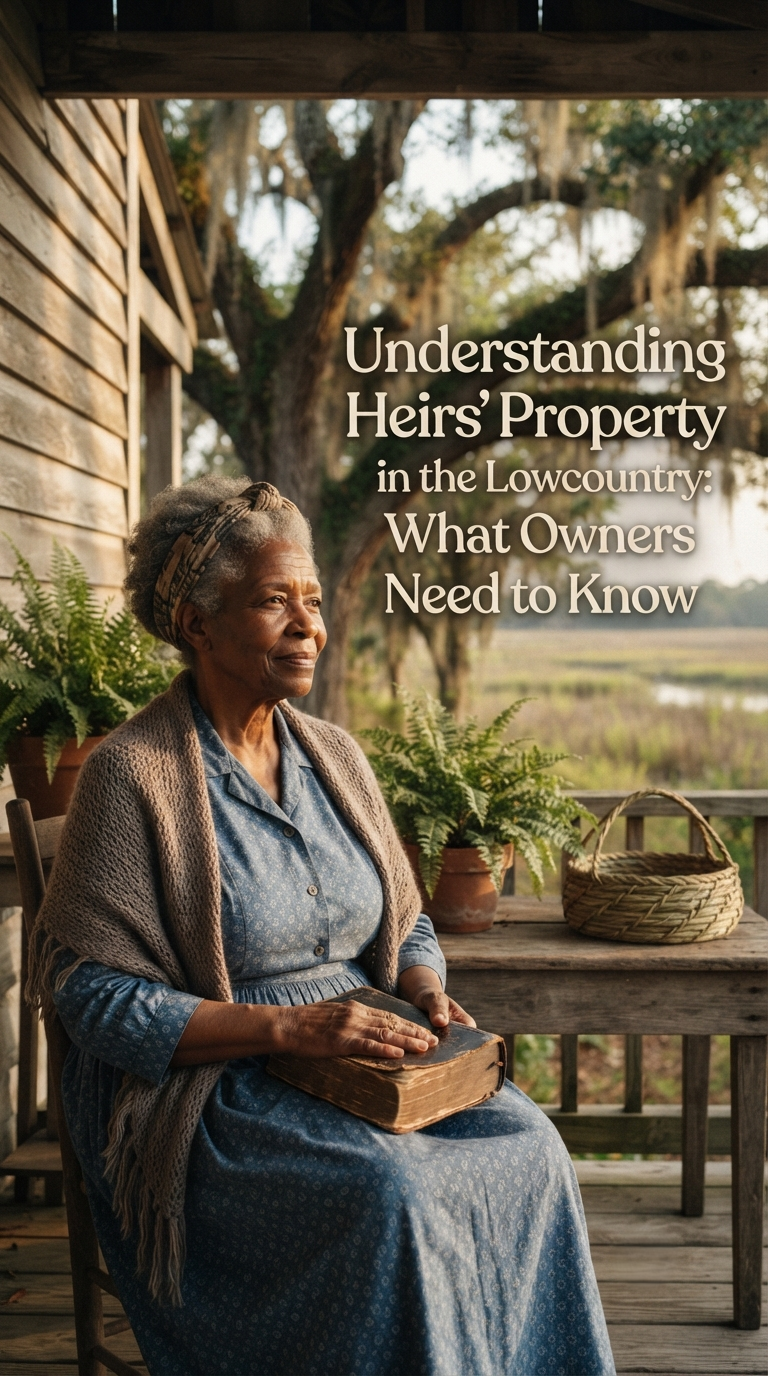
Understanding Heirs' Property in the Lowcountry: What Owners Need to Know

Heirs' property is one of the most misunderstood and consequential aspects of real estate in the Charleston region. Passed down informally through generations, often without a will and without proper legal transfer, heirs' property affects tens of thousands of families across the Lowcountry and represents billions of dollars in real estate value. For owners, potential buyers, sellers, and inheritors of Lowcountry land, understanding heirs' property is essential. It affects everything from your ability to sell to your access to loans and even your protection against forced sales. If you own or have inherited land in Charleston, SC real estate, here is what to know.

What Is Heirs' Property?

Heirs' property is real estate that has been passed down through generations without a formal will, deed transfer, or probate process. When the original owner dies without a will, the property automatically passes to their legal heirs under state intestate succession laws. Over generations, ownership fragments among more and more heirs, each holding an undivided fractional interest in the whole property.

The result is that dozens or even hundreds of people may technically own a share of the same piece of land, often without any of them knowing the full list of co-owners. This creates serious legal and practical problems for anyone trying to use, improve, or transfer the property.

Why Heirs' Property Is So Common in the Lowcountry

The Lowcountry has a deep history that helps explain the prevalence of heirs' property here. Historically, Gullah Geechee families, Black landowners, and rural families often passed land informally between generations, sometimes because formal legal services were inaccessible, unaffordable, or distrusted. Over generations, that informal transfer created the legal reality we see today. Estimates suggest tens of thousands of acres in the Charleston region are held as heirs' property, particularly on the Sea Islands including Johns Island, Wadmalaw Island, and areas of Awendaw and beyond.

The Problems Heirs' Property Creates

Inability to Sell or Refinance Without Universal Consent

In most cases, selling or refinancing heirs' property requires consent from all co-heirs. When ownership has fragmented across generations, gathering that consent becomes practically impossible.

Vulnerability to Forced Sales

Historically, any single heir could file a partition action, forcing the entire property to be sold at auction. This has been used by outside investors to acquire family land at below-market prices, causing devastating losses to Lowcountry families over generations.

Difficulty Getting Loans

Without clear title, heirs' property owners typically cannot access traditional mortgage financing or home equity loans, even if they live on and maintain the property.

Ineligibility for Certain Federal and State Programs

Many disaster relief, agricultural, and home improvement programs require clear title. Heirs' property owners are often excluded from benefits they should be able to access.

Property Maintenance Challenges

Making improvements, adding utilities, or even receiving property insurance can become complicated when title is unclear.

Understanding Heirs' Property in the Lowcountry: What Owners Need to Know

South Carolina's Uniform Partition of Heirs Property Act

South Carolina adopted the Uniform Partition of Heirs Property Act to protect heirs' property owners from the most abusive forced-sale scenarios. The law provides several protections, including requiring courts to notify all co-owners, giving co-owners the right of first refusal to buy out other heirs, ensuring properties are appraised at fair market value, and preferring partition-in-kind (physically dividing the land) over forced sale where possible.

The law does not eliminate all challenges, but it significantly reduces the risk of losing family land to opportunistic outside buyers.

How to Clear Heirs' Property Title

Identify All Heirs

Begin by tracing the family tree to identify all living heirs. This may involve reviewing death certificates, marriage records, wills, and family documentation across several generations.

Work With an Experienced Attorney

Heirs' property is legally complex. Hire an attorney experienced with these situations, ideally one with local Lowcountry experience.

Consider Quiet Title Actions

Quiet title actions can help clear title when the ownership is truly fragmented and can be documented. This is a court process that establishes definitive ownership.

Family Agreement and Formal Transfer

In some cases, families can reach agreement on ownership and formalize transfers between living heirs through proper deeds and documentation.

Estate Planning for Current Owners

Once title is cleared, current owners can prevent future heirs' property problems by drafting wills, establishing trusts, or using enhanced life estate deeds (also known as Lady Bird deeds where applicable).

Local Resources for Heirs' Property Owners

The Center for Heirs' Property Preservation, based in Charleston, is a nonprofit organization that provides legal services and education specifically for heirs' property owners in South Carolina. Multiple legal aid organizations also assist with these situations. Talk with a local attorney to understand what resources are available for your specific case.

What Buyers Should Know

Title Insurance and Due Diligence

Buyers considering rural or Sea Island property should insist on thorough title work and title insurance. Heirs' property complications often emerge only during formal title searches.

Cash Purchases and Waiting Periods

Some heirs' property purchases can be structured with careful legal work, but they typically involve extended timelines and often cash rather than traditional financing.

Ethical Considerations

Buyers should be sensitive to the history and family significance of heirs' property. Ethical purchases involve fair pricing, transparency with families, and appropriate legal processes.

What Sellers with Heirs' Property Should Know

Start Legal Work Early

Clearing title takes time. If you are considering selling heirs' property, begin the legal process well before you plan to list. This can take months or years depending on complexity.

Consider the Right of First Refusal

Family members may want to preserve family land. Explore whether other heirs might be willing to buy out interested sellers before pursuing an outside sale.

Get Multiple Legal Opinions

Heirs' property situations vary widely. Getting input from multiple attorneys familiar with these situations helps ensure you are making informed decisions.

Special Considerations for Sea Island Properties

Sea Island properties on Wadmalaw, Johns Island, and other rural areas often have heirs' property histories that go back many generations. The land itself may hold significant family and cultural meaning beyond its market value. Approach these situations with appropriate care and respect for the families involved.

Strategy for Owners and Families

If you have inherited or currently hold heirs' property, begin the process of understanding your situation now. Talk with an experienced local attorney. Contact organizations like the Center for Heirs' Property Preservation. And plan estate transfers proactively to prevent future generations from facing the same problems. If you are a buyer considering purchasing rural or Sea Island property, insist on thorough title work and be prepared for potentially complex due diligence.

Key Takeaways

Heirs' property is one of the most significant real estate issues affecting Lowcountry families and rural properties. Fragmented ownership, forced sale risks, and inability to access financing or improve property all create real problems for owners and their families. South Carolina's laws have improved protection for heirs' property owners, and legal resources exist to help clear title. For families, the smartest path is proactive estate planning to prevent heirs' property problems in the first place. For those already dealing with heirs' property, the path forward requires patience, the right legal team, and often a family-wide conversation about the future of the land. Done thoughtfully, these situations can be resolved in ways that honor family history while protecting long-term value.

Frequently Asked Questions

What is heirs' property in South Carolina?

Heirs' property is real estate passed down through generations without formal wills or deeds, resulting in fragmented ownership among many co-heirs. It is common in the Lowcountry, especially on the Sea Islands.

Can I sell heirs' property?

Selling heirs' property typically requires clearing title first, which usually requires consent from all co-heirs or a legal process like a quiet title action. Consult an experienced local attorney before pursuing a sale.

Can heirs' property be lost through forced sale?

Historically yes, but South Carolina's Uniform Partition of Heirs Property Act provides significant protections including right of first refusal for co-heirs and preference for partition in kind over forced sale.

Where can I get help with heirs' property in Charleston?

The Center for Heirs' Property Preservation, based in Charleston, provides legal services and education for heirs' property owners. Local legal aid organizations and experienced attorneys also assist with these cases.

How can I prevent heirs' property in my own family?

Draft a will, consider a trust, and formalize property transfers between generations with proper legal documentation. Talk with an estate planning attorney to build a plan that protects your family long-term.

About Greg Harrelson

Greg Harrelson is a seasoned Realtor® with more than 30 years of experience serving the Carolina markets. As the founder of Century 21 The Harrelson Group, Greg has built his career helping buyers, sellers, and investors achieve success in every corner of the coastal Carolina real estate market. His expertise spans residential homes, investment properties, land development, and coastal condos. Known for his deep local knowledge, innovative marketing strategies, and commitment to personal service, Greg consistently helps clients reach their real estate goals while navigating the ever-changing market with confidence and precision.

Aug. 6, 2026

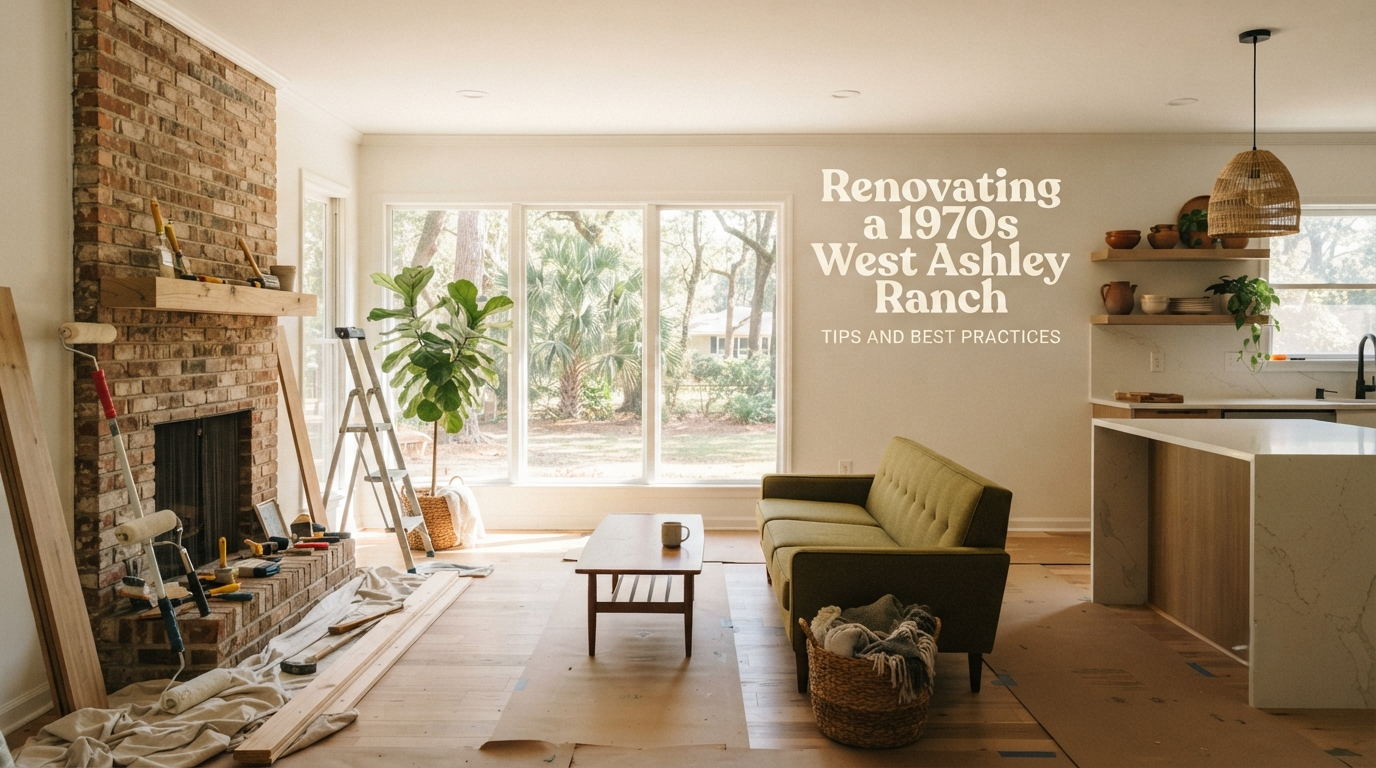
Renovating a 1970s West Ashley Ranch: Tips and Best Practices

Some of the smartest real estate plays in the Charleston region right now involve buying and renovating a 1970s ranch in West Ashley. Solid bones, generous lot sizes, mature landscaping, and prime locations near downtown make these homes ideal candidates for smart updates. But renovating one requires understanding what these homes typically need, what buyers today want, and how to spend your renovation dollars wisely. This guide walks through the essential considerations for anyone exploring 1970s ranch renovations in Charleston, SC real estate.

Why 1970s West Ashley Ranches Are Worth the Effort

West Ashley's 1970s ranches share several appealing qualities. Solid structural bones, brick or masonry construction, generous lot sizes, and locations in established neighborhoods with mature trees and quick downtown access. Neighborhoods like Byrnes Down, South Windermere, and The Crescent all feature strong examples of the era. Well-executed renovations often deliver dramatic appreciation because the underlying land and location typically outperform surface aesthetics.

Common Issues in 1970s Ranches

Original HVAC and Ductwork

Original HVAC systems in these homes are typically well past useful life. Older ductwork may also need replacement or major cleaning. Budget for a modern system as one of your first upgrades.

Aluminum Wiring

Some 1970s homes have aluminum branch wiring, which requires special connectors and inspection. An electrician should evaluate the system early in the process.

Cast-Iron Plumbing

Cast-iron drain lines in older homes can develop cracks and blockages over time. A sewer scope inspection helps identify issues before they become emergencies.

Insulation and Energy Efficiency

Original insulation is often minimal by modern standards. Adding attic insulation, sealing air leaks, and upgrading windows can dramatically improve comfort and energy costs.

Original Roof

Roofs on many 1970s ranches have already been replaced multiple times but should still be inspected for age and remaining useful life.

Termite History

Older Charleston-area homes often have termite history. A thorough CL-100 termite inspection and any recommended treatments should happen early.

Layout Modernization

Opening the Kitchen

Many 1970s ranches feature closed-off kitchens separated from living areas by walls. Buyers today overwhelmingly prefer open concept living. Removing non-load-bearing walls between the kitchen and adjacent living areas is one of the highest-ROI structural changes possible.

Primary Suite Expansion

Original primary bedrooms in 1970s ranches often lack modern walk-in closets and en-suite bathrooms. Expanding or reconfiguring the primary suite significantly boosts appeal.

Adding Second Living Space

Home offices, playrooms, or bonus areas are more important than ever. Look for opportunities to create flexible space in existing floor plans, sometimes by adding a modest addition.

Renovating a 1970s West Ashley Ranch Tips and Best Practices

Aesthetic Updates That Matter Most

Kitchen Renovation

Modern cabinets, quartz or granite counters, updated appliances, and fresh lighting can transform even a modest kitchen. Focus on quality that buyers will notice.

Bathroom Updates

Full bathroom renovations, especially of the primary bath, deliver strong returns. Even simpler updates like new vanities, mirrors, lighting, and tile refresh can meaningfully modernize.

Flooring

Original hardwood floors underneath carpet or worn finishes often refinish beautifully. If original wood is not present, high-quality LVP or engineered hardwood can dramatically update.

Paint and Lighting

Fresh neutral paint and modern lighting are among the highest-ROI improvements you can make. They completely change how a home feels for relatively low cost.

Curb Appeal Investments

Front Door and Entry

Modern front door, welcoming porch details, and updated hardware transform the first impression.

Landscaping

Fresh landscaping, edged beds, and clean walkways add significant value at modest cost.

Exterior Refresh

Fresh paint on trim, updated shutters, and cleaning of brick or siding can make a home look years newer.

Adding a Porch or Screen Room

Charleston-area buyers love outdoor living. Adding a screened porch or refreshing an existing one delivers strong ROI in this market.

Where to Invest and Where to Save

Prioritize Systems and Layout

The strongest returns typically come from modernizing HVAC, electrical, plumbing, and the layout. Buyers may forgive dated finishes if the systems and floor plan work for modern living.

Kitchen and Primary Bath Deliver

These are the two spaces where buyers focus most attention. Prioritize investment here.

Curb Appeal Punches Above Its Weight

Small investments in the front of the home often deliver disproportionate returns.

Where to Be Careful

Highly personal design choices, exotic materials, and finishes that do not match the neighborhood's price range often deliver lower returns.

Working With the Right Team

Licensed Local Contractor

Charleston has specific building code, permit, and climate considerations. Work with a licensed local general contractor experienced with older homes.

Designer or Architect for Layout Changes

Even relatively simple layout changes benefit from professional design input. Getting the traffic flow, sight lines, and finishes right the first time saves money and improves results.

Realtor Insight

Consult with a local Realtor before committing to your scope. They can tell you what similar renovated homes in the neighborhood have sold for and where to focus your investment.

Budgeting and Timelines

Renovations always cost more and take longer than initially planned. Build in a 20 percent contingency buffer. Expect 4 to 8 months for full renovations depending on scope. Permits, contractor availability, and material lead times all affect timelines.

Strategy for Renovators

Start with a clear vision of the finished home. Get comparable data from your Realtor before committing to a scope. Prioritize the improvements that most affect livability and resale. Work with experienced local professionals. And remember that West Ashley 1970s ranches often reward patience and craftsmanship with strong long-term value.

Key Takeaways

Renovating a 1970s West Ashley ranch is one of the smartest real estate moves available in the Charleston region right now. Solid bones, strong locations, and generous lots create opportunities that newer construction cannot match. Focus on systems, layout modernization, kitchen and bath updates, and curb appeal for the strongest returns. Work with the right team, budget realistically, and plan for the long term. Done well, these renovations deliver both beautiful homes and meaningful equity gains.

Frequently Asked Questions

Are West Ashley ranches good investments in today's market?

Well-executed renovations in strong West Ashley neighborhoods often deliver excellent returns. The combination of solid original construction and premium locations creates strong long-term value.

What renovations deliver the highest ROI?

Kitchen renovations, primary bath updates, HVAC replacement, layout modernization, and curb appeal typically deliver the strongest returns in this segment.

How much should I budget for a full 1970s ranch renovation?

Costs vary widely depending on scope and finish level. Get multiple quotes from experienced local contractors and build in significant contingency.

Should I open up the floor plan?

Usually yes. Opening walls between the kitchen and living areas is one of the most impactful changes for buyer appeal and daily livability.

Do I need permits for these renovations?

Yes. Most substantial renovations require permits through Charleston County. Your contractor should handle permitting as part of the project.

About Greg Harrelson

Greg Harrelson is a seasoned Realtor® with more than 30 years of experience serving the Carolina markets. As the founder of Century 21 The Harrelson Group, Greg has built his career helping buyers, sellers, and investors achieve success in every corner of the coastal Carolina real estate market. His expertise spans residential homes, investment properties, land development, and coastal condos. Known for his deep local knowledge, innovative marketing strategies, and commitment to personal service, Greg consistently helps clients reach their real estate goals while navigating the ever-changing market with confidence and precision.

Posted in Tips and DIY
Aug. 5, 2026

Best Dog Parks and Pet-Friendly Neighborhoods in Charleston, SC

Charleston is a dog town. Sidewalks are packed with dog walkers most mornings, restaurant patios welcome four-legged guests, and dog parks feature prominently in daily routines across the region. For buyers with dogs, choosing the right neighborhood can dramatically affect quality of life for both you and your pet. This guide breaks down the best dog parks in the Charleston metro and the neighborhoods that make pet ownership easiest. If you are exploring Charleston, SC real estate with a pet in mind, this is a great place to start.

Why Charleston Is a Great Place to Own a Dog

Mild climate that supports year-round outdoor time. Walkable neighborhoods that make daily walks pleasant. Dog-friendly restaurants and breweries. Beach and marsh access for dogs who love the water. And a large community of dog owners who help build a strong pet-friendly culture. Combined, these factors make the Charleston region one of the best places on the East Coast to be a dog owner.

Top Dog Parks in the Charleston Region

James Island County Park Dog Park

One of the largest and most beloved dog parks in the region. Fenced areas for both large and small dogs, water features, and shaded space make this a favorite for residents across the metro. James Island residents especially benefit from close access.

Palmetto Islands County Park Dog Park

Located in Mount Pleasant, this park offers dedicated off-leash areas alongside the larger county park trails and amenities. Popular with Mt Pleasant and Isle of Palms area residents.

Wannamaker County Park Dog Park

North Charleston's Wannamaker County Park offers a solid dog park experience with fenced areas, water features, and lots of space to run.

Hampton Park

Downtown's Hampton Park is not a dedicated off-leash area but is one of the most popular dog-walking destinations in the peninsula, with wide open lawns and shaded paths.

Neighborhood Dog Parks in Master-Planned Communities

Many master-planned communities including Nexton, Cane Bay Plantation, and sections of Park West feature community dog parks as part of their amenity packages.

Best Dog-Friendly Neighborhoods

James Island

Between the James Island County Park dog park, tree-lined walking streets, and easy access to Folly Beach, James Island is one of the most dog-friendly areas in the region. Riverland Terrace in particular is beloved for walkable dog life.

Daniel Island

Daniel Island was designed for walking, and dog walkers make up a large share of daily foot traffic. Sidewalks connect neighborhoods to parks, the village, and the waterfront, and community pet events bring dog owners together regularly.

Mount Pleasant Neighborhoods

Communities like Old Village, I'On Village, and larger master-planned communities like Park West and Hamlin Plantation all support strong dog lifestyles with walking paths, community amenities, and access to nearby parks.

Park Circle

Park Circle in North Charleston has a walkable, dog-friendly culture supported by the neighborhood's central park, brewery patios, and pet-welcoming restaurant scene.

West Ashley: Avondale and Byrnes Down

The Avondale corner of West Ashley and Byrnes Down deliver walkable, dog-friendly living with easy access to the West Ashley Greenway.

Beach Communities

Beach towns like Folly Beach, Isle of Palms, and Sullivan's Island all offer dog-friendly beach access during certain hours and seasons. Local rules vary, so confirm current beach access hours for pets.

Beach Dog Rules to Know

Each beach community has its own rules about when dogs are allowed on the beach and whether leashes are required. Rules can vary by season and can change. Always confirm with the town before assuming dog access, and always clean up after your pet.

Dog-Friendly Restaurants and Breweries

Restaurants with dog-friendly patios, breweries that welcome pets, and cafes with outdoor seating are widely available throughout the metro. Downtown Charleston, Shem Creek, Park Circle, and West Ashley's Avondale area are especially strong.

Best Dog Parks and Pet-Friendly Neighborhoods in Charleston, SC

Home Features for Dog Owners

Fenced Yards

A fenced yard is often the single most important feature for dog owners. Confirm HOA rules on fencing before assuming you can add or modify one.

Mudrooms and Wash Stations

Homes with mudrooms, drop zones near the door, or built-in dog wash stations make daily life significantly easier, especially after beach days or muddy walks.

Durable Flooring

Hardwood, tile, or high-quality LVP holds up much better to dogs than carpet.

Outdoor Living Space

Screened porches and patios give both you and your dog protected outdoor space to enjoy year-round.

HOA and Community Considerations

Pet Restrictions

Some HOAs restrict number of pets, dog breeds, or size limits. Always review pet policies before making an offer.

Fencing Rules

Even communities that allow pets may restrict fence types, heights, or materials. Understand what your yard can and cannot be before assuming.

Community Culture

Beyond formal rules, communities have different cultures around pets. Walk the neighborhood at typical dog-walking times to get a sense of fit.

Local Pet Resources

Veterinarians

Charleston has strong veterinary options across the metro. Ask neighbors for referrals when you move in.

Dog Daycare and Boarding

Multiple daycare and boarding facilities serve the region, especially in Mount Pleasant, downtown, and West Ashley.

Grooming and Training

Local groomers and trainers are available throughout the metro. Community recommendations tend to be the best guide.

Strategy for Dog-Owner Buyers

Tour neighborhoods on foot with your dog if possible. See how sidewalks, traffic, and other dogs feel during your typical walking times. Ask your Realtor about specific HOA pet policies, fence rules, and community culture. And prioritize home features like fencing, mudrooms, and durable flooring that will meaningfully improve daily life with a dog.

Key Takeaways

Charleston delivers one of the most dog-friendly lifestyles in the Southeast. James Island, Daniel Island, Mount Pleasant, Park Circle, West Ashley, and the beach communities all support strong dog-owner lives in different ways. Between dedicated dog parks, community amenities, dog-friendly businesses, and beach access, life with a dog in the Lowcountry is genuinely rewarding. With the right neighborhood and home features, you can build a Charleston life that works beautifully for both you and your pet.

Posted in Lifestyle
Aug. 4, 2026

What $1 Million Buys You in the Charleston, SC Area

A million dollars used to buy you almost anything in the Charleston region. Today, the picture is more nuanced. What that budget delivers depends dramatically on which neighborhood you choose. From a modest historic single downtown to a spacious custom home in a master-planned community to a marsh-front property on Wadmalaw, the same seven-figure budget produces very different Charleston lifestyles. For buyers navigating the Charleston region's luxury and near-luxury market, here is a realistic look at what $1 million actually buys across the metro. If you are exploring Charleston, SC real estate, this will help you calibrate expectations.

Downtown Charleston at $1 Million

Historic Homes

Downtown Charleston commands premium pricing, and a million dollars is often the entry point to the historic peninsula rather than the ceiling. Buyers at this level often find smaller historic homes, condos in beautifully restored buildings, or fixer-upper opportunities in less prime blocks.

Luxury Condos

Well-located downtown condos in updated buildings can fit within a million-dollar budget, though newer luxury buildings and larger units often stretch above.

South of Broad Reality

A million dollars in South of Broad is typically not enough for a single-family historic home. Buyers here often need significantly more budget for the most coveted properties.

Mount Pleasant at $1 Million

Larger Family Homes in Popular Communities

In Mt Pleasant, a million dollars typically buys a spacious, well-appointed home in a strong community. Park West, Hamlin Plantation, and Dunes West all feature homes at this price point with generous square footage, updated finishes, and amenity access.

Old Village

In Old Village, a million dollars can put you in a smaller historic home or cottage. Larger homes in the neighborhood typically command significantly higher pricing.

Daniel Island at $1 Million

On Daniel Island, a million dollars typically buys a well-sized single-family home in one of the residential neighborhoods, though the most premium sections including Daniel Island Park often stretch above.

Summerville at $1 Million

In Summerville, a million dollars goes significantly further than in Mount Pleasant. Buyers can often find larger custom or executive homes in Cane Bay Plantation, Nexton, or even larger acreage properties in some cases. Value per square foot remains one of Summerville's strongest advantages.

West Ashley and James Island at $1 Million

In West Ashley and James Island, a million dollars often buys a beautifully updated historic or mid-century home, waterfront or marsh-front property, or a larger custom-built home in newer sections. Communities like Ashley Harbor deliver waterfront options in this price range.

Beach Communities at $1 Million

Folly Beach

On Folly Beach, a million dollars often buys a raised beach cottage or single-family home. Direct oceanfront homes typically command significantly more.

Isle of Palms

On Isle of Palms, a million dollars can put you into a smaller single-family home away from the direct oceanfront, or into a condo in a well-located building. Direct oceanfront is typically much higher.

Sullivan's Island

Sullivan's Island pricing means a million dollars often does not reach single-family homes. Sullivan's typically commands significantly higher entry points due to extreme inventory scarcity.

Kiawah and Seabrook

Kiawah and Seabrook at a million dollars typically put you in villa or smaller detached home options rather than the larger oceanfront estates.

Rural and Outer Metro at $1 Million

In Wadmalaw Island, Johns Island, and Awendaw, a million dollars often buys large lots, custom homes on acreage, or deep-water access properties that would cost multiples elsewhere in the metro.

What $1 Million Buys You in the Charleston, SC Area

What Really Drives the Difference

Land Scarcity

Downtown and the barrier islands cannot expand, and that scarcity commands premiums.

School Districts

Highly rated school assignments drive strong demand in Mount Pleasant, Daniel Island, and select other pockets.

Waterfront and Views

Deep-water, marsh-front, and view premiums can add significantly to any base price.

Community Amenities

Master-planned amenity communities often deliver stronger square footage for the price than similarly priced homes without shared amenities.

Age and Renovation Quality

A beautifully renovated older home often commands premium pricing over comparable un-updated homes.

Strategy for Million-Dollar Buyers

Get clear on your priorities before touring. If walkability matters most, downtown or specific pockets of Mount Pleasant are your options. If space and amenities matter most, Summerville and other outer communities may deliver a home twice the size. If waterfront lifestyle is central, target specific neighborhoods where waterfront pricing aligns with your budget. A local Realtor who works the specific segments of the market can quickly show you what the same budget delivers across neighborhoods.

Key Takeaways

A million dollars is a strong Charleston-area budget, but what it delivers varies dramatically. In popular Mount Pleasant, Daniel Island, and downtown, it often serves as an entry-level or mid-level budget. In Summerville, West Ashley, and James Island, it can buy meaningfully more home. In rural areas like Wadmalaw and Awendaw, it can deliver acreage and unique property types. And on the barrier islands, it often falls short of the most coveted oceanfront addresses. Understanding this landscape and matching your priorities to the right neighborhood is the key to making a smart million-dollar purchase in the Charleston region.

Posted in For Buyers