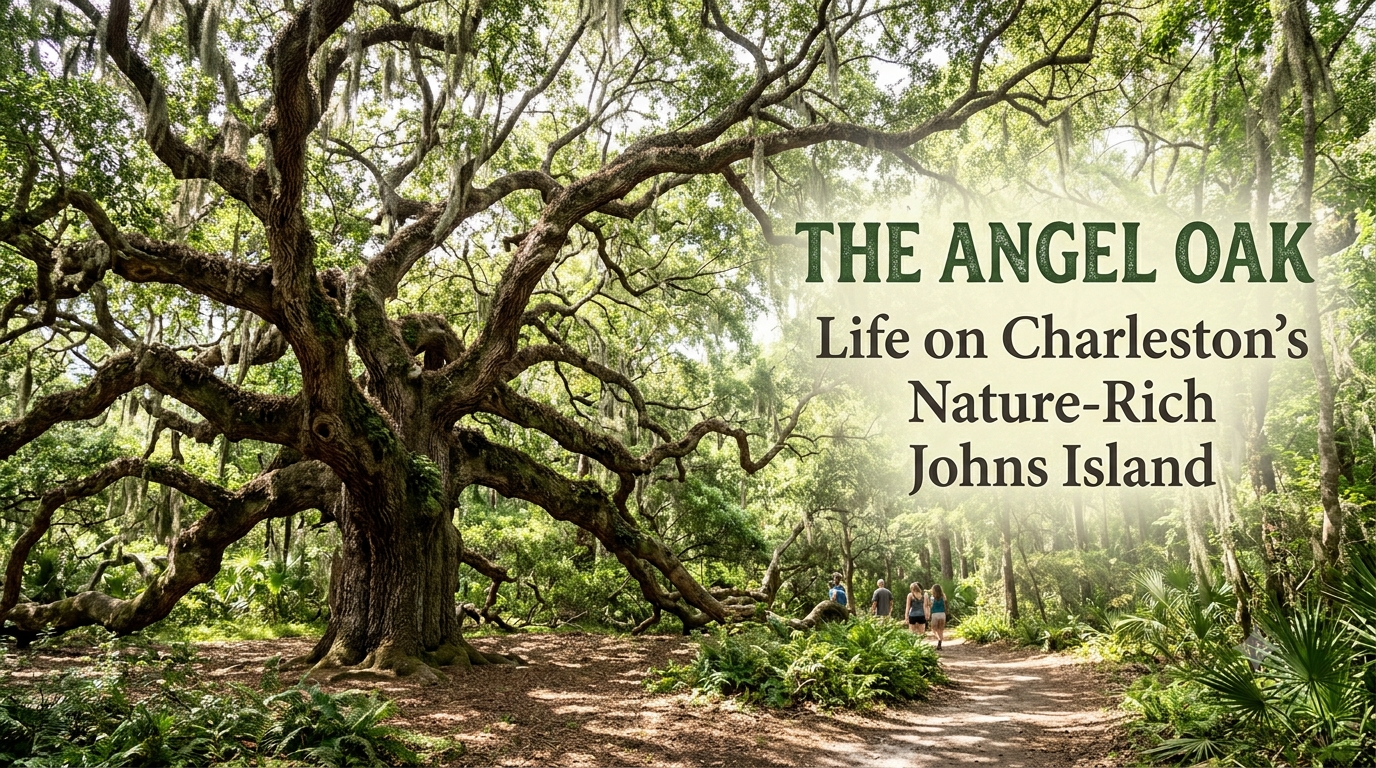
Some places tell you everything you need to know about their character in one landmark. On Johns Island, that landmark is the Angel Oak. This ancient live oak, estimated to be several hundred years old with branches spreading over 17,000 square feet, embodies the deep natural beauty and slower pace of life that define this large Sea Island community. For buyers exploring Charleston, SC real estate with a love of nature and space in mind, Johns Island rewards the search.
Meet the Angel Oak
The Angel Oak is one of the oldest living things east of the Mississippi River, believed to be somewhere between 400 and 500 years old. Its massive canopy shelters visitors from around the world, and it has become one of Charleston's most beloved natural landmarks. Locally protected and freely accessible at Angel Oak Park, the tree is a symbol of the deep connection between Johns Island and the land itself.
Why Johns Island Feels Different
Johns Island is one of the largest Sea Islands in the Lowcountry, and its scale matters. Rural roads canopied by moss-draped oaks, small working farms, agri-hoods, waterfront communities, and pockets of newer master-planned neighborhoods all coexist across the island. The pace is slower than closer-in communities, but strong growth over the past decade has brought more amenities, restaurants, and infrastructure.
The Johns Island Lifestyle
Deep Connection to Land
Farming, food production, and agriculture continue to shape Johns Island. Residents often shop at neighborhood farm stands, know local growers by name, and enjoy some of the freshest produce anywhere in the metro.
Food and Restaurant Culture
Restaurants like The Fat Hen, Wild Olive, and other beloved Johns Island institutions have built national reputations by leveraging the abundance of local produce and seafood. The dining scene keeps expanding.
Water and Nature Access
The Bohicket Creek, Stono River, and surrounding waterways provide extensive boating, kayaking, and fishing. The ACE Basin and other protected areas are within easy reach.
Community Feel
Neighborhoods on Johns Island often have a small-town, community-focused feel. Long-time residents mix with newer arrivals in ways that make the community feel genuinely local.
Real Estate on Johns Island
Waterfront and Marsh-Front Estates
Communities like Rushland Plantation and Kiawah River Estates deliver waterfront and marsh-front lifestyles that pair beautifully with the island's natural setting.
Agri-Hoods
Communities like Indigo Hall at Kiawah River Estates and other agrihood-style developments integrate residential living with working farms, garden spaces, and outdoor amenities. This concept is gaining traction on the island.
Master-Planned Communities
Newer master-planned neighborhoods offer more traditional suburban options with amenities, sidewalks, and modern homes.
Custom Homes on Acreage
Johns Island still offers meaningful custom home opportunities on larger lots, whether waterfront, farm-front, or oak-shaded interior locations.
Neighborhoods Like Fenwick and Villages in St. Johns Woods
Communities like Fenwick Commons Townhomes and The Villages in St. Johns Woods offer more attainable entry points into Johns Island living.
Who Tends to Choose Johns Island
Nature Lovers
Buyers who prioritize trees, waterways, wildlife, and space over urban walkability find Johns Island a natural fit.
Foodies and Farmers Market Enthusiasts
The island's deep connection to farming and food culture attracts buyers who value local, seasonal eating.
Families
Growing family neighborhoods and expanding schools appeal to families looking for space, character, and community.
Retirees and Second-Home Buyers
The slower pace and access to Kiawah, Seabrook, and the beaches make Johns Island a favorite for retirees.
Compared to Nearby Areas
Versus Wadmalaw
Wadmalaw is smaller, more rural, and quieter. Johns Island offers more services, more restaurants, and easier access to the rest of the metro.
Versus Kiawah and Seabrook
Kiawah and Seabrook are gated resort communities with beach access. Johns Island is more residential, more agricultural, and less resort-oriented.
Versus West Ashley and James Island
West Ashley and James Island offer more established suburban infrastructure. Johns Island offers more space, more nature, and a more rural feel.
Practical Considerations
Commute Times
Commutes to downtown Charleston from Johns Island typically run 30 to 45 minutes depending on location and traffic. Growth has increased traffic on Maybank Highway, so test the drive at real commuting times.
Schools
Johns Island is served by Charleston County schools. School assignments vary across the island, so confirm specific school assignment for any home you consider.
Flood Zones
Waterfront and low-lying areas sit in flood zones. Elevation and insurance considerations should be reviewed during due diligence.
Growth Pressure
Johns Island is one of the fastest-growing areas in the metro. Understanding future development plans and how they might affect your specific location can shape long-term value.
Strategy for Johns Island Buyers
Spend real time on Johns Island before deciding. Drive multiple neighborhoods. Visit the Angel Oak. Explore local farm stands and restaurants. And work with a Realtor who knows the island's neighborhoods, growth patterns, and unique character. Johns Island rewards buyers who understand what they are buying into.
Key Takeaways
Johns Island offers one of the most special lifestyle combinations in the Charleston region. Ancient live oaks, working farms, expanding food and dining culture, waterfront and marsh-front communities, and a slower pace of life define the island. For nature lovers, foodies, families, and buyers seeking space, Johns Island delivers what few other Lowcountry areas can. From luxury estates in Kiawah River Estates to attainable townhomes in Fenwick Commons and everything in between, Johns Island has options across the spectrum. With the right preparation and local Realtor guidance, an island home here becomes the foundation for a life deeply connected to the beauty that has always made the Lowcountry so special.