Welcome to our Charleston Real Estate Blog!

We will use this space to show our newest listings of available properties for sale in Charleston, Summerville, Mount Pleasant, and the islands. If you see something you like, call or contact us quickly to get your dream home in Charleston SC!

July 21, 2026

The Best Sunset Views in Charleston, SC: Where Locals Go

Ask any Charleston local what makes life in the Lowcountry so special and sunsets come up almost immediately. Whether it is the golden light spilling over marsh grass, the pink and orange sky reflected off Charleston Harbor, or the ocean fading into the horizon behind the barrier islands, sunsets are part of the daily rhythm here. Locals build weekends around them. Newcomers fall in love with them. For anyone exploring Charleston, SC real estate, knowing the best sunset spots can shape both weekend plans and neighborhood decisions.

Why Charleston Sunsets Are Different

Charleston sits at the meeting point of rivers, marshes, and the Atlantic. This geography combines with the region's humidity to create dramatic evening skies, especially in the fall and winter months when clear air lets colors pop. Add historic backdrops, boat traffic on the harbor, and unspoiled coastline just minutes from downtown, and Charleston delivers some of the most iconic sunset views in the Southeast.

Downtown Charleston Sunset Spots

The Battery and White Point Garden

Historic homes, palmetto trees, and Charleston Harbor create one of the most iconic sunset backdrops in the city. Popular with locals and visitors alike, especially in warmer months.

Charleston Waterfront Park

The Pineapple Fountain area of Waterfront Park offers unobstructed harbor views. The pier extends into the water and gives you room to relax as the sun sets over the Ashley River side.

Rooftop Bars and Restaurants

Several downtown hotels and restaurants offer rooftop settings for sunset. Watching the sky change over the historic skyline is a classic Charleston experience.

Mount Pleasant Sunset Views

Shem Creek

Shem Creek delivers marsh-and-water sunsets with dolphins often visible in the evening. Multiple restaurant patios line the creek and give you a front-row seat.

Pitt Street Bridge

The historic Pitt Street Bridge in Old Village extends into the marsh with 360-degree views. Locals from Old Village and beyond gather here for sunsets, especially on clear evenings.

Memorial Waterfront Park

The park at the base of the Ravenel Bridge offers dramatic views of the harbor, the bridge itself, and the peninsula skyline. A daily walking spot for many Mount Pleasant residents.

The Best Sunset Views in Charleston, SC Where Locals Go

Daniel Island Sunset Views

Waterfront Homes and Docks

Homes along the Wando and Cooper Rivers on Daniel Island offer dramatic sunsets over open water. Beresford Creek Landing is one of the most beloved waterfront neighborhoods for sunset views.

Codner's Ferry Park

Codner's Ferry Park gives residents a public waterfront setting for evening walks and sunsets.

Beach Town Sunsets

Folly Beach: The Washout Side and River Side

Folly Beach delivers two very different sunset experiences. The Atlantic side gives you the classic surf-town beach evening. The river side, especially near Bowen's Island, delivers unforgettable marsh sunsets. Both are Folly signatures.

Isle of Palms and Sullivan's Island

Isle of Palms and Sullivan's Island both offer beach sunsets, plus back-creek marsh sunsets that are often even more dramatic. The northern edge of Sullivan's overlooking Breach Inlet is a favorite for locals.

Kiawah Island

Kiawah Island beaches offer some of the quietest, most pristine sunset viewing in the region. The island's commitment to conservation preserves the natural setting.

James Island Sunset Views

The Battery Overlook Areas

Sections of James Island along the harbor and Charleston Harbor Estates provide sunset views back toward downtown Charleston.

Sunrise vs. Sunset on James Island

Depending on where you are on James Island, you can catch dramatic sunrises over the Atlantic and equally striking sunsets over the marsh and Ashley River.

West Ashley Sunset Views

Ashley River Waterfront

Neighborhoods along the Ashley River, including Ashley Harbor, offer river sunsets that are less crowded than downtown or Mount Pleasant equivalents.

The West Ashley Greenway

Sections of the West Ashley Greenway offer marsh views ideal for evening walks that end with a beautiful sunset.

Sunsets on the Water

Sunset Boat Cruises

Multiple companies run sunset cruises from downtown, Shem Creek, and Isle of Palms. Great for special occasions or introducing newcomers to Charleston.

Kayak and Paddleboard Sunsets

The tidal creeks and marshes offer unforgettable sunset paddling experiences. Launch late afternoon for the best light.

Private Boat Sunsets

For homeowners with dock access or boat storage, an evening cruise timed to sunset is one of the Lowcountry's most reliable weekend pleasures.

Seasonal Considerations

Fall and Winter Sunsets

The clearest, most dramatic sunsets typically come in fall and winter, when humidity drops and cool air lets colors intensify. These are peak sunset months.

Spring Sunsets

Spring delivers longer days and milder evenings, ideal for outdoor gatherings that end with sunset.

Summer Sunsets

Summer sunsets stretch late into the evening, and the humidity can create beautifully soft, hazy skies. Late July and August thunderstorms often produce especially dramatic post-storm skies.

How Sunset Views Affect Where to Live

For many Charleston residents, sunset access is a real quality-of-life factor. Homes with water views, marsh views, or easy walking access to sunset spots often carry premiums. Neighborhoods like Old Village, Beresford Creek Landing, downtown waterfront, and beach communities all deliver near-daily sunset appeal. If sunset views matter to you, prioritize them in your neighborhood search.

Strategy for Buyers Who Love Sunsets

If sunset views are central to your Charleston lifestyle vision, talk with your Realtor about specific homes and neighborhoods that deliver the strongest access. Tour potential homes in the late afternoon so you can see the actual sunset experience. Consider not just the view from the home but also nearby walking, biking, or drive-time access to public sunset spots. A Realtor who knows the region's sunset landscape can help you weigh the trade-offs.

Key Takeaways

Charleston delivers some of the most reliably beautiful sunsets in the Southeast, and locals build daily and weekend rhythms around them. Downtown, Mount Pleasant, Daniel Island, the beach communities, James Island, and West Ashley all offer distinctive sunset experiences. For homeowners and buyers, understanding where and when to catch the best light shapes both weekend plans and long-term neighborhood decisions. However you like to end your day, Charleston probably has a spot that will become your favorite.
Posted in Lifestyle
July 20, 2026

Silicon Harbor: How Charleston's Tech Boom Is Shaping Local Real Estate

The nickname "Silicon Harbor" started as an aspiration and has increasingly become an accurate description of Charleston's growing tech ecosystem. From established employers like Blackbaud and BoomTown to a fast-growing collection of startups, tech-adjacent professional services firms, and remote workers relocating from major coastal cities, technology has become one of the most important economic drivers in the Charleston metro. And that shift is showing up in the local real estate market in real ways. For buyers exploring Charleston, SC real estate because of the tech opportunity, here is how the sector is reshaping demand and where the smart money is going.

The Silicon Harbor Story

Charleston's tech scene did not develop overnight. Over the past 15 to 20 years, a combination of factors have combined to build the ecosystem. Local anchor employers grew and hired steadily. Universities including the College of Charleston, MUSC, and The Citadel produced technical talent. Remote-work flexibility made Charleston viable for professionals working for companies headquartered elsewhere. And the lifestyle appeal drew top talent from major metros like San Francisco, Boston, New York, and Austin.

The result is a metro that punches well above its weight in software, digital marketing, cybersecurity, healthcare tech, defense-related technology, and creative industries.

Major Tech Employers and Ecosystem Anchors

Blackbaud

The software company serving the nonprofit sector has been a cornerstone employer on Daniel Island for years and continues to be a major driver of tech hiring in the region.

BoomTown

The real estate technology company has anchored a significant piece of the local tech workforce and helped attract additional software talent.

The Broader Ecosystem

Beyond named employers, Charleston hosts hundreds of smaller tech companies, agencies, and consulting firms. The Charleston Digital Corridor and other ecosystem organizations continue to grow the network.

Remote-Work Migration

Perhaps the biggest force reshaping local real estate is remote workers moving to Charleston while keeping jobs based in higher-cost coastal cities. This has brought significant buying power to the local market and shifted demand toward specific neighborhoods.

Neighborhoods Benefiting Most

Daniel Island

Daniel Island has long been a favorite for tech and executive relocations, driven by Blackbaud's presence, strong schools, and walkable community amenities. Neighborhoods like Daniel Island Park, Pierce Park, and Beresford Creek Landing continue to attract strong tech and executive demand.

Downtown Charleston

Young tech professionals often gravitate to downtown for the walkable urban lifestyle. Neighborhoods like Cannonborough-Elliotborough, Wagener Terrace, and Harleston Village have seen consistent demand from the tech workforce.

Mount Pleasant

Mid-career and senior tech professionals often choose Mt Pleasant for its schools, beach proximity, and family amenities. Communities like Park West, Hamlin Plantation, and I'On Village are all strong fits.

Park Circle in North Charleston

Park Circle has become a favorite for creative tech workers, designers, and startup employees who want walkable urban character at attainable prices. The neighborhood's food scene and community feel align well with the tech culture.

West Ashley and James Island

West Ashley and James Island attract tech professionals wanting more attainable prices and quicker downtown access than Mount Pleasant. Neighborhoods along the West Ashley Greenway and Riverland Terrace on James Island stand out.

Silicon Harbor How Charleston's Tech Boom Is Shaping Local Real Estate

How the Tech Boom Is Changing Buyer Preferences

Home Office Requirements

Tech buyers, especially those working remotely, place high priority on dedicated home office space. Dual home offices for dual-remote couples are increasingly common requirements.

Internet Infrastructure

Fast, reliable fiber internet has become a non-negotiable for tech professionals. Neighborhoods and specific homes without strong internet options can lose deals over this alone.

Walkability and Third Places

Coffee shops that support remote work, walkable restaurants and bars, and community gathering spaces all matter more to the tech workforce than to traditional buyers. This has meaningfully shaped demand in Park Circle, downtown, and Daniel Island.

Outdoor Access

Tech workers who used to commute long hours in high-cost coastal cities often move to Charleston specifically for outdoor lifestyle access. Beaches, trails, boat access, and parks all rank high on their must-have lists.

Impact on Pricing and Inventory

The influx of tech workers, especially those relocating from higher-cost metros, has contributed to steady price appreciation in preferred neighborhoods. Tech buyers often arrive with strong equity from previous home sales and competitive purchase budgets. This has kept demand consistent even during broader market shifts and has particularly benefited neighborhoods with strong walkability, schools, and lifestyle amenities.

Investment and Rental Opportunities

The tech workforce also drives rental demand, both for short-term corporate housing and longer-term leases. Downtown, Daniel Island, Mount Pleasant, and Park Circle all support strong investment strategies focused on the tech-driven rental market. Investors targeting this segment often prioritize newer construction with fast internet, dedicated office space, and walkable locations.

How Employers Are Responding

Employers competing for tech talent increasingly emphasize Charleston's lifestyle in their recruiting. Some support relocation packages, temporary housing, and even homebuyer assistance for key hires. For Realtors and buyers alike, understanding how employer support fits into a relocation can shape the buying strategy.

What to Watch Going Forward

Continued Remote-Work Migration

As long as remote and hybrid work remain common, Charleston's appeal to relocating tech workers should continue. This supports long-term demand in walkable, lifestyle-rich neighborhoods.

Startup and Growth Company Formation

The next wave of Silicon Harbor growth may be driven as much by locally founded startups as by relocations. Growing startups create demand for both employer space and family housing.

Infrastructure Investment

Fiber internet expansion, coworking spaces, and community amenities all shape which neighborhoods can support the tech workforce best. Buyers should pay attention to which areas are getting the most investment.

Strategy for Tech Buyers

If you are moving to Charleston for a tech role or bringing remote work with you, get clear on which factors matter most. Downtown for maximum walkability. Daniel Island for family and schools. Mount Pleasant for beach and community. Park Circle for value and creative energy. West Ashley for balance. The right Realtor can help you weigh each option, evaluate specific homes for internet infrastructure and workspace, and align your purchase with both your career and lifestyle goals.

Key Takeaways

Charleston's Silicon Harbor identity has moved from aspiration to reality, and the tech workforce is now one of the most important buyer segments shaping local real estate. From Daniel Island's executive-driven demand to Park Circle's creative energy and downtown's young-professional appeal, tech buyers continue to reshape which neighborhoods thrive and which features matter most. For buyers, investors, and sellers alike, understanding this shift is essential to making smart real estate decisions in the current Charleston market.

July 17, 2026

Best Charleston, SC Neighborhoods for Outdoor Enthusiasts

One of the biggest reasons people fall in love with the Charleston region is the outdoor lifestyle. Mild winters, endless waterways, miles of beaches, and long stretches of walking and biking trails give residents year-round access to the kind of active outdoor life that shapes daily routines. But not every neighborhood delivers the same access. For buyers exploring Charleston, SC real estate with an outdoor lifestyle at the top of their priority list, here is a guide to the neighborhoods that make outdoor living easiest and most rewarding.

What Outdoor Enthusiasts Should Look For

Every outdoor lover weighs the essentials a little differently. Some want beach access. Some want tidal creeks for paddling and fishing. Some want long trails for running or cycling. Some want dog-friendly parks and hiking access. The best neighborhoods for outdoor enthusiasts tend to check several of these boxes at once, and the specific combination points you toward the right area. 

Best Charleston, SC Neighborhoods for Outdoor Enthusiasts

James Island: The Outdoor Sweet Spot

James Island continues to be one of the best outdoor-lifestyle neighborhoods in the region. James Island County Park offers hiking trails, kayak launches, an off-leash dog park, and holiday events. The Stono River, Folly Creek, and Charleston Harbor waters all sit within minutes. Riverland Terrace in particular delivers walkable charm with easy water access.

Mount Pleasant: Trails, Beaches, and the Waterfront

Mt Pleasant, SC combines great trails, walkable Shem Creek, and quick access to the barrier island beaches. Communities like Park West, Hamlin Plantation, and Dunes West offer neighborhood trails, community boat storage, and easy access to nearby parks. Memorial Waterfront Park at the base of the Ravenel Bridge is a great daily walking destination.

Daniel Island: Sidewalks, Trails, and Water

Daniel Island was designed with walkability and outdoor access at its core. Miles of sidewalks and trails connect neighborhoods to parks, the waterfront, and the village. Smythe Park and Codner's Ferry Park anchor much of the island's outdoor life. Access to the Cooper and Wando Rivers puts boating, paddling, and fishing within easy reach.

Beach Communities: Folly Beach, Isle of Palms, Sullivan's Island

For serious outdoor enthusiasts who want direct beach access, the barrier island communities are hard to beat. Folly Beach supports surfing, paddleboarding, kayaking, and long beach walks. Isle of Palms combines beach access with amenity-rich communities like Wild Dunes Resort. Sullivan's Island offers quieter beach living with strong biking and walking infrastructure.

West Ashley: The Greenway

The West Ashley Greenway is one of the most beloved outdoor corridors in the metro. Runners, cyclists, and walkers use the 10.5-mile paved trail through West Ashley daily. Neighborhoods along the Greenway, including sections near Carolina Bay, benefit from easy trail access without leaving home.

Kiawah and Seabrook Islands: Nature-First Living

Kiawah Island and Seabrook Island deliver some of the most pristine outdoor living in coastal South Carolina. Miles of protected beach, extensive biking trails, and abundant wildlife make daily life feel deeply connected to nature.

Johns Island: The Slow-Living Outdoors

Johns Island offers a slower, more rural version of outdoor Lowcountry living. Farms, ancient oaks like the Angel Oak, and access to the ACE Basin and surrounding waterways make it a favorite for outdoor lovers who want space and quiet.

Awendaw: Wild and Undeveloped

Awendaw puts residents adjacent to the Francis Marion National Forest, Bulls Bay, and the Cape Romain National Wildlife Refuge. For serious hikers, hunters, kayakers, and nature lovers, Awendaw delivers unmatched access to protected wild spaces.

Summerville: Trails and Community Amenities

Master-planned communities in Summerville like Cane Bay Plantation and the Ponds of Summerville deliver extensive walking and biking trails, lakes for kayaking, and family-friendly outdoor amenities. Great for outdoor enthusiasts who prioritize community infrastructure over wilderness access.

Downtown Charleston: Waterfront Walking and Historic Parks

Downtown residents enjoy waterfront strolls along the Battery, historic parks like Hampton Park, and quick access to bike routes across the peninsula. It is a different outdoor experience than the beaches or trails, but rich in its own way.

Best Neighborhoods by Outdoor Priority

For Boaters and Paddlers

James Island, Mount Pleasant along the Wando, Daniel Island, Folly Beach, and Isle of Palms deliver the strongest water access.

For Cyclists and Runners

West Ashley near the Greenway, Daniel Island, and Sullivan's Island stand out for dedicated trails and infrastructure.

For Beach Lovers

Folly Beach, Isle of Palms, and Sullivan's Island give you the beach at your doorstep. Kiawah and Seabrook give you more private beach access with resort amenities.

For Hikers and Nature Lovers

Awendaw for the Francis Marion National Forest access, Johns Island for the ACE Basin and rural feel, and Kiawah for pristine nature preserves.

For Golf and Tennis Enthusiasts

Kiawah Island, Wild Dunes Resort, Daniel Island Park, Dunes West, and Seabrook Island lead the way.

For Family Outdoor Life

Master-planned communities in Mount Pleasant, Summerville, and Daniel Island offer pools, playgrounds, and family-friendly amenities alongside trail access.

Practical Considerations

Storage for Outdoor Gear

Kayaks, paddleboards, bikes, surfboards, and fishing gear all need space. Garages, outdoor storage, and community boat storage matter more for outdoor enthusiasts than most buyers realize.

HOA Rules About Outdoor Features

Some HOAs limit fences, sheds, or boat storage on residential lots. Confirm rules that could affect your outdoor lifestyle before committing.

Distance to Water and Trails

A five-minute drive versus a ten-minute drive to the water changes how often you actually use it. Prioritize proximity when outdoor life is central.

Strategy for Outdoor Enthusiast Buyers

Define which outdoor activities you actually do regularly. That answer points you toward the right neighborhood. Test the drive to your favorite trail, launch, or beach at the time of day you would typically go. A Realtor who understands your outdoor lifestyle can help you weigh not just the home but the practical realities of your daily outdoor routine.

Key Takeaways

Charleston delivers one of the strongest outdoor lifestyles in the Southeast, and each neighborhood offers a different flavor. James Island, Mount Pleasant, Daniel Island, and the barrier island beach towns lead in water access. West Ashley's Greenway anchors serious biking and running. Awendaw and Johns Island deliver wilder, more rural outdoor experiences. And Kiawah and Seabrook offer premium nature-first living. With the right preparation and a Realtor who understands what an active outdoor lifestyle really looks like day to day, you can find a Charleston home that puts the outdoors at the center of your daily life.

July 16, 2026

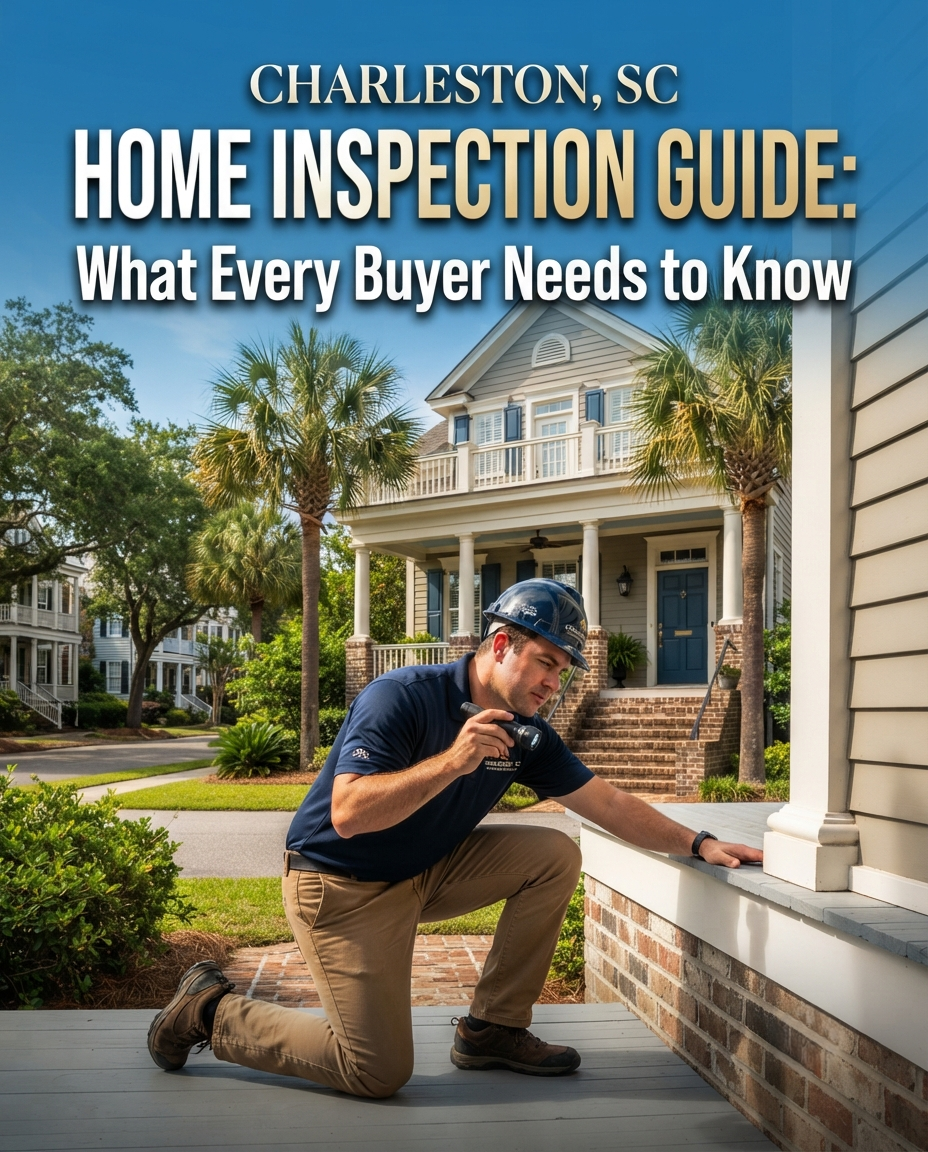
Charleston, SC Home Inspection Guide: What Every Buyer Needs to Know

The home inspection is one of the most important steps in any Charleston-area home purchase. It is your best opportunity to understand what you are really buying before you close, and in a coastal environment full of older homes and weather-related considerations, it matters even more than in most markets. For anyone exploring Charleston, SC real estate, this guide breaks down what to expect from the inspection process, what is unique about Lowcountry homes, and how to use the findings strategically.

Why Inspections Matter More in the Lowcountry

Charleston's coastal climate, older housing stock, and unique regional issues make careful inspections essential. Salt air corrodes exterior components faster than inland climates. Humidity encourages mold and moisture issues. Older homes, especially in the historic district, often have systems that predate modern building codes. And regional considerations like the CL-100 termite inspection, flood zones, and hurricane hardening all shape what buyers need to understand about their potential home.

The Standard Home Inspection

A general home inspection typically takes 2 to 4 hours and evaluates the home's major systems. The inspector examines the roof, exterior, foundation, HVAC, electrical, plumbing, kitchen, bathrooms, attic, insulation, and other visible components. The final report describes findings, recommendations, and any safety concerns. This is the foundation of your due diligence.

Charleston-Specific Inspections to Consider

The CL-100 Termite Inspection

The South Carolina CL-100, formally known as the Wood Infestation Report, is essential in the Lowcountry. It documents active infestation, prior damage, and moisture conditions favorable to wood-destroying organisms. Most lenders require it, and buyers should never skip it. Older homes with crawl spaces almost always benefit from careful attention here.

HVAC Inspection

Beyond the general inspection, a dedicated HVAC evaluation by a licensed technician can identify issues that a general inspector might miss. Charleston's climate is hard on HVAC systems, and replacement costs are substantial.

Roof Inspection

A dedicated roofer or roof inspector can provide more detail than a general inspection. Insurance carriers increasingly want roof age and condition documented, and this inspection helps.

Wind Mitigation Inspection

Wind mitigation reports can identify hurricane hardening features that qualify for insurance discounts. Impact-rated windows, hurricane straps, and modern roofing all matter. This inspection often pays for itself many times over through insurance savings.

Sewer Scope

Older homes may have aging sewer lines. A sewer scope camera inspection identifies cracks, roots, or blockages before they become expensive emergencies.

Structural Engineer

For homes with signs of settlement, sagging floors, or foundation concerns, a structural engineer's opinion is invaluable. Some Lowcountry homes have long-standing foundation issues that require expert evaluation.

Radon Testing

While less critical in coastal South Carolina than in some regions, radon testing may still be worthwhile depending on the specific location and property.

Mold and Air Quality Testing

Homes with obvious moisture issues, previous flood history, or musty smells warrant professional mold and air quality testing.

Charleston, SC Home Inspection Guide: What Every Buyer Needs to Know

Common Findings in Charleston Home Inspections

Crawl Space Moisture

Crawl spaces in the Lowcountry are notorious for moisture issues. Vapor barriers, ventilation, and drainage all need attention.

HVAC Aging and Corrosion

Coastal HVAC systems age faster than inland ones due to salt air. Outdoor units in particular suffer corrosion.

Older Electrical Systems

Homes built before the mid-1970s may have knob-and-tube wiring or older aluminum wiring in some cases. Older panels may need replacement.

Roof Wear

Charleston roofs typically show wear at 15 to 20 years, sometimes earlier. Insurance carriers may require replacement of older roofs before providing coverage.

Termite Activity

Active termites, prior damage, or moisture conditions favorable to infestation are common CL-100 findings, especially in older homes.

Window and Door Issues

Older wooden windows may need repair or replacement. Weather-tightness matters both for energy efficiency and for storm resilience.

How to Choose a Home Inspector

Licensing and Experience

South Carolina licenses home inspectors. Verify the license and look for inspectors with several years of experience in the Charleston region specifically.

Reviews and Referrals

Your Realtor should be able to recommend inspectors they trust. Look at online reviews and ask friends for referrals.

Report Quality

Ask to see a sample report. A strong inspector delivers a detailed, photo-rich report that clearly documents findings and recommendations.

Availability for Walk-Through

Attending the inspection in person allows you to ask questions and understand the home in detail. Choose an inspector who welcomes this.

Using the Inspection Report Strategically

Prioritize Findings

Focus your negotiations on safety issues, major system problems, and expensive repairs. Cosmetic items rarely justify major negotiations.

Negotiate Repairs, Credits, or Price Adjustments

Sellers may agree to make repairs, provide closing cost credits, or adjust the purchase price to address findings. The right approach depends on the specific findings and market conditions.

Know When to Walk Away

Some inspection findings reveal problems too large or expensive to reasonably address. Your inspection contingency protects your ability to walk away with your earnest money if the home is not right.

Timing and Process

Home inspections typically happen within the first week or two after going under contract. Schedule the inspection as early as possible to give yourself time to negotiate, follow up with additional inspections if needed, and make an informed decision before the contingency period ends.

Specific Considerations for Charleston Neighborhoods

Historic Downtown Homes

Homes in the historic district often need specialized inspection expertise. Foundation, structural, and preservation considerations all matter.

Beach and Barrier Island Homes

Homes in Isle of Palms, Folly Beach, and other coastal communities require careful attention to salt-air wear, hurricane hardening, and elevated construction considerations.

Older Mount Pleasant Homes

Historic pockets of Mt Pleasant, including Old Village, benefit from thorough inspections that account for the age of the home.

Master-Planned Community Homes

Even in newer communities like Cane Bay Plantation and Park West, inspections still matter. Newer construction can still have issues, and warranties may or may not cover them.

Strategy for Buyers

Plan for the full inspection process from the moment you go under contract. Line up your general inspector, CL-100 inspector, and any specialized inspectors early. Attend inspections when possible. Read reports carefully and discuss findings with your Realtor before deciding how to respond. Well-run inspections and thoughtful responses protect your investment and set you up for a smoother ownership experience.

Key Takeaways

Home inspections in the Charleston region are more nuanced than in typical inland markets. The combination of coastal climate, older housing stock, and regional considerations like the CL-100 make thorough inspections essential. Beyond the standard inspection, consider HVAC, roof, wind mitigation, sewer scope, and other specialized inspections when appropriate. Use findings strategically in negotiations. And build a team that includes a licensed inspector experienced in Charleston, a knowledgeable Realtor, and specialists as needed. Done right, the inspection process protects your investment and gives you the confidence to move forward with clarity.

Frequently Asked Questions

How much does a home inspection cost in Charleston?

Standard home inspections in the Charleston area typically range from a few hundred dollars to over a thousand depending on home size and age. Specialized inspections add to the total. Given the value protected, the cost is one of the best investments in the transaction.

Do I need both a general inspection and a CL-100?

Yes. The CL-100 is a specific South Carolina report focused on wood-destroying organisms and moisture, while the general inspection covers all major home systems. Both play important roles.

Can inspections be waived in a competitive Charleston market?

Some competitive scenarios lead buyers to waive inspections, but this is rarely wise, especially in the Lowcountry. The financial risk of hidden issues typically outweighs the competitive advantage of waiving.

Do inspections cover mold or air quality?

Standard inspections identify visible mold and moisture issues but do not typically include air quality testing. If mold is suspected, a specialized air quality test is worth the cost.

What if the inspection finds problems I did not expect?

Talk with your Realtor about your options, including negotiating repairs, requesting credits, adjusting the price, or terminating the contract per your inspection contingency. The right response depends on the specific findings.

About Greg Harrelson

Greg Harrelson is a seasoned Realtor® with more than 30 years of experience serving the Carolina markets. As the founder of Century 21 The Harrelson Group, Greg has built his career helping buyers, sellers, and investors achieve success in every corner of the coastal Carolina real estate market. His expertise spans residential homes, investment properties, land development, and coastal condos. Known for his deep local knowledge, innovative marketing strategies, and commitment to personal service, Greg consistently helps clients reach their real estate goals while navigating the ever-changing market with confidence and precision.

July 15, 2026

A Foodie's Guide to Charleston, SC: Best Dining Neighborhoods

Charleston has earned a national reputation as one of the best food cities in the United States, and locals will tell you the reputation is well-deserved. From James Beard-winning chefs downtown to backyard oyster roasts on James Island, the region delivers an incredible depth of dining experiences. For anyone exploring Charleston, SC real estate because of the food scene, understanding which neighborhoods deliver which dining experiences will shape both where you look for a home and how you spend your weekends.

Why Charleston Is a Food Destination

Several forces have combined to build Charleston's food identity. Rich Lowcountry culinary traditions rooted in Gullah Geechee, French, and Southern influences. Access to abundant fresh seafood, produce, and heritage grains. A steady stream of talented chefs relocating to the area over the past two decades. And a locally-owned restaurant culture that prioritizes creativity, hospitality, and craft. The result is that Charleston delivers dining depth that rivals cities several times its size.

Downtown Charleston: The Culinary Heart

King Street and Upper King

King Street has become the epicenter of Charleston's dining scene. Restaurants like FIG, McCrady's Tavern, Chubby Fish, and Bar George cluster along the corridor, with new concepts opening constantly. Upper King in particular has developed into a walkable dining destination with something for every price point and cuisine.

East Bay Street and The French Quarter

Historic homes converted into elegant restaurants define the French Quarter dining experience. Beloved institutions and newer high-end concepts share space along cobblestone streets.

Broad Street and South of Broad

The South of Broad area offers more understated but incredibly refined dining, with historic restaurants that have been Charleston institutions for decades.

Cannonborough and Elliotborough

The Cannonborough-Elliotborough neighborhood, sometimes called "CanEl," has become a hotspot for creative, chef-driven concepts at slightly more accessible price points. Walkable, energetic, and evolving.

Mount Pleasant Dining

Shem Creek

Shem Creek is Mount Pleasant's iconic waterfront dining destination. Fresh seafood, live music, dolphin sightings, and stunning sunsets make it a favorite for locals and visitors alike.

Coleman Boulevard and Town Center

The Coleman Boulevard corridor has developed into a strong dining destination in its own right, with everything from casual family restaurants to upscale steakhouses.

I'On Village and Old Village

The I'On Village area and Old Village deliver more intimate, neighborhood-scale dining. Pitt Street in Old Village anchors classic Mount Pleasant flavors.

Park Circle in North Charleston

Park Circle has emerged as one of the most exciting food and drink neighborhoods in the region. East Montague Avenue features a growing collection of restaurants, breweries, and coffee shops. The neighborhood's transformation from industrial-adjacent to trendy has been driven in large part by its food scene. Locals from across the metro drive to Park Circle for dinner, not the other way around.

West Ashley: Avondale

The Avondale corner of West Ashley has developed into one of the strongest neighborhood dining destinations outside the peninsula. Walkable, locally owned, and full of creative concepts. Byrnes Down residents especially benefit from the area's dining density.

Daniel Island's Growing Food Scene

Daniel Island continues to add strong restaurants clustered around the village core, giving residents walkable access to weekly dining variety without leaving the community. From casual cafes to fine dining, the mix keeps expanding.

Sullivan's Island and Isle of Palms

The barrier islands deliver a distinct beach-town dining vibe. Sullivan's Island restaurants along Middle Street combine casual coastal fare with genuinely elevated experiences. Isle of Palms features seafood-focused casual restaurants along Ocean Boulevard and hidden gems tucked throughout the island.

Folly Beach: Casual Beach Town Food

Folly Beach's Center Street lineup emphasizes casual, laid-back beach town dining. Fresh fish tacos, pizza, wings, ice cream, and margaritas define the vibe. It is not fine dining, and that is precisely the point.

James Island and Johns Island

James Island offers strong neighborhood spots, with Riverland Terrace anchoring one of the area's most beloved local dining scenes. Johns Island continues to develop as a food destination, with several highly regarded restaurants leveraging the abundant local farm produce and seafood.

Summerville Dining

Downtown Summerville has developed a lovely food scene, particularly around Hutchinson Square. Casual restaurants, coffee shops, and evolving newer concepts give residents strong dining options without commuting toward downtown. Nexton and other master-planned areas continue to add dining as they grow.

A Foodie's Guide to Charleston, SC Best Dining Neighborhoods

Best Charleston Dining Experiences to Try

Oyster Roasts

Fall through spring, oyster roasts are a signature Charleston experience. Backyard, restaurant, and event versions all celebrate this Lowcountry tradition.

Shrimp and Grits

A rite of passage for anyone moving to Charleston. Different restaurants deliver dramatically different takes.

Fresh Local Seafood

Whether at Shem Creek, the marina restaurants, or downtown institutions, fresh fish and shellfish are non-negotiable.

Farmers Markets

The Marion Square farmers market on Saturdays is a Charleston institution. Smaller neighborhood markets throughout the metro also deliver seasonal produce, prepared foods, and local craft goods.

Charleston Wine and Food Festival

The annual festival in March brings top chefs from across the country to Charleston and gives locals and visitors incredible access to food and beverage experiences over a full weekend.

How Dining Shapes Where to Live

For serious foodies, neighborhood dining density can significantly shape daily life. Downtown residents can walk to dozens of restaurants weekly. Park Circle, Avondale, Old Village, and Daniel Island residents enjoy walkable access to smaller but still vibrant food scenes. Mount Pleasant residents can drive short distances to multiple dining hubs. Beach town residents balance beach dining with occasional peninsula trips. Understanding this before choosing a neighborhood ensures your daily food routine matches your lifestyle expectations.

Strategy for Foodie Buyers

If dining is central to why you are considering Charleston, tour neighborhoods on foot around dinner time. Talk with locals about their favorite restaurants and dining rhythms. Ask your Realtor about which specific communities give you the best walkable access to the restaurants you would actually visit. The right combination of home and neighborhood dining scene can make weekend life feel effortless.

Key Takeaways

Charleston delivers a food scene that competes with cities several times its size, and each neighborhood offers a distinct dining experience. Downtown remains the culinary heart, with King Street, the French Quarter, and Cannonborough-Elliotborough leading the way. Park Circle has emerged as an exciting alternative. Mount Pleasant, Avondale, Daniel Island, and the beach towns each deliver their own flavor. For serious foodies, choosing a neighborhood that matches your dining rhythm is one of the small but meaningful decisions that shapes daily life in the Lowcountry.

Posted in Lifestyle
July 14, 2026

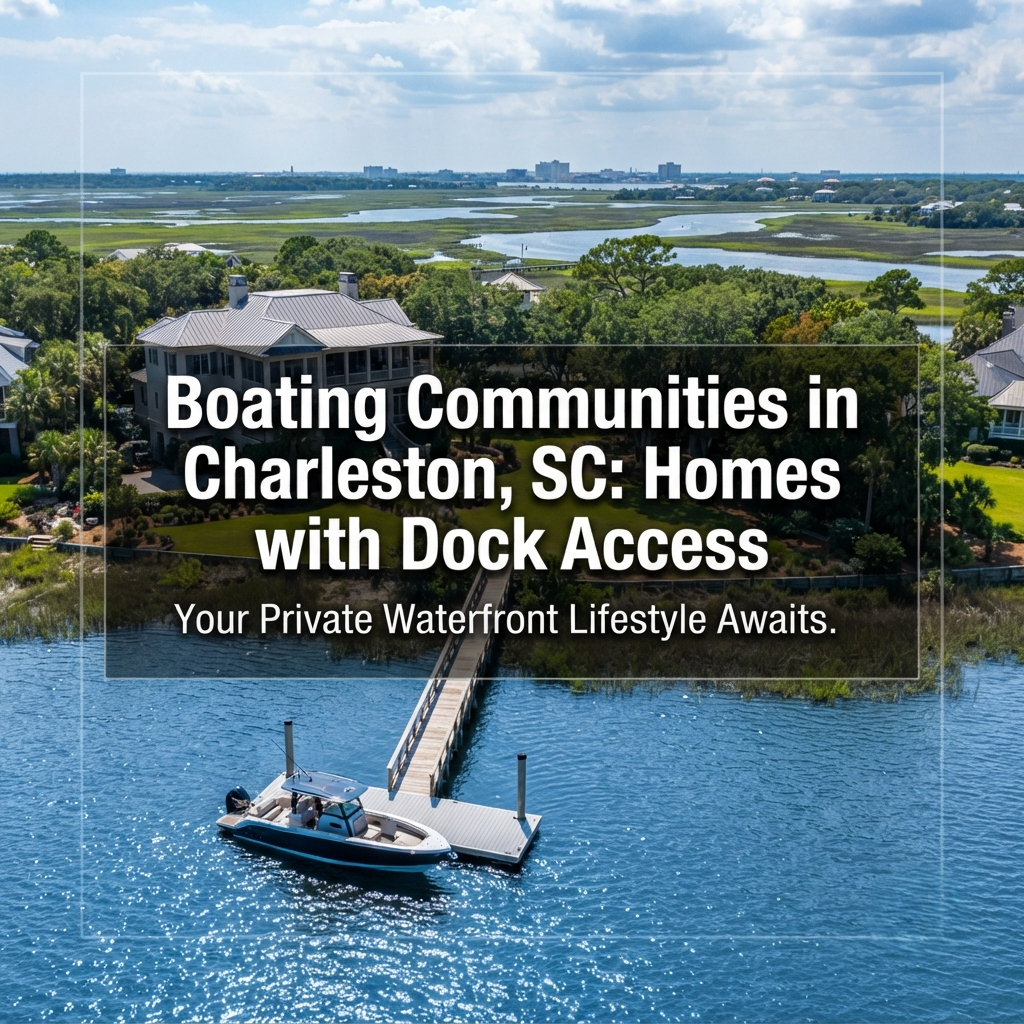
Boating Communities in Charleston, SC: Homes with Dock Access

For serious boaters, few things beat living in a community where your dock, boat lift, or slip is just steps from your front door. The Charleston region has developed some of the most sought-after boating communities in the Southeast, with everything from private-dock estates to shared amenity docks to gated marinas within the neighborhood. If you are exploring homes with boat ramp access in Mount Pleasant or elsewhere in the Lowcountry, understanding your options is the first step toward finding the right fit for your lifestyle.

Why Boating-Focused Communities Matter

Living in a boating community is about more than owning a home near the water. It is about integrating the boating lifestyle into your daily routine. Communities designed with boating in mind tend to have shared marinas or boat storage, community boat ramps, deep-water access, and neighbors who share your love of the water. That combination creates a lifestyle that is hard to replicate in a non-boating neighborhood.

Types of Charleston Boating Communities

Private-Dock Estates

Individual homes with private docks and boat lifts on deep-water tidal creeks or rivers. Highest utility, highest privacy, and typically the highest price tag.

Shared-Amenity Boating Communities

Neighborhoods that provide community docks, marinas, or boat storage as part of the HOA amenities. Great value for boaters who want access without full private-dock ownership costs.

Gated Marina Communities

Master-planned communities built around a central marina with slip access included or available for members. Combines boating with resort-style community amenities.

Neighborhood Boat Ramp Access

Some communities provide dedicated boat ramps and trailer parking for residents, offering easy access without the ongoing costs of a slip or private dock.

Top Charleston-Area Boating Communities

Wild Dunes Resort on Isle of Palms

Wild Dunes Resort features a full-service marina on the Intracoastal Waterway. Owners can access slips, dry stack storage, and full amenities. The community combines beach and marina life in a way few others can.

Dunes West in Mount Pleasant

Dunes West offers boat storage, boat ramp access, and proximity to the Wando River. The golf-course community also offers a full amenity package that appeals to active families.

Charleston National in Mount Pleasant

Charleston National Country Club offers golf and access to boat storage, giving members flexibility for combining both lifestyles.

Hamlin Plantation

Hamlin Plantation features community boat storage and a private dock along Hamlin Creek. A popular choice for Mount Pleasant boaters wanting master-planned community amenities.

Beresford Creek Landing on Daniel Island

Beresford Creek Landing on Daniel Island features waterfront homes with dock access along Beresford Creek. Direct access to the Wando River and deep-water boating make this community especially appealing.

Rivertowne in Mount Pleasant

Rivertowne offers a boat storage yard, private community dock, and easy river access. A popular choice for boating families in Mount Pleasant.

Tanner Plantation in Hanahan

Tanner Plantation features a private community boat ramp on the Cooper River, making it especially attractive to boaters who want deep-water access without the price tag of Mount Pleasant.

Seabrook Island

Seabrook Island features marina access at Bohicket Marina just off the island. Combined with beach, golf, and quiet residential character, Seabrook is a strong fit for boaters seeking a low-key coastal community.

Kiawah River

The Kiawah River community offers deep-water dock access and marsh views for buyers seeking a quieter, farm-oriented alternative to Kiawah Island proper.

 Boating Communities in Charleston, SC Homes with Dock Access

Practical Considerations for Boating Community Buyers

Slip and Storage Availability

Even in boating communities, slips can have waitlists or seasonal availability constraints. Confirm what your specific home purchase includes and whether slips or storage require additional monthly costs.

Dock Permit Status

If you are buying a home with a private dock, verify all permits, dock dimensions, and any restrictions. Rebuilding or modifying a dock later can be significantly harder than it was originally.

HOA and Amenity Fees

Boating community amenities are often expensive to maintain. HOA fees can be higher than non-boating communities. Understand exactly what your monthly fees cover and any special assessments coming down the road.

Insurance Considerations

Waterfront homes and homes with docks carry different insurance profiles than typical properties. Get quotes early in due diligence.

Flood Zone Realities

Most boating communities sit in flood zones with real insurance and elevation considerations. Elevation certificates matter significantly.

Boating Communities by Budget

Entry Points

Communities like Tanner Plantation and some sections of West Ashley offer more attainable entry points for boaters.

Mid-Range

Dunes West, Rivertowne, Hamlin Plantation, and Charleston National offer mid-range options with strong amenities and boating features.

Luxury

Waterfront homes on Daniel Island, private-dock estates on the Wando River, and communities like Wild Dunes and Seabrook Island offer luxury boating lifestyles.

Choosing the Right Boating Community for You

Consider Your Boat Type

A larger cruiser or sailboat requires deep-water access and often specific slip dimensions. A smaller center-console or ski boat may work perfectly with community ramp and trailer access.

Consider Your Usage Pattern

If you boat weekly, dock or slip access matters most. If you boat occasionally, community ramp access may deliver everything you need at lower cost.

Consider Your Lifestyle Beyond Boating

Golf, tennis, beach access, walkability, and family amenities all matter. Choose a community where the full lifestyle fits, not just the boating side.

Strategy for Boating Community Buyers

Work with a Realtor who specializes in waterfront and boating communities. They will know which communities have current slip availability, which sections of a neighborhood are truly deep-water, and how HOA fees and marina memberships stack up. Confirm dock and slip details in writing before committing. Take a boat ride through the neighborhood before falling in love with a home. And build your team early with a coastal-savvy lender, insurance agent, and inspector.

Key Takeaways

The Charleston region offers some of the strongest boating community options in the Southeast, from private-dock estates to master-planned marina communities to boat-ramp neighborhoods. The right choice depends on your boat type, usage pattern, budget, and lifestyle priorities. Wild Dunes, Dunes West, Beresford Creek Landing, Hamlin Plantation, Rivertowne, Tanner Plantation, Seabrook Island, and Kiawah River all deliver distinct approaches to boating community living. With the right preparation and a Realtor who specializes in waterfront and boating properties, you can find a home that puts life on the water at the center of your daily routine.

Posted in Lifestyle
July 13, 2026

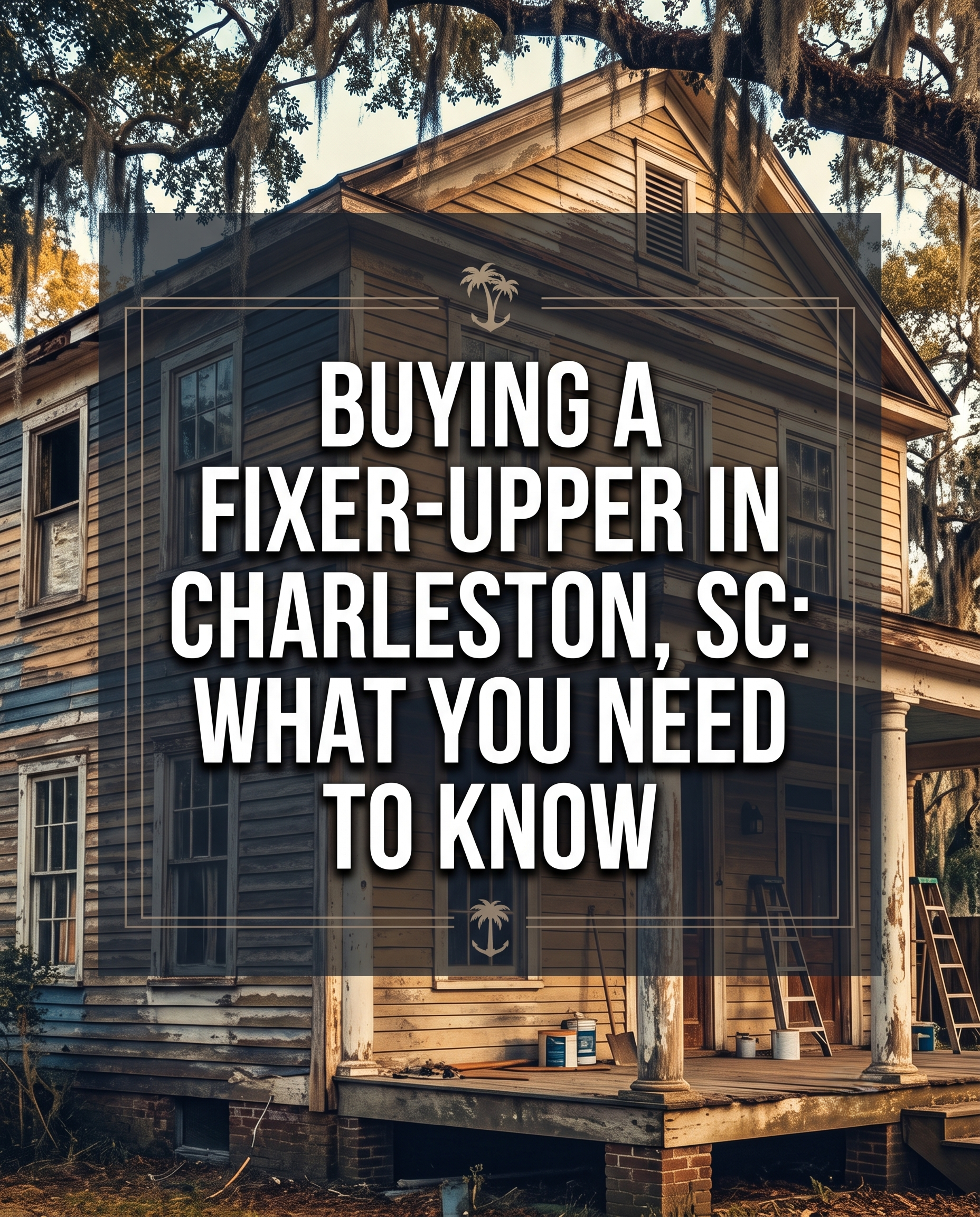
Buying a Fixer-Upper in Charleston, SC: What You Need to Know

Buying a fixer-upper in the Charleston area can be one of the smartest ways to get into a great neighborhood at a more attainable price and build serious equity. But it can also become a stressful, expensive nightmare if you go in unprepared. Historic homes, coastal climate, older systems, and Charleston-specific factors like flood zones and design-district oversight all make fixer-uppers here more complex than in a typical inland market. For buyers exploring Charleston, SC real estate with renovation in mind, here is what to know before making an offer.

Why Charleston Is a Great Market for Fixer-Uppers

Charleston has an incredibly deep stock of older homes with tremendous long-term value. Historic singles downtown, mid-century ranches in West Ashley, older bungalows in Park Circle, and coastal cottages on the beach islands all offer buyers the chance to restore character and add value. Neighborhoods with strong long-term appreciation, walkability, and character often reward well-executed renovations dramatically.

The Categories of Charleston Fixer-Uppers

Historic Downtown Homes

The historic peninsula and neighborhoods like South of Broad, Harleston Village, and Ansonborough are full of homes with tremendous historic value that may need updates to systems, layout, or finishes. Design-district oversight applies to many of these homes, which affects what you can and cannot do.

Mid-Century Homes in West Ashley and James Island

Neighborhoods like Byrnes Down and older sections of James Island feature mid-century ranch homes with strong bones that respond beautifully to updates. Kitchen, bath, and system updates can dramatically increase value.

Coastal Cottages on the Beach Islands

Older cottages on Folly Beach, Sullivan's Island, and Isle of Palms can be refreshed to become desirable second homes or rental properties. Coastal considerations around insurance, elevation, and flood risk are all part of the equation.

Mount Pleasant Older Neighborhoods

Mt Pleasant has older sections beyond Old Village that offer fixer-upper potential. Some 1970s and 1980s subdivisions are ripe for updates that meet current buyer demand.

What to Watch For in a Charleston Fixer-Upper

Structural Issues

Foundation problems, sagging floors, and damaged framing can quickly turn a manageable renovation into a major project. A thorough inspection by a licensed structural engineer, in addition to a general home inspector, is worth every penny.

Older Systems

Electrical, plumbing, and HVAC systems in older Lowcountry homes often need updating. The humid coastal climate is hard on HVAC in particular. Budget for system upgrades even when they seem to still work.

Roof Age and Condition

Roofs in the Lowcountry take a beating from sun, salt air, and heavy rain. An older or damaged roof affects insurance pricing and often needs replacement soon after purchase.

CL-100 Findings

The CL-100 termite and moisture report often reveals significant issues in older Charleston homes. Active infestation, prior damage, and moisture problems all need to be resolved before closing.

Flood Zone and Elevation

Older homes often sit at lower elevations than modern code requires. This affects insurance costs and long-term risk. Review the flood zone and elevation certificate before committing.

Historic District Rules

If the home sits in a historic district, exterior renovations, additions, and even windows and paint colors may need approval. This shapes both the timeline and the cost of your renovation.

Buying a Fixer-Upper in Charleston, SC: What You Need to Know

Renovation Loan Options

FHA 203(k) Loan

The FHA 203(k) loan lets you finance both the purchase and the renovation into one mortgage. It works well for many fixer-uppers, especially for owner-occupants who plan to live in the home.

Fannie Mae HomeStyle Renovation Loan

HomeStyle is another option that supports both purchase and renovation. It has more flexibility on property types and improvements than FHA 203(k).

Construction-to-Permanent Loans

For larger renovations or when you already own the home, a construction-to-permanent loan can support significant work. Talk with a local lender about the right structure.

Traditional Financing Plus Cash Reserves

Some buyers use traditional financing and self-fund the renovation with cash or a HELOC. This works when the home is habitable and renovation can be phased.

Budgeting Realistically

The single most common mistake with fixer-uppers is underestimating cost. Get contractor estimates during due diligence, not after closing. Build in a 15 to 25 percent contingency buffer for unexpected findings, especially in older homes. Factor in the cost of temporary living if the home is not immediately habitable. And be honest about which projects you can DIY and which require licensed professionals.

Timeline Realities

Renovations in the Charleston area often take longer than newer builds due to permit timelines, historic-district reviews, and contractor availability. Plan for a longer runway than you initially estimate, especially for structural or system-heavy projects.

Building the Right Team

Realtor With Fixer-Upper Experience

A local Realtor who has helped buyers navigate fixer-uppers will know how to evaluate a home's actual potential, help you write realistic offers, and coordinate with contractors during due diligence.

Structural Engineer and Home Inspector

Both are essential for fixer-uppers. Go beyond the standard inspection when the home is older or has visible issues.

Licensed General Contractor

Building a relationship with a licensed, insured general contractor early lets you get realistic estimates during due diligence and start the project quickly after closing.

Historic Preservation Consultant

For homes in historic districts, a consultant familiar with the Board of Architectural Review process can save you serious time and headaches.

Common Charleston-Specific Renovations

Screened Porches and Piazzas

Adding or refreshing outdoor living space is one of the highest-ROI projects in the Charleston area, given the outdoor lifestyle and mild climate.

Kitchen and Bath Updates

Modernizing kitchens and baths while respecting the home's character delivers strong resale returns. Buyers want move-in ready spaces even in historic homes.

Storm Hardening

Impact-rated windows, upgraded roofing, and modernized HVAC add real value and can qualify for insurance discounts.

Elevation and Foundation Work

Some coastal properties benefit from significant elevation work, especially if flood risk is a long-term concern.

Strategy for Fixer-Upper Buyers

Start with a clear vision of the finished home. Not every fixer-upper deserves saving, and knowing when to walk away is as important as knowing when to make an offer. Get realistic quotes during due diligence, plan for surprises, and work with a team that has real Lowcountry experience. Done well, a fixer-upper in the Charleston area can deliver a beautiful home in a coveted neighborhood at a real advantage over move-in ready inventory.

Key Takeaways

Buying a fixer-upper in Charleston takes preparation, realistic budgeting, and the right team. The area's older homes offer tremendous long-term value when renovations are executed well, but the coastal climate, historic district rules, flood considerations, and older systems all add complexity. Understand the loan options that support renovation, plan for a longer timeline than you initially expect, and lean on a local Realtor and contractor with real fixer-upper experience. With patience and the right strategy, the reward can be a beautiful home with strong equity growth and unique character.

Frequently Asked Questions

What loan should I use to buy a fixer-upper in Charleston?

FHA 203(k), Fannie Mae HomeStyle, or construction-to-permanent loans are common options for financing both the purchase and the renovation. A local lender can help you compare them for your specific situation.

Are historic Charleston homes harder to renovate?

Often yes. Design-district oversight, older systems, and preservation requirements can add time and cost. But the reward is a home with unique historic character in one of the most desirable areas of the country.

How much contingency should I build into my renovation budget?

Plan for 15 to 25 percent above your estimated costs for unexpected findings, especially in older homes. The bigger and older the project, the bigger the buffer.

Can I live in the home during the renovation?

Sometimes, especially for smaller cosmetic projects. Larger renovations often require temporary living arrangements. Factor this into your timeline and budget.

Do fixer-uppers appreciate faster than move-in ready homes?

Well-executed renovations in strong neighborhoods can significantly outperform move-in ready comparables at resale. Poorly planned renovations, however, can underperform. Preparation is everything.

About Greg Harrelson

Greg Harrelson is a seasoned Realtor® with more than 30 years of experience serving the Carolina markets. As the founder of Century 21 The Harrelson Group, Greg has built his career helping buyers, sellers, and investors achieve success in every corner of the coastal Carolina real estate market. His expertise spans residential homes, investment properties, land development, and coastal condos. Known for his deep local knowledge, innovative marketing strategies, and commitment to personal service, Greg consistently helps clients reach their real estate goals while navigating the ever-changing market with confidence and precision.

July 10, 2026

Best Charleston, SC Neighborhoods for Young Professionals

Charleston has become one of the top destinations in the Southeast for young professionals. A booming job market, an evolving food and drink scene, walkable neighborhoods, and beach access all within a short drive make the city genuinely appealing for people building their careers. But not every part of the metro delivers the same lifestyle. For young professionals exploring Charleston, SC real estate, choosing the right neighborhood can shape your social life, your commute, and your long-term financial trajectory. Here are the best Charleston neighborhoods for young professionals right now.

What Young Professionals Want in a Charleston Neighborhood

Every young professional weighs their neighborhood a little differently, but a few themes come up consistently. Walkability to restaurants and nightlife. A short or reasonable commute. Housing affordability that still supports building equity. A social scene with peers in similar life stages. And access to outdoor recreation, whether the beach, running trails, or the water. The right neighborhood balances all of these against your budget and career priorities.

Downtown Charleston: Peak Walkability

Cannonborough and Elliotborough

Cannonborough and Elliotborough have become some of the most popular downtown neighborhoods for young professionals. Historic homes converted into condos, walkable access to King Street, and a strong food and drink scene make the area a magnet. Prices reflect the demand, but many young buyers stretch to get in.

Harleston Village

Harleston Village offers walkable in-town living with quick access to MUSC, CofC, downtown restaurants, and the Battery. Popular with young medical professionals, attorneys, and students transitioning into career roles.

Wagener Terrace and Hampton Park

Just north of the peninsula's core, Wagener Terrace and the Hampton Park area combine mid-century homes with walkable green space. Slightly more attainable prices than the peninsula core, with a growing dining and coffee scene.

Park Circle in North Charleston: Value Plus Vibe

Park Circle has become the go-to neighborhood for young professionals who want walkable urban-village living at more attainable prices. Breweries, restaurants, and coffee shops line East Montague Avenue. The renovated mid-century bungalow stock supports first-time buyers, and the neighborhood's transformation from industrial-adjacent to trendy has been one of the biggest real estate stories in the region. Communities like Coosaw Creek Homes and Indigo Palms offer additional North Charleston options at strong value.

Mount Pleasant Options for Young Professionals

Old Village and Mount Pleasant Coastal Areas

For young professionals willing to pay a premium, Old Village in Mount Pleasant offers historic charm, walkability, and quick access to downtown across the Ravenel Bridge. Highly desirable, but pricing means most young buyers wait to move here after a first home purchase elsewhere.

I'On and Coleman Boulevard Corridor

The I'On community and other pockets along Coleman Boulevard offer walkable, community-oriented living in Mount Pleasant. Popular with young couples starting families.

Newer Communities

Communities like Park West offer newer construction, strong amenities, and family-friendly features that some young professionals prioritize as they think about long-term life plans.

Daniel Island: Walkable Suburb

Daniel Island combines walkable amenities with a suburban feel that many young professionals appreciate. Townhomes and condos in the Park Side area, especially communities like Etiwan Park and Center Park Townhomes, provide attainable entry points into the community. Strong for young professionals in tech, healthcare, and professional services with hybrid or remote work flexibility.

West Ashley: Avondale and Byrnes Down

Byrnes Down and the Avondale corridor of West Ashley deliver walkable, urban-village charm at more affordable prices than downtown or Mount Pleasant. Mid-century homes with character, a growing restaurant scene, and easy access to downtown make the area especially attractive for young couples and first-time buyers.

James Island: Riverland Terrace

Riverland Terrace on James Island has become one of the most beloved walkable neighborhoods for young professionals. Small-town charm, a Sunday farmers market vibe during warmer months, quick access to downtown, and character-filled bungalows and cottages give the neighborhood a distinctive feel that many young buyers love.

Best Charleston, SC Neighborhoods for Young Professionals

Best Neighborhoods by Lifestyle Priority

Nightlife and Social Life

Downtown Charleston, especially Cannonborough and Elliotborough, and Park Circle in North Charleston deliver the strongest walkable social scenes for young professionals.

Value and First-Time Buying

Park Circle, Byrnes Down, Riverland Terrace, and parts of North Charleston deliver the strongest entry points for first-time young buyers.

Career Advancement

Downtown and Daniel Island tend to keep you closest to major professional employers, including healthcare systems, law firms, financial services, and growing tech companies.

Outdoor and Beach Access

Mount Pleasant, James Island, and Daniel Island all deliver strong outdoor lifestyle access for young professionals who want quick beach and water access.

Long-Term Growth Potential

Neighborhoods still in transition, including Park Circle and select West Ashley areas, may offer stronger long-term appreciation potential relative to more established markets. Established downtown and Mount Pleasant areas offer more predictable, steadier value.

Financial Considerations for Young Professionals

Loan Programs Worth Knowing

First-time homebuyer programs, FHA loans, and SC Housing programs can significantly improve affordability. Talk with a local lender about which programs fit your specific situation.

The 4 Percent Owner-Occupied Tax Assessment

South Carolina's 4 percent owner-occupied assessment can meaningfully lower annual property tax bills for primary residences. Make sure to file the application after closing.

Building Equity vs. Renting

For many young professionals, buying earlier can accelerate long-term wealth building. Even in a higher-rate environment, owning tends to build equity faster than renting comparable spaces. A financial advisor and a local Realtor can help you model the trade-offs.

Practical Considerations Before You Buy

Career Trajectory

If your career may take you to another city in a few years, consider condos or townhomes with strong resale rather than more customized single-family homes.

Family Planning

If marriage or family may come in the next few years, factor in future room, school access, and neighborhood fit for that life stage.

Commute Testing

Neighborhoods that seem close on a map can feel very different during rush hour. Test your actual drive before committing.

Strategy for Young Professional Buyers

Get pre-approved early with a local lender. Work with a Realtor who has helped young professionals through their first Charleston home purchase. Be honest about your five-year plan and how the home fits it. The best first home is one you can live in comfortably now while positioning you for the next chapter of your life and career.

Key Takeaways

Charleston offers a wide range of neighborhoods for young professionals, from walkable downtown living to affordable urban-village pockets in Park Circle and West Ashley. Mount Pleasant, Daniel Island, and James Island round out the choices for young professionals prioritizing lifestyle balance. The right neighborhood depends on your priorities across social life, commute, value, and long-term plans. With the right preparation and a local Realtor who understands your goals, your first Charleston home can be the foundation for both a rich lifestyle and long-term wealth building.

July 9, 2026

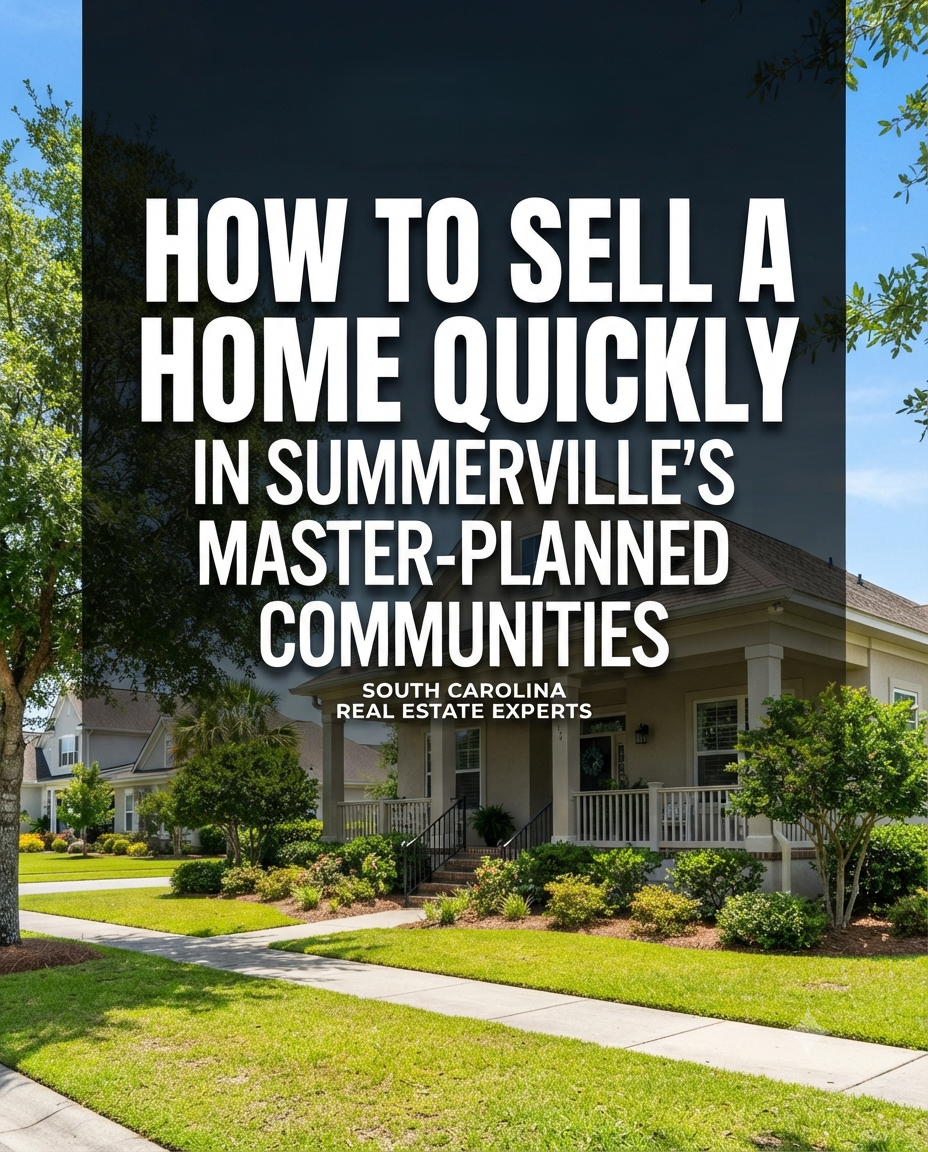
How to Sell a Home Quickly in Summerville's Master-Planned Communities

Summerville's master-planned communities have been some of the fastest-growing in the country, and that growth has created a unique challenge for resale sellers. Unlike older neighborhoods where each home stands on its own, sellers in places like Nexton, Cane Bay Plantation, Carnes Crossroads, and The Ponds compete head-to-head with active new construction inventory, builder incentives, and dozens of similar floor plans. To sell quickly and net the strongest price, you need a strategy specifically tailored to these communities. For owners exploring Summerville real estate as sellers, here is what to know.

Why Master-Planned Community Sales Are Different

In master-planned communities, your buyer is comparing your home to brand-new construction down the street. Builders typically offer incentives like rate buydowns, closing cost credits, design-center upgrades, and fresh warranties. They also have well-staffed sales offices, immediate move-in inventory, and the option to customize. For a resale seller, that competition is real and shapes how you prepare, price, and market your home.

Understand Who Your Buyer Really Is

Out-of-State Relocators

Many buyers in Summerville's master-planned communities are relocating from out of state, drawn by value, schools, and lifestyle. These buyers often visit, tour both new construction and resale, and make decisions over a short trip window. Your home needs to compete in those head-to-head comparisons.

Move-Up Buyers

Local move-up buyers are often selling in older parts of Summerville or in nearby communities and looking for newer construction with strong amenities. They tend to know what they want and act quickly when they find it.

Investors

Some buyers see master-planned communities as long-term rental investments. They are price-sensitive, comparison-driven, and often working with a separate criteria list than primary residence buyers.

Pricing Strategy in a New-Construction-Heavy Market

Build the Right Comparable Analysis

Pricing has to factor in both recent resale comparables and current builder pricing for similar floor plans. A Realtor who works Cane Bay Plantation, Nexton, and Carnes Crossroads regularly will know exactly how to position your home against both markets.

Price for the Right Bracket

If your home is priced just above a strong builder price point, you may lose buyers to new construction. Pricing just under the next round number, where buyer searches naturally cluster, can dramatically improve traffic.

Be Flexible on Concessions

Builders are offering closing-cost credits, rate buydowns, and other incentives. Resale sellers who can offer competitive concessions when appropriate often close faster than those who hold rigidly to a list price.

Stage to Beat the Model Home

Declutter Aggressively

Builder model homes are perfectly staged. Your home needs to feel just as fresh, open, and welcoming. Aggressive decluttering and the removal of personal items make rooms feel larger and easier for buyers to imagine themselves living in.

Highlight Upgrades

If you have invested in landscaping, custom paint, lighting, screens or porches, fencing, or any post-builder improvements, market them clearly. New construction does not come with mature landscaping or finished outdoor space. This is one of your biggest competitive advantages.

Lean Into Lifestyle

Showcase how the home works for daily life. Family-friendly setups, work-from-home spaces, and outdoor entertaining areas resonate with buyers who are picturing their next chapter.

 How to Sell a Home Quickly in Summerville's Master-Planned Communities

Marketing That Speaks to the Buyer Pool

Professional Photography and Video

High-quality photos, drone footage of the neighborhood, and video tours win attention in a crowded online market. Buyers compare listings side by side, and your listing must stand out.

Showcase the Community

Beyond the home itself, sell the community. Photos of the amenity centers, pools, schools, walking trails, parks, and any neighborhood amenities give buyers a fuller picture of why your home is a strong buy.

Position Against the Builder Story

Make your listing's narrative clear. Resale advantages like immediate move-in without builder delays, mature landscaping, finished upgrades, established community feel, and known HOA reality should all be part of your story.

Specific Tips by Community

Cane Bay Plantation

Cane Bay's scale means significant competition from both resale and active new construction. Standout features like village location, pond views, and upgraded finishes can shift you ahead of the pack.

Nexton

Nexton buyers often seek the smart-city tech and walkable retail appeal. Highlight your home's connectivity, energy efficiency, and proximity to Nexton's village amenities.

Carnes Crossroads

Carnes Crossroads buyers tend to value architecture and traditional Lowcountry design. Showcase character details, porches, and any custom work.

The Ponds

The Ponds of Summerville buyers value the nature-rich, slower-paced feel of the community. Emphasize trails, mature trees, and the community farm vibe in marketing.

Timing Your Listing

Peak Window

Late winter through early summer is typically strongest for Summerville master-planned communities, driven by relocating buyers and family move cycles tied to the school calendar.

Secondary Window

Fall delivers a meaningful secondary window, especially for downsizers, retirees, and out-of-state buyers wanting to be settled before the holidays.

Avoid Builder Sales Pushes

Builders sometimes run aggressive end-of-quarter or end-of-year sales events. Listing during these pushes can be tougher unless you are clearly positioned to offer something the builder cannot.

Practical Pre-Listing Checklist

Pre-Listing Inspections

A CL-100 termite inspection and a general home inspection before listing identify issues before buyers do. In a market full of new construction warranties, resale sellers benefit from showing buyers their home is in excellent condition.

Touch-Up Paint and Minor Repairs

Refresh trim, repaint any worn walls, and address small repairs that detract from the showing experience.

Refresh Landscaping

Curb appeal matters even more in master-planned communities where homes look similar from the street. A few hundred dollars in mulch, plants, and a freshly painted front door pay back dramatically.

HOA Documentation

Have HOA documents, recent meeting minutes, and any community-related disclosures ready for buyer review. Smooth documentation supports faster closings.

Strategy for Summerville Sellers

If your goal is a quick, strong sale in a Summerville master-planned community, lean on a Realtor who specializes in these neighborhoods. They will know exactly how to position you against the builders, which features matter most for your specific community, and how to time the launch for maximum impact. The right preparation, pricing, and marketing strategy combined with realistic concession flexibility almost always delivers a faster sale than going to market unprepared.

Key Takeaways

Selling quickly in Summerville's master-planned communities requires a strategy tuned to the unique competition of builders and new construction. Build the right pricing analysis, stage and present your home to beat the model homes, market both the property and the community, and time your launch to peak windows. With a strong Realtor and the right preparation, resale sellers can absolutely outpace builder competition and net strong outcomes.

Frequently Asked Questions

How long does it usually take to sell in Cane Bay or Nexton?

Times vary by market conditions, but well-prepared and well-priced homes in these communities have typically sold within a few weeks during balanced markets. Slower markets can stretch that, while strong markets can shorten it.

Should I price my home below builder pricing?

Not necessarily, but pricing should reflect the realities of new-construction competition, including any builder incentives. A local Realtor can model how to position against active builder pricing in your specific community.

Are buyer concessions common in Summerville master-planned communities?

Yes, especially when competing against builders offering closing-cost credits and rate buydowns. Many sellers in these markets offer concessions to stay competitive.

How should I stage my home if my neighbors have model-home styling?

Aim for clean, modern, neutral, and uncluttered. Highlight any unique upgrades you have made over the builder finishes. Mature landscaping and customizations are advantages, not disadvantages.

Is fall a bad time to sell in Summerville?

Not at all. Fall is a strong secondary window for Summerville, with active out-of-state buyers and downsizers who want to be settled before year end. Many resale sellers do extremely well in this window.

About Greg Harrelson

Greg Harrelson is a seasoned Realtor® with more than 30 years of experience serving the Carolina markets. As the founder of Century 21 The Harrelson Group, Greg has built his career helping buyers, sellers, and investors achieve success in every corner of the coastal Carolina real estate market. His expertise spans residential homes, investment properties, land development, and coastal condos. Known for his deep local knowledge, innovative marketing strategies, and commitment to personal service, Greg consistently helps clients reach their real estate goals while navigating the ever-changing market with confidence and precision.

Posted in For Sellers
July 8, 2026

Best Charleston-Area Neighborhoods for Multi-Generational Living

Multi-generational living is more common than ever in the Charleston region. Adult children moving back home, aging parents joining the household, blended families combining under one roof, and pandemic-era lifestyle shifts have all driven demand for homes that support multiple generations comfortably under the same roof. The good news is that the Lowcountry has neighborhoods, floor plans, and community amenities that fit this lifestyle particularly well. For buyers exploring Charleston, SC real estate with multi-generational living in mind, here is where to focus your search.

What Multi-Generational Buyers Need

Flexible Floor Plans

Homes with first-floor primary suites, separate guest suites, accessory dwelling units, finished bonus rooms, or dual primary suites all support multiple generations comfortably. Look for floor plans that give each generation their own private space while keeping shared living areas welcoming.

Accessibility Features

For aging parents or family members with limited mobility, single-story living, wider doorways, walk-in showers, and step-free entries make daily life much easier. Even when accessibility is not immediately needed, planning ahead protects long-term comfort.

Privacy and Quiet

Separate entrances, walls and finishes that buffer sound, and floor plans that distribute bedrooms across the home all support harmony between generations.

Outdoor Space

Yards, screened porches, and patios let everyone enjoy the outdoors without crowding. Charleston's mild climate makes outdoor living one of the most important factors for multi-generational households.

Top Neighborhoods to Consider

Mount Pleasant: Park West and Hamlin Plantation

Park West and Hamlin Plantation offer larger floor plans, many with first-floor primary suites and finished bonus rooms that work well as in-law spaces. Strong schools, family-oriented amenities, and easy access to medical care make Mount Pleasant a perennial favorite for multi-generational families.

Summerville: Cane Bay Plantation and Nexton

Cane Bay Plantation and Nexton offer some of the strongest selection of multi-gen-friendly floor plans in the metro. Many homes feature dedicated in-law suites, bonus rooms over garages, or attached guest spaces. Strong amenities, schools, and value relative to closer-in neighborhoods make these communities especially attractive.

Carolina Park in Mount Pleasant

Newer construction in Carolina Park frequently includes multi-gen floor plans, dual primary suites, and oversized homes designed for extended families. Walkable design and amenity centers add to the appeal.

Carnes Crossroads in Summerville

Carnes Crossroads offers traditional Lowcountry architecture with floor plans that include first-floor primary suites and detached carriage houses or guest quarters in some homes.

The Ponds of Summerville

The Ponds of Summerville emphasizes a slower, nature-rich lifestyle that works well for multi-generational households. The community feel and walking trails make it especially appealing for families with grandparents who want active outdoor time.

West Ashley: Carolina Bay and Grand Oaks

Carolina Bay and Grand Oaks Plantation offer family-friendly West Ashley living with strong access to downtown, schools, and medical services. Many floor plans include flexible bonus space or potential for in-law suites.

Daniel Island

Daniel Island works particularly well for multi-generational families who value walkability. Grandparents can age in place comfortably with sidewalks, parks, and small-town amenities within walking distance. Custom homes throughout the island frequently include in-law suites or guest quarters.

Hanahan: Tanner Plantation

Tanner Plantation in Hanahan offers strong value, modern construction, and floor plans that support multi-generational households. The waterfront community feel and family-friendly amenities round out the appeal.

Specific Home Features That Support Multi-Generational Living

Dual Primary Suites

Many newer homes in Charleston-area master-planned communities now feature dual primary suites. One on the first floor with full accessibility features, and one on the second floor for adult children or younger families.

Detached or Attached In-Law Suites

Carriage houses, attached suites with separate entrances, and finished basement-equivalent spaces all give extended family members their own privacy.

Bonus Rooms and Flexible Spaces

Finished rooms over garages, walkout basements (where applicable), and large flexible spaces can be adapted to create multi-gen living arrangements without major construction.

Accessory Dwelling Units (ADUs)

Where local rules and HOAs allow, ADUs offer one of the most complete multi-gen solutions. Separate kitchens, bathrooms, and living areas give family members real independence under the same property.

Best Charleston-Area Neighborhoods for Multi-Generational Living

Practical Considerations Before You Buy

HOA and Zoning Rules

Some HOAs and zoning districts limit additional dwelling units, separate entrances, or other multi-gen features. Always verify rules before assuming you can build or modify.

Future Accessibility Needs

Even if accessibility is not currently needed, planning for future needs adds value and reduces stress later. Wider doorways, single-floor living, and walk-in showers all support aging in place.

Privacy Boundaries

Family dynamics matter as much as floor plans. Talk through the practical realities of shared and private spaces before committing to a specific home.

Financial and Tax Considerations

Multi-generational living can have tax, insurance, and estate planning implications. Talking with a financial advisor early helps the household plan the right structure for everyone.

How to Tour Homes With Multi-Generational Needs in Mind

When touring potential homes, walk through the home as each generation would. Test the first-floor suite from a grandparent's perspective. Picture the in-law suite for an aging parent. Imagine the bonus room or upstairs setup for adult children. Pay attention to how sound travels, where private spaces sit relative to shared ones, and how outdoor areas could support different generations comfortably. The right home reveals itself when you walk it through everyone's eyes.

Strategy for Multi-Generational Buyers

If you are buying with multi-generational living in mind, work with a Realtor who understands the specific floor plans, builders, and communities that consistently deliver these features in the Charleston region. They can save you weeks of searching by pointing you to the right neighborhoods and listings from day one. Be ready to compromise on some features in exchange for the ones that matter most. And give the whole family a voice in the decision. Multi-generational living works best when everyone feels respected from the start.

Key Takeaways

Multi-generational living is one of the fastest-growing buyer profiles in the Charleston region, and the good news is that several neighborhoods deliver floor plans, amenities, and lifestyle features that support this household structure beautifully. Park West, Hamlin Plantation, Cane Bay Plantation, Nexton, Carnes Crossroads, The Ponds of Summerville, Carolina Bay, Grand Oaks Plantation, Daniel Island, and Tanner Plantation all stand out for their fit with multi-gen households. With careful planning, the right Realtor, and a focus on flexible floor plans and walkable communities, multi-generational buyers can find homes that support generations of family living comfortably under one Lowcountry roof.