The home inspection is one of the most important steps in any Charleston-area home purchase. It is your best opportunity to understand what you are really buying before you close, and in a coastal environment full of older homes and weather-related considerations, it matters even more than in most markets. For anyone exploring Charleston, SC real estate, this guide breaks down what to expect from the inspection process, what is unique about Lowcountry homes, and how to use the findings strategically.
Why Inspections Matter More in the Lowcountry
Charleston's coastal climate, older housing stock, and unique regional issues make careful inspections essential. Salt air corrodes exterior components faster than inland climates. Humidity encourages mold and moisture issues. Older homes, especially in the historic district, often have systems that predate modern building codes. And regional considerations like the CL-100 termite inspection, flood zones, and hurricane hardening all shape what buyers need to understand about their potential home.
The Standard Home Inspection
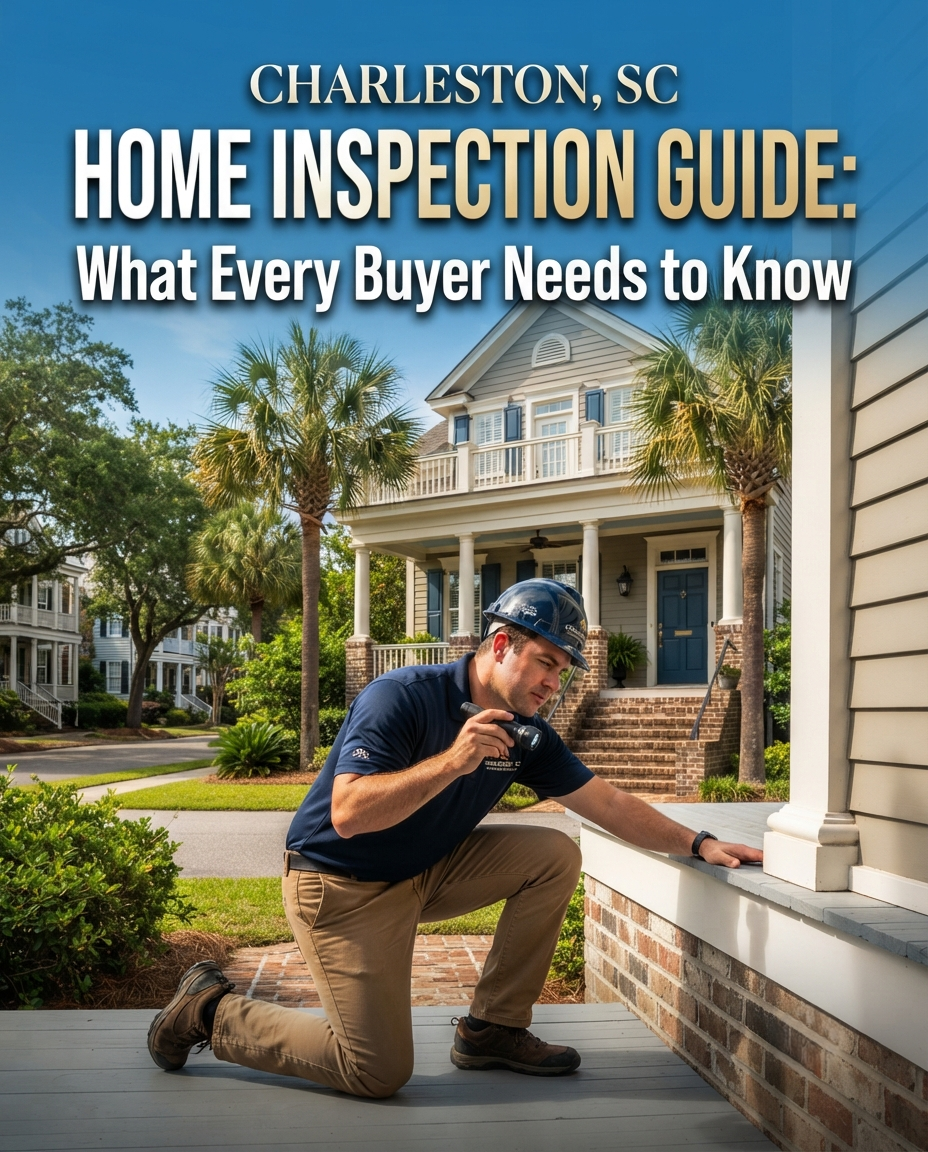
A general home inspection typically takes 2 to 4 hours and evaluates the home's major systems. The inspector examines the roof, exterior, foundation, HVAC, electrical, plumbing, kitchen, bathrooms, attic, insulation, and other visible components. The final report describes findings, recommendations, and any safety concerns. This is the foundation of your due diligence.
Charleston-Specific Inspections to Consider
The CL-100 Termite Inspection
The South Carolina CL-100, formally known as the Wood Infestation Report, is essential in the Lowcountry. It documents active infestation, prior damage, and moisture conditions favorable to wood-destroying organisms. Most lenders require it, and buyers should never skip it. Older homes with crawl spaces almost always benefit from careful attention here.
HVAC Inspection
Beyond the general inspection, a dedicated HVAC evaluation by a licensed technician can identify issues that a general inspector might miss. Charleston's climate is hard on HVAC systems, and replacement costs are substantial.
Roof Inspection
A dedicated roofer or roof inspector can provide more detail than a general inspection. Insurance carriers increasingly want roof age and condition documented, and this inspection helps.
Wind Mitigation Inspection
Wind mitigation reports can identify hurricane hardening features that qualify for insurance discounts. Impact-rated windows, hurricane straps, and modern roofing all matter. This inspection often pays for itself many times over through insurance savings.
Sewer Scope
Older homes may have aging sewer lines. A sewer scope camera inspection identifies cracks, roots, or blockages before they become expensive emergencies.
Structural Engineer
For homes with signs of settlement, sagging floors, or foundation concerns, a structural engineer's opinion is invaluable. Some Lowcountry homes have long-standing foundation issues that require expert evaluation.
Radon Testing
While less critical in coastal South Carolina than in some regions, radon testing may still be worthwhile depending on the specific location and property.
Mold and Air Quality Testing
Homes with obvious moisture issues, previous flood history, or musty smells warrant professional mold and air quality testing.
Common Findings in Charleston Home Inspections
Crawl Space Moisture
Crawl spaces in the Lowcountry are notorious for moisture issues. Vapor barriers, ventilation, and drainage all need attention.
HVAC Aging and Corrosion
Coastal HVAC systems age faster than inland ones due to salt air. Outdoor units in particular suffer corrosion.
Older Electrical Systems
Homes built before the mid-1970s may have knob-and-tube wiring or older aluminum wiring in some cases. Older panels may need replacement.
Roof Wear
Charleston roofs typically show wear at 15 to 20 years, sometimes earlier. Insurance carriers may require replacement of older roofs before providing coverage.
Termite Activity
Active termites, prior damage, or moisture conditions favorable to infestation are common CL-100 findings, especially in older homes.
Window and Door Issues
Older wooden windows may need repair or replacement. Weather-tightness matters both for energy efficiency and for storm resilience.
How to Choose a Home Inspector
Licensing and Experience
South Carolina licenses home inspectors. Verify the license and look for inspectors with several years of experience in the Charleston region specifically.
Reviews and Referrals
Your Realtor should be able to recommend inspectors they trust. Look at online reviews and ask friends for referrals.
Report Quality
Ask to see a sample report. A strong inspector delivers a detailed, photo-rich report that clearly documents findings and recommendations.
Availability for Walk-Through
Attending the inspection in person allows you to ask questions and understand the home in detail. Choose an inspector who welcomes this.
Using the Inspection Report Strategically
Prioritize Findings
Focus your negotiations on safety issues, major system problems, and expensive repairs. Cosmetic items rarely justify major negotiations.
Negotiate Repairs, Credits, or Price Adjustments
Sellers may agree to make repairs, provide closing cost credits, or adjust the purchase price to address findings. The right approach depends on the specific findings and market conditions.
Know When to Walk Away
Some inspection findings reveal problems too large or expensive to reasonably address. Your inspection contingency protects your ability to walk away with your earnest money if the home is not right.
Timing and Process
Home inspections typically happen within the first week or two after going under contract. Schedule the inspection as early as possible to give yourself time to negotiate, follow up with additional inspections if needed, and make an informed decision before the contingency period ends.
Specific Considerations for Charleston Neighborhoods
Historic Downtown Homes
Homes in the historic district often need specialized inspection expertise. Foundation, structural, and preservation considerations all matter.
Beach and Barrier Island Homes
Homes in Isle of Palms, Folly Beach, and other coastal communities require careful attention to salt-air wear, hurricane hardening, and elevated construction considerations.
Older Mount Pleasant Homes
Historic pockets of Mt Pleasant, including Old Village, benefit from thorough inspections that account for the age of the home.
Master-Planned Community Homes
Even in newer communities like Cane Bay Plantation and Park West, inspections still matter. Newer construction can still have issues, and warranties may or may not cover them.
Strategy for Buyers
Plan for the full inspection process from the moment you go under contract. Line up your general inspector, CL-100 inspector, and any specialized inspectors early. Attend inspections when possible. Read reports carefully and discuss findings with your Realtor before deciding how to respond. Well-run inspections and thoughtful responses protect your investment and set you up for a smoother ownership experience.
Key Takeaways
Home inspections in the Charleston region are more nuanced than in typical inland markets. The combination of coastal climate, older housing stock, and regional considerations like the CL-100 make thorough inspections essential. Beyond the standard inspection, consider HVAC, roof, wind mitigation, sewer scope, and other specialized inspections when appropriate. Use findings strategically in negotiations. And build a team that includes a licensed inspector experienced in Charleston, a knowledgeable Realtor, and specialists as needed. Done right, the inspection process protects your investment and gives you the confidence to move forward with clarity.
Frequently Asked Questions
How much does a home inspection cost in Charleston?
Standard home inspections in the Charleston area typically range from a few hundred dollars to over a thousand depending on home size and age. Specialized inspections add to the total. Given the value protected, the cost is one of the best investments in the transaction.
Do I need both a general inspection and a CL-100?
Yes. The CL-100 is a specific South Carolina report focused on wood-destroying organisms and moisture, while the general inspection covers all major home systems. Both play important roles.
Can inspections be waived in a competitive Charleston market?
Some competitive scenarios lead buyers to waive inspections, but this is rarely wise, especially in the Lowcountry. The financial risk of hidden issues typically outweighs the competitive advantage of waiving.
Do inspections cover mold or air quality?
Standard inspections identify visible mold and moisture issues but do not typically include air quality testing. If mold is suspected, a specialized air quality test is worth the cost.
What if the inspection finds problems I did not expect?
Talk with your Realtor about your options, including negotiating repairs, requesting credits, adjusting the price, or terminating the contract per your inspection contingency. The right response depends on the specific findings.
About Greg Harrelson
Greg Harrelson is a seasoned Realtor® with more than 30 years of experience serving the Carolina markets. As the founder of Century 21 The Harrelson Group, Greg has built his career helping buyers, sellers, and investors achieve success in every corner of the coastal Carolina real estate market. His expertise spans residential homes, investment properties, land development, and coastal condos. Known for his deep local knowledge, innovative marketing strategies, and commitment to personal service, Greg consistently helps clients reach their real estate goals while navigating the ever-changing market with confidence and precision.