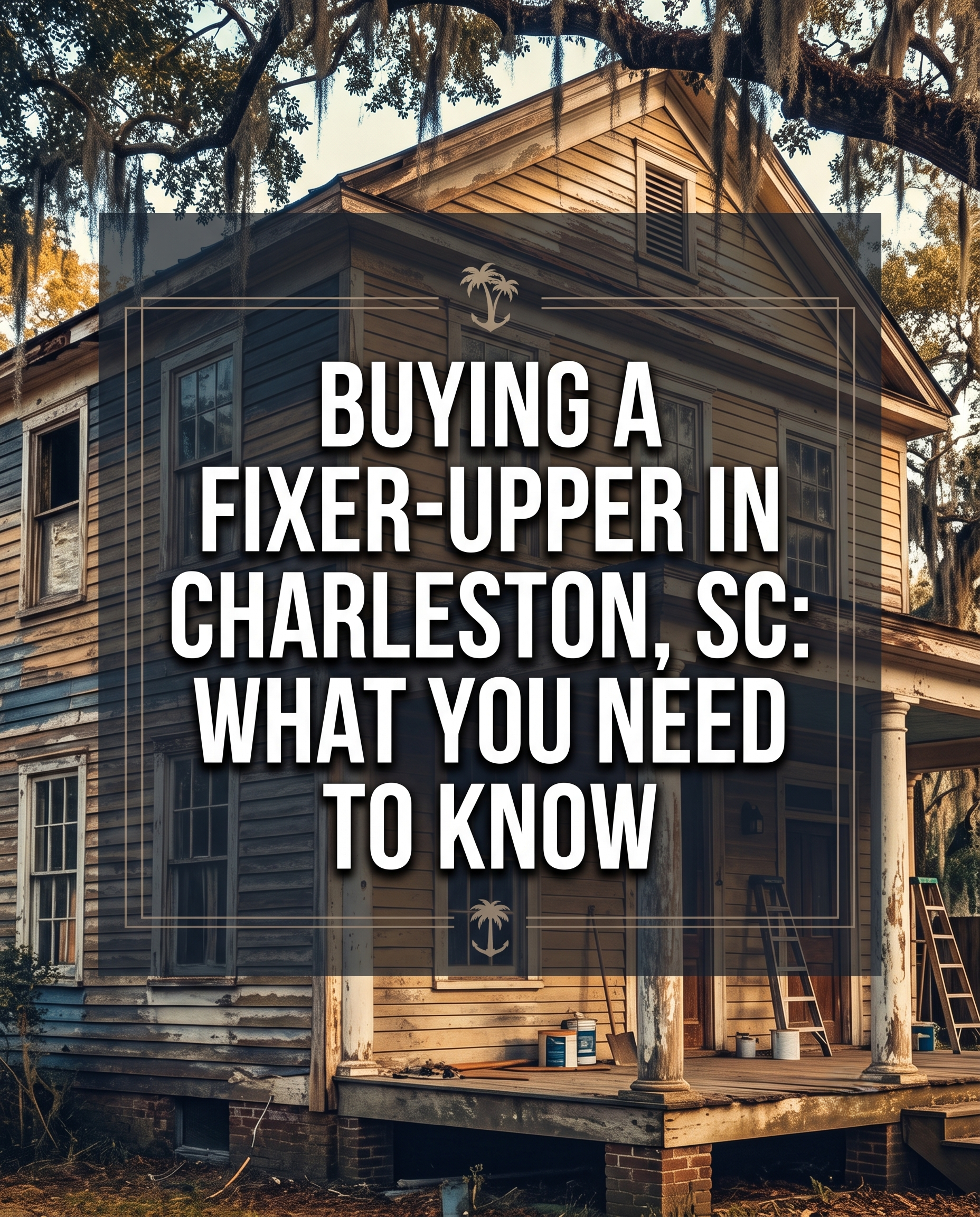
Buying a fixer-upper in the Charleston area can be one of the smartest ways to get into a great neighborhood at a more attainable price and build serious equity. But it can also become a stressful, expensive nightmare if you go in unprepared. Historic homes, coastal climate, older systems, and Charleston-specific factors like flood zones and design-district oversight all make fixer-uppers here more complex than in a typical inland market. For buyers exploring Charleston, SC real estate with renovation in mind, here is what to know before making an offer.
Why Charleston Is a Great Market for Fixer-Uppers
Charleston has an incredibly deep stock of older homes with tremendous long-term value. Historic singles downtown, mid-century ranches in West Ashley, older bungalows in Park Circle, and coastal cottages on the beach islands all offer buyers the chance to restore character and add value. Neighborhoods with strong long-term appreciation, walkability, and character often reward well-executed renovations dramatically.
The Categories of Charleston Fixer-Uppers
Historic Downtown Homes
The historic peninsula and neighborhoods like South of Broad, Harleston Village, and Ansonborough are full of homes with tremendous historic value that may need updates to systems, layout, or finishes. Design-district oversight applies to many of these homes, which affects what you can and cannot do.
Mid-Century Homes in West Ashley and James Island
Neighborhoods like Byrnes Down and older sections of James Island feature mid-century ranch homes with strong bones that respond beautifully to updates. Kitchen, bath, and system updates can dramatically increase value.
Coastal Cottages on the Beach Islands
Older cottages on Folly Beach, Sullivan's Island, and Isle of Palms can be refreshed to become desirable second homes or rental properties. Coastal considerations around insurance, elevation, and flood risk are all part of the equation.
Mount Pleasant Older Neighborhoods
Mt Pleasant has older sections beyond Old Village that offer fixer-upper potential. Some 1970s and 1980s subdivisions are ripe for updates that meet current buyer demand.
What to Watch For in a Charleston Fixer-Upper
Structural Issues
Foundation problems, sagging floors, and damaged framing can quickly turn a manageable renovation into a major project. A thorough inspection by a licensed structural engineer, in addition to a general home inspector, is worth every penny.
Older Systems
Electrical, plumbing, and HVAC systems in older Lowcountry homes often need updating. The humid coastal climate is hard on HVAC in particular. Budget for system upgrades even when they seem to still work.
Roof Age and Condition
Roofs in the Lowcountry take a beating from sun, salt air, and heavy rain. An older or damaged roof affects insurance pricing and often needs replacement soon after purchase.
CL-100 Findings
The CL-100 termite and moisture report often reveals significant issues in older Charleston homes. Active infestation, prior damage, and moisture problems all need to be resolved before closing.
Flood Zone and Elevation
Older homes often sit at lower elevations than modern code requires. This affects insurance costs and long-term risk. Review the flood zone and elevation certificate before committing.
Historic District Rules
If the home sits in a historic district, exterior renovations, additions, and even windows and paint colors may need approval. This shapes both the timeline and the cost of your renovation.
Renovation Loan Options
FHA 203(k) Loan
The FHA 203(k) loan lets you finance both the purchase and the renovation into one mortgage. It works well for many fixer-uppers, especially for owner-occupants who plan to live in the home.
Fannie Mae HomeStyle Renovation Loan
HomeStyle is another option that supports both purchase and renovation. It has more flexibility on property types and improvements than FHA 203(k).
Construction-to-Permanent Loans
For larger renovations or when you already own the home, a construction-to-permanent loan can support significant work. Talk with a local lender about the right structure.
Traditional Financing Plus Cash Reserves
Some buyers use traditional financing and self-fund the renovation with cash or a HELOC. This works when the home is habitable and renovation can be phased.
Budgeting Realistically
The single most common mistake with fixer-uppers is underestimating cost. Get contractor estimates during due diligence, not after closing. Build in a 15 to 25 percent contingency buffer for unexpected findings, especially in older homes. Factor in the cost of temporary living if the home is not immediately habitable. And be honest about which projects you can DIY and which require licensed professionals.
Timeline Realities
Renovations in the Charleston area often take longer than newer builds due to permit timelines, historic-district reviews, and contractor availability. Plan for a longer runway than you initially estimate, especially for structural or system-heavy projects.
Building the Right Team
Realtor With Fixer-Upper Experience
A local Realtor who has helped buyers navigate fixer-uppers will know how to evaluate a home's actual potential, help you write realistic offers, and coordinate with contractors during due diligence.
Structural Engineer and Home Inspector
Both are essential for fixer-uppers. Go beyond the standard inspection when the home is older or has visible issues.
Licensed General Contractor
Building a relationship with a licensed, insured general contractor early lets you get realistic estimates during due diligence and start the project quickly after closing.
Historic Preservation Consultant
For homes in historic districts, a consultant familiar with the Board of Architectural Review process can save you serious time and headaches.
Common Charleston-Specific Renovations
Screened Porches and Piazzas
Adding or refreshing outdoor living space is one of the highest-ROI projects in the Charleston area, given the outdoor lifestyle and mild climate.
Kitchen and Bath Updates
Modernizing kitchens and baths while respecting the home's character delivers strong resale returns. Buyers want move-in ready spaces even in historic homes.
Storm Hardening
Impact-rated windows, upgraded roofing, and modernized HVAC add real value and can qualify for insurance discounts.
Elevation and Foundation Work
Some coastal properties benefit from significant elevation work, especially if flood risk is a long-term concern.
Strategy for Fixer-Upper Buyers
Start with a clear vision of the finished home. Not every fixer-upper deserves saving, and knowing when to walk away is as important as knowing when to make an offer. Get realistic quotes during due diligence, plan for surprises, and work with a team that has real Lowcountry experience. Done well, a fixer-upper in the Charleston area can deliver a beautiful home in a coveted neighborhood at a real advantage over move-in ready inventory.
Key Takeaways
Buying a fixer-upper in Charleston takes preparation, realistic budgeting, and the right team. The area's older homes offer tremendous long-term value when renovations are executed well, but the coastal climate, historic district rules, flood considerations, and older systems all add complexity. Understand the loan options that support renovation, plan for a longer timeline than you initially expect, and lean on a local Realtor and contractor with real fixer-upper experience. With patience and the right strategy, the reward can be a beautiful home with strong equity growth and unique character.
Frequently Asked Questions
What loan should I use to buy a fixer-upper in Charleston?
FHA 203(k), Fannie Mae HomeStyle, or construction-to-permanent loans are common options for financing both the purchase and the renovation. A local lender can help you compare them for your specific situation.
Are historic Charleston homes harder to renovate?
Often yes. Design-district oversight, older systems, and preservation requirements can add time and cost. But the reward is a home with unique historic character in one of the most desirable areas of the country.
How much contingency should I build into my renovation budget?
Plan for 15 to 25 percent above your estimated costs for unexpected findings, especially in older homes. The bigger and older the project, the bigger the buffer.
Can I live in the home during the renovation?
Sometimes, especially for smaller cosmetic projects. Larger renovations often require temporary living arrangements. Factor this into your timeline and budget.
Do fixer-uppers appreciate faster than move-in ready homes?
Well-executed renovations in strong neighborhoods can significantly outperform move-in ready comparables at resale. Poorly planned renovations, however, can underperform. Preparation is everything.
About Greg Harrelson
Greg Harrelson is a seasoned Realtor® with more than 30 years of experience serving the Carolina markets. As the founder of Century 21 The Harrelson Group, Greg has built his career helping buyers, sellers, and investors achieve success in every corner of the coastal Carolina real estate market. His expertise spans residential homes, investment properties, land development, and coastal condos. Known for his deep local knowledge, innovative marketing strategies, and commitment to personal service, Greg consistently helps clients reach their real estate goals while navigating the ever-changing market with confidence and precision.