Welcome to our Charleston Real Estate Blog!

We will use this space to show our newest listings of available properties for sale in Charleston, Summerville, Mount Pleasant, and the islands. If you see something you like, call or contact us quickly to get your dream home in Charleston SC!

June 23, 2026

Selling a Home in Old Village Mount Pleasant: What Owners Need to Know

Owning a home in Old Village is a privilege. Few neighborhoods in the Charleston region carry the same combination of history, charm, walkability, and harbor proximity. But when it comes time to sell, the rules are different from anywhere else in Mount Pleasant. Buyers expect more, design-district considerations come into play, and demand patterns follow their own rhythms. Whether you own a historic single, a tastefully renovated cottage, or a custom home with harbor views, here is what every Old Village owner needs to know before listing.

Why Old Village Is Its Own Market

Old Village real estate behaves differently from the rest of Mt Pleasant, SC. Inventory is genuinely limited. Buyers are often specifically targeting Old Village, not Mount Pleasant in general. Many have been waiting months or years for the right home in this exact neighborhood. That focused demand can create strong pricing power, but it also means that buyers are critical, well-prepared, and willing to walk away when a home does not meet their expectations.

Who Is Buying in Old Village

Knowing your buyer is the foundation of a successful sale. Old Village buyers tend to fall into a few clear groups.

Out-of-State Buyers

Many Old Village buyers come from outside South Carolina, drawn by the neighborhood's national reputation. They are often relocating for retirement, second-home use, or full-time Lowcountry living. They expect a clean, well-presented home and typically work with a local agent during their search.

Downsizers and Empty-Nesters

The walkability and tight community feel of Old Village in Mount Pleasant make it especially appealing to empty-nesters trading down from larger Mount Pleasant homes like those in Hamlin Plantation or Park West. These buyers often prioritize single-story or master-on-main living, low-maintenance yards, and updated systems.

Charleston Move-Up Buyers

Some Old Village buyers are already living in Mt Pleasant or historic downtown Charleston and have been waiting for the right Old Village home to come on the market. They tend to be ready to act quickly when they find it.

What Buyers Are Looking For

Preserved Historic Character

Authentic details like heart pine floors, original mantles, working shutters, screened piazzas, and period-appropriate updates carry serious value in Old Village. Renovations that respect the home's history typically sell faster and for stronger numbers.

Modern Systems Behind the Scenes

While buyers want historic charm in the visible spaces, they expect modern systems behind the walls. Updated HVAC, electrical, plumbing, insulation, and windows where appropriate add significant value.

Outdoor Living

Screened porches, well-designed gardens, mature landscaping, and access to outdoor entertaining spaces are major drivers. Old Village buyers know that the outdoor lifestyle is half the reason to live here.

Walkability and Proximity

Homes close to Pitt Street, the seawall, Alhambra Hall, and the harbor tend to command premium pricing. The walking radius matters, so being a few blocks closer to the waterfront can meaningfully shift value.
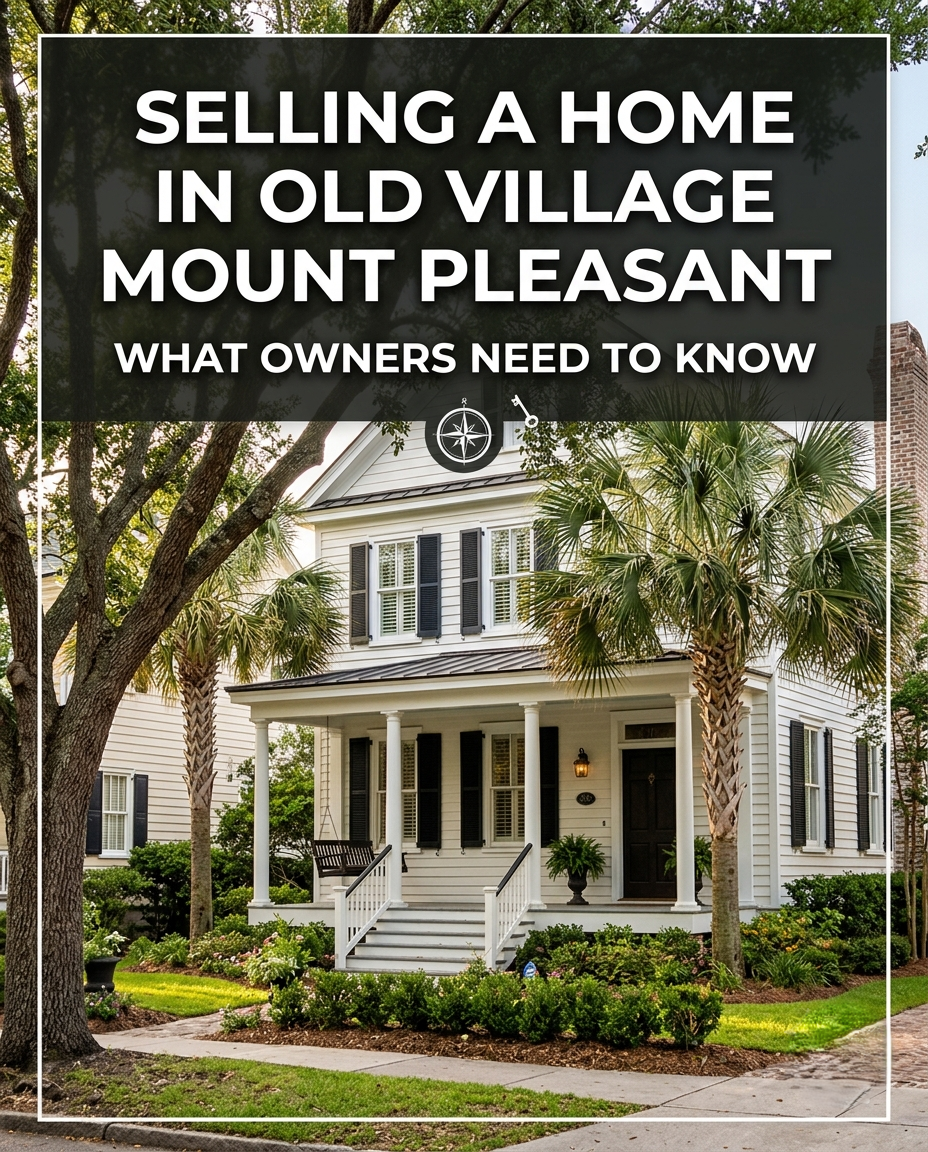
Selling a Home in Old Village Mount Pleasant What Owners Need to Know

Design-District Considerations

Old Village is part of a historic district overseen by the Town of Mount Pleasant. Exterior changes, additions, and certain renovations are subject to design-review guidelines. As a seller, you should have documentation of any approved past renovations, current historic district status, and clear records on permits. Buyers value transparency here, and it can be a real differentiator in a competitive offer scenario.

Pricing Strategy in Old Village

Pricing in Old Village is part art, part science. Strong comparables are limited because the neighborhood is small, so context matters more than a simple price-per-square-foot calculation. Pricing should reflect:

Location Within the Neighborhood

Homes near the water, the village core, or particularly desirable streets often command premiums over otherwise similar homes a few blocks away.

Architectural Significance

Original historic homes in well-preserved condition can command meaningful premiums over more recent infill construction.

Condition and Recent Updates

Homes that combine historic charm with thoughtful modernization often see stronger pricing and faster sales than homes with deferred maintenance.

Lot Characteristics

Lot size, off-street parking, mature landscaping, and outdoor entertaining areas all carry weight in Old Village pricing.

Preparing the Home to List

Pre-Listing Inspections

A pre-listing CL-100 termite inspection and a general home inspection can identify issues before buyers do. In a market where buyers are critical, addressing problems in advance often delivers a smoother negotiation and a stronger net price.

Staging That Respects the Home

Old Village homes typically stage best when the historic character is enhanced rather than masked. Crisp paint, well-curated furnishings, and uncluttered period details photograph beautifully and resonate with buyers.

Professional Photography and Marketing

Listings need to capture both the home and the lifestyle. Twilight photography, drone shots of the neighborhood and waterfront, and a clear story about the Old Village experience all matter. Many buyers are deciding before they visit, so the first impression online is essential.

Timing the Listing

Old Village often performs well from late winter through early summer, when out-of-state buyers visit and serious shoppers are actively touring. The fall also sees strong activity from buyers who want to be settled before the holidays. Slower stretches in deep winter and late summer can still deliver strong results in this neighborhood because of how focused the buyer pool is, but timing the launch into peak windows typically maximizes outcomes.

Negotiation Realities

Old Village deals often involve sophisticated buyers, experienced agents, and homes with real complexity. Negotiations often touch on historic district considerations, inspection findings, insurance and flood considerations, and timeline flexibility. Sellers who prepare well and stay calm during negotiations tend to maximize their net result.

Strategy for Sellers

If you are getting ready to sell in Old Village, lean on the local expertise of a Realtor who has navigated this neighborhood many times. Old Village rewards careful preparation, thoughtful pricing, and high-quality marketing. The buyers in this market are discerning, the comparables are scarce, and the right strategy can mean the difference between an average outcome and a record-setting sale. Start the conversation early, give yourself runway, and treat the listing like the special opportunity it is.

Key Takeaways

Selling a home in Old Village is one of the most rewarding real estate transactions a Mount Pleasant owner can make, but it requires more preparation than a typical Mount Pleasant sale. Limited inventory, design-district considerations, sophisticated buyers, and a focused buyer pool all shape the strategy. With careful pricing, thoughtful staging that honors the home's character, professional marketing, and a Realtor who understands the neighborhood deeply, sellers can typically expect strong outcomes that reflect the unique value Old Village delivers.

Frequently Asked Questions

What is the best time of year to sell in Old Village?

Late winter through early summer and the fall are typically the strongest windows. The neighborhood attracts focused out-of-state buyers throughout the year, but launching into peak windows usually delivers the most activity.

Do I need to worry about historic district rules when selling?

Yes. Any documentation of approved past renovations, permits, and current district status should be ready for buyer review. Transparency here builds buyer confidence and reduces last-minute friction.

How much should I prepare before listing?

Plan for at least 60 to 90 days of preparation, longer if you are addressing deferred maintenance or making cosmetic updates. Pre-listing inspections, staging, and high-quality marketing all need time to come together.

Are bidding wars common in Old Village?

Yes, especially on well-prepared listings priced strategically. The focused buyer pool can create competitive offer situations, but the home needs to be in a position to support that competition. Preparation matters.

How do I price an Old Village home when there are few comparables?

Pricing requires a deeper analysis than simple price-per-square-foot comparisons. Lot quality, architectural significance, condition, recent updates, and proximity to the waterfront and village all factor in. A Realtor with deep Old Village experience can build the right pricing case.

About Greg Harrelson

Greg Harrelson is a seasoned Realtor® with more than 30 years of experience serving the Carolina markets. As the founder of Century 21 The Harrelson Group, Greg has built his career helping buyers, sellers, and investors achieve success in every corner of the coastal Carolina real estate market. His expertise spans residential homes, investment properties, land development, and coastal condos. Known for his deep local knowledge, innovative marketing strategies, and commitment to personal service, Greg consistently helps clients reach their real estate goals while navigating the ever-changing market with confidence and precision.
Posted in For Sellers
June 22, 2026

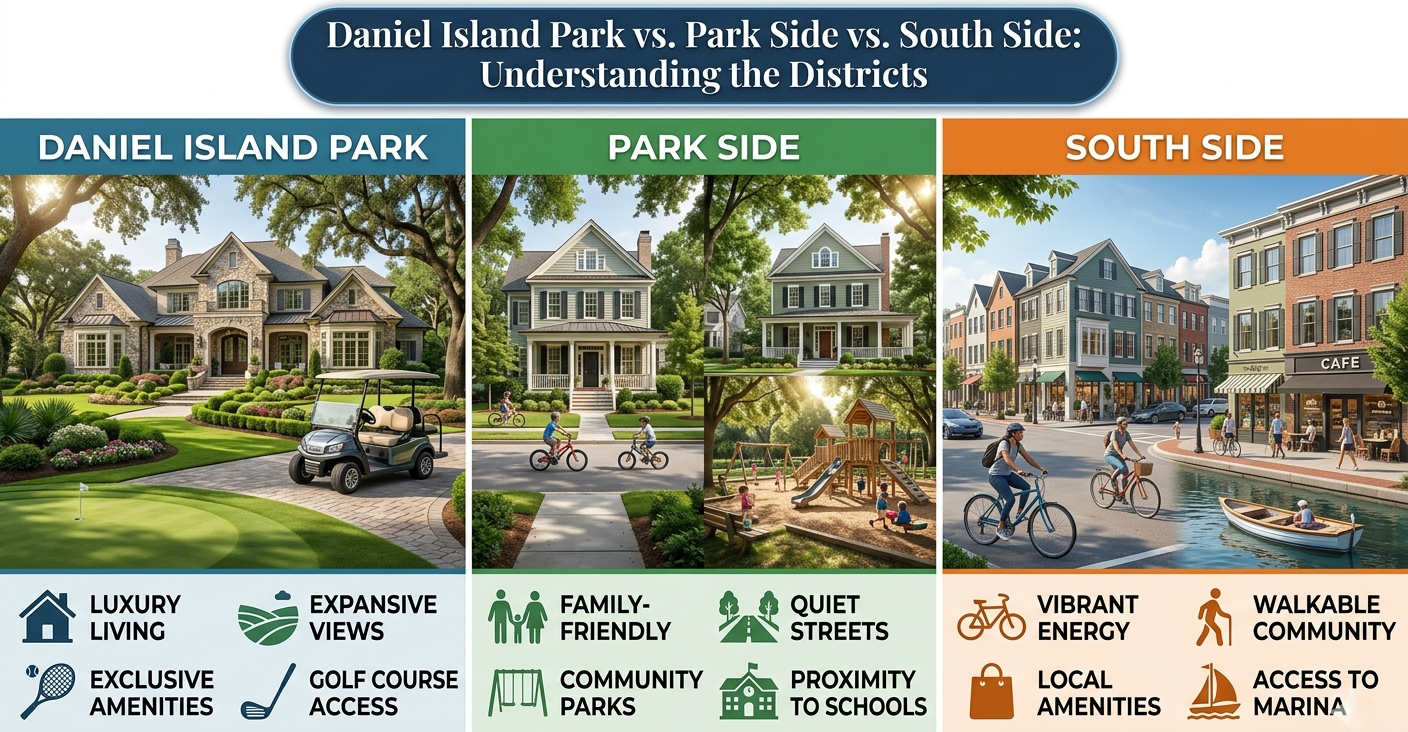
Daniel Island Park vs. Park Side vs. South Side: Understanding the Districts

Daniel Island looks like one community at first glance, but anyone who has lived there or shopped for a home there quickly realizes it is actually a thoughtful collection of districts, each with its own personality, amenities, and price range. Understanding the differences between Park Side, South Side, and the exclusive Daniel Island Park is the secret to choosing the right home on the island. For buyers exploring Daniel Island homes, this breakdown is the conversation many wish they had earlier in their search.

Daniel Island Park vs. Park Side vs. South Side Understanding the Districts.

Why Daniel Island Is Divided This Way

Daniel Island was master-planned from the beginning, which is exactly why it works as well as it does. The island's developers thought carefully about how to balance walkable village living, family-friendly neighborhoods, country club estates, and waterfront property. Rather than mixing everything randomly, they separated the island into clearly defined zones. The result is that residents can pick a district that matches their lifestyle while still enjoying the full island's amenities and identity.

Park Side: The Walkable Village Heart

Park Side, sometimes referred to broadly as the urban side of the island, is the most walkable and energetic district. It surrounds the central village area, where restaurants, shops, fitness studios, and coffee spots cluster around tree-lined streets and pocket parks.

Lifestyle in Park Side

Many Park Side residents walk to dinner, drop kids at school on foot, and enjoy the casual interaction with neighbors that comes from a denser, more village-style layout. The neighborhood is full of townhomes, smaller cottages, and modest single-family homes, with some larger custom homes mixed in.

Who Park Side Tends to Attract

Young professionals, downsizers, empty-nesters, and families who prioritize walkability often gravitate to Park Side. Townhomes and lock-and-leave properties make it especially attractive for second-home buyers or those who travel frequently. Communities like Etiwan Park and Center Park Townhomes sit within this side of the island.

South Side: The Family-Friendly Residential Belt

South Side stretches across the more residential southern portions of Daniel Island. It is quieter, greener, and more spread out than Park Side, with a stronger emphasis on family living and traditional single-family home neighborhoods.

Lifestyle in South Side

Life on South Side often revolves around backyards, schools, sports, and the abundant parks and trails. Many homes feature larger lots than you will find in Park Side, with mature landscaping, deep porches, and the kind of curb appeal that has made Daniel Island a brand. Codner's Ferry Park and Smythe Park anchor much of the area, providing community gathering spaces and outdoor amenities.

Who South Side Tends to Attract

Families with school-age kids, dual-career households, and buyers who want a true neighborhood feel are common in South Side. Buyers willing to drive or bike a few extra minutes to the village in exchange for more space, larger yards, and a quieter feel typically lean here. Neighborhoods like Pierce Park, Cochran Park, and Beresford Creek Landing are all in this part of the island.

Daniel Island Park: The Country Club Enclave

Daniel Island Park is the most exclusive district on the island. It surrounds the Daniel Island Club and is gated, more private, and tied tightly to the club lifestyle. The homes here range from large custom estates to refined townhomes and luxury patio homes, many with views of the golf course, the marsh, or the river.

Lifestyle in Daniel Island Park

Daily life often revolves around the Daniel Island Club, which offers two Tom Fazio and Rees Jones golf courses, tennis, dining, and social events. Many residents are members and engage actively in the club. Even non-members enjoy the quiet streets, large lots, and the gated security that comes with the district.

Who Daniel Island Park Tends to Attract

Executives, retirees, golf enthusiasts, and luxury buyers from across the country are drawn to Daniel Island Park. The district consistently ranks among the strongest luxury markets in the Charleston region, and the combination of club access, gated privacy, and architectural quality keeps demand steady.

Comparing Real Estate Across the Districts

Pricing Spectrum

Park Side typically delivers the most attainable price points on the island, especially in townhomes and smaller single-family homes. South Side commands strong family-home pricing with a range of options. Daniel Island Park commands the highest pricing on the island, with luxury custom homes often setting records for the broader area.

Inventory Patterns

Park Side tends to move quickly, with townhomes and patio homes in particular attracting steady demand. South Side inventory rotates with the school calendar and family-move cycles. Daniel Island Park is the most limited inventory of all three districts, and well-located homes can stay off the public market thanks to private networks of agents and buyers.

HOA and Club Considerations

All Daniel Island residents pay a community fee that funds island-wide amenities, security, and maintenance. Daniel Island Park residents typically have additional considerations related to the club. Make sure you understand the full picture of what you will pay each month and what it gets you before making an offer.

Schools and Practical Considerations

Daniel Island is known for strong schools across all districts, and the island has its own dedicated elementary and middle school options that families love. Commute times to downtown Charleston are usually 20 minutes or so, depending on time of day and any I-526 traffic. Coastal flood considerations apply to certain homes, so always review specific flood zones and elevations during due diligence.

How to Decide Which District Fits You

The right answer comes down to lifestyle. If walkability and a village-style energy are your top priorities, Park Side is hard to beat. If you want a more traditional family neighborhood with bigger yards and more privacy, South Side delivers. If you want gated luxury living tied to a top-tier country club, Daniel Island Park is in a class of its own. Spending time in each district, ideally at different times of day, is the best way to feel the differences.

Strategy for Buyers

If Daniel Island is on your list, work with a Realtor who knows the island's district nuances inside and out. They can help you understand the specific HOA layers, the differences in resale patterns between districts, and how each district responds to broader market shifts. Whether you are eyeing a townhome in Park Side, a family home in South Side, or a custom estate in Daniel Island Park, having a local expert in your corner saves time, money, and missed opportunities.

Key Takeaways

Daniel Island looks like one community from the outside, but locals know it is really three distinct districts. Park Side delivers walkable, village-style living. South Side offers traditional family neighborhoods with larger lots. Daniel Island Park brings gated, club-anchored luxury. Each district has its own price range, lifestyle pattern, and resale behavior. With the right Realtor and a clear sense of how you want to live, finding the right district can make Daniel Island feel less like a master-planned community and more like the small town it really is.

June 19, 2026

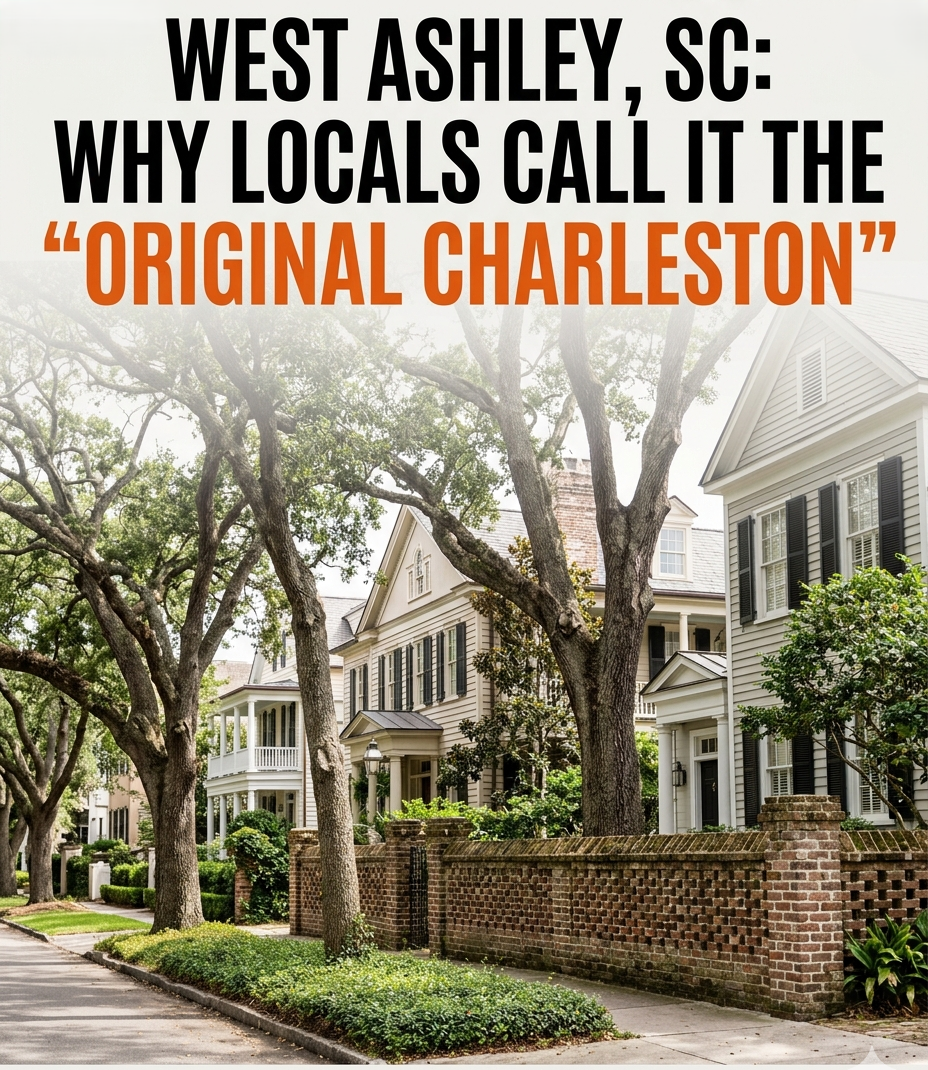
West Ashley, SC: Why Locals Call It the "Original Charleston"

Ask a longtime Charlestonian what makes West Ashley special, and you'll often hear the same phrase: it's the "Original Charleston." Before the famous peninsula was settled, the first Charles Towne landing actually happened on the west side of the Ashley River in 1670. That history sets the tone for everything that has come after. Today, West Ashley delivers some of the most underrated charm, value, and lifestyle in the entire metro. Whether you are an empty-nester, a young family, or a first-time buyer exploring West Ashley homes, this side of the river deserves a serious look.

A Quick Look at West Ashley's History

The Charles Towne Landing State Historic Site marks the spot where the first English settlers in what would become South Carolina put down roots. For more than three and a half centuries, West Ashley has lived alongside that history. Older neighborhoods sit near tidal creeks and mossy oaks, mid-century postwar communities expanded the area in the 1950s and 60s, and new construction continues to grow the inland sections today. The result is a community that feels lived-in, layered, and unmistakably Charleston.

What Defines West Ashley Today

West Ashley balances three things really well: access, value, and personality. You are 10 to 15 minutes from downtown, close to top hospitals and universities, and surrounded by neighborhoods with character. Pricing tends to be more attainable than Mount Pleasant or Daniel Island, which makes it a popular landing spot for first-time buyers, families relocating to the area, and downsizers. And the local food, music, and small-business scene gives the area a distinctive vibe that residents are proud of.

Neighborhoods Worth Knowing

Avondale and Byrnes Down

The Avondale corner of West Ashley has become one of the most popular walkable urban-village spots in the region, with mid-century homes, locally owned restaurants, and a great neighborhood feel. Byrnes Down is one of the most beloved mid-century modern neighborhoods in West Ashley, with brick ranches and updated cottages sitting along leafy streets.

South Windermere and The Crescent

For buyers who want a more historic, established feel, South Windermere and The Crescent bring old-Charleston charm just minutes from downtown. The Crescent in particular is known for its winding streets, mature trees, and rich architectural character.

Carolina Bay

For buyers who want newer construction with master-planned amenities, Carolina Bay is one of the strongest options in West Ashley. Pools, parks, sidewalks, and a wide range of floor plans appeal to families and professionals.

Shadowmoss Plantation

Shadowmoss Plantation brings golf-course living, established homes, and a tight-knit community feel. It is a perennial favorite for buyers who want amenity-rich neighborhood living at strong value relative to Mount Pleasant.

Ashley Harbor and Schieveling Plantation

For waterfront and luxury living, Ashley Harbor and Schieveling Plantation deliver larger lots, custom homes, and excellent access to the water and downtown.

Grand Oaks Plantation

Grand Oaks Plantation remains a top option for family-oriented buyers seeking a master-planned community with amenities, schools nearby, and a sense of neighborhood pride.

Why Locals Call It the Original Charleston

Lifestyle and Daily Life

West Ashley's lifestyle is laid-back without feeling sleepy. The Avondale corridor offers some of the best small-business dining and nightlife on the west side. The West Ashley Greenway gives walkers, runners, and cyclists a long natural corridor through the neighborhood. Marsh views, boat ramps, and small parks make outdoor life easy. And the area's location keeps Folly Beach, Johns Island, and downtown all within a short drive.

Schools, Healthcare, and Practical Considerations

West Ashley is served by a mix of Charleston County public schools, magnet programs, and several well-respected private schools. The area is also close to MUSC, Roper Hospital, and CofC, which makes it especially convenient for medical and university professionals. Commutes to downtown are typically 10 to 20 minutes depending on traffic, and access to I-526 and I-26 keeps the rest of the metro within reach.

Real Estate Trends in West Ashley

West Ashley has historically offered better value per square foot than Mount Pleasant or in-town Charleston, which keeps demand consistent from a wide range of buyers. New construction continues to expand the inland edge of the area, while established neighborhoods near the water retain strong demand thanks to their character and proximity to downtown. Renovated mid-century ranches in Byrnes Down, Avondale, and South Windermere have become especially popular with buyers looking for charm at a more attainable price.

What to Watch Before You Buy

Like much of the Lowcountry, parts of West Ashley sit in flood zones. Always review flood zone designations, elevation, and insurance options early in your search. Older homes may need updates to electrical, plumbing, or HVAC systems, and the area's mature trees mean checking for any major hazards close to the home. HOA rules vary widely across the area's communities, so review any community documents carefully.

Strategy for Buyers

If you are exploring West Ashley, spend some time getting to know the different sections. The area is geographically large and the personality changes block by block. Avondale and South Windermere feel like in-town living. Carolina Bay and Grand Oaks feel like family-oriented master-planned communities. Shadowmoss feels established and golf-oriented. Ashley Harbor brings waterfront living. A local Realtor who knows West Ashley intimately can help you compare neighborhoods, weigh school options, and shape a strategy that fits your priorities.

Key Takeaways

West Ashley earns the "Original Charleston" nickname through both history and personality. With deep roots, an authentic local lifestyle, a wide range of neighborhoods, and value that holds up well against more expensive parts of the metro, the area continues to attract buyers from every walk of life. Whether you are drawn to walkable Avondale, mid-century Byrnes Down, golf-oriented Shadowmoss, waterfront Ashley Harbor, or family-friendly Carolina Bay, West Ashley has a neighborhood that fits. And with downtown only a short drive away, it remains one of the smartest places in the Charleston region to call home.

June 18, 2026

How to Win a Bidding War in the Competitive Mount Pleasant, SC Market

Mount Pleasant is one of the most competitive real estate markets in the entire Charleston region. Strong schools, beautiful neighborhoods, top-tier amenities, and proximity to both downtown and the beaches keep demand high year after year. For buyers, that means well-priced homes in the most popular communities often attract multiple offers within days. Knowing how to compete, and winning the home you really want, requires more than just a higher number on the contract. Here is how serious buyers can win a bidding war in Mt Pleasant, SC real estate without losing their cool or their budget.

Why Mount Pleasant Bidding Wars Happen

Three forces collide in Mount Pleasant. First, demand consistently outpaces supply, especially in the most popular family-friendly communities. Second, many buyers are relocating from out of state with strong purchase budgets and equity from selling elsewhere. Third, communities like Park West, Hamlin Plantation, Belle Hall Plantation, and Old Village carry national reputations that draw in buyers from across the country. When the right home hits the market, the demand stacks quickly.

Get Your Financing in Position Before You Tour

Full Pre-Approval, Not Pre-Qualification

A pre-qualification letter is essentially a soft estimate. A pre-approval is a formal underwriting review based on documented income, assets, credit, and debt. Sellers and listing agents take pre-approval letters much more seriously, especially in a competitive market.

Choose a Local, Reputable Lender

Listing agents in Mount Pleasant know which lenders close on time and which create problems. Working with a respected local lender adds credibility to your offer and tells the seller you are a low-friction buyer.

Know Your Maximum and Stay Disciplined

Decide in advance the highest number you can comfortably pay. Stick to it. Bidding wars are emotional. The buyers who win typically know their ceiling and have a plan for how to reach it strategically.

Move Quickly and Decisively

In a competitive Mount Pleasant market, homes priced correctly can attract offers within hours of going live. Buyers who win consistently follow a few simple rules. Be ready to tour the day the home hits the market, ideally with your Realtor in person. Have your offer documents prepared in advance. And be willing to make decisions quickly while still being thoughtful.

How to Win a Bidding War in the Competitive Mount Pleasant, SC Market

Craft a Clean, Strong Offer

Strong Price

Price still matters most. In a multi-offer scenario, your number needs to be competitive with the market and the property's specific value. Your Realtor should provide a clear comparative market analysis so you can offer with confidence.

Earnest Money Deposit

A higher earnest money deposit signals seriousness. In a competitive market, doubling or tripling the typical deposit can help your offer stand out.

Closing Date That Works for the Seller

If you can match the seller's preferred closing date, do it. Flexibility on timing often beats a slightly higher offer.

Limit Contingencies, but Stay Smart

Limiting unnecessary contingencies can strengthen your offer. However, do not waive smart due-diligence steps like the CL-100 inspection or appraisal contingency without serious thought. Talk with your Realtor about which contingencies can be tightened versus removed altogether based on your risk tolerance.

Escalation Clauses Done Right

An escalation clause automatically increases your offer above the next-highest competing offer by a set amount, up to a defined cap. Used correctly, it can win the deal without overpaying. Used incorrectly, it can expose your maximum unnecessarily. A skilled local Realtor can help you decide whether an escalation clause makes sense for the specific seller and listing agent.

The Appraisal Gap Strategy

In hot markets, homes occasionally appraise for less than the contract price. An appraisal gap clause commits you to making up some or all of the difference between the appraised value and the purchase price. Sellers love seeing this in competitive offers because it lowers their risk. Buyers using it must have the cash to back it up, so plan carefully with your lender and Realtor.

Personalize Where Appropriate

While the legal best practice is to focus on terms rather than personal letters, in some Mount Pleasant transactions, a brief professional introduction from the buyer can humanize the offer. Keep it short and avoid anything that could be seen as discriminatory. Your Realtor will know when this is appropriate.

Work With a Realtor Who Knows Mount Pleasant Cold

A great local Realtor brings relationships, listing-agent insight, and tactical experience to the table. They know how a specific listing agent typically structures offer reviews. They know which neighborhoods are seeing the most activity, what specific communities like Snee Farm or Carolina Park typically sell for, and how to position your offer for the best chance to win. They also know when to walk away. A Realtor who tells you the truth, even when it stings, is exactly who you need.

Have a Plan B Ready

Not every bidding war ends in your favor. Have backup options identified before you tour. If your first-choice home goes to another buyer, having a second and third home already in mind keeps you moving forward and reduces emotional fatigue. Mount Pleasant inventory turns over consistently. Patience and preparation usually win the right home in the end.

Mistakes That Sink Bidding Wars

Hesitating

Waiting "to think about it" overnight can cost you the deal. Decide in advance how you will act when you find the right home.

Overpaying Without a Plan

Winning at any cost is not a win. Stay within your comfortable budget and make sure your offer reflects the home's market value.

Waiving Critical Inspections

In the Lowcountry, the CL-100 termite inspection and a general home inspection protect you from expensive surprises. Waiving them entirely is rarely worth it.

Skipping the Pre-Approval Step

Submitting an offer without a strong pre-approval letter signals that you are not serious. In Mount Pleasant, that is often a deal-killer.

Strategy for Mount Pleasant Buyers

Start with preparation. Get fully pre-approved with a local lender. Choose a Realtor who specializes in the Mount Pleasant market and the specific neighborhoods you want. Make a clear budget plan that includes your maximum offer ceiling, your earnest money strategy, your appraisal gap willingness, and any escalation comfort. When the right home appears, move quickly, write clean offers, and trust your team. The buyers who win consistently are the ones who do the work before the listing even goes live.

Key Takeaways

Winning a bidding war in Mount Pleasant is part preparation, part strategy, and part patience. Getting fully pre-approved, choosing a respected local lender and Realtor, knowing your budget ceiling, and writing a clean offer with strong terms are the foundation. Tools like escalation clauses, appraisal gap provisions, and flexible closing dates can give you an edge without forcing you to overpay. And when an offer falls through, having backup options ready keeps the search moving. Mount Pleasant continues to be one of the most competitive markets in the Southeast, but with the right plan and the right team, you can absolutely win the home you really want.

Frequently Asked Questions

Are bidding wars common in Mount Pleasant right now?

They are common in the most popular neighborhoods and price points, especially in family-friendly communities and well-priced listings near top schools. The frequency varies by month, by price tier, and by neighborhood.

How much over asking price should I offer?

It depends on the specific listing, the comparable sales, and the level of competition. Your Realtor should help you set the offer based on the market data and the listing agent's expected approach, not on a generic percentage rule.

Is an escalation clause always a good idea?

Not always. Some listing agents prefer simple, clean offers and may treat escalation clauses cautiously. The right answer depends on the seller, the listing agent, and your specific risk tolerance. Talk through the strategy with your Realtor.

Should I waive the home inspection to win?

Generally no. You can tighten timelines or limit certain contingencies, but skipping the inspection or CL-100 entirely puts you at serious financial risk. A strong inspection plus a smart offer is usually a better path.

What if I lose the bidding war?

Stay disciplined and move to your next option. Mount Pleasant inventory turns over consistently, and patient buyers who prepare well typically find a great home. Use the lost bid as a chance to refine your strategy for the next opportunity.

Greg Harrelson is a seasoned Realtor® with more than 30 years of experience serving the Carolina markets. As the founder of Century 21 The Harrelson Group, Greg has built his career helping buyers, sellers, and investors achieve success in every corner of the coastal Carolina real estate market. His expertise spans residential homes, investment properties, land development, and coastal condos. Known for his deep local knowledge, innovative marketing strategies, and commitment to personal service, Greg consistently helps clients reach their real estate goals while navigating the ever-changing market with confidence and precision.

June 17, 2026

Best Places for Live Music in Greater Charleston, SC

Charleston's reputation as a great food, history, and beach destination tends to overshadow another reason locals love living here: the music scene. From legendary downtown listening rooms to laid-back beach bars and brewery patios in Park Circle, Greater Charleston has a thriving, eclectic live music ecosystem. For residents, it is one of the small but meaningful perks of life in the Lowcountry. For anyone exploring Charleston, SC real estate with an ear for music, knowing where to go is half the fun.

Why Charleston Has Such a Strong Live Music Scene

Charleston sits at the crossroads of jazz, blues, soul, beach music, indie rock, country, and bluegrass. The city's deep cultural roots, the Spoleto Festival's international reputation, and a long tradition of local songwriters and performers have built a music community that punches above its weight. A growing population of musicians, sound engineers, and venue owners keeps the scene fresh, while tourist traffic supports a calendar of touring acts and major festivals throughout the year.

Downtown Charleston Music Venues

The Music Farm

One of the largest music venues in the Charleston peninsula, The Music Farm hosts touring acts across genres, from rock and indie to hip-hop and country. The standing-room layout and central downtown location make it a go-to for anyone serious about catching national tours.

Charleston Music Hall

A beautifully renovated historic theater, Charleston Music Hall hosts seated concerts from singer-songwriters, jazz acts, comedy shows, and special performances. The intimate acoustics and downtown setting make it a favorite for date nights and special occasions.

The Royal American

A beloved no-frills neighborhood venue known for local bands, alt-country, indie acts, and dive bar charm. Locals consider it essential to Charleston's identity.

Sound Lab and Other Small Stages

The downtown area is full of smaller stages and bar venues that host weekly local performances. Walking down King Street any weekend night will quickly introduce you to multiple live acts spilling out of bars and restaurants.

Best Places for Live Music in Greater Charleston, SC

Park Circle in North Charleston

Park Circle has become one of the most exciting nightlife and music neighborhoods in the entire region. The mix of breweries, restaurants, and live music stages has built a unique scene that locals love.

Brewery Patios

Holy City Brewing, Commonhouse, and other Park Circle breweries regularly host live music on their patios. The vibe is casual, family-friendly, and a great way to discover local talent without buying a ticket.

Local Restaurants and Bars

Park Circle has grown into a tight cluster of restaurants, bars, and entertainment spaces that often feature local musicians. The walkability between venues makes for an easy night out hopping between artists.

Mount Pleasant and Shem Creek

For locals who do not want to deal with downtown parking, Mount Pleasant delivers a strong live music scene of its own. Shem Creek bars often have outdoor stages with everything from acoustic guitar to beach music and Top 40 covers. Sunset on a Shem Creek deck with live music in the background is one of the most quintessential Mount Pleasant experiences. The Coleman Boulevard corridor also has its share of venues with live music several nights a week.

Folly Beach Music Scene

Folly Beach has been a music town for generations. The Sand Dollar Social Club hosts members-only nights with classic shows. The Washout, Surf Bar, and other Center Street venues often have live acts spilling onto Folly's main drag. Summer concerts on the pier and outdoor stages on the beach side give the island a vibrant beach music vibe that defines weekends from spring through fall.

James Island and West Ashley Favorites

The Pour House on James Island is a Charleston institution. The eclectic mix of local and touring acts makes it one of the most respected venues in the region. James Island in general has a strong music identity, with many residents involved in the local music community.

West Ashley also offers some great spots. Restaurants and bars in the Avondale area frequently host live music, and the Charleston Pour House crowd often crosses over into West Ashley venues for late-night sets.

Festivals That Define Charleston's Music Scene

Spoleto Festival USA

One of the most important arts festivals in the country, Spoleto fills downtown Charleston each spring with classical music, opera, jazz, and chamber concerts. It transforms the city for weeks and is one of the cultural pillars of Lowcountry life.

High Water Festival

High Water has become one of the Southeast's most beloved music festivals, drawing top indie, rock, and Americana acts. It takes place at Riverfront Park in North Charleston and showcases the city's growing reputation as a music destination.

Charleston Jazz Festival

An annual celebration that highlights the city's deep jazz roots and brings in regional and national acts. A reminder that Charleston's musical history runs deeper than tourists often realize.

Outdoor and Free Music Series

Charleston also delivers a robust calendar of free outdoor music throughout the year. The Sunday afternoon concerts at Hampton Park, the brewery patio series in Park Circle, the regular sets on Shem Creek and at marina bars, and seasonal performances at Memorial Waterfront Park give residents an easy way to enjoy live music without buying a ticket.

How Music Affects Where You Live

For music lovers, location can shape your weekly rhythm. Downtown residents have venues within walking distance every night of the week. Park Circle residents enjoy a walkable nightlife and brewery scene built around live music. Mount Pleasant and Shem Creek residents lean into a more relaxed waterfront-music vibe. Beach residents on Folly enjoy the laid-back surf-town set list. Riverland Terrace and the Avondale corner of West Ashley deliver tight-knit community music scenes within reach of downtown.

Tips for Discovering Charleston's Music Scene

Follow local venues on social media, sign up for their newsletters, and check the weekly entertainment calendars from the Post and Courier and the Charleston City Paper. Local DJs and music writers frequently highlight upcoming shows, and many of the best small-venue events are walk-up or low-cost tickets. Build a habit of stopping into smaller venues mid-week to discover up-and-coming local artists before they break out.

Strategy for Buyers Who Love Live Music

If live music is a high priority, talk with your Realtor about the day-to-day rhythm of each neighborhood. Downtown gives you maximum access at a premium price. Park Circle delivers great walkable nightlife at strong value. Mount Pleasant balances family living with regular waterfront live music access. The beach areas of Folly, Sullivan's, and the Isle of Palms each have their own personalities. Tour neighborhoods on a Thursday or Friday night, not just a Saturday morning. The music scene around you can shape your social life as much as the home itself.

Key Takeaways

  • - Charleston has a thriving live music scene that spans multiple genres, neighborhoods, and price points.
  • - Downtown venues like The Music Farm, Charleston Music Hall, and The Royal American anchor the peninsula's identity.
  • - Park Circle has emerged as one of the most exciting walkable nightlife and music destinations in the region.
  • - Mount Pleasant, James Island, West Ashley, and Folly Beach each bring their own flavor to the local music calendar.
  • - Spoleto, High Water, and Charleston Jazz Festival are the marquee music events of the year.
Posted in Lifestyle
June 16, 2026

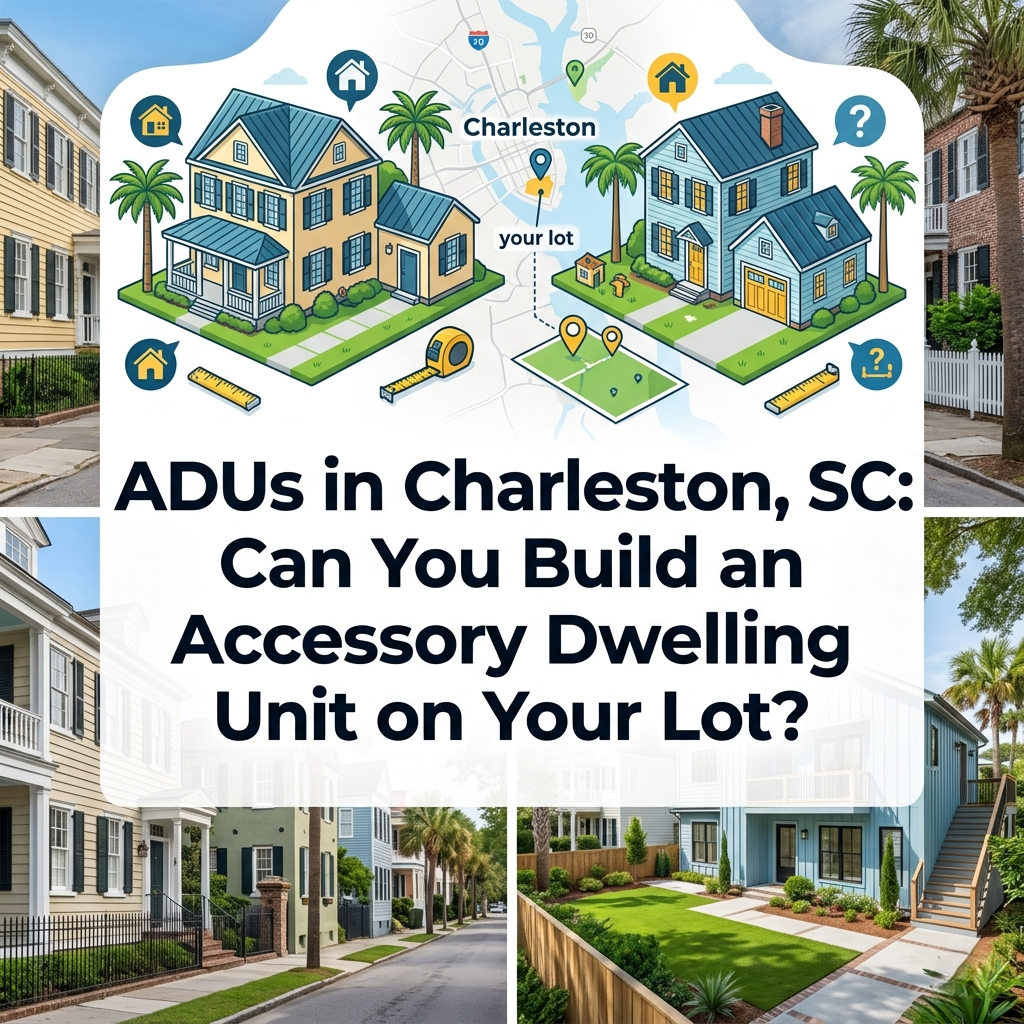
ADUs in Charleston, SC: Can You Build an Accessory Dwelling Unit on Your Lot?

Accessory Dwelling Units, commonly called ADUs, have become a hot topic for Charleston-area homeowners. Whether you call them mother-in-law suites, granny flats, garage apartments, or carriage houses, the basic idea is the same. ADUs are smaller, self-contained living spaces built on the same lot as a primary home. With multigenerational living, remote work, and the search for additional income all on the rise, more owners of Charleston, SC real estate are asking whether they can add an ADU to their property. The answer depends on where you live, what your lot will support, and how the local rules treat ADUs.

Why ADUs Are Trending in the Lowcountry

Charleston families are using ADUs for everything from housing aging parents to creating private guest quarters, home offices, and long-term rental income. The flexibility is the main appeal. A well-designed ADU can adapt to multiple seasons of life and add lasting value to a property. The catch is that ADUs are not allowed everywhere, and even when allowed, they often come with strict rules.

The Rules Vary Significantly Across the Region

The Charleston region is a patchwork of jurisdictions, and ADU regulations vary widely. The City of Charleston, the Town of Mount Pleasant, North Charleston, Summerville, Goose Creek, Berkeley County, Charleston County, Dorchester County, and individual beach towns all set their own rules. HOAs and condo regimes add another layer on top of that. Before you assume anything, identify exactly which jurisdiction governs your property.

The City of Charleston

The City of Charleston allows ADUs in many residential zones, but rules are detailed. Owner-occupancy of either the primary residence or the ADU is often required, size limits apply, and short-term rental of the ADU may be restricted depending on zoning. Within the historic district, additional design-review oversight applies. Homes in the historic peninsula, including parts of historic Charleston and South of Broad, should expect a more involved approval process than newer suburban areas.

Mount Pleasant

The Town of Mount Pleasant has its own approach to ADUs. Allowed uses, setbacks, and unit sizes are spelled out in town ordinances. Some residential zones support ADUs as accessory uses while others do not. If you live in a master-planned community like Park West, Hamlin Plantation, or Belle Hall Plantation, your HOA may further restrict or completely prohibit ADUs even when the town's zoning would otherwise allow it.

Summerville and Surrounding Counties

Summerville and surrounding Berkeley and Dorchester County areas have their own rules. Some master-planned communities allow casitas, in-law suites, or detached guest quarters as part of the original home design but restrict any later additions or true ADUs. Always confirm with both the local government and the HOA before assuming anything is allowed.

Beach Towns

Beach communities like Folly Beach, Isle of Palms, and Sullivan's Island all have specific rules for ADUs, often heavily intertwined with short-term rental regulations. Adding a separate dwelling unit to a beach property can have major implications for permits, rentals, and resale.

What ADUs Typically Look Like in the Charleston Area

Detached ADUs

A small standalone structure, often above or beside a garage, with a kitchen, bathroom, and living space. Carriage-house-style ADUs are common in historic Charleston and can be especially charming when designed to match the main home.

Attached ADUs

A separate, self-contained living unit connected to the primary home but with its own entrance, kitchen, and bath. Often used for mother-in-law suites or rental units in suburban homes.

Garage or Basement Conversions

Converting existing space within or under the home into a separate ADU can be cost-effective and avoids building a brand-new structure. Local code compliance for ceiling height, egress windows, and separate utilities can still be involved.

Common Limits to Be Aware Of

Size Caps

Most jurisdictions cap ADU size, often expressed as a percentage of the primary home's living area or a maximum square footage. Going beyond the cap usually triggers a different zoning category that may not be allowed at all.

Owner Occupancy

Many cities and towns require the owner to live in either the primary home or the ADU. This rule is designed to prevent investors from converting single-family lots into multi-unit rental properties.

Setbacks and Lot Coverage

Setbacks from property lines, building height limits, and total lot coverage rules can all limit where and how big an ADU can be. Older neighborhoods often have tighter setbacks than newer suburban communities.

Short-Term Rental Restrictions

Even if you can build an ADU, you may not be allowed to rent it nightly. Most Charleston-area jurisdictions limit or prohibit short-term rental of ADUs in residential zones. Always confirm before counting on that income.

HOA and Regime Rules

HOAs frequently restrict or prohibit ADUs even when local government rules allow them. Read your covenants and any architectural review board guidelines carefully before designing anything.

ADUs in Charleston, SC Can You Build an Accessory Dwelling Unit on Your Lot

Cost and Financing Considerations

ADU construction costs vary widely depending on size, finish level, foundation type, and whether you are converting existing space or building new. Many Charleston-area owners use construction loans, cash-out refinances, or HELOCs to fund ADU projects. Adding an ADU often increases the home's appraised value, but the increase may not always match the construction cost dollar-for-dollar, especially in neighborhoods where ADUs are uncommon.

How ADUs Affect Property Taxes and Insurance

Adding an ADU usually triggers a reassessment, which can raise property taxes. In South Carolina, if your primary home qualifies for the 4 percent owner-occupied assessment, the ADU portion may be treated differently depending on use. Homeowner's insurance will need to be updated as well, and renting the ADU may require a different policy structure. Talk with a local CPA and insurance agent during planning, not after the unit is built.

Resale Impact

A well-designed, fully permitted ADU can be a major selling point. Multigenerational buyers, families wanting work-from-home space, and buyers planning future rental income all see value in a quality ADU. Unpermitted ADUs, on the other hand, can be a serious liability that complicates appraisals, financing, and insurance. Always permit your project correctly.

Strategy for Owners Considering an ADU

Start with research, not design. Confirm what your jurisdiction and HOA allow. Talk with the city or county zoning office, and request copies of your HOA covenants and architectural review board guidelines. From there, consult with a local architect, contractor, and Realtor who has ADU experience in your specific area. The right team will help you balance build cost, function, resale value, and the rules unique to your property.

Key Takeaways

  • - ADUs can add real value, flexibility, and income potential to a Charleston-area home, but the rules vary significantly by jurisdiction.
  • - The City of Charleston, Mount Pleasant, Summerville, Berkeley County, Dorchester County, and beach towns each have their own ADU regulations.
  • - HOAs and condo regimes can override otherwise favorable government rules.
  • - Size caps, owner-occupancy requirements, setbacks, and short-term rental restrictions are common limits.
  • - Properly permitted ADUs can boost resale. Unpermitted ADUs create financial and legal risk.

Frequently Asked Questions

Can I build an ADU on any residential lot in Charleston?

No. ADUs are only allowed in specific zoning districts and only on lots that meet size, setback, and lot-coverage requirements. Check directly with your local government and HOA before assuming anything is allowed.

Can I rent my ADU short-term in Charleston?

Often no. Most Charleston-area jurisdictions limit or prohibit short-term rental of ADUs in residential zones. Even in beach towns with established short-term rental markets, ADU rentals may have specific restrictions.

Will adding an ADU increase my property taxes?

Yes, almost always. Adding an ADU usually triggers a reassessment that increases the property's taxable value. Depending on use, parts of the property may also be assessed differently from the primary residence.

Do ADUs add resale value to my home?

A well-designed, fully permitted ADU can increase resale value, especially in markets where multigenerational living or in-law suites are in demand. However, the value boost may not equal the construction cost in all areas, so plan accordingly.

What is the first step if I want to add an ADU to my Charleston home?

Start with your local zoning office and HOA documents. Confirm what is allowed before consulting an architect or contractor. From there, build a team that has ADU experience in your specific jurisdiction.

Greg Harrelson is a seasoned Realtor® with more than 30 years of experience serving the Carolina markets. As the founder of Century 21 The Harrelson Group, Greg has built his career helping buyers, sellers, and investors achieve success in every corner of the coastal Carolina real estate market. His expertise spans residential homes, investment properties, land development, and coastal condos. Known for his deep local knowledge, innovative marketing strategies, and commitment to personal service, Greg consistently helps clients reach their real estate goals while navigating the ever-changing market with confidence and precision.

Posted in Tips and DIY
June 15, 2026

Old Village vs. Park West: Which Mount Pleasant Vibe Fits You?

Mount Pleasant is one of the most popular places to live in the Charleston region, but the town is far from monolithic. Within its boundaries, you will find historic harbor-side neighborhoods, modern master-planned communities, and everything in between. For many buyers, the decision comes down to two iconic Mount Pleasant addresses on opposite ends of the spectrum. Old Village represents centuries-old charm, walkable harbor living, and a tight historic identity. Park West represents amenity-rich, family-friendly master-planned suburban living at scale. Both are beloved, both are excellent investments, and they could not be more different. So how do you decide which Mount Pleasant vibe is right for you?

A Quick Snapshot of Each Community

Old Village

Old Village is the historic heart of Mount Pleasant. Tucked along the harbor near Pitt Street and Alhambra Hall, it dates back to the 1700s. The streets are shaded by mature live oaks, the homes are a mix of carefully renovated historic singles and elegantly designed newer builds, and the lifestyle revolves around walking to the seawall, sipping coffee on Pitt Street, and watching the Charleston skyline glow at sunset.

Park West

Park West is one of Mount Pleasant's largest master-planned communities. Located further north along Highway 17, Park West is a network of subdivisions designed around amenities, schools, and family-friendly living. Pools, tennis courts, walking trails, playgrounds, and proximity to top schools and shopping make it a favorite among families relocating to the area.

Architectural and Aesthetic Differences

Old Village Architecture

Expect a true mix of historic and newly built architecture, often with classic Charleston Single influences, deep porches, metal roofs, and design-review oversight to protect the neighborhood character. Homes here often have small but charming yards, mature landscaping, and a strong sense of place.

Park West Architecture

Park West homes tend toward modern Lowcountry traditional design, with classic Southern porches, raised foundations on many homes, and floor plans designed for modern family living. Lot sizes vary widely between sub-neighborhoods, with some sections featuring larger custom homes and others focused on more attainable family homes.

Lifestyle Comparison

Daily Life in Old Village

Residents walk to coffee, dinner, and the harbor. There is a strong sense of being part of something historic. Neighbors know one another. Community events at Alhambra Hall and seasonal gatherings give the neighborhood a small-town heartbeat. The car can stay in the driveway for entire weekends at a time.

Daily Life in Park West

Residents drive everywhere, but everything they need is close. School pickup, soccer practice, the gym, the grocery store, and date-night restaurants are typically within a 10-minute radius. Amenity centers, pools, and community events create a different kind of small-town feel inside a larger master-planned environment.

Schools

Mount Pleasant has long been known for strong public schools, and both areas benefit from that reputation. Old Village feeds into well-regarded elementary, middle, and high schools, and the in-town location places residents close to private school options as well. Park West includes on-site or nearby schools that are highly rated and one of the biggest drivers of family demand in the community.

Old Village vs. Park West Which Mount Pleasant Vibe Fits You

Real Estate and Pricing

Old Village Real Estate

Old Village commands premium pricing. Inventory is limited, lots are small, and demand consistently exceeds supply. Buyers often wait months or years for the right home to come on the market. Even smaller cottages can command strong pricing for the location alone, and harbor-front estates set records for the broader Mount Pleasant market.

Park West Real Estate

Park West offers a much broader price range, from family-friendly homes in some subdivisions to larger custom residences in others. The community continues to deliver strong long-term value thanks to ongoing demand from relocating families, military and corporate transfers, and buyers moving up within Mount Pleasant.

Resale Potential

Both communities have strong long-term resale fundamentals. Old Village resale is supported by limited supply and an enduring appetite for historic Charleston-area living. Park West resale is supported by family demand, amenity-rich design, and proximity to schools and shopping. The two markets behave differently, but both reward thoughtful buyers.

Who Tends to Choose Old Village

Old Village appeals to history buffs, downsizers, retirees, professionals craving walkability, and design-driven buyers who want their home to be part of the neighborhood's character. Out-of-state buyers relocating for the lifestyle frequently fall in love with the walkable feel and the harbor proximity. The community is often a long-term forever-home decision, not a stepping stone.

Who Tends to Choose Park West

Park West attracts families, especially those relocating from out of state, military families, dual-career households with active social lives, and buyers who prioritize school access and amenities. The community also draws buyers looking for newer construction, more storage and garage space, and the convenience of suburban living within Mount Pleasant.

Commute and Access

Both communities are well placed within the Mount Pleasant footprint, but the commutes look different.

Old Village Access

Old Village is closer to the Ravenel Bridge and downtown Charleston. For residents who commute into the peninsula, the access is hard to beat. The trade-off is that traffic on Coleman Boulevard can stack up during peak hours.

Park West Access

Park West is further north along Highway 17, which adds time to a downtown commute but improves access to the Town Center shopping district, schools, and northern Mount Pleasant amenities. For families who spend most of their daily life within Mount Pleasant, Park West can be very efficient.

Practical Considerations

Historic District Rules

Renovations and exterior changes in Old Village are subject to design-review guidelines from the Town of Mount Pleasant. This protects the neighborhood character but requires planning and the right design team.

HOA Structure

Park West includes various HOA fees that fund amenities, common areas, and community services. Reviewing the specific HOA obligations for the village within Park West that interests you is essential before making an offer.

Insurance and Flood Considerations

Both communities benefit from Mount Pleasant's relatively favorable position, though properties closer to the harbor in Old Village may have additional flood-zone considerations. Always review insurance options early in the search.

How to Decide Which Vibe Fits

The right answer depends entirely on how you want to live. Spend a Saturday in each community. Walk Pitt Street, sit on the seawall, and grab a coffee in Old Village. Then drive to Park West and tour a couple of model homes, walk around the amenity center, and watch the school traffic in the afternoon. The community that feels like home almost always reveals itself in those two visits.

Strategy for Buyers

If you are considering both, work with a Realtor who knows the two markets deeply. Old Village searches require patience, strong pricing strategy, and the willingness to act quickly when the right home appears. Park West searches require careful comparisons between subdivisions, builder reputations, and amenity packages. A local agent can help you compare not just home prices but total monthly cost of ownership, future resale considerations, and long-term lifestyle fit. Either community can be the right answer, but they require different game plans to win.

Key Takeaways

Old Village and Park West both represent some of the best of Mount Pleasant living, just from completely different angles. Old Village delivers historic charm, walkability, harbor access, and an enduring sense of place. Park West delivers amenity-rich, family-focused suburban living with strong schools and modern home design. The decision comes down to lifestyle, daily routine, and the kind of community feel you want around your home. Both communities have proven track records, both reward long-term ownership, and both make Mount Pleasant one of the most enviable places to live in the Charleston region.

Posted in For Buyers
June 12, 2026

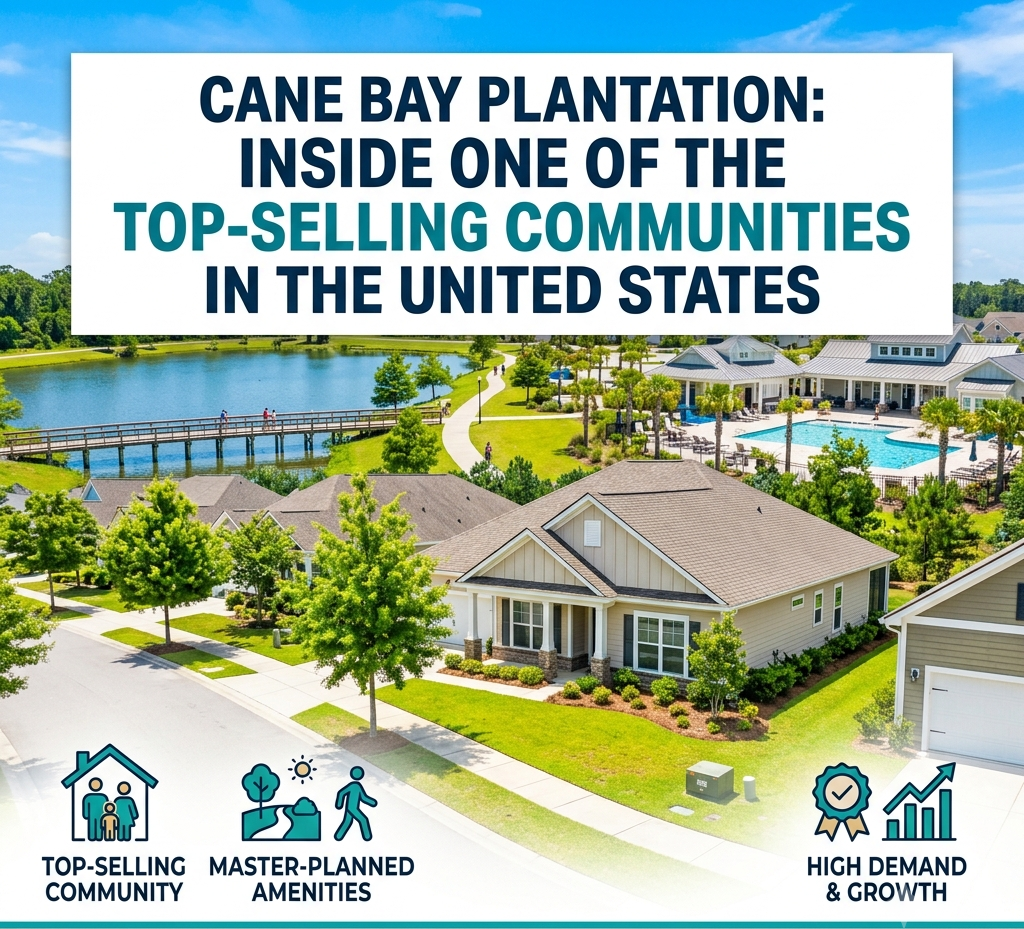
Cane Bay Plantation: Inside One of the Top-Selling Communities in the United States

Out-of-state buyers relocating to the Charleston area often ask the same question early in the search: which master-planned community offers the best mix of value, lifestyle, and long-term growth? Year after year, one name rises to the top of national rankings for new home sales. Cane Bay Plantation in Summerville has earned a reputation as one of the top-selling master-planned communities in the United States, and the appeal becomes obvious the moment you spend time there. From its scale and amenities to its location and pricing, Cane Bay continues to shape how families and retirees think about Charleston, SC real estate.

Why Cane Bay Continues to Top the National Rankings

Cane Bay Plantation is one of the largest master-planned communities in the Southeast, spanning thousands of acres in Berkeley County just outside Summerville. Its consistent ranking among the country's top-selling communities comes from a clear formula: scale, smart land planning, amenity-rich villages, school access, and a steady stream of new-home product across multiple price ranges. National builders have made Cane Bay a flagship community, which keeps the inventory pipeline strong and the buyer interest steady.

How Cane Bay Is Designed

Cane Bay is built as a collection of villages, each with its own character, builder mix, and amenity package. Some neighborhoods skew toward family-friendly active living. Others are tailored for empty-nesters and retirees, with single-story floor plans, lower-maintenance lots, and active adult amenities. This village-based design allows residents to enjoy a sense of community at the neighborhood level while still tapping into the larger Cane Bay ecosystem.

The community includes parks, pools, lakes, walking and biking trails, on-site schools, restaurants, shopping, and a YMCA-anchored fitness and recreation hub. Many residents say it feels like a small town rather than a single subdivision.

The Real Estate Mix at Cane Bay

Wide Range of Home Types

You will find townhomes and entry-level single-family homes, mid-range family homes, custom-feel patio homes, and larger executive homes throughout Cane Bay. Lot sizes, builders, and price points vary by village, giving buyers the chance to shop a wide range of options without leaving the community.

New Construction Strength

Cane Bay is dominated by new construction, which is one of the biggest reasons it consistently leads national sales rankings. Several major national builders maintain active models on-site, with incentives, design centers, and quick move-in opportunities that smooth the buying process for relocating families.

Resale Activity

Resale homes in Cane Bay continue to perform well. As the community matures, buyers increasingly weigh whether to wait for new construction or move into an established home with completed landscaping, custom upgrades, and a known HOA experience. Resale opportunities, especially in well-established villages, can be a smart way into the community.

Cane Bay Plantation Inside One of the Top-Selling Communities in the United States

Comparing Cane Bay to Other Summerville Communities

Cane Bay is not alone in Summerville's master-planned landscape. Each major community offers a different feel.

Nexton

Nexton is sometimes called the Smart City of the South, with a more urbanized village core, walkable retail, and a strong mix of innovation-focused amenities. It tends to attract slightly higher price points than equivalent Cane Bay product and has its own dedicated active adult section.

Carnes Crossroads

Carnes Crossroads is a smaller, traditionally inspired community with classic Lowcountry architecture, pocket parks, and a tight community feel. Many buyers compare Carnes to Cane Bay when looking for a more architecturally curated environment.

The Ponds

The Ponds of Summerville offers a slower, more nature-oriented vibe with extensive trails, a working farm, and a strong empty-nester section. Buyers who want a quieter alternative to Cane Bay often consider The Ponds.

How Cane Bay Compares

Cane Bay's edge lies in scale, new-construction inventory, and the breadth of price points and home types. Buyers who want maximum choice across builders, floor plans, and lot sizes consistently gravitate toward Cane Bay. Buyers who prioritize walkable urban-style village living, classic architecture, or boutique-community scale often look at Nexton, Carnes, or The Ponds.

Schools, Commute, and Practical Considerations

Schools

Cane Bay benefits from on-site Berkeley County schools, which is one of the strongest draws for families. The convenience of nearby K-12 options removes one of the biggest pain points of suburban living and contributes to long-term resale demand.

Commute to Downtown Charleston

Cane Bay sits roughly 35 miles from downtown Charleston. Most commutes use I-26 and typically run 50 to 70 minutes during peak times depending on traffic and weather. Hybrid and remote work has softened the daily commute concern for many buyers, but the trade-off should be tested before buying.

Access to Boeing, Volvo, and Major Employers

Cane Bay is well placed for employees of major employers in the Charleston metro. Many residents who work at Boeing, Volvo, the Naval Weapons Station portion of Joint Base Charleston, and area healthcare systems find Cane Bay to be a comfortable mid-point with strong housing value.

Lifestyle Inside Cane Bay

Life inside Cane Bay revolves around amenities and community. Multiple pools, lakes for kayaking and fishing, miles of walking and biking trails, a YMCA, restaurants, shops, schools, and community events keep residents close to home for daily activities. Active adult sections add tennis, pickleball, fitness centers, and packed social calendars. Family-oriented villages emphasize playgrounds, sports fields, and family-focused programming.

For buyers used to traditional, infrastructure-thin suburbs, Cane Bay's amenities can feel like a small resort.

What to Watch for Before You Buy

HOA Structures and Fees

Each village within Cane Bay may have its own additional HOA layer beyond the master association. Review the total monthly obligation, what it includes, and any planned increases or capital projects before committing.

Active Adult Restrictions

Some sections of Cane Bay are age-restricted for 55-and-better living. If you have school-age children or simply prefer a multi-generational neighborhood, confirm which sections apply.

Builder Specifics

National builders have different reputations and standards. Reading reviews, asking your Realtor for builder-specific insights, and walking model homes carefully will help you choose the right builder for your priorities and budget.

Strategy for Buyers

If Cane Bay is on your list, plan a focused visit. Tour multiple villages, talk with current residents when you can, and test the commute to your job. Compare new construction options against well-presented resale homes in established sections. A local Realtor who works Cane Bay regularly can help you navigate builder incentives, contract terms, and the long-term resale picture, which often differs from what an on-site sales agent will share. Whether you are an active adult buyer, a family relocating from out of state, or an investor considering long-term rental potential, Cane Bay offers a genuinely deep menu of options.

Key Takeaways

Cane Bay Plantation continues to top national sales rankings for a reason. The combination of scale, smart village-based planning, on-site schools, abundant amenities, and a wide range of price points and home types delivers value that is hard to match in the Southeast. Buyers shopping the Summerville area should compare Cane Bay carefully against Nexton, Carnes Crossroads, and The Ponds based on lifestyle preferences, but the underlying strength of Cane Bay's planning and pipeline keeps it among the most consistent performers in the country. With the right preparation and a knowledgeable local agent, Cane Bay can be a strong move for buyers looking to settle into the Lowcountry for the long term.

June 11, 2026

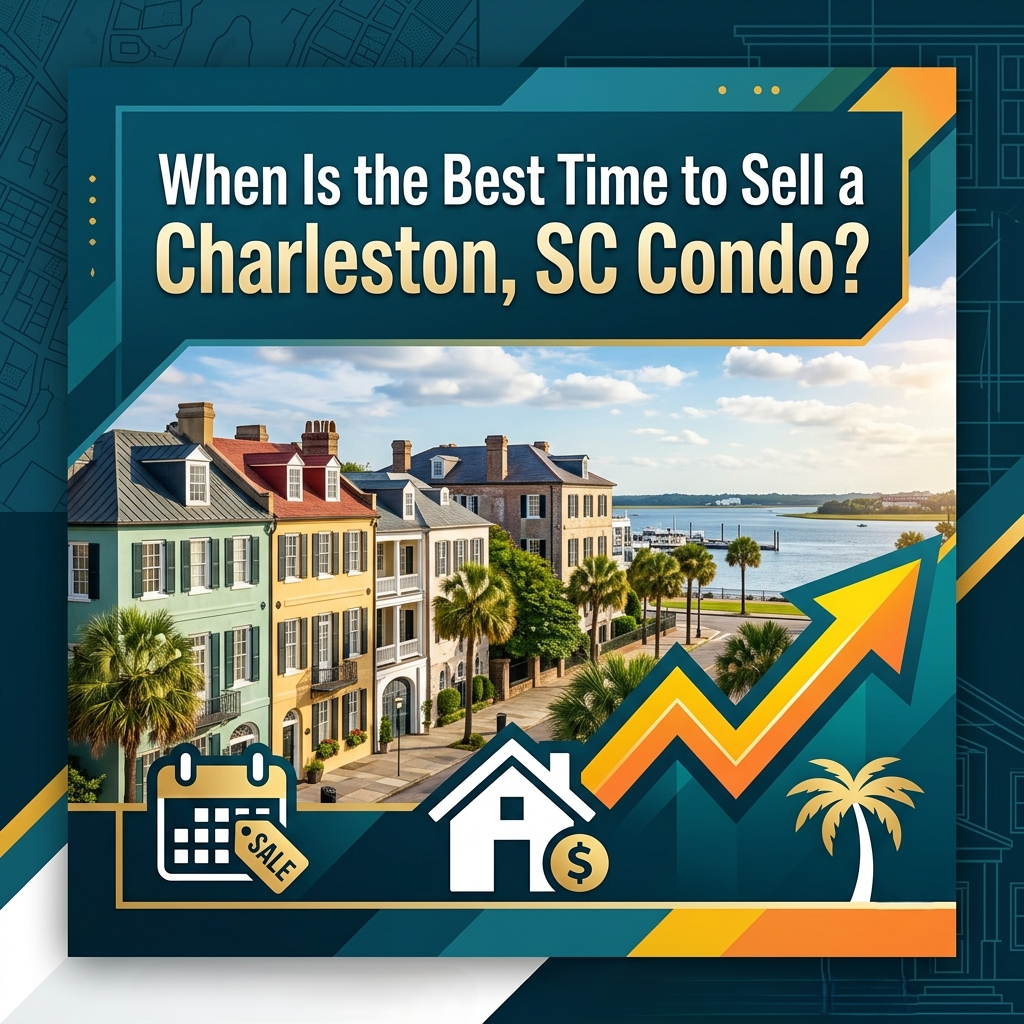
When Is the Best Time to Sell a Charleston, SC Condo?

Selling a Charleston condo is not the same as selling a single-family home. The buyer pool is different, the seasonal rhythms are different, and the market drivers are different. Whether your condo sits steps from Marion Square, in a beach-front building on the Isle of Palms, or in a tucked-away community in Mount Pleasant, the question of timing has a few extra layers worth understanding. If you are getting ready to list your Charleston condo, here is how to think about the best window to put it on the market.

Why Selling a Condo Is Different

Single-family homes in the Charleston region are driven heavily by primary-residence buyers, especially families on a school calendar. Condos, on the other hand, attract a more varied buyer pool that includes second-home buyers, vacation rental investors, retirees and empty-nesters, young professionals, and out-of-state relocators. Each of these groups searches and buys at different times of the year, which means the condo selling calendar looks different than the single-family calendar.

Condos also have HOA structures, regime fees, short-term rental rules, and parking and storage considerations that shape the buyer's decision. Buyers want clarity on these items, and a clean documentation package is just as important as the listing photos.

Understanding the Charleston Condo Buyer Pool

Second-Home Buyers

Out-of-state buyers looking for a Charleston getaway typically search during winter and early spring when they want to escape colder climates. These buyers often time their purchase around tax planning, vacation windows, and a desire to enjoy the next summer or fall season in their new property.

Vacation Rental Investors

Investors targeting short-term rental income often look in late winter and early spring so they can renovate, furnish, and list the property before peak booking season. For condo communities with established rental track records, this segment of buyers can drive serious activity in February through May.

Empty-Nesters and Downsizers

This group often shops year-round but accelerates in fall and winter when they want to be settled before the next chapter of life begins. Lock-and-leave condos in walkable neighborhoods are a perennial favorite for this audience.

Young Professionals and First-Time Buyers

Young professionals tend to buy in spring and summer, often when leases end or when career moves prompt a purchase. Affordable, urban-feeling condos near job centers and entertainment do best in this window.

The Charleston Condo Selling Calendar

Peak Window: March through June

This stretch is typically the strongest for condo sales across most segments. Second-home buyers, investors, and young professionals are all active at the same time, and the weather makes for excellent showings. Listings that hit the market well-presented in this window tend to receive the most interest and the strongest pricing.

Strong Secondary Window: September through November

Fall delivers a second meaningful surge, driven by year-end relocations, retirees and downsizers wanting to be settled before the holidays, and buyers who want to lock in a closing before any tax-year deadlines. Inventory tends to be lower this time of year, which can work in your favor.

Slower Stretches: July through August and December through February

July and August can soften as buyer focus shifts to summer travel. Hurricane season risks also factor in for coastal condos. December and January slow with holidays and weather, but second-home buyers from colder climates remain active and can deliver strong sales in luxury and lifestyle-oriented condos.

When Is the Best Time to Sell a Charleston, SC Condo

Why Location Matters Even More for Condos

Downtown Charleston Condos

Buildings in the historic district and surrounding peninsula often have year-round demand from second-home buyers, downsizers, and college-related parents and investors. Properties in established buildings like those in the French Quarter and other downtown condos benefit from steady out-of-state interest, with peaks aligning with winter visits and spring tours.

Beach Community Condos

Coastal condos like those at Wild Dunes Resort on the Isle of Palms, Charleston Oceanfront Villas, and Seaside Villas Condos on Folly Beach often see their strongest activity in late winter and early spring. Investors and second-home buyers want to be ready for summer rental season, which makes timing crucial.

Mount Pleasant and Suburban Condos

Suburban condos in communities like Tides Condos, Cambridge Lakes, and Southhampton Pointe tend to attract first-time buyers, downsizers, and military families. They typically perform best in spring through early summer, with a meaningful boost again in fall.

HOA and Regime Considerations

Condo buyers scrutinize HOA finances, regime fees, special assessments, and reserves. Sellers should have current documentation ready, including recent meeting minutes, financial statements, master insurance details, and any pending capital projects. A well-organized package builds buyer confidence and helps close deals on schedule, regardless of season. If your regime is in great financial health, lead with that. If there are upcoming assessments or capital projects, be transparent and price accordingly.

Short-Term Rental Status Affects Timing

For condos that can be rented short-term, the existing rental track record is a major selling point, especially for investor buyers. List in late winter or early spring when investors are evaluating properties for the coming season, and have detailed income, occupancy, and management information ready. For condos with longer minimum stays or strict owner-occupancy rules, the audience shifts to primary-residence and second-home buyers, which can stretch the ideal selling window into fall.

How Interest Rates Affect Condo Demand

Interest rates often impact condo buyers more sharply than single-family buyers because so many condo purchases are second homes, investment properties, or first-time buyer entry points. When rates are favorable, demand can outweigh seasonal patterns. When rates are higher, the calendar matters more, and pricing strategy becomes critical. Talk through current rate trends with your Realtor to align timing and price expectations.

Strategy for Condo Sellers

Plan ahead. Gather the HOA and regime documents well before listing. Address minor cosmetic updates that can dramatically affect photos and showings. If short-term rental income is a value driver, have a clean income and expense record ready to share. Time your listing to the most active window for your specific condo type, whether that is February through April for investor properties, March through June for primary-residence condos, or September through November for downsizer-friendly units. A local Realtor with deep condo experience will help you sequence prep, marketing, and timing for the strongest outcome.

Key Takeaways

Selling a Charleston condo successfully comes down to understanding your specific buyer pool, the unique timing windows that pool follows, and how your building's HOA, regime, and short-term rental status shape what motivated buyers want to see. The strongest peak generally runs from March through June, with a strong secondary window in the fall. Coastal investor-focused condos often peak in late winter and early spring, while downtown and downsizer-friendly condos enjoy steady year-round demand. The combination of preparation, accurate pricing, and clean documentation matters more than chasing the perfect calendar date.

Frequently Asked Questions

Is selling a condo harder than selling a home in Charleston?

Not harder, just different. Condo buyers focus on HOA finances, regime fees, parking, storage, and short-term rental status in addition to the unit itself. Sellers who prepare clean documentation and understand the right buyer pool typically have a smooth process.

When do beach condos sell best in the Charleston area?

Coastal condos, especially those with vacation rental potential, often perform best in late winter and early spring. Investors and second-home buyers want to be in place ahead of the summer rental season, which drives strong activity in February through April.

How do HOA fees and assessments affect my sale?

HOA fees and any pending or recent special assessments are some of the first questions condo buyers ask. Sellers who provide clear, current documentation and explain any assessments build trust and avoid late-stage surprises that can derail a deal.

Should I sell a Charleston condo with the rental booking calendar in place?

For short-term rental condos, often yes. A condo with established bookings and a strong rental history is more attractive to investor buyers and can support a stronger price. Make sure all bookings and contracts are clearly disclosed to your Realtor.

How long should I prepare before listing my Charleston condo?

Plan for 30 to 60 days minimum, longer if cosmetic updates are needed or HOA documentation needs to be requested. Preparation is the single biggest factor in how smoothly the sale will go.

Greg Harrelson is a seasoned Realtor® with more than 30 years of experience serving the Carolina markets. As the founder of Century 21 The Harrelson Group, Greg has built his career helping buyers, sellers, and investors achieve success in every corner of the coastal Carolina real estate market. His expertise spans residential homes, investment properties, land development, and coastal condos. Known for his deep local knowledge, innovative marketing strategies, and commitment to personal service, Greg consistently helps clients reach their real estate goals while navigating the ever-changing market with confidence and precision.
Posted in For Sellers
June 10, 2026

When Is the Best Time to Sell My Charleston, SC Home?

Every Charleston homeowner thinking about selling asks the same question early in the process: when is the best time to list? It is a smart instinct. Timing affects how quickly your home sells, how many offers you receive, and ultimately, the price you walk away with. The truth is that the best time to sell in the Charleston area depends on several layers, from the calendar and weather to your specific neighborhood and home type. Whether you own in Old Village, a Summerville master-planned community, or somewhere in between, here is how to think about timing your sale of Charleston, SC real estate.

Why Timing Matters in the Charleston Market

The Charleston region has clear seasonal rhythms. Buyer activity rises and falls with the weather, the school calendar, hurricane season, snowbird migration, and even the local festival calendar. A home listed during the right window tends to sell faster, attract more offers, and command stronger pricing than the same home listed in a slower period. Layered on top of seasonality, broader market conditions like interest rates, inventory levels, and economic confidence can amplify or soften the calendar effect. Smart sellers think about both.

The Charleston Selling Calendar at a Glance

Late Winter and Early Spring (February through April)

This is when the Charleston market wakes up. Out-of-state buyers start their searches, snowbirds in the area decide to put down permanent roots, and locals who have been waiting for warmer weather start touring. Inventory is still building, which means well-prepared, well-priced homes get strong attention. Listing in late February through April often delivers some of the best results of the year, especially for move-up family homes near top schools.

Late Spring and Early Summer (May through July)

This is the peak window for the Charleston market. Buyer activity is highest, family moves cluster around the school calendar, and tourists falling in love with the area often start serious searches. Competition among buyers is at its highest, which usually pushes pricing in the seller's favor. The trade-off is that inventory is also at its highest, which can mean the homes that stand out are the ones that show beautifully and are priced realistically.

Fall (September through November)

Many sellers assume the market dies after Labor Day, but in Charleston, fall is one of the more underrated selling windows. Serious buyers remain active, motivated to be settled before the holidays. Less inventory means well-presented homes face less competition. Weather is excellent for showings and inspections, and the broader market environment, including any year-end relocations, often supports strong negotiations.

Winter (December and January)

This is the slowest stretch for most of the local market. Showings slow, holiday distractions take over, and many sellers wait to list. However, the buyers who are looking during these months tend to be very serious. They are often relocating for a job, motivated by a closing window, or actively looking for less competition. In certain segments, including luxury and second-home markets, winter can deliver surprisingly strong results.

Local Factors That Shape the Best Time to Sell

Hurricane Season

Atlantic hurricane season runs from June through November, with peak storm activity typically late August through October. When a named storm threatens the coast, insurance carriers may temporarily pause new policy binding, which can stall closings. Selling earlier in the summer or pushing into late fall once peak storm activity has passed reduces this risk.

Out-of-State Buyer Patterns

Charleston attracts buyers from all over the country, especially the Northeast and Midwest. Many out-of-state buyers tour Charleston in spring during vacation windows, return in summer for serious shopping, and target fall and early winter for closings before year end. Aligning your listing with that flow helps put your home in front of more relocating buyers.

The School Calendar

Families with school-aged children typically want to be moved before the next school year starts. That drives a clear surge in spring listings and summer closings, particularly in neighborhoods with strong school assignments. If your home appeals to families, listing in March or April puts you in front of this audience at the right time.

Snowbirds and Second-Home Buyers

Snowbirds visiting the Lowcountry from late fall through early spring often start second-home shopping during their trips and circle back for closings later in the year. This is one reason late winter listings can perform well, especially in segments like beach homes, in-town condos, and golf community properties.

How Market Conditions Override the Calendar

Even in the strongest season, an out-of-line listing will sit. Even in the slowest season, a great home priced strategically will move. Interest rates, inventory levels, and broader buyer confidence can amplify or mute seasonal patterns. When rates are favorable and inventory is low, the calendar matters less. When rates are higher and supply is plentiful, the calendar matters more. A good local Realtor will help you weigh both before you settle on a listing date.

How Your Neighborhood Affects the Best Time

Charleston is not one homogenous market. Different neighborhoods have different buyer rhythms.

Family-Driven Neighborhoods

Communities like Park West, Hamlin Plantation, and Cane Bay Plantation attract a heavy share of family buyers. These neighborhoods typically peak in late spring and early summer when families want to close in time for the next school year.

Empty-Nester and Downsizer Neighborhoods

Areas popular with retirees and downsizers, like the Ponds of Summerville or Old Village in Mount Pleasant, tend to have steadier demand throughout the year and stronger interest from out-of-state buyers in winter and early spring.

Investment and Vacation Rental Neighborhoods

Areas like Folly Beach and Isle of Palms often peak in winter and early spring when out-of-state second-home and investment buyers are actively shopping for the upcoming rental season.

Please create an image with this title in the center, high-contrast Facebook ad layout, centered headline text, 1:1 or 4:5 aspect ratio for Facebook performance: Please also remove call-to-action button. When Is the Best Time to Sell My Charleston, SC Home?

How Your Home's Specific Features Affect Timing

Homes with strong outdoor space, mature landscaping, water views, or pool features tend to show best in spring and early summer. Homes with cozy interiors, fireplaces, and finished basements can show beautifully even in cooler months. If your home has standout features, lean into them when timing your listing. If your home needs minor updates, consider taking the time to complete them and aiming for a spring or fall launch with a clean, move-in-ready presentation.

When Personal Timing Outweighs the Calendar

Life does not always follow the housing calendar. A job relocation, a growing family, a divorce, a downsizing decision, or a financial change can make selling now the right move even if it is not the absolute peak window. A good Realtor will tailor your strategy to your situation. With smart staging, sharp pricing, and a strong marketing plan, almost any time of year can deliver a successful sale.

Strategy for Sellers

The best results come from preparation, not from waiting for a magical date. Start the process at least 60 to 90 days before you want to list. Address deferred maintenance, schedule a pre-listing inspection if appropriate, deep clean and declutter, and meet with a local Realtor to discuss pricing and marketing. By the time you officially launch, your home is ready to make the strongest possible first impression on whatever buyer pool is most active for your specific home and neighborhood.

Key Takeaways

  • - The Charleston selling calendar generally peaks late spring through early summer, with strong secondary windows in late winter, early spring, and fall.
  • - Hurricane season, the school calendar, out-of-state buyer patterns, and snowbird activity all shape the local rhythm.
  • - Broader market conditions, including interest rates and inventory, can amplify or soften seasonal trends.
  • - Neighborhood matters. Family-driven communities, downsizer favorites, and vacation rental areas each have different timing sweet spots.
  • - Preparation and pricing matter more than choosing the perfect week. A well-prepared listing can succeed almost any time of year.

Frequently Asked Questions

What month do homes sell fastest in Charleston?

April, May, and June typically deliver the fastest sales in most Charleston-area neighborhoods, driven by family buyers, out-of-state relocations, and peak buyer activity. Specific neighborhoods, especially family-friendly ones with strong schools, often see their busiest activity in this window.

Should I avoid listing during hurricane season?

Not necessarily, but plan around it. Most of June and early July are still strong selling months. Closer to peak storm activity in late August and September, line up insurance and lenders early in case a named storm threatens binding restrictions.

Is it bad to sell in winter in Charleston?

Not at all, especially for second-home or investment-oriented properties. While volume slows, the buyers who are looking in winter are often serious, motivated, and ready to act. Inventory is also lower, which can work in a seller's favor.

How does my neighborhood affect the best time to sell?

Family-driven neighborhoods peak with the school calendar. Downsizer neighborhoods often have steadier demand throughout the year. Beach and investment areas may peak in winter and early spring when second-home buyers are most active. A local Realtor can pinpoint the right window for your specific area.

How long should I prepare before listing?

Plan for at least 60 to 90 days of preparation if possible. That gives you time to handle minor repairs, declutter, professionally clean, and put together a strong pricing and marketing plan with your Realtor before launching.

Greg Harrelson is a seasoned Realtor® with more than 30 years of experience serving the Carolina markets. As the founder of Century 21 The Harrelson Group, Greg has built his career helping buyers, sellers, and investors achieve success in every corner of the coastal Carolina real estate market. His expertise spans residential homes, investment properties, land development, and coastal condos. Known for his deep local knowledge, innovative marketing strategies, and commitment to personal service, Greg consistently helps clients reach their real estate goals while navigating the ever-changing market with confidence and precision.
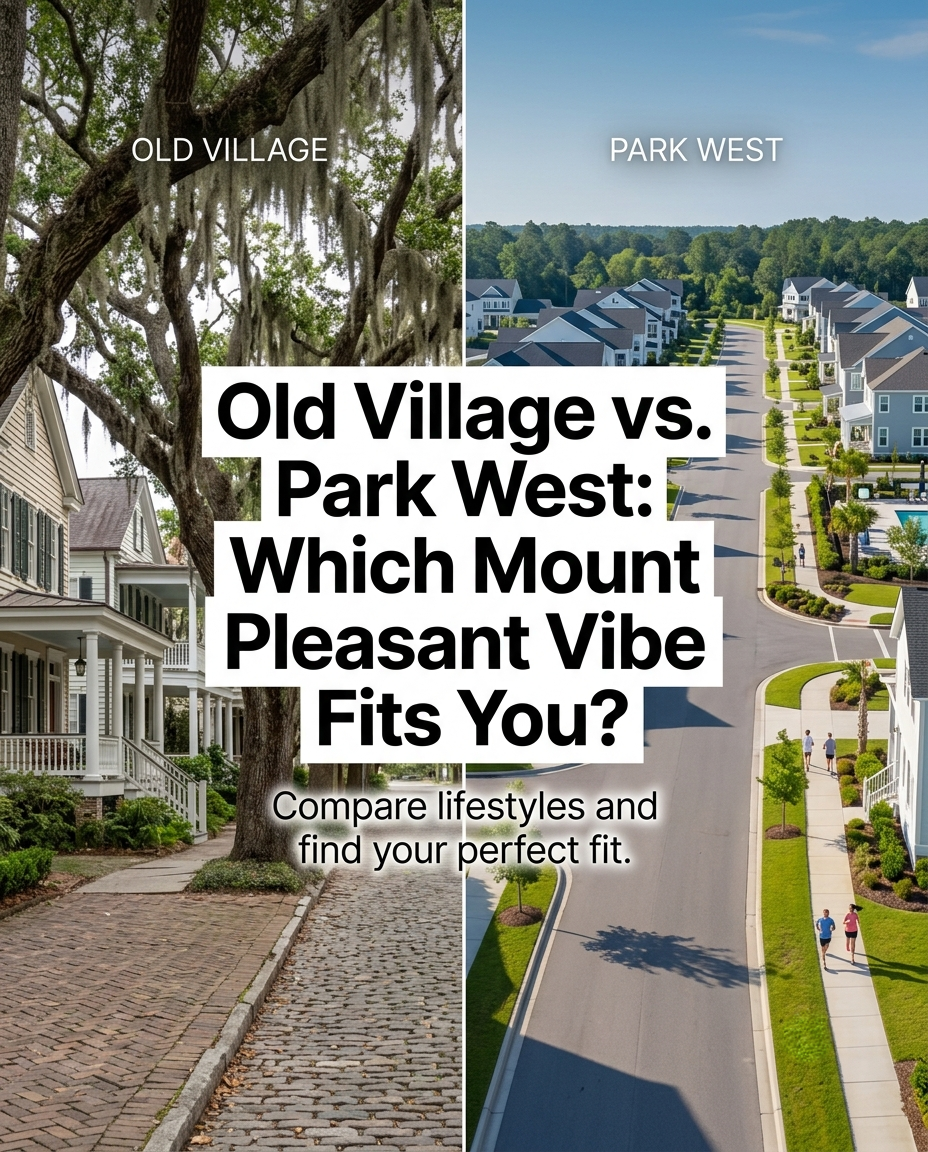
Posted in For Sellers