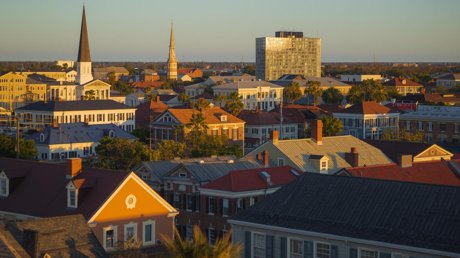
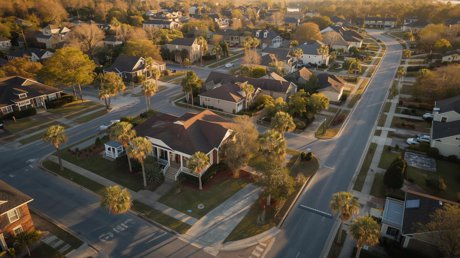
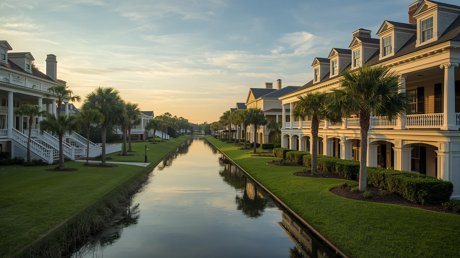
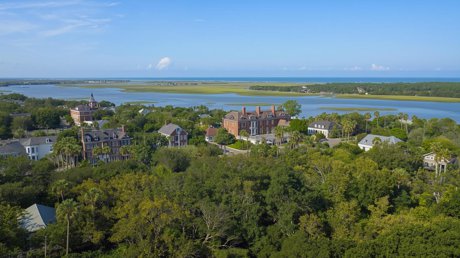
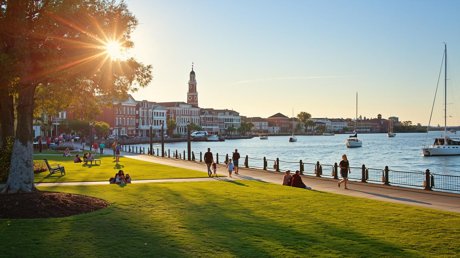
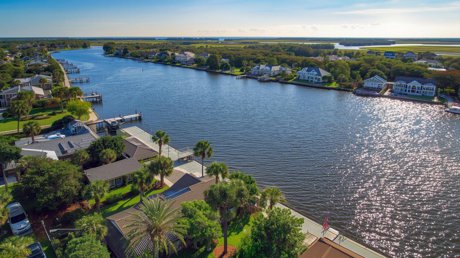
Welcome to our Charleston Real Estate Blog!

We will use this space to show our newest listings of available properties for sale in Charleston, Summerville, Mount Pleasant, and the islands. If you see something you like, call or contact us quickly to get your dream home in Charleston SC!

Dec. 17, 2025

A Guide to HOA Communities in the Charleston, SC Region

What Homebuyers, Sellers & Investors Need to Know

If you’re considering buying, selling, or investing in real estate in the Charleston, South Carolina region, understanding Homeowners Association (HOA) communities is essential. HOAs play a significant role in many neighborhoods throughout the area — governing community standards, maintaining shared amenities, and ultimately influencing home values. This guide breaks down what you need to know about HOA living in Charleston so you can make informed housing decisions.

What Is an HOA Community?

A Homeowners Association (HOA) is a nonprofit organization formed to manage a planned community or condominium complex. Membership is mandatory for homeowners in the development and funded through regular dues, which are used to maintain common areas and enforce community standards.

In Charleston, HOAs range from small neighborhood associations focused on landscaping and basic upkeep to large, master-planned communities with resort-style amenities.

Why HOAs Matter in Charleston’s Real Estate Market

HOAs can have a significant impact on property value, resale appeal, and the lifestyle of residents:

  • Preserved Aesthetics & Property Values

HOAs enforce rules on exterior home appearance, landscaping, and property maintenance to create a consistent look across the neighborhood — which helps protect curb appeal and home values over time.

According to data from the Community Associations Institute, homes in HOA communities generally sell for at least 4% more than comparable homes not governed by an association.

  • Amenities & Shared Services

Many Charleston area HOAs offer desirable amenities such as community pools, clubhouses, fitness centers, walking trails, and playgrounds. The association fees fund not only upkeep of these amenities but also services like landscaping, exterior maintenance, and trash collection — reducing the need for individual service contracts.

  • Conflict Resolution & Community Standards

HOAs often provide formal procedures for addressing disputes and setting neighborhood standards, which can make communities more harmonious and appealing over the long term.

Understanding HOA Fees in the Charleston Region

One of the most important aspects of HOA living is understanding HOA fees and assessments:

Typical Fee Ranges

HOA fees vary widely based on community size and amenities offered. In South Carolina, homeowners pay an average of about $94 per month, though some neighborhoods — especially those with extensive amenities or condo regimes — may be significantly higher.

Some Charleston associations have annual dues that range from a few hundred dollars to several thousand per year, depending on what’s included — common area maintenance, exterior insurance, or even termite bonds for condos.

Special Assessments

Beyond regular dues, HOAs can levy special assessments for large projects such as roof replacements or major landscaping improvements. These can be unexpected and may catch buyers off guard if they’re not disclosed prior to purchase.

Tip for Buyers: Always ask for the HOA’s reserve study — a planning document that shows how prepared the association is for future repairs — before closing a home purchase.

Pros and Cons for Buyers & Investors

Benefits

  • Stable Neighborhood Look & Feel: Enforced standards help maintain property values and community appeal.
  • Amenities and Services: Shared resources enhance lifestyle and can be cost-effective versus private ownership of amenities.
  • Potential for Higher Resale Value: Well-managed HOAs often result in stronger demand from buyers.

Challenges

  • Ongoing Costs: HOA fees are an added monthly or annual expense.
  • Rules & Restrictions: HOAs regulate everything from paint colors to landscaping; this can be limiting for some owners.
  • Complaints & Governance Issues: The South Carolina Department of Consumer Affairs recently reported a rise in HOA complaints related to covenant enforcement and maintenance issues — including in Charleston County.

Tips for Buyers, Sellers & Investors

For Buyers:

  • Review the HOA Documents Carefully: Understand rules, fees, reserves, and past special assessments.
  • Factor Fees into Your Budget: Don’t overlook HOA dues when calculating your monthly housing payment.
  • Understand What’s Included: Some associations cover more (like exterior insurance or pest control), while others are basic.

For Sellers:

  • Disclose HOA Information: Providing clear documentation about fees and amenities can boost buyer confidence.
  • Highlight Community Benefits: Strong HOA management can be a selling point — especially for buyers seeking low-maintenance living.

For Investors:

Evaluate Fee Impact on Renters: High HOA dues can affect rental income and tenant interest, especially for condos or townhomes.

Check Rental Restrictions: Some HOAs limit short-term rentals or impose other rental caps — critical for investment strategy.

Final Thoughts

HOA communities are a defining feature of the Charleston real estate landscape. They offer a blend of maintenance-free living, shared amenities, and value protection — but they also come with fees and regulations that require careful consideration.

Whether you’re buying your first home, selling a property, or evaluating an investment, understanding the ins and outs of HOA living in Charleston can give you a competitive edge in this dynamic market.
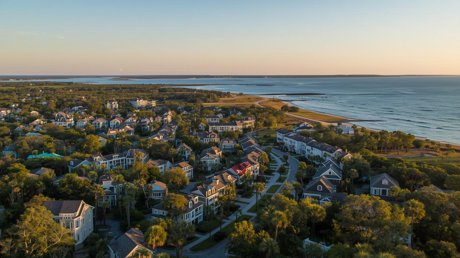
Posted in For Buyers, For Sellers
Dec. 4, 2025

Charleston, SC Investment Properties: Best Neighborhoods for ROI

If you’re looking to invest in real estate in Charleston, SC — whether as a long-term rental, a short-term/vacation rental, or a buy-and-hold for appreciation — it helps to know which neighborhoods currently offer the best return on investment (ROI). In this guide, I’ll break down the top-performing neighborhoods as of 2025, what makes them attractive, and how different investor goals (cash flow, appreciation, vacation rental income) align with each.

Why Charleston Remains a Strong Investment Market

  • Charleston combines historic charm, growing employment opportunities, and a booming tourism industry — a mix that supports both long-term renters and vacation short-term renters.
  • The broader metro area continues to see steady home-value appreciation. Some recent data estimate median home prices in many parts of Charleston around the mid $300,000–$600,000 range depending on neighborhood, making it possible to match budgets to goals.
  • Demand drivers — tourism, millennials and retirees drawn to climate and lifestyle, and families seeking stable communities — keep rental demand strong across varied neighborhoods.

Given this backdrop, let’s look at where you might find the best ROI depending on what kind of investment you want.

Top Neighborhoods for Investors in Charleston (2025)

Mt. PleasantMount Pleasant, SC — Premium Appreciation & Stable Rentals
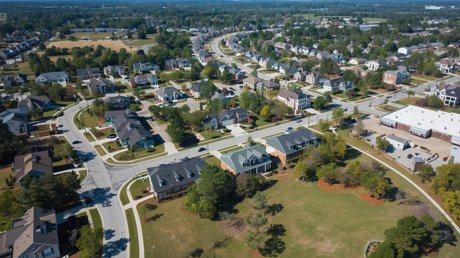
  • Mount Pleasant remains one of the most competitive submarkets in Charleston. Homes here are often priced at the higher end, but demand remains robust, especially among families and professionals.
  • The area’s combination of good schools, safe neighborhoods, proximity to beaches/amenities, and easy access to downtown makes it an attractive choice for long-term rental investors seeking stable tenants and appreciation over time.
  • For investors comfortable with higher capital outlay, this neighborhood is often regarded as a “premium performer.”

Best for: Investors seeking long-term appreciation and stable cash flow with less risk.

Park Circle / North Charleston, SC — Affordable Entry + Growth Potential

  • Park Circle (in North Charleston) continues gaining momentum: revitalization, a growing town-center vibe, and renewed demand for updated homes make it appealing.
  • For investors looking for more affordable entry points compared with high-end suburbs, this area offers an accessible way to benefit from Charleston’s broader growth without the high costs.
  • Because of the ongoing urban/suburban revitalization, this neighborhood may offer outsized appreciation potential over time as demand increases.

Best for: Investors on a moderate budget seeking value, growth potential, and appreciation upside.

West Ashley, SC — Affordable Suburban Option with Rental Demand

  • West Ashley is often cited as a pragmatic choice for investors seeking affordability while still offering good access to downtown Charleston and key amenities.
  • It appeals to families and professionals who commute downtown while desiring a more suburban, family-friendly vibe — making long-term rentals here more predictable.
  • Because entry prices are lower than prime coastal or downtown zones, West Ashley offers a more accessible way to participate in Charleston’s growth without overextending cash flow.

Best for: Investors seeking rental stability and affordability, especially those targeting young families or long-term tenants.

SummervilleSummerville, SC — Suburban Growth, Affordability & Family Appeal
  • Summerville is increasingly recognized as a growing suburban star — offering a balance of affordability, amenities, and lifestyle that appeals to families and long-term renters.
  • With lower entry price points relative to coastal or downtown neighborhoods, Summerville presents a lower-risk option for first-time investors or those focusing on cash flow and consistent demand.
  • As development continues and infrastructure expands, the area’s long-term value-growth potential increases, making it a solid buy-and-hold candidate.

Best for: Investors looking for suburban entry-level investments with stable appreciation potential and family-oriented rental demand.

Folly Beach, SC & Coastal / Beach-Proximate Zones — Short-Term Rental / Vacation-Income Potential

  • For investors targeting vacationers, vacation-rental demand, or seasonal income — Folly Beach and similar coastal areas remain high on the list.
  • The tourism draw, beach lifestyle, and lifestyle amenities tend to produce higher nightly or short-term rental rates compared with traditional long-term rentals.
  • However — and this is critical — you must carefully assess local regulations, permitting requirements, and the higher costs (purchase price, maintenance, insurance) that come with coastal or beachfront property.

Best for: Investors looking for vacation rental income or willing to ride seasonal demand — but must be experienced with STR regulations and cash flow volatility.

Important Considerations & Challenges

  • Coastal and historic neighborhoods often come with higher purchase prices and maintenance costs, sometimes reducing net yield despite high gross rents.
  • If you’re considering short-term rentals (STRs), you must carefully navigate local regulations, zoning rules, and permit requirements. Some coastal and historic zones are more strictly regulated.
  • Rental demand and yield vary significantly depending on property condition, proximity to amenities, and tenant-type (families vs vacationers). Market research and property management matter a lot.
  • For appreciation-focused investing, timing and local market cycles matter — even top neighborhoods can plateau.

Conclusion: Charleston Still Offers Diverse Investment Opportunities — If You Pick Wisely

Charleston’s real estate market remains robust and diverse in 2025. Whether you’re after long-term appreciation, steady rental income, or vacation-rental yield, there’s a neighborhood that fits your investment strategy.

  • For stability and equity growth, neighborhoods like Mount Pleasant, West Ashley, and Summerville deliver good balance.
  • For value plays and upside potential, consider Park Circle / North Charleston.
  • For STR or vacation-rental income, coastal zones like Folly Beach offer high potential — but only if you navigate regulations and manage costs carefully.

The key is to align your budget, risk tolerance, and investment horizon with the right neighborhood type.

Posted in For Buyers, For Sellers
Nov. 28, 2025

Top Home Improvements That Increase Property Value in Charleston, SC

Whether you’re preparing to sell, want to maximize rental income, or simply want your home to appreciate more over time — smart renovation and upgrade choices can make a big difference. In Charleston’s competitive Lowcountry real-estate market, certain home improvements stand out because they deliver strong returns on investment (ROI), appeal to buyers’ tastes, and accentuate the distinctive charm of local homes.

Why Local Context Matters

Charleston’s neighborhoods, historic districts, and coastal-Lowcountry aesthetic mean that buyers often favor homes that combine classic charm with practicality and modern comfort. First impressions — both exterior and interior — weigh heavily. Because of this, relatively modest but well-chosen upgrades can pay off exceptionally well. Local real estate professionals and contractors consistently report that exterior improvements and curb-appeal upgrades lead the ROI charts in Charleston.

Here are the top home improvements to prioritize if you want to increase property value in Charleston.

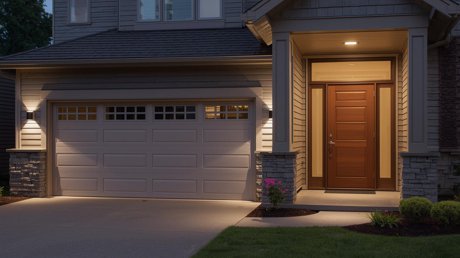
Garage Door & Front/Entry Door Replacement

Highest-Impact Upgrades for Charleston Homes

1. Garage Door & Front/Entry Door Replacement — Big Impact, Low Cost

  • According to recent data for Charleston, replacing an old garage door often yields an ROI of ~180%.
  • Similarly, upgrading to a new steel front (entry) door shows ROI around 160–198%.
  • These upgrades deliver immediate curb appeal and strong first impressions — essential in a market where buyers make judgments before they even step inside.

Key takeaway: Among all renovation types, exterior door upgrades (garage or front door) offer some of the highest returns per dollar spent — making them hard to beat.

2. Exterior Facade & Siding Upgrades (Including Stone Veneer, Siding, Trim, Paint)

  • Installing a manufactured stone veneer on the front facade may yield ROI of 129% in Charleston.
  • Replacing worn siding especially with fiber-cement siding also delivers strong ROI: typically, 8095% when properly done.
  • These exterior improvements dramatically enhance a home's curb appeal and often add a perceived sense of permanence, quality, and upkeep, which is especially valued in historic or older neighborhoods common in Charleston.

Key takeaway: Exterior “face-lift” upgrades are among the most cost-effective ways to boost value particularly useful if the home’s exterior looks dated.

3. Minor Kitchen Remodel / Kitchen Refresh

  • A mid-range kitchen refresh (new countertops, updated cabinetry or hardware, refreshed lighting/fixtures) remains one of the top interior upgrades with good ROI.
  • In Charleston, locally informed guides cite minor kitchen remodels as recouping up to ~80% of their cost.
  • The key: avoid overly personalized, ultra-high-end renovations such lavish, “designer-level” kitchens often do not translate to proportional increases in sale price.

Key takeaway: Kitchen refreshes offer strong value especially when updated to a clean, modern, broadly appealing style rather than ultra-custom tastes.

4. Bathroom Renovations Balanced Value & Buyer Appeal

  • A mid-range bathroom renovation (new fixtures, updated tile, modern finishes, perhaps dual vanities or walk-in shower) typically returns 7075% of cost in Charleston.
  • Bathrooms are among the most scrutinized rooms by buyers an outdated or badly maintained bathroom can significantly reduce perceived value. Conversely, a clean, updated bath tends to “seal the deal.”

Key takeaway: Bathroom upgrades are a stable, reliable investment they may not yield 150%+ ROI, but they consistently deliver programs buyers expect (modern comforts, cleanliness, functionality).

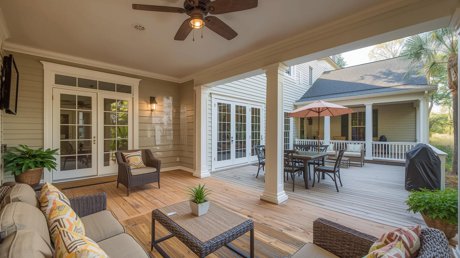
Deck Patios5. Outdoor Living Spaces, Decks, Patios & Landscaping Charleston-Style Living Appeal

  • In Charleston’s climate and culture, outdoor living resonates decks, patios, screened porches or landscaped yards add lifestyle value.
  • Outdoor additions or upgrades may not always deliver the highest pure ROI by cost, but they significantly increase property desirability especially for families, investors, or buyers who value entertainment and coastal-Lowcountry living vibes.

Key takeaway: Outdoor spaces “sell the dream” if done well, they can differentiate a property in Charleston’s market and drive buyer interest.

Strategic Advice for Buyers, Sellers, and Investors

  • For sellers preparing to list soon: Prioritize high-ROI, low-to-mid cost improvements like garage/front door replacement, siding/stone veneer, and minor kitchen or bathroom refreshes. These upgrades maximize resale value while minimizing upfront cost.
  • For investors aiming to flip or rent: Exterior upgrades plus updated kitchens/bathrooms and outdoor living spaces will make properties more appealing to tenants or resale buyers. The combination of curb appeal and modern functionality tends to attract quality renters/buyers.
  • For buyers planning to live in the home: Consider upgrades that increase comfort and durability (like siding, energy-efficient windows, updated bathrooms) even if ROI is modest, they pay back over time through lower maintenance, better aesthetics, energy savings, and increased home satisfaction.
  • Avoid over-personalization or ultra-luxury features if your goal is resale: Custom, high-end kitchen or bath renovations often don’t pay off proportionally; many experts suggest sticking with clean, classic and broadly appealing finishes.

Charleston-Specific Considerations

  • In Charleston, exterior upgrades facade, siding, door, curb appeal consistently top local ROI lists.
  • Because of the city’s historic districts, coastal style, and Lowcountry lifestyle appeal, homes that combine traditional charm with updated functionality tend to succeed. This makes a balanced approach (exterior + interior + outdoor living) especially effective.
  • Market trends in Charleston reflect national patterns but are amplified by local preferences: buyers want move-inready homes with minimal immediate maintenance or obvious deferred upkeep.

Conclusion

If you’re buying, selling, or investing in Charleston, SC smart home improvements can significantly boost your property’s value. The most cost-effective and value-lifting renovations tend to be exterior upgrades (garage door, entry door, siding or facade), modest but tasteful kitchen and bathroom updates, and outdoor living enhancements.

Posted in Tips and DIY
Nov. 19, 2025

Why So Many People Are Relocating to Charleston, South Carolina

Charleston, South Carolina — with its cobblestone streets, pastel-colored historic homes, and warm Lowcountry hospitality — is more than just a charming tourist destination. Over the past several years, it has emerged as a magnet for homebuyers, sellers, and investors alike. But what's truly fueling this relocation boom? Here’s a look at the top reasons people is flocking to Charleston — and what that means for the real estate market.

1. Strong Population Growth & Inbound Migration

  • Rapid Growth: The Charleston metropolitan area has seen its population grow three times faster than the national average.
  • Net In-Migration: In 2023, South Carolina saw a net gain of residents, according to Consumer Affairs and Charleston is one of the places driving that trend.
  • Daily Influx: Reports suggest that more than 30 people move into the Charleston region every day.

Implication for Real Estate: For sellers, this sustained demand means strong buyer competition. For buyers, especially long-term ones, Charleston still offers upside but inventory is tightening.

2. A Diversifying, Resilient Economy

Charleston’s economy is no longer just about tourism though that remains a major component. The city has made deliberate strides toward diversification:

  • Industries Driving Growth: Key sectors include aerospace, automotive manufacturing, technology life sciences, and healthcare.
  • Port & Logistics Hub: The Port of Charleston is one of the top container terminals in North America making the city globally significant.
  • Retail Demand: Charleston’s retail market is booming, with first-quarter 2025 vacancy rates and strong absorption of new space.

Implication for Investors: The stability and diversity of Charleston’s economy make it attractive for long-term investment. The demand for retail space, especially experiential retail, remains strong. For residential investors, job growth supports both rental demand and home price appreciation.

Historic Charm and Modern Appeal3. Lifestyle & Quality of Life — A Blend of Historic Charm and Modern Appeal

One of the biggest drivers of relocation is Charleston’s unique quality of life. Here’s what people love:

  • Historic Culture: With well-preserved architecture, cobblestone streets, and rich history, the city feels like a living museum.
  • Scenic Coastal Living: Residents are just a short drive away from Folly Beach, Sullivan’s Island, Isle of Palms, and other Lowcountry destinations.
  • Walkable Neighborhoods: The peninsula’s population is growing again in 2020 to 2025, according to city planning data.
  • Culinary & Cultural Scene: Charleston boasts a nationally recognized food scene, boutique shopping, art, and festivals.

Implication for Buyers (Especially Lifestyle-Driven Buyers): For many newcomers, the appeal is as much about livability as it is about financial opportunity. If buyers prize walkability, culture, and coastal living, Charleston is a top contender.

4. Remote Work & Changing Housing Preferences

  • The rise of remote work has fueled migration to lifestyle-rich cities like Charleston. Professionals are relocating from higher-cost, high-density markets to enjoy more space, lower stress, and a better quality of life.

  • New housing trends: Many buyers now want homes with dedicated office space, outdoor areas, and community amenities rather than just proximity to a traditional tech hub.

Implication for Sellers & Developers: Properties designed for remote work and suburban comfort especially in well-connected neighborhoods are highly attractive. For developers, mixed-use and multi-family projects in walkable neighborhoods are gaining strong interest.

5. Investment Potential: Real Estate Demand + Tourism

  • Short-Term Rental Demand: Charleston’s tourism continues to thrive. According to a retail report, nearly million visitors came to the region in 2024, contributing to billion annual economic impact.
  • Retail & Mixed-Use: Strong retail fundamentals, low vacancy, rising rents all signs that the city’s growth isn’t just residential.
  • Long-Term Appreciation: With constrained supply, increasing buying pressure, and strong local demand, properties in Charleston are likely to appreciate.

Implication for Investors: Whether you're interested in single-family rentals, short-term vacation properties, or retail / mixed-use real estate, Charleston offers multi-faceted opportunities. The high foot traffic from tourists supports STRs; meanwhile, job growth underpins long-term residential demand.

6. Affordability Relative to High-Cost Markets (But Not Without Challenges)

  • Lower Cost Compared to Big Coastal Cities: While Charleston’s cost of living is higher than many parts of South Carolina, it remains more affordable than major metros in the Northeast or California.
  • Workforce Housing Need: That said, rapidly rising prices have put pressure on affordable housing. Local reports and housing authorities note a growing gap in workforce housing.
  • Flood Risk: A significant caveat — Charleston is increasingly vulnerable to flooding and sea level rise. Some neighborhoods, particularly on the peninsula, face chronic flood risk, and climate mitigation is becoming a key concern for both homeowners and investors.

Implication: Buyers and investors must do their homework. For many, the upside in Charleston outweighs potential risks but flood zones, insurance costs, and long-term sustainability are real considerations. Sellers in flood-prone areas might highlight resilience strategies (e.g., elevated homes).

7. Strategic Location & Infrastructure Strength

  • Transport & Access: The Port of Charleston strengthens the city’s global connectivity, while added flight routes and improved infrastructure continue to support growth.
  • Sustainable Development: As the city grows, planning is increasingly focused on flood mitigation, climate resilience, and smart infrastructure.
  • Retail Momentum: Developers are adding retail space, and Q1 2025 data shows strong absorption and rents for prime commercial corridors.

Implication for Long-Term Investors: Infrastructure investment supports both residential and commercial real estate prospects. Longer-term buyers can capitalize on both the lifestyle draw and functional resilience of the region.

Final Thoughts: What This Means for Different Real Estate Players

  • For Homebuyers: Charleston offers a compelling mix of lifestyle, culture, job opportunity, and potential appreciation. While competition is strong and prices are rising, buyers who are prepared — especially those seeking homes with work-from-home appeal — can find exceptional value.
  • For Sellers: Whether you own a historic downtown property or a suburban family home, now is a favorable time. The high demand and influx from out-of-state buyers are pushing prices up.
  • For Investors: From short-term rentals to mixed-use developments, Charleston’s market is rich with opportunity. The dual driver of tourism and population growth supports diverse investment strategies. But mindful investing means evaluating flood risk, insurance, and long-term sustainability.
Posted in For Buyers, For Sellers
Nov. 11, 2025

Top Retirement Communities in Charleston, South Carolina

If you’re exploring retirement or 55+ living options in the Charleston, South Carolina region whether as a buyer looking for your next home, a seller considering how your property fits this market, or an investor targeting active-adult housing then this guide is for you. The low country offers a unique mix of coastal lifestyle, favorable tax policy, strong amenities and both age-restricted and amenity-rich communities. Here’s what you need to know and which communities are leading the way.

Why Charleston Makes Sense for Retirement Living

Before diving into specific developments, it helps to understand why the greater Charleston area continues to draw retirees and active adults:

  • Healthcare & infrastructure: The region boasts strong medical access with institutions like MUSC Health University Medical Center and Roper Hospital, making Charleston a strong choice for aging adults who want access to quality healthcare.
  • Tax benefits: For South Carolina residents age 65 and older, Social Security income is not taxed and up to $15,000 of other retirement income is deductible.
  • Lifestyle & amenities: From mild coastal climate to beach and golf access, Charleston combines low country charm with a socially active retirement lifestyle. For example, many 55+ communities now focus on amenities like walking trails, social clubs and wellness Centre's rather than just “retirement care.”
  • Growing demand and housing dynamics: According to the most recent housing market analysis, the Charleston-North Charleston metropolitan area’s median age increased from 35.5 in 2010 to 38.3 in 2021, reflecting a gradually ageing household base.

Given these fundamentals, there are strong opportunities in both buying and positioning properties for the 55+ market. That said, like any market, there are trade-offs (e.g., rising home prices, limited resale inventory in some communities) that you’ll want to keep in mind.

What to Look for When Choosing (or Marketing) a Retirement Community

Whether you’re buying or selling, or advising investors, pay attention to these key criteria:

  1. Age restriction and community type – Some communities are strictly 55+ or “active adult,” others are all-ages but heavy on amenities. Make sure the restriction (if any) aligns with your target buyer or resident.
  2. Amenities & maintenance for an active retirement lifestyle, features like fitness Centre's, indoor/outdoor pools, clubhouse, walking trails and low-maintenance exteriors matter. Study after study of baby-boomers show they are willing to pay for lifestyle more than minimal care.
  3. Location & accessibility Proximity to medical Centre's, shopping, low-maintenance travel and a comfortable climate are major benefits in Charleston.
  4. Resale and investment potential – Understand the turnover rates, HOA fees, sizes of homes and whether the market is saturated. For example, one source reports that 55+ communities around Charleston have an average listing time of around 56 days and an average sale price around $729,500 (though with wide dispersion).
  5. Value-add for sellers/investors Properties in communities appealing to retirees can often command price premiums due to demand for lifestyle, but you also have to watch for community fees, age restrictions and potential regulatory/HOA constraints.

Top Retirement / Active Adult Communities Around Charleston

Here are three standout communities you should know, each with unique features for buyers, sellers or investors.

1. Del Webb at Cane Bay (Summerville, SC)

  • This is a gated 55+ community near Summerville, featuring lakefront settings, large clubhouse and resort-style amenities.
  • Homes are in the low to high range (according to older data) for single-family homes.
  • For sellers: Properties here appeal to buyers seeking lifestyle and maintenance-reduced living.
  • For investors: Although units are owner-occupied, understanding resale demand and community turnover can signal broader active-adult housing trends.
  • Tip: When listing, highlight the lake, the social clubs and the “maintenance-free” aspects these are big draws.

2. Del Webb Charleston at Nexton (Nexton / Summerville, SC)

  • Another strong option in the Charleston metro, this community emphasizes active adult living with indoor heated pool, 27,000 sq ft clubhouse (Lakeside Lodge) and vibrant social calendar.
  • For buyers: This is ideal if you want resort-style living in a community sized for active adults.
  • For sellers: Homes here may attract buyers from out of state (“retirement migration”) who want turnkey lifestyle.
  • For investors: While direct investment may be limited if owner-occupied only, nearby surrounding real estate (2-4 Bed homes catering to extended families or downsizers) could benefit.
  • Tip: Emphasize the “today’s last home you’ll buy” idea these buyers often look at floor plan, single-level options, low exterior maintenance.

3. Bishop Gadsden (Charleston, SC)

  • This is a luxury life care community in Charleston that spans independent living, assisted living, and memory-care levels.
  • It’s well-ranked: for example, it was ranked #65 nationally in the 2025 list of “America’s Best Continuing Care Retirement Communities” in South Carolina.
  • For buyers: If you’re planning for future levels of care and want a “continuum” community, this is one of the top choices in the region.
  • For sellers/investors: While this is more niche (higher net-worth buyers), signaling your proximity to or involvement with such communities can raise perceived value.
  • Tip: When marketing near this type of community, highlight the long-term lifestyle security (e.g., “home now, care later in-place”) which appeals to downsizing retirees.

Market Implications & Investor Considerations

For Home Buyers

  • If you are buying and targeting retirement living, focus on single-level floor plans, walkability, maintenance-reducing exterior features, and lifestyle amenities that matter (fitness, social clubs, spa/pools).
  • Assess resale value: Given how quickly lifestyles change, selecting a community with strong turnover/resale demand is smart. For example, 55+ communities in Charleston average listing time ~56 days.
  • Budget for HOA/amenity fees: Active adult communities often carry higher monthly fees factor these into your cost of ownership.

For Home Sellers

  • If you’re selling a home in or near a retirement-oriented community, tailor your listing copy to the lifestyle: “resort amenities,” “maintenance-free,” “clubhouse, walking paths, social calendar,” etc.
  • Highlight proximity to healthcare and low-maintenance features retiree buyers often emphasize these.
  • Price positioning: While some homes in 55+ communities average high, there’s wide variation. In Charleston, some homes in the $300 K–$400 K range exist, though median values for general 55+ listings may lean higher.

For Real Estate Investors

  • The 55+ demographic is growing and migrating. In Charleston, baby-boomers moving into the region have helped drive demand for active-adult communities.
  • With active adult communities often owner-occupied, typical residential rental supply may be limited but adjacent housing (for family, visitors, or younger downsizers) could benefit.
  • Consider investing in properties near high-amenity 55+ communities or those near healthcare corridors, as these tend to retain value more reliably in an ageing market.

Key Takeaways

  • The Charleston region offers strong fundamentals for retirement living amenities, tax benefits, healthcare access and lifestyle appeal.
  • There are distinct market tiers from active adult communities in the low $200Ks (for newer 55+ homes) to high-end life-care communities catering to luxury buyers.
  • Whether buying, selling or investing, focus on lifestyle amenities, maintenance-free living, proximity to healthcare/transport, and realistic cost (including fees) these drive value and appeal.
  • Given rising demand, properties in or near well-positioned retirement communities may carry premium but also come with higher expectations around upkeep and marketing.
Oct. 30, 2025

Charleston, South Carolina Housing Market Forecast: What to Expect in 2025

The housing market in the Charleston, South Carolina region (including Charleston County and the broader metro area) is entering 2025 with both opportunity and caution. After the meteoric run of the pandemic years, the market is shifting toward a more tempered, nuanced phase. Whether you're buying, selling or investing, here’s a breakdown of what to expect and how to position yourself.

charleston

Key Drivers for 2025

Understanding trends helps you anticipate where the market is headed. Here are several major themes affecting Charleston:

1. Supply pressures easing

On the rental side (multifamily), a significant slowdown in new completions is forecast for example, one firm project drop-in new units in 2025 versus 2024. While this is multifamily data, it signals that supply-side pressures may ease over time for housing too, which can help support values.

2. Moderating price growth / flat-lining values

With affordability constraints, elevated mortgage rates and more listings, growth in home values is flattening. Projection ranges suggest annual gains might fall in the 2–4 % range locally, or even less.

3. Mortgage rate and macro-economic context

While we are not forecasting national rates here, it’s relevant that mortgage rates remain elevated and could keep some buyers sidelined, which keeps upward pressure on inventories and can slow price growth.

4. Regional demand & migration

Charleston remains appealing due to lifestyle, tourism, climate and business growth (especially in certain sub-markets). Even with moderation, this demand base is an important stabilizing factor.

5. Affordability and days on market

Price reductions are increasingly common, and homes are staying on market longer—both signals of a market transitioning from “sellers’ frenzy” toward more balance. 

What To Expect in 2025: Buyers, Sellers & Investors

For Buyers

  • More options and less frenzy: With inventory rising (though still constrained compared to historical norms) and longer average market times, buyers may have better negotiating power than in the previous two-year stretch.
  • Moderate appreciation, not runaway gains depending on sub-market, condition, etc. According to one forecast: projected annual increase locally.
  • Location and condition matter more: With less “growth at any cost” occurring, buyers should focus on properties in strong neighborhoods, with good condition and realistic pricing given today's slower growth rate.
  • Interest rates still an important factor: While rates may not drop dramatically, securing a competitive rate remains key to leveraging value over time.
  • Be ready for a more “balanced” market: Home inspections, contingencies and price negotiations may become more “normal” versus the ultra-tight markets of 2021-22.

For Sellers

  • Pricing strategy matters more than ever: With modest growth prospects and more listings, listing at an inflated price expecting major gains may backfire. Pricing to reflect realistic 2025 growth is wise.
  • Condition, presentation and marketing count: Sellers will benefit more than ever from home updates, staging and aligning with current buyer expectations (e.g., energy efficiency, climate resilience, maintenance).
  • Move-up and second-home markets may see more activity: As some buyers from tighter markets look to sell and upgrade, sellers in move-up niches might find opportunity.
  • Expect longer market times and more competition: The days of “multiple offers above list” may still occur in very hot pockets, but in many segments the pace will slow.
  • Consider inventory dynamics: If your sub-market has an influx of listings (new build wave or oversupply), the bargaining power may tilt toward buyers so early listing and strong positioning helps.

For Investors

  • Rental market remains a strength: On the multifamily side, one forecast calls for rent growth and occupancy stabilizing.
  • Single-family investment may hinge on location & value add: Given slower appreciation, investor returns may depend more on cash flow, value-add opportunities and neighborhoods with population/job growth.
  • Watch for supply / demand imbalances: With new construction projected to slow, markets with supply constraints may generate better rental growth and value retention.
  • Environmental / resilience risks worth evaluating: In coastal markets like Charleston, flood risk, insurance cost increases and climate resilience are real factors to analyze (though beyond this piece’s depth).

Sub-market & neighborhood nuances

Every real estate market has local variances, and Charleston is no exception. A few observations:

  • More affordable areas or suburbs might continue to see modest growth as buyers priced out of higher-end neighborhoods look for alternatives.
  • Premium coastal or historic districts may see slower growth if risk factors (insurance, rising maintenance costs, flood risk) become more material.
  • Condominiums and “lock-and-leave” properties may appeal more to certain buyer segments, especially if remote work remains strong in the region.

Risks and uncertainties

  • It’s important to acknowledge potential headwinds that could alter these forecasts:
  • Mortgage rates increasing further would reduce affordability and buyer demand.
  • A broader economic slowdown or job-market reversal could reduce in-migration or local demand.
  • Construction cost inflation remains and could hamper new builds and repairs, affecting supply dynamics.
  • Climate/flooding/insurance pressures in coastal areas like Charleston could impact desirability and cost of ownership.
  • Policy changes (e.g., tax, zoning or housing-supply incentives) could shift fundamentals.

Strategic Takeaways

  • Buyers: Move forward but do so with realistic expectations plan for modest appreciation and stress test for rising rates or longer hold periods.
  • Sellers: Price realistically, invest in condition and market effectively. If you’re considering selling, earlier in 2025 may yield better comparative advantage.
  • Investors: Focus on cash flow, neighborhood fundamentals, and where supply constraints + demand resilience intersect.
  • All parties: Keep the long view in mind. In markets that are stabilizing, success often comes to those who hold patiently, pick well located properties, and manage costs.

Final Word

The Charleston housing market is transitioning—from red-hot, rapid appreciation into a more measured phase. Growth isn’t disappearing—it’s just moderating. For buyers, sellers and investors who approach 2025 with clarity, good location choices and disciplined pricing, there remains meaningful opportunity. The key will be aligning expectations to the new pace of the market rather than banking on the frenetic speed of the past.

Oct. 21, 2025

Best Suburbs of Charleston, SC for Commuters

If you’re considering buying, selling, or investing in the Greater Charleston area, one of the most important factors today is commute time. With the Charleston, SC region experiencing growing traffic pressures and a fast‑moving real‑estate market, choosing a suburb that offers a manageable drive to job centers can help differentiate a great decision from a tiring one. According to recent data, the average one‑way commute in Charleston County is about 24.2 minutes shorter than many peers, but each minute counts when you’re going back and forth day after day.

Below are four suburbs worth spotlighting for commuters what each one offers, where they stand in terms of commute time, value for buyers/investors, and key considerations.

Suburbs of Charleston

1. Hanahan, SC

Why it stands out

  • Hanahan lies just north of the core Charleston city and is well‑located for commuters. Its average commute time clocks in at about 24.5 minutes — below the national average of roughly 26.6 minutes.
  • It offers a solid balance: convenient access to job markets (including Charleston and North Charleston) while still being suburban in feel.
  • The median home value is increasing over year, which signals steady appreciation.
  • For home buyers and investors alike, this means you can buy in a commuter‑friendly location with good potential for appreciation.

For whom this works

  • Home buyers: If you work in Charleston or North Charleston and want to minimize driving stress, Hanahan is a strong pick.
  • Sellers: If you’re looking to sell soon, the commuter advantage helps; many buyers will prioritize lower commute times.
  • Investors: Properties here are in demand from those who work in the region but prefer suburban space, so rental/investment prospects are positive.

Key considerations

  • While the average commute is reasonable, morning/afternoon traffic can still swell (especially over bridges or during incidents).
  • Home prices are above state average, so affordability is something to evaluate in your budget.
  • Amenities and infrastructure are good but may not have the “big‑city” vibe some suburbs further away offer.

2. Goose Creek, SC

Why it stands out

  • Goose Creek averages about 26 minutes one‑way commute, which is competitive.
  • It offers relatively affordable median home values with healthy home‑ownership rates.
  • Because it sits just north of North Charleston, it provides an attractive middle ground: still suburban, yet close enough to major job centers.

For whom this works

  • Home buyers: The lower entry pricing compared with some coastal suburbs makes Goose Creek attractive.
  • Sellers: The strategic location means your property appeals to commuters who want convenience plus value.
  • Investors: With solid demand among commuting renters and relatively modest pricing, this can be a good location for buy‑and‑hold strategies.

Key considerations

  • The “26 minutes average” doesn’t always reflect rush‑hour peaks commuters report longer times when traffic builds.
  • While value is solid, you’ll want to target neighborhoods with good school ratings and infrastructure to maximize appeal.
  • Future road congestion and infrastructure updates should be monitored (since growth may drive more traffic).

3. Summerville, SC

Why it stands out

  • Popular among movers: Summerville was ranked by some reports as the #1 suburb people want to move to in 2024 in the Charleston‑region market.
  • The average commute is reported at around 29 minutes, slightly above average yet acceptable for many given the trade‑offs. 
  • Provides more housing choice and value, especially for families seeking suburban lifestyle, good schools, and community amenities.
  • Neighborhoods with strong access to I‑26 or alternatives often fare better in appreciation. 

For whom this works

  • Home buyers: Especially families looking for more space and a strong community feel, perhaps farther from downtown.
  • Sellers: If your property is in a well‑connected part of Summerville (near I‑26 access), highlight commute potential as a value point.
  • Investors: The strong appeal and growing demand in Summerville mean potential for appreciation and rental demand but variable depending on exact location and access.

Key considerations

  • The commute can spike significantly during rush hours, especially via I‑26. Local reports indicate 45‑60+ minutes for some drives.
  • Traffic bottlenecks and growing population could mean more wear on infrastructure and more “commute risk” in future.
  • If working downtown Charleston every day, some buyers may find the longer drive less ideal — highlight employer flexibility, remote‑work potential, or alternate routes.

4. Mount Pleasant, SC

Why it stands out

  • This suburb is a premium choice near the city, desirable amenities, high home values: median property value in 2023.
  • Commute time for Mount Pleasant residents' averages about 25.4 minutes, marginally better than some suburban averages. 
  • For buyers seeking a high‑quality suburban lifestyle close to Charleston’s urban job and cultural center, this really delivers.

For whom this works

  • Home buyers: If budget allows, this is ideal for commuting professionals who still want premium lifestyle, strong resale value, and walkable/upscale amenities.
  • Sellers: Equity is strong; highlighting commute time advantage plus lifestyle will resonate with buyers.
  • Investors: High‑end market means higher entry cost, but strong appreciation potential and premium rental demand.

Key considerations

  • The higher price point means affordability is more limited, and the pool of buyers or renters might be more competitive.
  • Even though average commute is reasonable, traffic incidents or bridge issues can still affect time; always check route robustness.
  • Entry cost may limit some investors; ensure yield and rental demand are analyzed.

Mount Pleasant

How to Choose the Right Suburb for Commuting

When advising buyers, sellers, or investors, this checklist helps determine which suburb will suit you or your client best:

1. Commute Time Awareness. Don’t just look at averages; check peak‑hour data and route reliability. For example, while Summerville boasts “30 minutes on average,” some 7‑9 a.m. drives can run 45‑60+ minutes.

2. Route Complexity – Direct access to major highways or alternate routes reduces stress. Neighborhoods with easy on‑ramps/on‑off access are often better.

3. Housing Value vs. Commute Trade‑off larger lots or newer subdivisions farther out may cost less, but commute burden adds up. Is the value saved worth the extra time?

4. Future Growth & Infrastructure – If an area is expanding fast (new subdivisions, schools, traffic), future infrastructure costs or traffic impacts may increase.

5. Resale and Rental Potential For investors, pick areas where commuters want to live solid schools, amenities, manageable drive times. Highlight that in marketing.

6. Lifestyle Fit Proximity to beaches, shops, restaurants, and quality of life should align with buyer/investor goals. A “nice house far out” may appeal less if commute is too long.

Final Thoughts

Commuting is one of the biggest qualities‑of‑life levers in real‑estate decisions. In the Charleston market, where traffic is increasingly mentioned by residents and commuters alike, picking a suburb with a realistic and manageable drive is no longer optional its strategic.

Posted in For Buyers, For Sellers
Oct. 9, 2025

Retiring in the Lowcountry: Why Charleston, SC Is a Top Choice

If you’re nearing retirement and dreaming of a place where charm meets comfort, where historic cobblestone streets open up to sandy shores, and were warm weather pairs perfectly with southern hospitality Charleston, South Carolina, may just be your perfect destination.

Known as the heart of the Lowcountry, Charleston is more than just a popular tourist spot. It has steadily become one of the top retirement destinations in the United States. Whether you’re planning to buy your forever home, downsize from a larger property, or invest in a charming rental to fund your golden years, Charleston offers a lifestyle that’s hard to match.

Coastal Town for Retiree

Why Retire in Charleston, SC?

1. Mild Climate Year-Round

One of the biggest draws to Charleston is its temperate climate. With average winter highs in the 60s and summer days filled with sunshine, it’s a haven for those looking to escape harsh winters up north. The coastal breeze helps keep summer heat manageable, and the long outdoor season supports an active lifestyle well into retirement.

2.  Coastal Living at Its Finest

Charleston offers easy access to pristine beaches like Folly Beach, Sullivan’s Island, and Isle of Palms, where residents enjoy fishing, kayaking, beachcombing, or simply soaking up the sun.

Many retirees choose waterfront homes, condos with marina views, or properties just a short drive to the shore. This proximity to water not only boosts quality of life but also enhances long-term property values a major plus for real estate investors and future home sellers.

3. Diverse Housing Options

From historic downtown properties with 18th-century charm to modern, low-maintenance homes in master-planned communities, Charleston has something for every retirement vision and budget.

Popular 55+ communities and active adult neighborhoods like:

  • Del Webb at Cane Bay (Summerville)
  • Cress wind Charleston (Summerville)
  • Liberty Cottages at Park West (Mount Pleasant)

offer resort-style amenities, including golf courses, walking trails, and clubhouses, ideal for social and active lifestyles.

4. Top-Notch Healthcare Access

Access to quality healthcare is a top priority for retirees and Charleston delivers. The city is home to nationally ranked hospitals like:

  • MUSC Health University Medical Center
  • Roper St. Francis Healthcare
  • Trident Health System

Many communities are located within close proximity to these medical centers, providing peace of mind for retirees and their families.

5. Culture, Cuisine & Community

Retirement in Charleston isn’t just relaxing it’s enriching. With its rich history, world-class restaurants, and vibrant arts scene, there’s always something to do, see, or taste.

Whether you enjoy a stroll through Historic Downtown, fresh seafood along Shem Creek, or attending the Spoleto Festival USA, Charleston offers an unparalleled cultural experience that blends tradition with modern southern flair.

6. Tax-Friendly for Retirees

South Carolina is known for being retiree-friendly when it comes to taxes:

  • No tax on Social Security benefits
  • Deduction on other types of retirement income for seniors 65+
  • Relatively low property taxes compared to the national average

Note: Tax policies can change, so always consult a tax advisor for the most up-to-date information.

James Island

Best Neighborhoods in Charleston for Retirees

Looking to find the ideal spot to settle down? Here are some top retirement-friendly communities:

  • Mount Pleasant – Upscale, close to beaches, and full of shopping, dining, and medical options.
  • Summerville – Affordable, quiet, and home to many active adult communities.
  • James Island – Great for those who want to be close to downtown but love a more laid-back, suburban feel.
  • West Ashley – A growing area with access to golf, parks, and water views.

Each area offers unique opportunities for homebuyers, whether you're downsizing, relocating, or investing in rental property for future income.

Final Thoughts: Is Charleston Right for Your Retirement?

Charleston continues to top lists of the best places to retire in the U.S., and it’s easy to see why. With its mild climate, strong housing market, abundant recreational opportunities, and Southern charm, it offers an exceptional lifestyle for retirees and a smart investment for home buyers and sellers alike


Sept. 30, 2025

Best Outdoor Activities and Parks in the Charleston, SC Region

Explore the Lowcountry Lifestyle That Draws Buyers, Sellers, and Investors Alike

If you're considering buying, selling, or investing in real estate in Charleston, SC, it’s essential to understand what makes the area so desirable. One major draw? The unmatched access to outdoor activities and natural beauty that enhances the lifestyle of residents year-round.

Charleston is not just known for its rich history and charming architecture it’s a haven for outdoor enthusiasts. From waterfront parks to barrier island adventures, here are some of the best outdoor activities and parks in the Charleston region that make it a magnet for homeowners and real estate investors.

Charleston SC waterfront view

1. Waterfront Park – Downtown Charleston

One of the most iconic public spaces in Charleston, Waterfront Park offers picturesque views of the Charleston Harbor, tree-lined paths, and the famous Pineapple Fountain.

Why buyers love it: Proximity to this park is a key selling point for downtown properties.

Real estate insight: Homes and condos near the park often command a premium thanks to the walkability and historic charm.

Location: Concord St., Downtown Charleston

Activity Highlight: Evening strolls, waterfront picnics, and people-watching.

2. James Island County Park

Only minutes from downtown, James Island County Park with something for everyone kayaking, a climbing wall, biking trails, and a seasonal water park.

Investor angle: Short-term rentals near this park remain popular, especially with families vacationing in the Charleston area.

Homeowners’ benefit: Easy access to outdoor fun without leaving the island.

Location: James Island

Activity Highlight: Biking, disc golf, kayak rentals, dog park.

James Island Outdoor Fun

3. Folly Beach and Folly Beach County Park

Known as “The Edge of America,” Folly Beach is Charleston’s laid-back beach town, ideal for surfing, paddleboarding, or simply soaking up the sun.

Why it matters for buyers: Waterfront and walk-to-beach homes are in high demand, especially among second-home buyers and investors.

Rental potential: Vacation rental occupancy rates are consistently strong near Folly Beach (Air DNA reports an average occupancy of over 70% during peak seasons).

Location: Folly Island

Activity Highlight: Surfing, fishing off the pier, sunset beach walks.

4. Mount Pleasant Memorial Waterfront Park

Located at the foot of the Ravenel Bridge, this family-friendly park features a fishing pier, playgrounds, and open-air events that draw both locals and tourists.

Family appeal: A strong draw for homebuyers with children.

Community value: Mount Pleasant homes see consistent appreciation, partly due to amenities like this park.

Location: Mount Pleasant

Activity Highlight: Pier fishing, seasonal concerts, and farmers markets.

5. Angel Oak Tree – Johns Island

Estimated to be over 400 years old, the Angel Oak is one of the oldest living things in the U.S., standing over 65 feet tall with limbs that span 187 feet.

Cultural and natural icon: A unique local landmark that contributes to Johns Island's rustic, natural charm.

Real estate trend: Increasing interest in homes with larger lots near the tree and rural Johns Island landscapes.

Location: Johns Island

Activity Highlight: Nature walks and photography under the ancient canopy.

6. Sullivan’s Island Beach

If you’re looking for a more tranquil beach experience, Sullivan’s Island offers wide sandy beaches, historic sites like Fort Moultrie, and charming eateries.

Property notes: Sullivan’s Island has some of the highest-valued real estate in the region, with strong long-term appreciation.

Investment insight: Inventory is limited, and demand is consistently high ideal for high-end buyers and long-term investors.

Location: Sullivan’s Island

Activity Highlight: Kayaking, paddleboarding, sunrise beach yoga.

7. West Ashley Greenway

This 10.5-mile trail stretches from South Windermere to Johns Island and is ideal for walking, running, or biking.

Neighborhood boost: Homes with direct access to the Greenway are a hot commodity for active lifestyle buyers.

Sellers’ tip: Highlight proximity to trails like this in your listing to appeal to outdoorsy buyers.

Location: West Ashley

Activity Highlight: Running, biking, birdwatching.

8. Charleston Tea Garden – Wadmalaw Island

Home to the only tea plantation in North America, the Charleston Tea Garden offers a peaceful retreat with free tours and picturesque views.

Weekend getaway potential: A popular day trip that enhances the value of rural and agricultural properties in the area.

Investor opportunity: Wadmalaw and nearby Kiawah are gaining attention for luxury, eco-conscious developments.

Location: Wadmalaw Island

Activity Highlight: Tea tastings, trolley tours, and scenic views.

Why Outdoor Living Matters in Charleston Real Estate

  • Climate Advantage

With over 230 sunny days per year (U.S. Climate Data), Charleston encourages year-round outdoor living making homes with porches, patios, or outdoor kitchens especially desirable.

  • Real Estate Appeal

Properties near parks and beaches typically enjoy higher resale values, better appreciation rates, and increased buyer interest. Walkability, access to green space, and outdoor recreation are top priorities for today’s buyers.

  •  Investor Tip

Investors looking at Charleston’s short-term rental market should target areas close to major outdoor attractions. Proximity to the beach or parks like James Island County Park can directly impact occupancy rates and nightly rental income.

Final Thoughts: Why Buyers, Sellers, and Investors Should Care

Charleston’s outdoor lifestyle is more than a perk—it’s a key factor driving real estate demand in the region. Whether you're buying your dream home, listing a property, or scouting your next investment opportunity, highlighting proximity to the area's top outdoor attractions can give you a serious advantage.

Posted in Lifestyle
Sept. 19, 2025

Charleston SC Waterfront Homes: Where to Find the Best Views

Charleston, South Carolina, is synonymous with charm, history, and natural beauty but few features captivate home buyers and investors quite like waterfront property. Whether you're in the market for a serene marsh-front estate, a deepwater dock home, or a luxury oceanfront villa, Charleston SC waterfront homes offer not only breathtaking views but also exceptional long-term value.

In this post, we’ll explore the most desirable waterfront communities in and around Charleston, highlight what makes each area unique, and provide insights for buyers, sellers, and real estate investors looking to make a move in one of the Lowcountry’s hottest markets.

waterfront community.

Why Buy Waterfront Property in Charleston?

From the Atlantic Ocean to tidal creeks, rivers, and the Intracoastal Waterway, Charleston offers a range of waterfront lifestyles. Waterfront homes are consistently in high demand, and according to the Charleston Trident Association of Realtors (CTAR), waterfront properties in the region can command 30–50% higher sales prices compared to non-waterfront homes a testament to their desirability and investment potential.

Benefits of Buying Waterfront Property:

  • Unmatched Views & Sunsets
  • Direct Water Access for Boating, Fishing, and Kayaking
  • High Resale Value & Market Stability
  • Rental Income Potential (especially in short-term vacation zones)
  • Luxury Living with Privacy & Prestige

Top Areas to Find the Best Waterfront Views in Charleston, SC

1. Daniel Island

Best For: Luxury buyers, golf lovers, and boaters

Water Views: Wando River, tidal creeks, and marshes

Daniel Island is a planned community with upscale homes, parks, trails, and two private golf courses. Waterfront homes here offer deepwater docks, panoramic marsh views, and easy access to the Wando River, making it ideal for boaters and those seeking a high-end lifestyle.

Insider Tip: Homes along Ralston Creek and Beresford Creek are among the most coveted for their privacy and vistas.

2. Mount Pleasant

Best For: Families, retirees, and commuters

Water Views: Shem Creek, Intracoastal Waterway, Charleston Harbor

Mount Pleasant offers a suburban feel with quick access to downtown Charleston. Waterfront communities like Old Village, Shem Creek, and Molasses Creek provide stunning views and walkability to dining and shopping.

Investment Note: The Old Village area has seen consistent appreciation due to its historic charm and harbor views.

3. James Island

Best For: Families and nature lovers

Water Views: Folly River, Clark Sound, Charleston Harbor

A short drive from downtown and Folly Beach, James Island blends convenience with natural beauty. Homes along Seaside Plantation or Harbor View Road offer marsh vistas and sunset harbor scenes.

Seller Tip: Homes with views of Charleston Harbor tend to sell faster and at premium prices due to limited inventory.

4. Folly Beach

Best For: Vacation home buyers and investors

Water Views: Atlantic Ocean and Folly River

Folly Beach is known for its laid-back surf culture and vibrant short-term rental market. Oceanfront homes and riverfront cottages here offer some of the highest rental returns in the Charleston area.

Investor Insight: Properties on E. Ashley Ave or near the Folly River Park have strong seasonal and year-round rental potential.

5. Sullivan’s Island

Best For: Luxury buyers and privacy seekers

Water Views: Atlantic Ocean, Intracoastal Waterway

Sullivan’s Island is one of the most exclusive beachfront communities in Charleston, with no short-term rentals allowed, ensuring a quiet, residential atmosphere. Homes here rarely come on the market and when they do, they often fetch seven figures or more.

Buyer Note: Oceanfront lots here offer uninterrupted views and direct beach access a rare combination in Charleston.

6. Isle of Palms

Best For: Second-home buyers and high-end investors

Water Views: Atlantic Ocean, Intracoastal Waterway

Isle of Palms features expansive beachfront estates, gated communities like Wild Dunes Resort, and plenty of vacation rental opportunities. Golf, tennis, and marina access are a major draw here.

Rental Tip: Homes within Wild Dunes with ocean views command premium nightly rates during peak season.

Buying Waterfront Property: What to Consider

Before you dive into purchasing a waterfront home in Charleston, keep the following in mind:

Waterfront Views

Flood Zones & Insurance

Charleston is a coastal city, and many waterfront homes lie in flood-prone zones. Make sure to:

  • Review FEMA flood maps
  • Get a quote for flood insurance early
  • Elevate mechanical systems where possible

Dock & Water Access Rights

  • Not all waterfront homes have dock permits or deepwater access. Always verify:
  • Dock permitting status (via SCDHEC)
  • Water depth at low tide (if you own a boat)

Investment ROI

Short-term rental laws vary by area. If you're investing, research:

  • Zoning and rental restrictions
  • HOA rules
  • Long-term market trends

Selling Your Charleston Waterfront Home?

If you're considering selling, you're in a strong position. According to CTAR, waterfront homes in Charleston sell faster than inland properties on average. However, professional photography, drone footage, and targeted marketing are critical to achieving top dollar.

Pro Tip: Highlighting sunset views, dock access, or proximity to Charleston landmarks can significantly boost buyer interest.

Let’s Find Your Waterfront Dream Home

Charleston’s waterfront real estate is as diverse as its landscape from elegant harbor front mansions to cozy marsh-view cottages. Whether you're a first-time homebuyer, a seasoned investor, or ready to sell, working with a local Charleston real estate expert ensures you have insight into neighborhood nuances, pricing trends, and off-market opportunities.

Final Thoughts

Charleston, SC continues to be a top-tier destination for waterfront living, offering unbeatable views, strong home values, and a lifestyle you won't find anywhere else on the East Coast. Whether you're gazing at the Atlantic from Folly Beach, fishing off your deepwater dock on Daniel Island, or sipping sweet tea with a harbor view, one thing’s for certain waterfront living in Charleston is truly unforgettable.

Posted in For Buyers