If you’re considering buying, selling, or investing in the Greater Charleston area, one of the most important factors today is commute time. With the Charleston, SC region experiencing growing traffic pressures and a fast‑moving real‑estate market, choosing a suburb that offers a manageable drive to job centers can help differentiate a great decision from a tiring one. According to recent data, the average one‑way commute in Charleston County is about 24.2 minutes shorter than many peers, but each minute counts when you’re going back and forth day after day.
Below are four suburbs worth spotlighting for commuters what each one offers, where they stand in terms of commute time, value for buyers/investors, and key considerations.
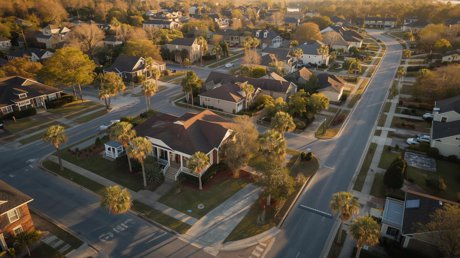
1. Hanahan, SC
Why it stands out
- Hanahan lies just north of the core Charleston city and is well‑located for commuters. Its average commute time clocks in at about 24.5 minutes — below the national average of roughly 26.6 minutes.
- It offers a solid balance: convenient access to job markets (including Charleston and North Charleston) while still being suburban in feel.
- The median home value is increasing over year, which signals steady appreciation.
- For home buyers and investors alike, this means you can buy in a commuter‑friendly location with good potential for appreciation.
For whom this works
- Home buyers: If you work in Charleston or North Charleston and want to minimize driving stress, Hanahan is a strong pick.
- Sellers: If you’re looking to sell soon, the commuter advantage helps; many buyers will prioritize lower commute times.
- Investors: Properties here are in demand from those who work in the region but prefer suburban space, so rental/investment prospects are positive.
Key considerations
- While the average commute is reasonable, morning/afternoon traffic can still swell (especially over bridges or during incidents).
- Home prices are above state average, so affordability is something to evaluate in your budget.
- Amenities and infrastructure are good but may not have the “big‑city” vibe some suburbs further away offer.
2. Goose Creek, SC
Why it stands out
- Goose Creek averages about 26 minutes one‑way commute, which is competitive.
- It offers relatively affordable median home values with healthy home‑ownership rates.
- Because it sits just north of North Charleston, it provides an attractive middle ground: still suburban, yet close enough to major job centers.
For whom this works
- Home buyers: The lower entry pricing compared with some coastal suburbs makes Goose Creek attractive.
- Sellers: The strategic location means your property appeals to commuters who want convenience plus value.
- Investors: With solid demand among commuting renters and relatively modest pricing, this can be a good location for buy‑and‑hold strategies.
Key considerations
- The “26 minutes average” doesn’t always reflect rush‑hour peaks commuters report longer times when traffic builds.
- While value is solid, you’ll want to target neighborhoods with good school ratings and infrastructure to maximize appeal.
- Future road congestion and infrastructure updates should be monitored (since growth may drive more traffic).
3. Summerville, SC
Why it stands out
- Popular among movers: Summerville was ranked by some reports as the #1 suburb people want to move to in 2024 in the Charleston‑region market.
- The average commute is reported at around 29 minutes, slightly above average yet acceptable for many given the trade‑offs.
- Provides more housing choice and value, especially for families seeking suburban lifestyle, good schools, and community amenities.
- Neighborhoods with strong access to I‑26 or alternatives often fare better in appreciation.
For whom this works
- Home buyers: Especially families looking for more space and a strong community feel, perhaps farther from downtown.
- Sellers: If your property is in a well‑connected part of Summerville (near I‑26 access), highlight commute potential as a value point.
- Investors: The strong appeal and growing demand in Summerville mean potential for appreciation and rental demand but variable depending on exact location and access.
Key considerations
- The commute can spike significantly during rush hours, especially via I‑26. Local reports indicate 45‑60+ minutes for some drives.
- Traffic bottlenecks and growing population could mean more wear on infrastructure and more “commute risk” in future.
- If working downtown Charleston every day, some buyers may find the longer drive less ideal — highlight employer flexibility, remote‑work potential, or alternate routes.
4. Mount Pleasant, SC
Why it stands out
- This suburb is a premium choice near the city, desirable amenities, high home values: median property value in 2023.
- Commute time for Mount Pleasant residents' averages about 25.4 minutes, marginally better than some suburban averages.
- For buyers seeking a high‑quality suburban lifestyle close to Charleston’s urban job and cultural center, this really delivers.
For whom this works
- Home buyers: If budget allows, this is ideal for commuting professionals who still want premium lifestyle, strong resale value, and walkable/upscale amenities.
- Sellers: Equity is strong; highlighting commute time advantage plus lifestyle will resonate with buyers.
- Investors: High‑end market means higher entry cost, but strong appreciation potential and premium rental demand.
Key considerations
- The higher price point means affordability is more limited, and the pool of buyers or renters might be more competitive.
- Even though average commute is reasonable, traffic incidents or bridge issues can still affect time; always check route robustness.
- Entry cost may limit some investors; ensure yield and rental demand are analyzed.

How to Choose the Right Suburb for Commuting
When advising buyers, sellers, or investors, this checklist helps determine which suburb will suit you or your client best:
1. Commute Time Awareness. Don’t just look at averages; check peak‑hour data and route reliability. For example, while Summerville boasts “30 minutes on average,” some 7‑9 a.m. drives can run 45‑60+ minutes.
2. Route Complexity – Direct access to major highways or alternate routes reduces stress. Neighborhoods with easy on‑ramps/on‑off access are often better.
3. Housing Value vs. Commute Trade‑off larger lots or newer subdivisions farther out may cost less, but commute burden adds up. Is the value saved worth the extra time?
4. Future Growth & Infrastructure – If an area is expanding fast (new subdivisions, schools, traffic), future infrastructure costs or traffic impacts may increase.
5. Resale and Rental Potential For investors, pick areas where commuters want to live solid schools, amenities, manageable drive times. Highlight that in marketing.
6. Lifestyle Fit Proximity to beaches, shops, restaurants, and quality of life should align with buyer/investor goals. A “nice house far out” may appeal less if commute is too long.
Final Thoughts
Commuting is one of the biggest qualities‑of‑life levers in real‑estate decisions. In the Charleston market, where traffic is increasingly mentioned by residents and commuters alike, picking a suburb with a realistic and manageable drive is no longer optional its strategic.